by Roland Diaz | Feb 18, 2026 | Cultural Food Heritage, Traditional Food
Gamit / Agurong: An Educational Overview of Native Vegetable Dishes
A neutral look at traditional preparations, ingredients, and nutritional context
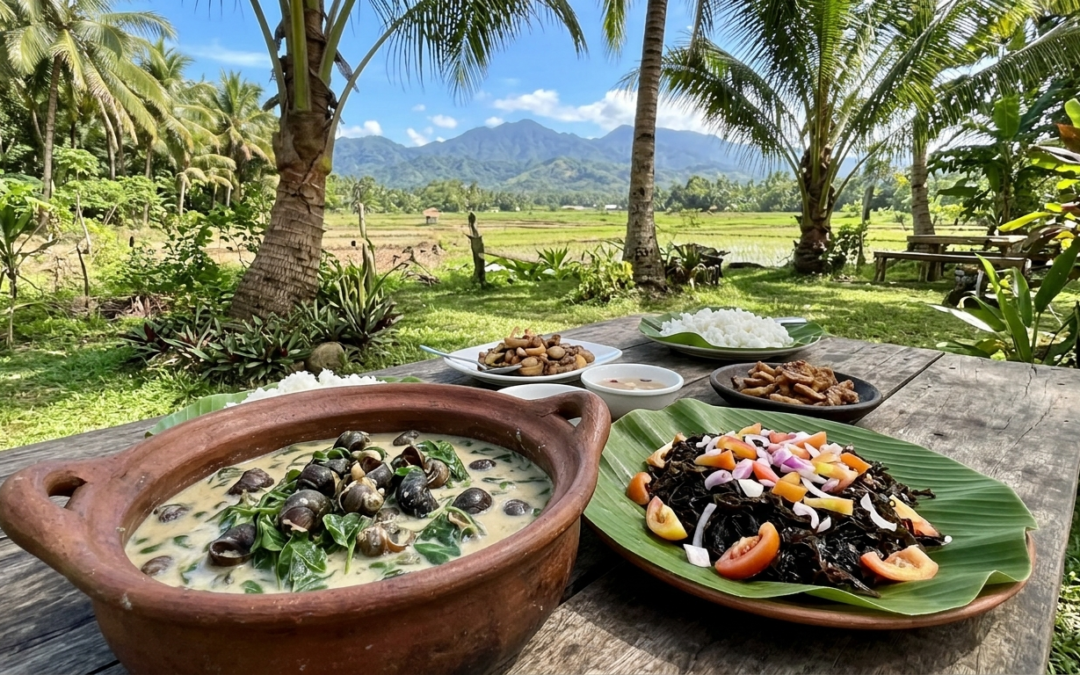
Gamit, also known as agurong in some local communities, refers to traditional vegetable-based dishes prepared in various parts of the Philippines. These dishes commonly use locally available plant ingredients and reflect regional cooking practices. This article presents a general overview of their composition, preparation methods, and nutritional context, aligned with food and nutrition guidance frameworks recognized by agencies such as the Department of Health (DOH) Philippines and Food and Drug Administration (FDA Philippines).
What is Gamit / Agurong?
Gamit or agurong is not a single standardized recipe. It is a category of dishes that typically includes:
- Leafy vegetables
- Root crops or stems
- Local herbs and seasonings
Preparation methods may vary depending on the region, availability of ingredients, and household practices.
Common Ingredients
Native vegetable dishes such as gamit or agurong often include:
- Leafy greens (e.g., alugbati, saluyot, or kangkong)
- Vegetables (e.g., eggplant, squash, okra)
- Aromatics (e.g., garlic, onion, ginger)
- Optional additions: small amounts of fish, shrimp, or fermented products for flavor
Ingredients are usually sourced locally and may change seasonally.
Typical Preparation Methods
Preparation methods are generally simple and may include:
- Boiling or simmering vegetables in water or broth
- Sautéing with garlic and onion
- Stewing with mixed vegetables and light seasoning
Cooking techniques aim to soften vegetables and blend flavors rather than heavily process ingredients.
Nutritional Context
In nutrition science, vegetable-based dishes are commonly associated with:
- Dietary fiber, which contributes to digestive processes
- Vitamins and minerals, depending on the vegetables used
- Low to moderate energy content, depending on preparation
The overall nutritional profile depends on ingredient variety, portion size, and cooking method.
Hypothetical Meal Example
A sample meal including a gamit/agurong-style dish may look like:
- Steamed rice (grain source)
- Mixed vegetable stew (gamit/agurong-style)
- Small portion of fish or legumes (protein source)
- Fresh fruit on the side
This illustrates how traditional vegetable dishes may be part of a balanced meal pattern.
Traditional Diets and Food Practices
In many Philippine communities, native vegetable dishes form part of everyday meals. These dishes often reflect:
- Use of locally available produce
- Seasonal food selection
- Minimal processing techniques
Under food safety and labeling frameworks, fresh produce sold in markets is generally subject to local handling and sanitation standards enforced by local government units and guided by national agencies.
Dietary patterns vary across regions and households. Nutritional intake depends on overall diet composition rather than a single dish.
FAQs
What is gamit or agurong?
It refers to traditional Filipino vegetable dishes that vary by region and typically include locally available plant ingredients.
Are native vegetable dishes part of a balanced diet?
They may contribute vegetables and nutrients as part of a varied diet when combined with other food groups.
How are these dishes usually prepared?
They are commonly boiled, sautéed, or stewed using simple ingredients and seasonings.
Trusted Sources
- Department of Health (DOH) Philippines — General nutrition guidance
- Food and Drug Administration (FDA Philippines) — Food safety and standards
- Philippine Food Composition Tables (FNRI-DOST)
- Academic studies on traditional Filipino diets and food systems
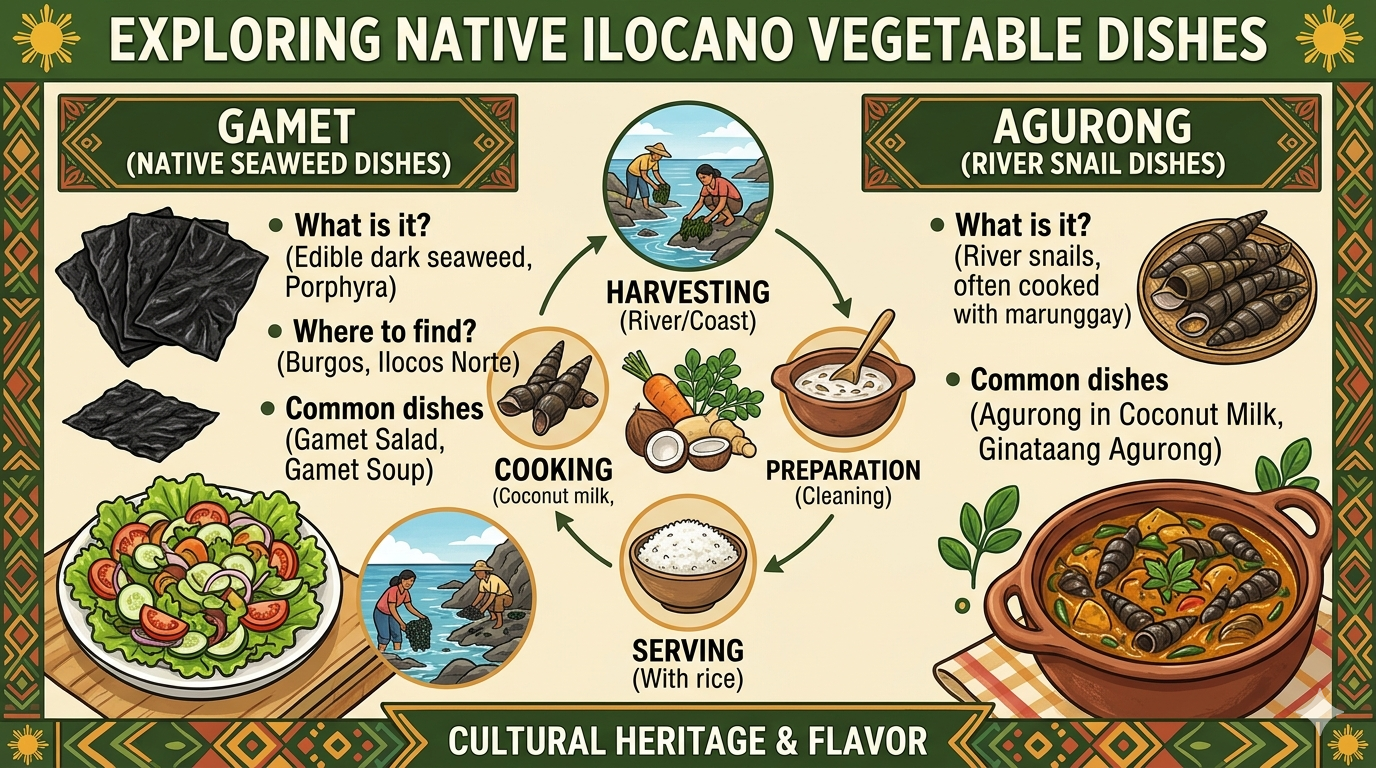
Visual summary of ingredients and preparation methods
Disclaimer
This article is for general informational and educational purposes only. It does not constitute professional medical, nutrition, or dietary advice. References to diets, foods, or supplements do not imply endorsement or guarantee of health outcomes. Readers are encouraged to consult licensed nutritionists, dietitians, or medical professionals for personalized guidance.
by Roland Diaz | Feb 18, 2026 | Cultural Food Heritage
Understanding Sisig (Kapampangan Sisig): A Nutritional Overview
A Neutral Look at Ingredients, Preparation, and Dietary Considerations
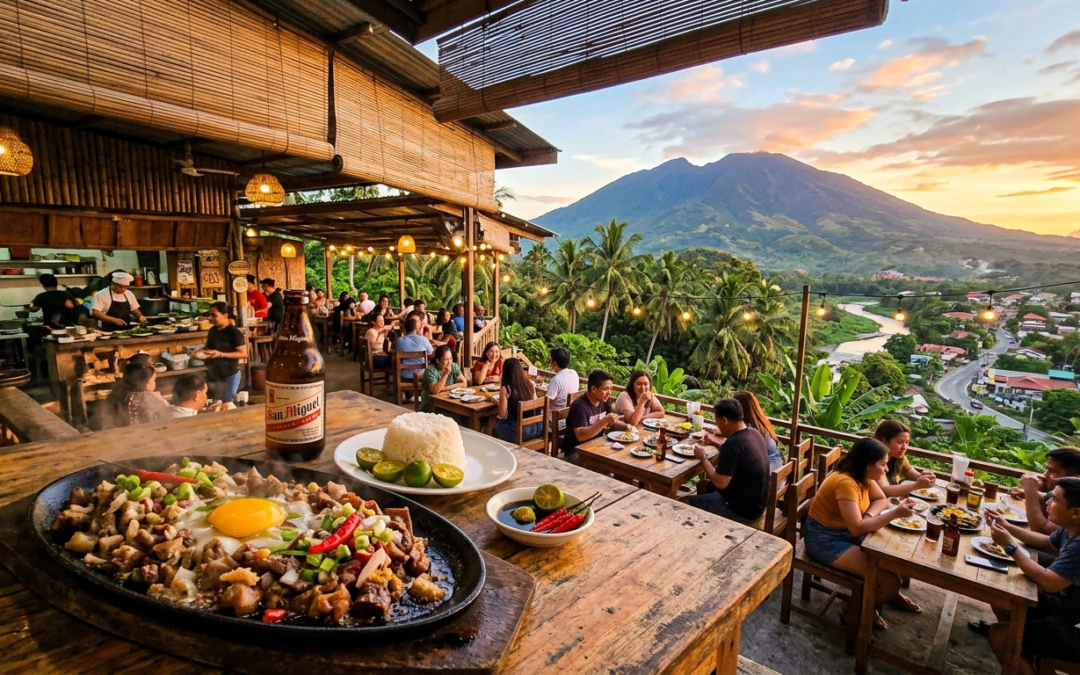
Sisig is a traditional Filipino dish that originated in the province of Pampanga. Commonly known as Kapampangan sisig, it is widely recognized for its distinct preparation method and combination of ingredients. This article provides an educational overview of sisig’s components, nutritional aspects, and general dietary considerations within the context of Philippine food culture and consumer awareness standards supported by the Department of Health and the Food and Drug Administration.
Food Composition and Ingredients
Traditional sisig typically includes:
- Finely chopped pork (often parts such as face or ears)
- Onions and chili peppers
- Calamansi juice for acidity
- Seasonings such as salt and pepper
Some variations may include egg, mayonnaise, or chicken liver. Preparation methods can involve boiling, grilling, and sautéing.
Macronutrient Profile
The nutritional content of sisig can vary depending on preparation and portion size. In general:
- Protein: Derived mainly from pork or other meat ingredients
- Fat: Can be relatively high due to the use of pork cuts and added fats
- Carbohydrates: Typically low, unless served with rice or other sides
Because of these characteristics, sisig is often considered an energy-dense dish.
Portion and Meal Context
Sisig is commonly consumed as part of a shared meal and is often paired with rice or other dishes. In meal planning contexts:
- It may be combined with vegetables to increase dietary variety
- Portion awareness may be considered when including energy-dense foods
- Frequency of consumption can vary based on individual dietary patterns
Food Safety and Preparation Considerations
Proper food handling and preparation are important for dishes like sisig:
- Meat should be cooked thoroughly
- Ingredients should be handled under hygienic conditions
- Storage and reheating practices should follow food safety guidance
These practices align with general food safety recommendations under Philippine regulations.
Cultural and Dietary Perspective
In nutrition science and cultural studies, traditional dishes such as sisig are often discussed in terms of both cultural significance and nutritional composition. Dietary patterns typically involve a variety of foods rather than reliance on a single dish.
Under consumer protection and labeling standards, prepared food—especially when commercially sold—may also be subject to hygiene and safety regulations enforced by local government units and national agencies.
Individual dietary needs and preferences can differ, and culturally significant foods can be included in a balanced dietary pattern when consumed in appropriate contexts.
FAQs
What is sisig made of?
Sisig is traditionally made from chopped pork parts, onions, chili, and souring agents like calamansi, with variations depending on preparation style.
Is sisig high in protein?
Sisig contains protein from meat ingredients, but the exact amount depends on the recipe and portion size.
How is sisig usually served?
Sisig is often served hot on a sizzling plate and commonly paired with rice as part of a meal.
Trusted Sources
- Department of Health — Food and nutrition guidance
- Food and Drug Administration — Food safety standards
- Academic publications on Filipino cuisine and nutrition
- World Health Organization (WHO) — General nutrition references
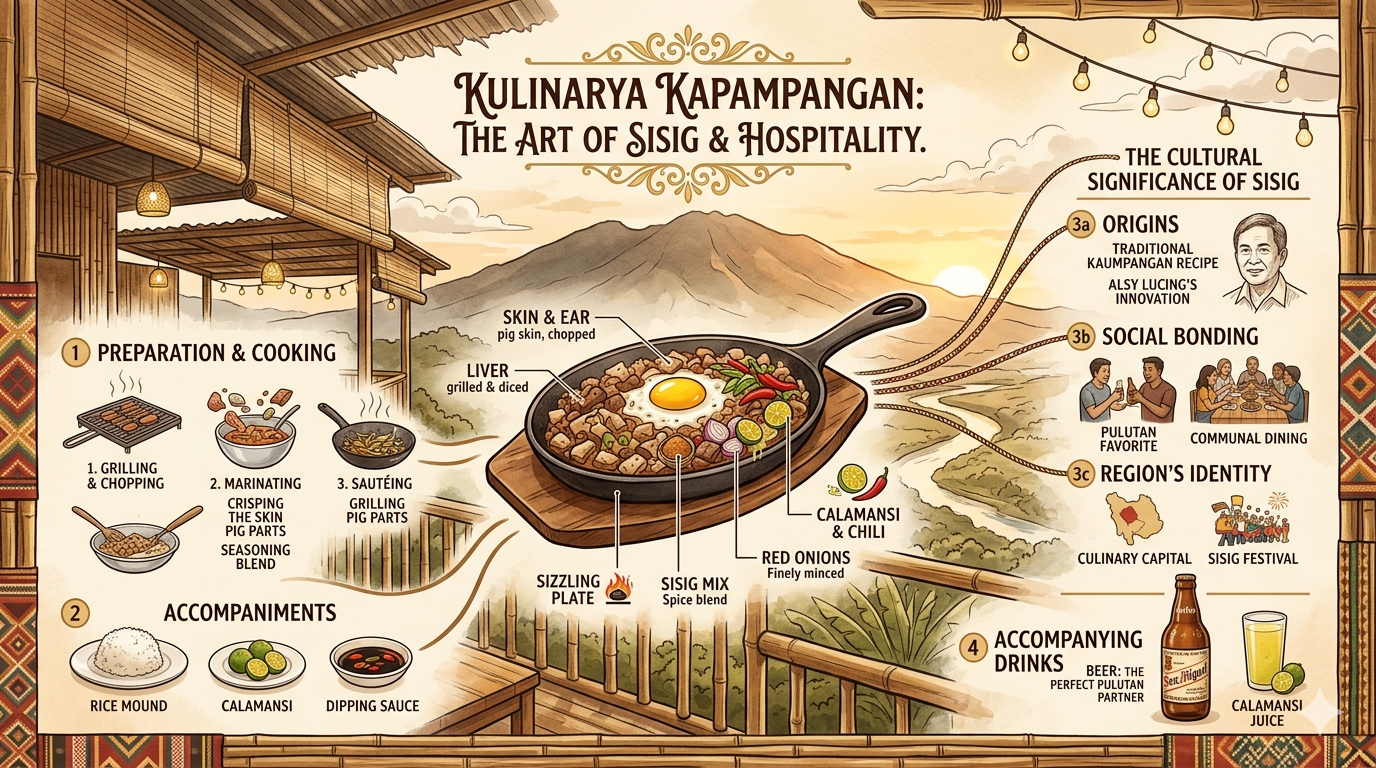
Visual layout presenting ingredients and preparation stages of Kapampangan sisig
Disclaimer
This article is for general informational and educational purposes only. It does not constitute professional medical, nutrition, or dietary advice. References to diets, foods, or supplements do not imply endorsement or guarantee of health outcomes. Readers are encouraged to consult licensed nutritionists, dietitians, or medical professionals for personalized guidance.
by Roland Diaz | Feb 18, 2026 | Cultural Food Heritage
Tocino Kapampangan: Educational Overview of a Traditional Filipino Food
A neutral look at ingredients, preparation, and nutritional considerations
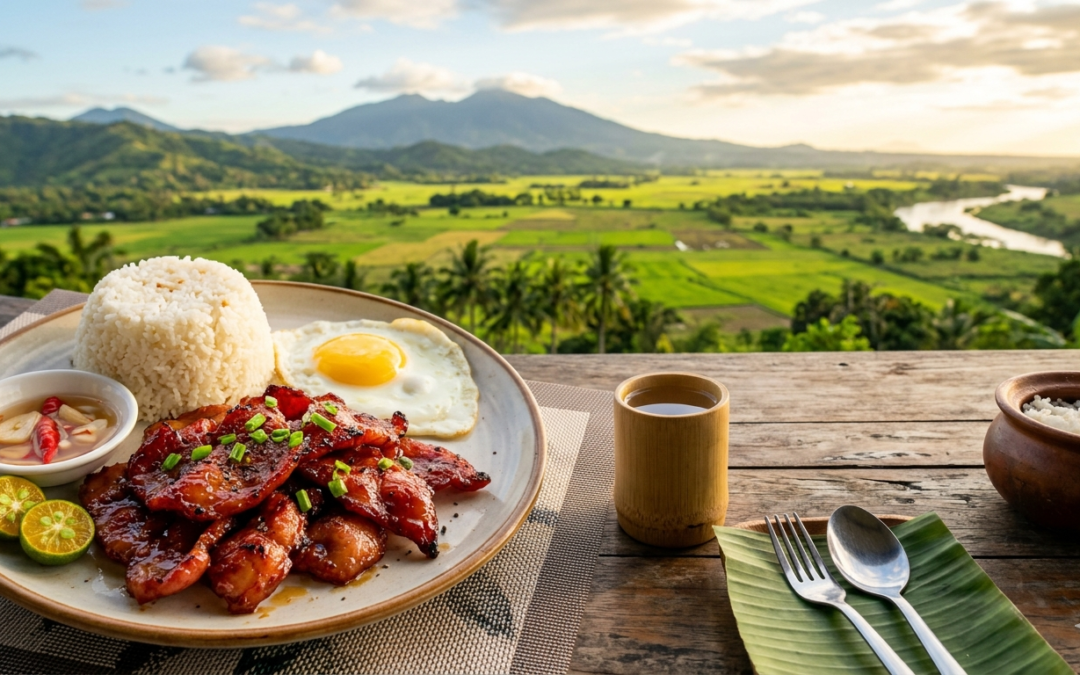
Tocino Kapampangan refers to a traditional Filipino cured meat dish associated with the culinary heritage of Pampanga. It is commonly prepared using pork and is known for its sweet and savory flavor profile. This article explains its basic composition, preparation methods, and general nutritional considerations within the context of food safety and consumer awareness in the Philippines.
What Is Tocino Kapampangan?
Tocino is a type of cured meat that is typically marinated in a mixture of sugar, salt, and spices. The Kapampangan version is often associated with regional cooking practices that emphasize balanced seasoning and preservation techniques.
Common Ingredients
- Pork (often sliced into thin pieces)
- Sugar
- Salt
- Garlic
- Food coloring (optional, depending on preparation)
The curing process allows the meat to absorb flavor and extends its shelf life when stored properly.
Preparation and Cooking Methods
Tocino is usually prepared by marinating pork for several hours or longer under refrigerated conditions. After curing, it is commonly cooked by:
- Pan-frying with minimal added oil
- Simmering in its own marinade until cooked through
Proper cooking is important to ensure food safety, particularly for meat products.
Nutritional Composition
Tocino Kapampangan contains a mix of macronutrients:
- Protein from pork
- Fat from the meat and cooking process
- Carbohydrates mainly from added sugar in the marinade
Because of the curing process, it may also contain higher levels of sodium. Nutrient content can vary depending on preparation methods and ingredient proportions.
Meal Context and Serving Practices
Tocino is often served as part of a traditional Filipino breakfast, sometimes paired with rice and eggs. In meal planning, it may be combined with:
- Rice (source of carbohydrates)
- Eggs (additional protein)
- Vegetables or fruits (for dietary variety)
Portion size and frequency of consumption may vary depending on individual dietary patterns.
Consumer Awareness and Food Labeling
For commercially available tocino products, Philippine food safety regulations require labeling that includes:
- Ingredient list
- Nutrition information (if applicable)
- Expiration or best-before date
- Manufacturer or distributor details
Consumers are encouraged to review labels and storage instructions. Claims on packaging should be interpreted as manufacturer-provided information.
Context and Considerations
In food science, cured meats are prepared using preservation methods that involve salt and sometimes sugar. These processes influence both flavor and shelf stability.
Under Philippine food safety standards, proper handling, storage, and cooking of meat products are important to reduce foodborne risks. Dietary patterns involving processed or cured foods are typically discussed in moderation within general nutrition frameworks.
Individual dietary needs may vary. Consultation with qualified nutrition professionals may provide personalized guidance.
FAQ
What is tocino made of?
Tocino is typically made from pork that has been cured with sugar, salt, and spices.
Why is tocino sweet?
The sweetness comes from added sugar in the curing process.
Is tocino considered processed food?
Yes, tocino is generally classified as a processed or cured meat due to its preparation method.
Trusted Sources
- Department of Health (DOH) Philippines
- Food and Drug Administration (FDA) Philippines
- Food safety and nutrition guidelines from academic food science references
- World Health Organization (WHO) resources on processed foods
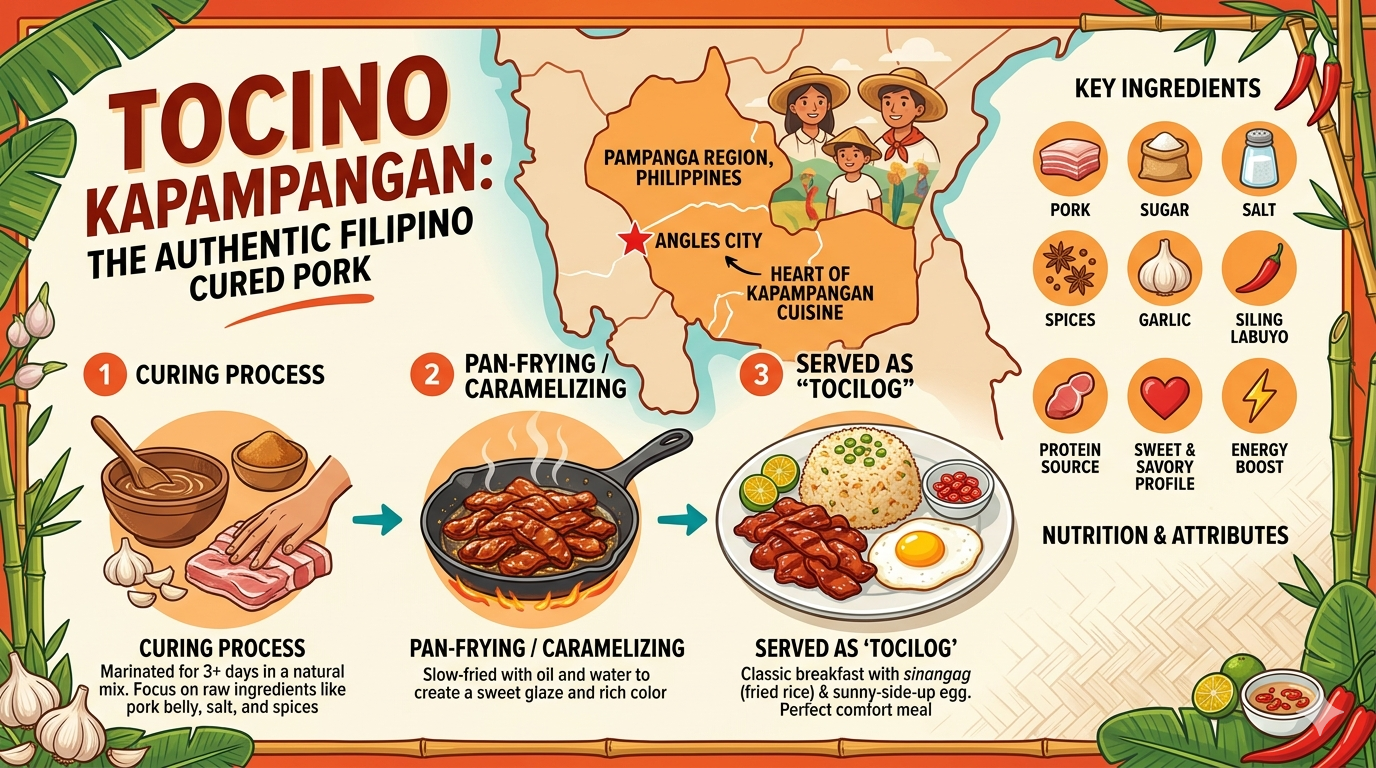
Infographic showing ingredients and preparation stages of tocino
Disclaimer
This article is for general informational and educational purposes only. It does not constitute professional medical, nutrition, or dietary advice. References to foods or preparation methods do not imply endorsement or guarantee of health outcomes. Readers are encouraged to consult licensed nutritionists, dietitians, or medical professionals for personalized guidance.
by Roland Diaz | Feb 18, 2026 | Cultural Food Heritage
Understanding Bringhe: A Traditional Filipino Rice Dish
A neutral overview of ingredients, preparation, and nutritional components
This article provides an educational overview of Bringhe, a traditional Filipino dish commonly associated with festive occasions. It explains its typical ingredients, preparation methods, and general nutritional components within the context of Philippine food culture and consumer awareness standards. The discussion aligns with general guidance from national institutions such as the Department of Health Philippines and Food and Drug Administration Philippines.
What Is Bringhe?
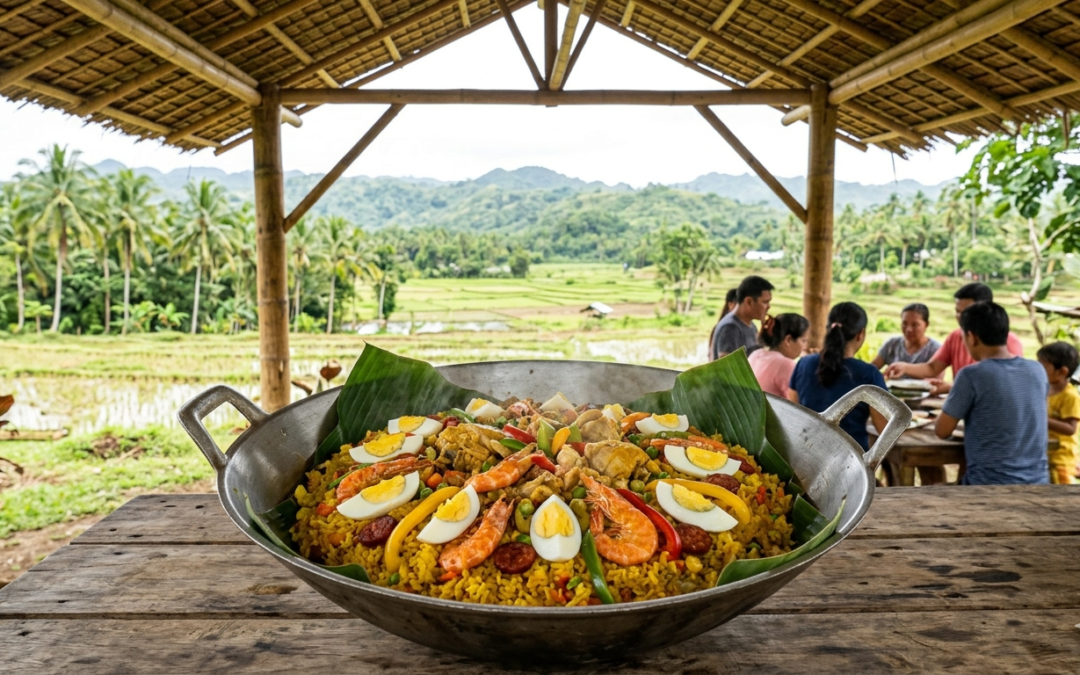
Bringhe is a Filipino rice dish often compared to paella. It is traditionally prepared using glutinous rice cooked in coconut milk, combined with ingredients such as chicken, vegetables, and spices. The dish is commonly served during gatherings and special events in various regions of the Philippines.
Common Ingredients and Food Groups
Bringhe typically includes a mix of food groups:
- Grains: Glutinous rice (primary carbohydrate source)
- Protein: Chicken or occasionally seafood
- Vegetables: Bell peppers, peas, carrots
- Fats: Coconut milk contributes fat content
- Seasonings: Garlic, onions, and spices
This combination reflects a mix of macronutrients and micronutrients from different food sources.
Nutritional Components (General Overview)
The nutritional profile of bringhe depends on ingredients and portion sizes. In general:
- Carbohydrates come mainly from rice
- Protein is provided by chicken or other protein sources
- Fats are present due to coconut milk
- Vitamins and minerals may be contributed by vegetables
Because coconut milk is used, the dish may contain higher fat content compared to plain rice meals. Nutrient levels vary depending on preparation methods.
Preparation and Cooking Method
Bringhe is usually prepared by:
- Sautéing garlic, onions, and protein (e.g., chicken)
- Adding glutinous rice and coconut milk
- Simmering until the rice absorbs the liquid
- Mixing in vegetables and allowing the dish to cook evenly
Cooking techniques may vary by region and household practices.
Portion Awareness and Meal Context
Bringhe is often consumed as part of a larger meal. In general dietary planning:
- It may be paired with additional vegetables or side dishes
- Portion sizes can vary depending on individual preferences and dietary needs
- It is typically eaten occasionally rather than as a daily staple in some households
These considerations are consistent with general principles of variety and balance in meal planning.
Food Labeling and Consumer Awareness
When ingredients such as canned coconut milk or packaged seasonings are used, consumers may refer to labeling standards regulated by the Department of Trade and Industry Philippines and FDA. Labels typically include:
- Ingredient lists
- Nutrition facts
- Serving size information
Reviewing these details can support informed food preparation and consumption.
Context
In nutrition science, traditional dishes like bringhe are understood within the broader context of dietary patterns and cultural practices. Nutritional value depends on ingredient choices, preparation methods, and portion sizes.
Under Philippine food safety and consumer protection standards, transparency in ingredient sourcing and labeling is emphasized to support informed dietary decisions.
Dietary needs and responses to food intake vary among individuals. For personalized nutrition guidance, consultation with licensed professionals is recommended.
FAQs
What is bringhe made of?
Bringhe is typically made from glutinous rice, coconut milk, chicken, vegetables, and seasonings. Ingredients may vary depending on regional or household recipes.
Is bringhe similar to paella?
Bringhe is often compared to paella due to its appearance and cooking style, but it uses coconut milk and local ingredients, giving it a distinct flavor profile.
What nutrients are found in bringhe?
Bringhe generally contains carbohydrates, protein, fats, and some vitamins and minerals depending on the included ingredients.
Trusted Sources
- Department of Health Philippines
- Food and Drug Administration Philippines
- Department of Trade and Industry Philippines
- World Health Organization (WHO) nutrition resources
- Academic food science and nutrition journals
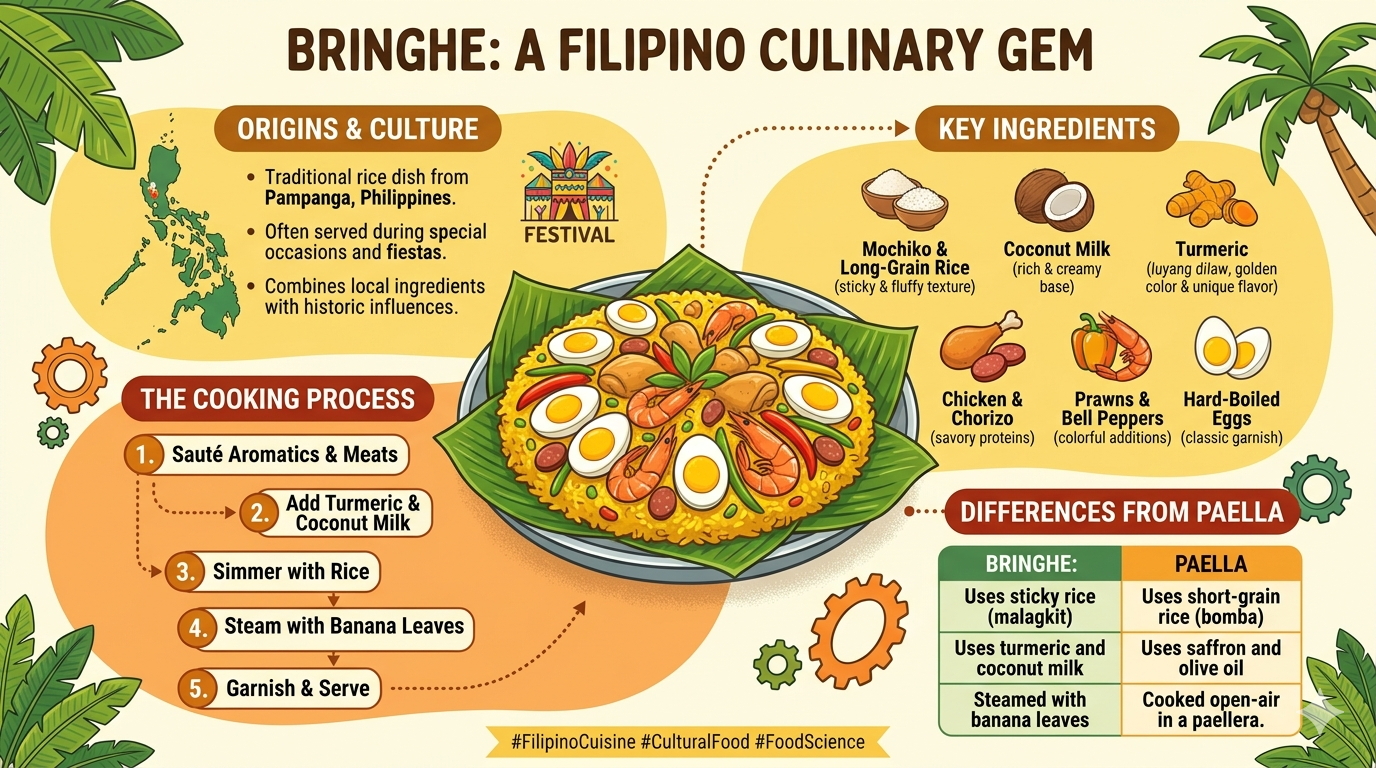
Infographic illustrating components and preparation stages of bringhe
Disclaimer
This article is for general informational and educational purposes only. It does not constitute professional medical, nutrition, or dietary advice. References to diets, foods, or supplements do not imply endorsement or guarantee of health outcomes. Readers are encouraged to consult licensed nutritionists, dietitians, or medical professionals for personalized guidance.
by Roland Diaz | Feb 18, 2026 | Cultural Food Heritage
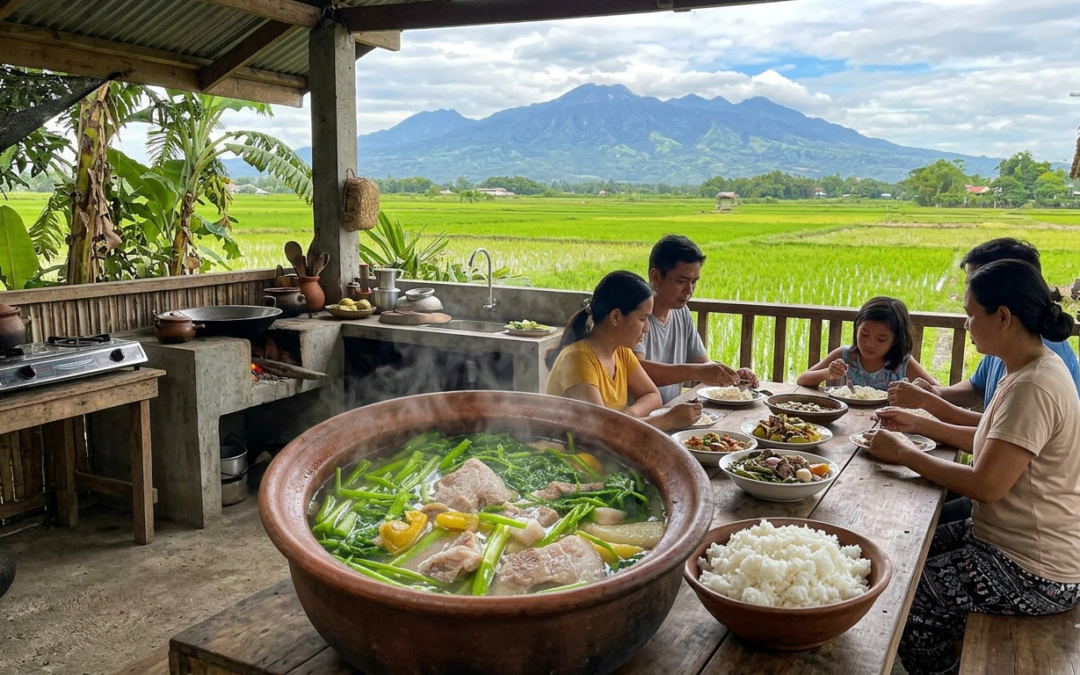
Bulanglang Kapampangan: An Educational Overview of a Traditional Vegetable Dish
A neutral look at ingredients, preparation, and nutritional components
This article provides an informational overview of Bulanglang Kapampangan, a traditional vegetable-based dish from Pampanga. It explains typical ingredients, preparation methods, and general nutritional components within the context of Philippine food practices. The discussion aligns with basic food and nutrition awareness principles recognized by institutions such as the Department of Health (DOH) and the Food and Drug Administration (FDA Philippines).
What Is Bulanglang Kapampangan?
Bulanglang Kapampangan is a vegetable soup dish commonly prepared using a variety of locally available vegetables. It is known for its light broth and simple cooking method, which typically involves boiling or simmering ingredients until tender.
The dish is often compared to other Filipino vegetable soups but may differ in ingredient combinations and regional preparation styles.
Common Ingredients
Ingredients may vary depending on availability, but commonly include:
- Leafy vegetables (e.g., malunggay leaves, spinach, or native greens)
- Fruiting vegetables (e.g., eggplant, squash, okra)
- Root crops (optional, depending on variation)
- Fish or fermented seafood (such as dried fish or shrimp paste in some versions)
- Water or light broth base
The combination reflects a mix of plant-based components with occasional protein sources.
Preparation Method (General Overview)
A typical preparation process may involve:
- Boiling water or broth
- Adding vegetables in stages based on cooking time
- Incorporating flavoring ingredients such as fish or fermented condiments
- Simmering until all components are cooked
Cooking methods are generally simple and use minimal oil.
Nutritional Components (General Information)
As a vegetable-based dish, Bulanglang Kapampangan may contain:
- Dietary fiber from vegetables
- Vitamins and minerals depending on ingredient variety
- Water content, contributing to hydration
If fish or seafood is included, the dish may also contain protein and certain micronutrients.
Nutrient content varies depending on portion size and specific ingredients used.
Role in Meal Planning (Illustrative Context)
In general dietary planning, vegetable soups like Bulanglang may be included as part of a meal to contribute to overall food variety. It is often served alongside staple foods such as rice in Filipino meals.
This example is illustrative and not prescriptive.
Context
In nutrition science discussions, vegetable-based dishes are often described as sources of micronutrients and dietary fiber, depending on preparation and ingredients. Under Philippine food safety and labeling standards, fresh and cooked foods should be handled and prepared following proper hygiene practices.
Dietary needs differ among individuals based on factors such as age, activity level, and health status. For personalized dietary planning, consultation with qualified nutrition professionals is recommended.
FAQs
What is Bulanglang Kapampangan?
It is a traditional vegetable soup dish from Pampanga made with a variety of local vegetables and sometimes fish or fermented ingredients.
What nutrients are found in vegetable soups?
Vegetable soups may contain vitamins, minerals, and dietary fiber, depending on the ingredients used.
How is Bulanglang typically prepared?
It is usually prepared by boiling vegetables in water or broth and adding flavoring ingredients before simmering until cooked.
Trusted Sources
- Department of Health (Philippines) – Nutrition guidelines and food safety advisories
- Food and Drug Administration (Philippines) – Food safety and labeling resources
- Food and Agriculture Organization (FAO) – Nutrition and traditional diets
- Peer-reviewed journals on food science and dietary patterns
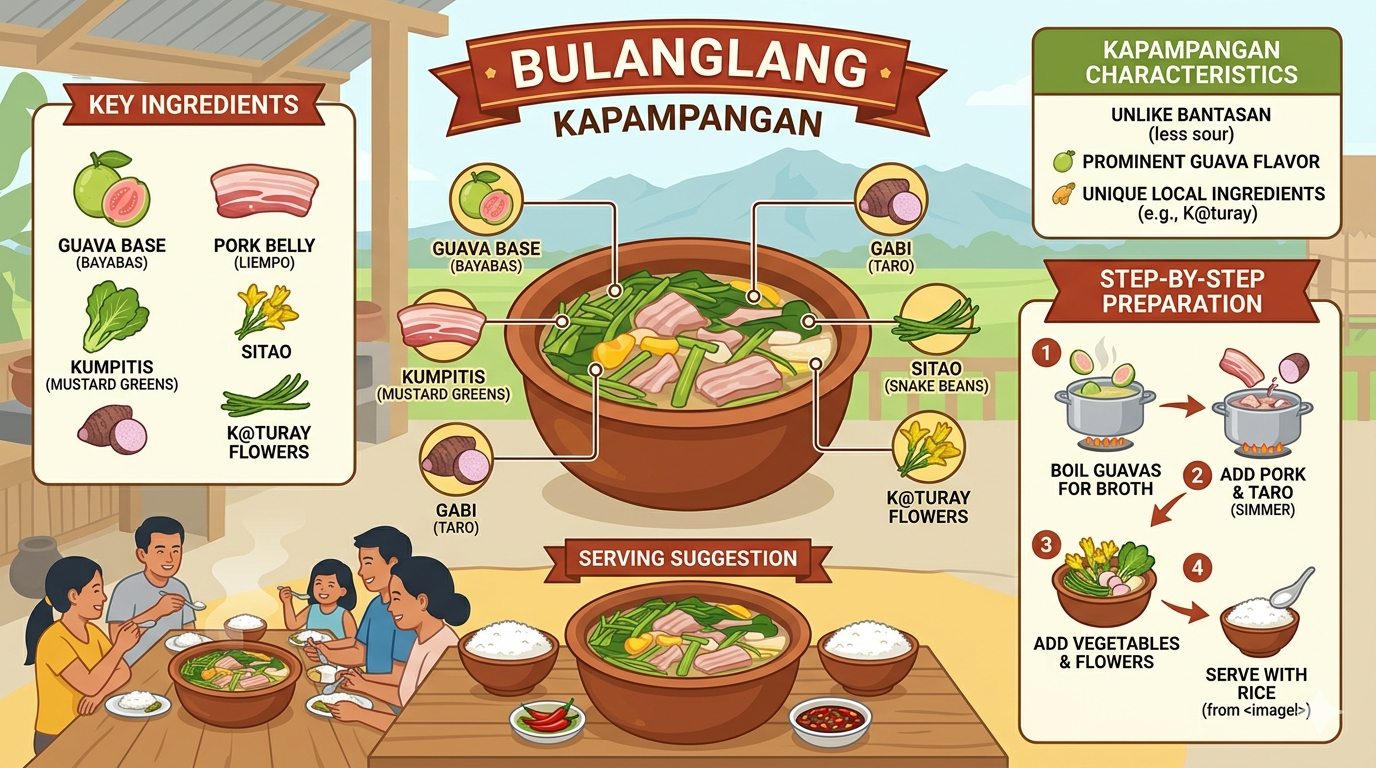
Ingredient and preparation layout for Bulanglang Kapampangan
Disclaimer
This article is for general informational and educational purposes only. It does not constitute professional medical, nutrition, or dietary advice. References to diets, foods, or supplements do not imply endorsement or guarantee of health outcomes. Readers are encouraged to consult licensed nutritionists, dietitians, or medical professionals for personalized guidance.

