Understanding Bringhe: A Traditional Filipino Rice Dish
A neutral overview of ingredients, preparation, and nutritional components
This article provides an educational overview of Bringhe, a traditional Filipino dish commonly associated with festive occasions. It explains its typical ingredients, preparation methods, and general nutritional components within the context of Philippine food culture and consumer awareness standards. The discussion aligns with general guidance from national institutions such as the Department of Health Philippines and Food and Drug Administration Philippines.
What Is Bringhe?
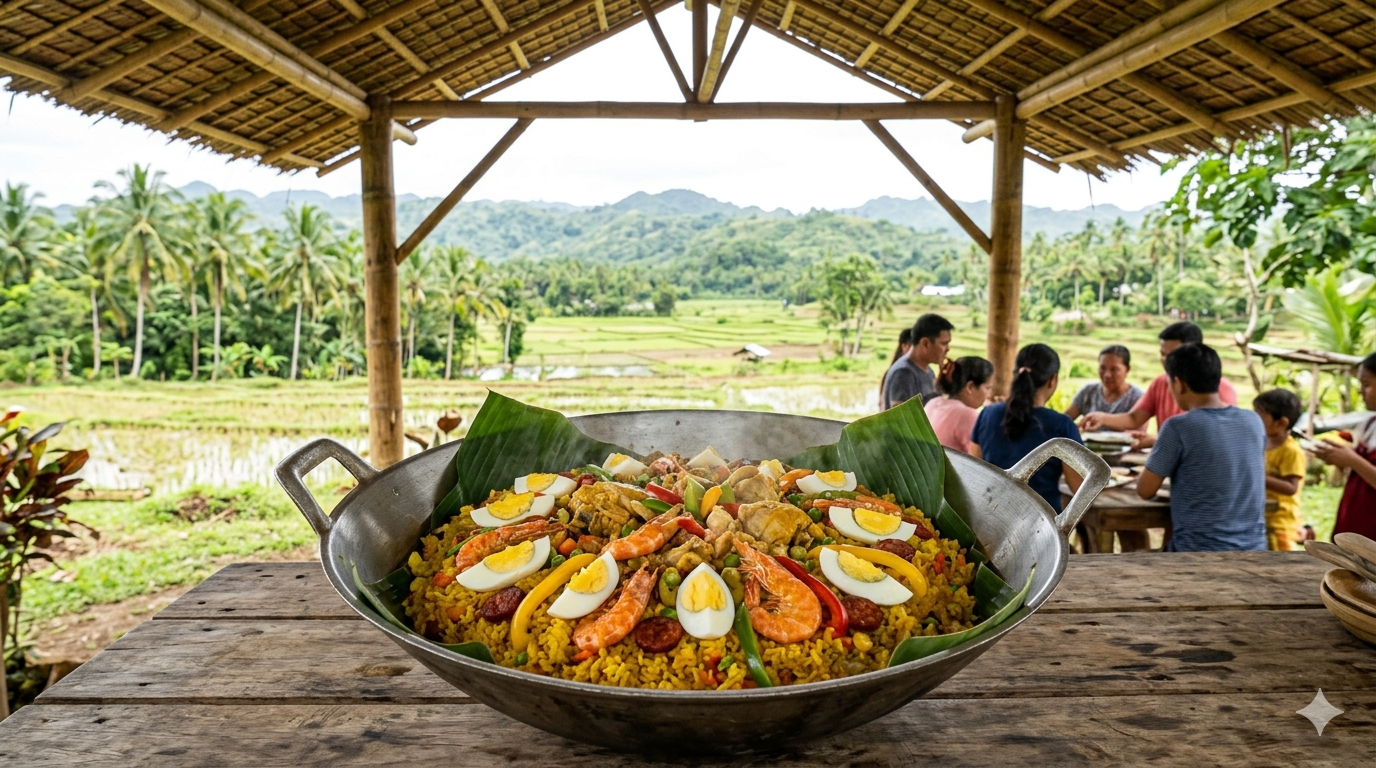
Bringhe is a Filipino rice dish often compared to paella. It is traditionally prepared using glutinous rice cooked in coconut milk, combined with ingredients such as chicken, vegetables, and spices. The dish is commonly served during gatherings and special events in various regions of the Philippines.
Common Ingredients and Food Groups
Bringhe typically includes a mix of food groups:
- Grains: Glutinous rice (primary carbohydrate source)
- Protein: Chicken or occasionally seafood
- Vegetables: Bell peppers, peas, carrots
- Fats: Coconut milk contributes fat content
- Seasonings: Garlic, onions, and spices
This combination reflects a mix of macronutrients and micronutrients from different food sources.
Nutritional Components (General Overview)
The nutritional profile of bringhe depends on ingredients and portion sizes. In general:
- Carbohydrates come mainly from rice
- Protein is provided by chicken or other protein sources
- Fats are present due to coconut milk
- Vitamins and minerals may be contributed by vegetables
Because coconut milk is used, the dish may contain higher fat content compared to plain rice meals. Nutrient levels vary depending on preparation methods.
Preparation and Cooking Method
Bringhe is usually prepared by:
- Sautéing garlic, onions, and protein (e.g., chicken)
- Adding glutinous rice and coconut milk
- Simmering until the rice absorbs the liquid
- Mixing in vegetables and allowing the dish to cook evenly
Cooking techniques may vary by region and household practices.
Portion Awareness and Meal Context
Bringhe is often consumed as part of a larger meal. In general dietary planning:
- It may be paired with additional vegetables or side dishes
- Portion sizes can vary depending on individual preferences and dietary needs
- It is typically eaten occasionally rather than as a daily staple in some households
These considerations are consistent with general principles of variety and balance in meal planning.
Food Labeling and Consumer Awareness
When ingredients such as canned coconut milk or packaged seasonings are used, consumers may refer to labeling standards regulated by the Department of Trade and Industry Philippines and FDA. Labels typically include:
- Ingredient lists
- Nutrition facts
- Serving size information
Reviewing these details can support informed food preparation and consumption.
Context
In nutrition science, traditional dishes like bringhe are understood within the broader context of dietary patterns and cultural practices. Nutritional value depends on ingredient choices, preparation methods, and portion sizes.
Under Philippine food safety and consumer protection standards, transparency in ingredient sourcing and labeling is emphasized to support informed dietary decisions.
Dietary needs and responses to food intake vary among individuals. For personalized nutrition guidance, consultation with licensed professionals is recommended.
FAQs
What is bringhe made of?
Bringhe is typically made from glutinous rice, coconut milk, chicken, vegetables, and seasonings. Ingredients may vary depending on regional or household recipes.
Is bringhe similar to paella?
Bringhe is often compared to paella due to its appearance and cooking style, but it uses coconut milk and local ingredients, giving it a distinct flavor profile.
What nutrients are found in bringhe?
Bringhe generally contains carbohydrates, protein, fats, and some vitamins and minerals depending on the included ingredients.
Trusted Sources
- Department of Health Philippines
- Food and Drug Administration Philippines
- Department of Trade and Industry Philippines
- World Health Organization (WHO) nutrition resources
- Academic food science and nutrition journals
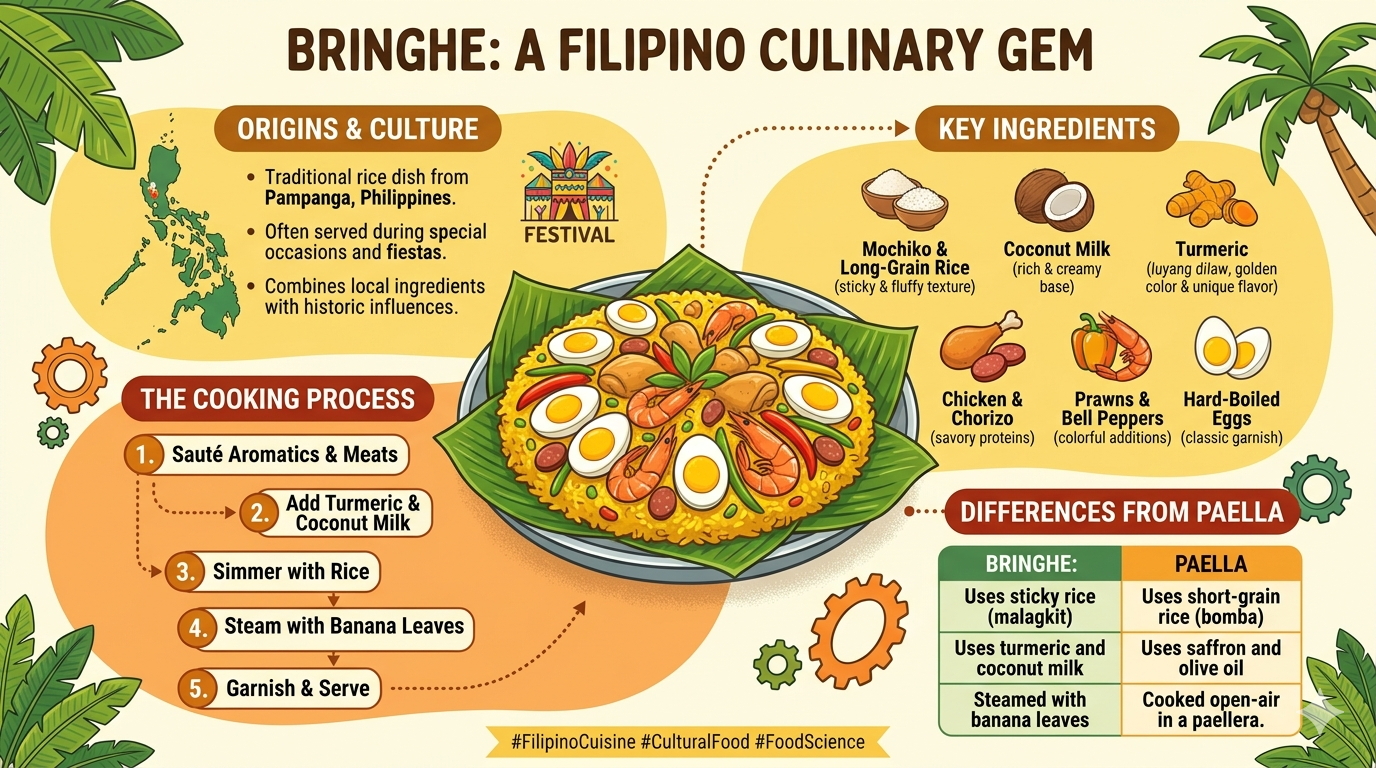
Infographic illustrating components and preparation stages of bringhe
Disclaimer
This article is for general informational and educational purposes only. It does not constitute professional medical, nutrition, or dietary advice. References to diets, foods, or supplements do not imply endorsement or guarantee of health outcomes. Readers are encouraged to consult licensed nutritionists, dietitians, or medical professionals for personalized guidance.