by villarramil028 | Mar 25, 2026 | Cultural Food Heritage
Ikat (Local Kakanin): An Educational Overview of a Traditional Rice-Based Food
Understanding Its Ingredients, Preparation, and Nutritional Context
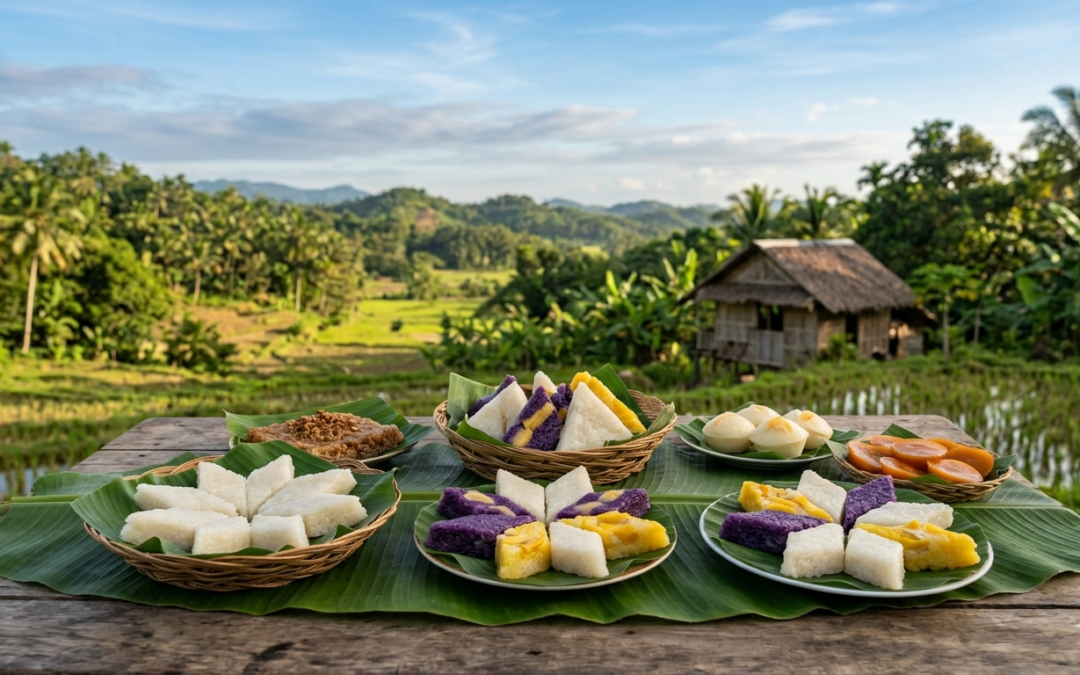
“Ikat” is a term that may be used in some local contexts to refer to a type of kakanin, or traditional Filipino rice-based food. Kakanin are commonly prepared using glutinous rice, coconut milk, and sweeteners. This article provides a neutral overview of ikat within the broader category of Filipino kakanin, focusing on ingredients, preparation methods, and general nutritional considerations.
What Is Ikat?
Ikat is associated with traditional Filipino rice delicacies often prepared for gatherings, local markets, or household consumption. Like many kakanin, it is typically made using:
- Glutinous rice or rice flour
- Coconut milk (gata)
- Sugar or other sweeteners
Preparation methods may vary depending on the region or household practice. Some versions are steamed, while others are cooked in coconut milk until thickened.
Ingredients and Food Composition
Core Components
- Glutinous Rice: Provides carbohydrates, which serve as a primary energy source in many diets
- Coconut Milk: Contains fats and contributes to texture and flavor
- Sugar: Adds sweetness and increases energy content
Optional Additions
- Grated coconut
- Banana leaves (used as wrapping or lining)
- Local flavorings depending on regional practices
Nutritional Context
As a rice-based food, ikat is generally considered an energy-dense item due to its carbohydrate and fat content. Its nutritional profile depends on ingredient proportions and preparation methods.
- Carbohydrates: Main contributor to total calories
- Fats: Derived from coconut milk
- Sugars: Vary depending on added sweeteners
Portion size and frequency of consumption are common considerations in dietary planning.
Food Safety and Preparation Considerations
Under Philippine food safety guidelines, including those supported by the Department of Health (DOH) and the Food and Drug Administration (FDA Philippines), safe preparation practices include:
- Using clean water and properly handled ingredients
- Cooking at appropriate temperatures
- Storing cooked food properly to reduce spoilage risk
When sold commercially, kakanin products are expected to follow local government and FDA food handling and labeling standards.
Traditional Foods and Dietary Balance
In nutrition science discussions, traditional foods such as kakanin are recognized as part of cultural dietary patterns. They are often consumed alongside other food groups to create variety in meals.
Balanced dietary planning typically involves combining staple foods, protein sources, fruits, and vegetables. The role of kakanin, including ikat, depends on individual dietary preferences and overall food intake patterns.
FAQs
What is kakanin?
Kakanin refers to a group of traditional Filipino foods primarily made from rice, coconut, and sugar. They are often prepared for everyday consumption or special occasions.
Is ikat the same across all regions?
No. Preparation methods and ingredients may vary depending on local traditions and available ingredients.
How is kakanin typically served?
Kakanin is usually served as a snack, dessert, or part of meals during gatherings or daily consumption.
Trusted Sources
- Department of Health (Philippines) – Food safety and nutrition guidelines
- Food and Drug Administration (Philippines) – Food handling and labeling standards
- Philippine Food Composition Tables (FNRI-DOST)
- Academic research on Filipino traditional foods and dietary patterns
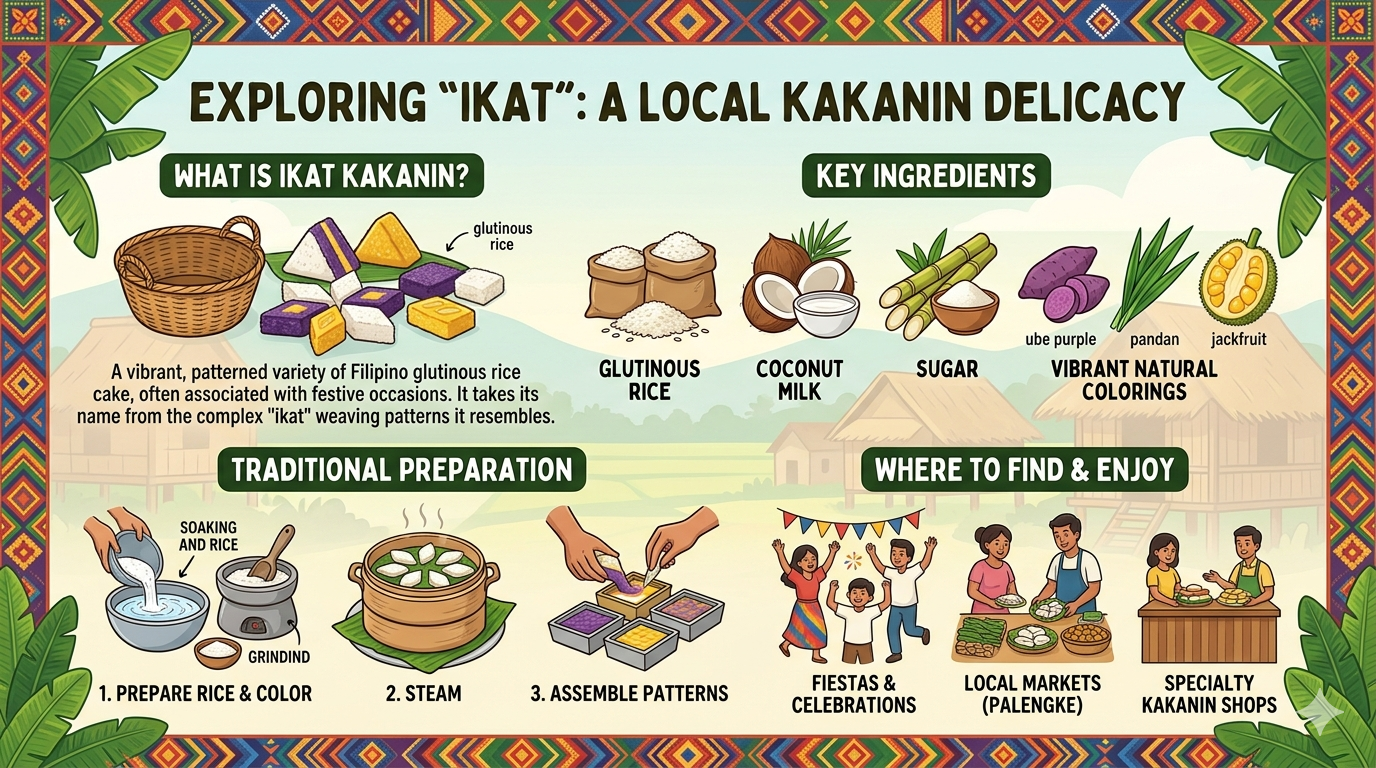
Visual layout of ingredients and preparation stages.
Disclaimer
This article is for general informational and educational purposes only. It does not constitute professional medical, nutrition, or dietary advice. References to foods or dietary practices do not imply endorsement or guarantee of health outcomes. Readers are encouraged to consult licensed nutritionists, dietitians, or medical professionals for personalized guidance.
by villarramil028 | Mar 25, 2026 | Cultural Food Heritage
Chicharabao (Carabao Chicharon): Nutritional Overview and Consumer Awareness
A neutral look at its ingredients, preparation, and dietary considerations
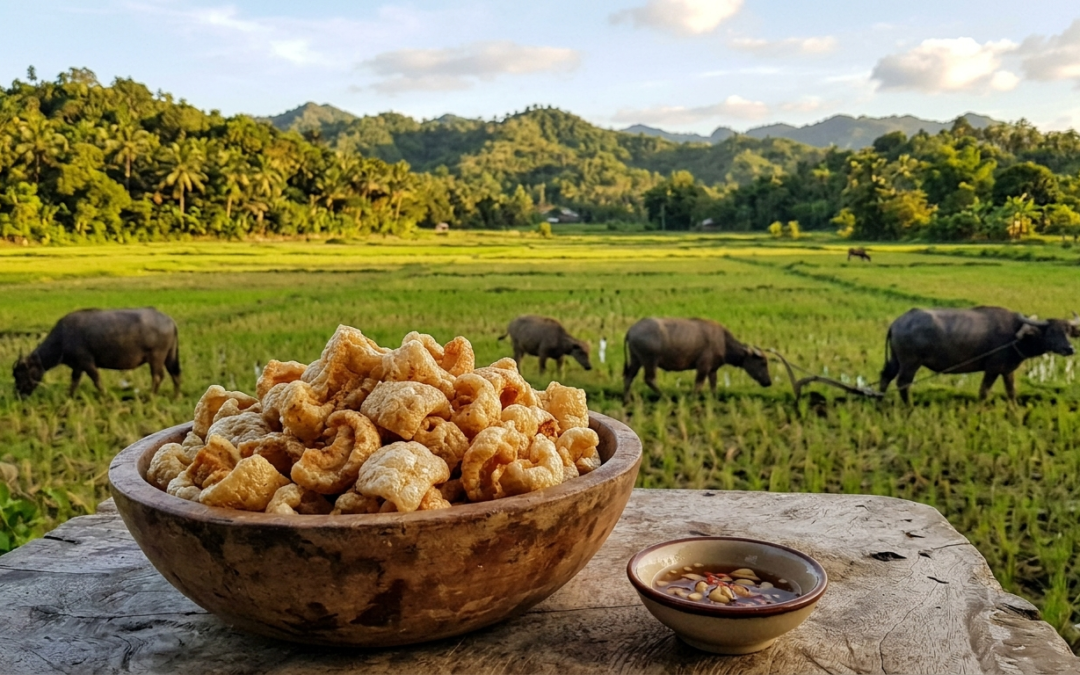
Chicharabao, commonly known as carabao chicharon, is a traditional Filipino snack made from the skin of the Carabao. It is typically deep-fried until crisp and is often consumed as a snack or accompaniment to meals. This article explains its general nutritional characteristics, preparation methods, and considerations aligned with guidance from the Department of Health (DOH) Philippines and Food and Drug Administration Philippines.
What Is Chicharabao?
Chicharabao is prepared by cleaning and boiling carabao skin, drying it, and then deep-frying it in oil. The result is a crunchy product that may be seasoned with salt, vinegar, or spices depending on regional preferences.
It is categorized as a processed, fried food product and is typically energy-dense due to its preparation method.
Nutritional Components (General Overview)
The nutritional profile of chicharabao can vary depending on preparation and portion size. Common components include:
- Protein: Derived from animal skin
- Fat: Increased during deep-frying
- Calories: Typically higher due to fat content
- Sodium: May be present if salt or seasoning is added
As a fried snack, it is generally considered an energy-dense food rather than a primary source of diverse nutrients.
Food Group Context
Chicharabao does not fall neatly into core food groups such as fruits, vegetables, or whole grains. It is more appropriately classified under:
- Processed or occasional foods
- Foods high in fat due to frying
Balanced dietary patterns typically emphasize a variety of minimally processed foods alongside moderation in energy-dense items.
Hypothetical Consumption Context
In a general meal setting, chicharabao may be consumed:
- As a small side portion with meals
- As a snack paired with vinegar or dipping sauces
- Occasionally, rather than as a primary protein source
Portion size and frequency of intake may vary depending on individual dietary patterns and preferences.
Consumer Awareness and Food Safety
Under Philippine food safety and labeling regulations, consumers are encouraged to:
- Check packaging for proper labeling and ingredient lists
- Verify if the product is registered with the FDA Philippines when commercially sold
- Store and handle properly to maintain food safety
The Department of Trade and Industry (DTI) Philippines oversees fair trade practices, including labeling and product representation.
Dietary Patterns and Moderation
In nutrition science, fried and processed foods are often discussed in the context of overall dietary patterns. These foods may be included in diets in varying amounts, depending on cultural practices and individual preferences.
Dietary needs differ among individuals. Factors such as age, activity level, and health status may influence food choices. For personalized dietary guidance, consultation with a licensed nutrition professional is recommended.
FAQs
What is chicharabao made from?
Chicharabao is made from carabao (water buffalo) skin that is boiled, dried, and deep-fried until crisp.
Is chicharabao considered a protein source?
It contains protein from animal skin, but it is typically not categorized as a primary or complete protein source in balanced diets.
Why is chicharabao energy-dense?
Its preparation involves deep-frying, which increases fat content and overall calorie density.
Trusted Sources
- Department of Health (DOH) Philippines
- Food and Drug Administration Philippines
- World Health Organization
- Peer-reviewed food science and nutrition journals
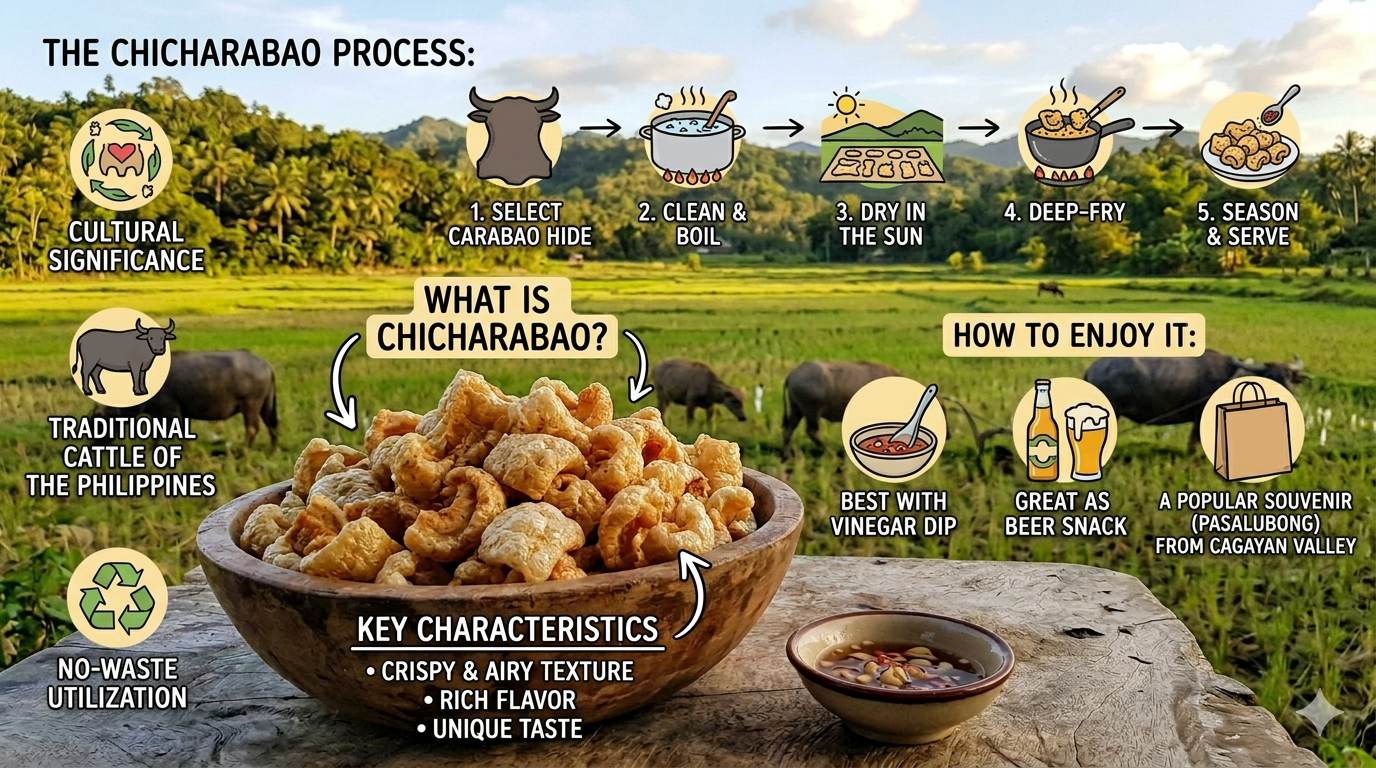
Visual summary of chicharabao ingredients and preparation steps
Disclaimer
This article is for general informational and educational purposes only. It does not constitute professional medical, nutrition, or dietary advice. References to foods or preparation methods do not imply endorsement or guarantee of health outcomes. Readers are encouraged to consult licensed nutritionists, dietitians, or medical professionals for personalized guidance.
by villarramil028 | Mar 25, 2026 | Cultural Food Heritage
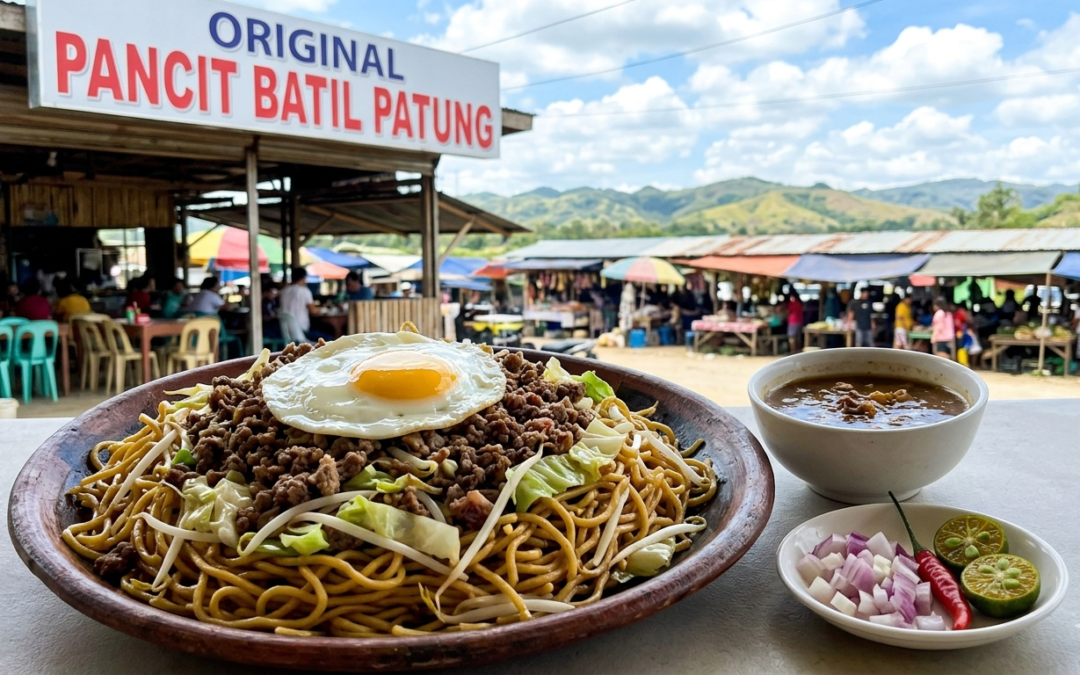
Pancit Batil Patung: An Educational Overview of a Filipino Noodle Dish
A neutral look at its ingredients, nutritional components, and meal context
Pancit Batil Patung is a traditional noodle dish commonly associated with Tuguegarao City in the northern Philippines. It is known for its combination of egg noodles, meat toppings, and a distinctive sauce. This article provides an educational overview of its typical ingredients, nutritional components, and how it may fit into general dietary considerations, in line with guidance from the Department of Health Philippines and food labeling standards from the Food and Drug Administration Philippines.
Key Ingredients and Components
Pancit Batil Patung typically includes:
- Egg noodles: A source of carbohydrates
- Ground or shredded meat (commonly beef or carabao): Provides protein and fat
- Egg (often cooked as an omelet and placed on top): Adds protein and fat
- Vegetables (such as onions or bean sprouts): Contribute fiber and micronutrients
- Soy-based sauce or broth: Adds flavor and sodium
The term “batil patung” refers to the act of placing a beaten egg over the noodles.
Nutritional Components (General Overview)
This dish contains a mix of macronutrients:
- Carbohydrates from noodles, contributing to energy intake
- Protein from meat and eggs, associated with tissue maintenance
- Fats from cooking oil, meat, and eggs
- Sodium from sauces and seasonings
The exact nutritional values vary depending on preparation methods, portion sizes, and ingredient choices.
Role in a Balanced Diet
Traditional dishes like Pancit Batil Patung can be part of a varied eating pattern when considered alongside other food groups. In general dietary planning:
- Pairing with additional vegetables or fruits may increase fiber intake
- Portion size may influence overall nutrient intake
- Frequency of consumption can be adjusted based on individual dietary patterns
Balanced diets typically include a range of foods rather than relying on a single dish.
Food Safety and Consumer Awareness
Under Philippine food safety and consumer protection principles:
- Ingredients should be handled and cooked according to safe food preparation practices
- Packaged or commercially prepared versions should follow labeling standards regulated by the Department of Trade and Industry Philippines
- Consumers are encouraged to review ingredient information when available
Cultural and Dietary Considerations
In nutrition science and cultural studies, traditional foods are often valued for their cultural significance and culinary diversity. Dietary patterns vary widely among individuals, and no single dish defines overall nutrition quality.
For individualized dietary planning, licensed nutrition professionals may provide guidance based on specific needs and conditions.
FAQs
What is Pancit Batil Patung?
It is a Filipino noodle dish from Tuguegarao that typically includes egg noodles, meat, egg topping, and savory sauce.
What nutrients does it contain?
It generally provides carbohydrates, protein, fats, and varying amounts of sodium depending on preparation.
Can it be included in a balanced diet?
It may be included as part of a varied diet when combined with other food groups and appropriate portion considerations.
Trusted Sources
- Department of Health Philippines — General nutrition guidance
- Food and Drug Administration Philippines — Food safety and labeling
- Department of Trade and Industry Philippines — Consumer protection standards
- Academic and peer-reviewed nutrition and food science publications
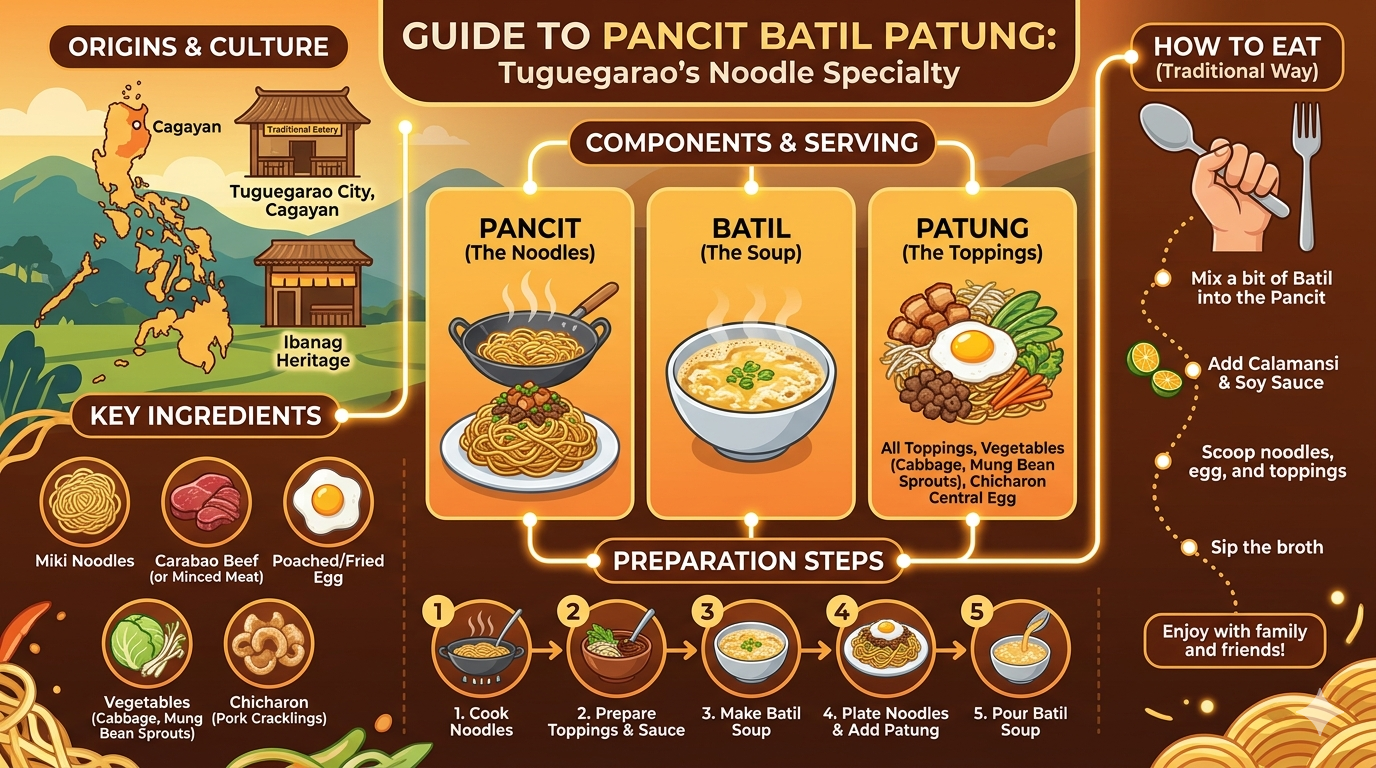
Visual breakdown of ingredients commonly found in Pancit Batil Patung.
Disclaimer
This article is for general informational and educational purposes only. It does not constitute professional medical, nutrition, or dietary advice. References to foods or dietary practices do not imply endorsement or guarantee of health outcomes. Readers are encouraged to consult licensed nutritionists, dietitians, or medical professionals for personalized guidance.
by villarramil028 | Mar 25, 2026 | Cultural Food Heritage
Tapey (Rice Wine): Educational Overview of Composition and Dietary Context
A Neutral Explanation of Traditional Fermented Rice Beverage and Nutrition Considerations
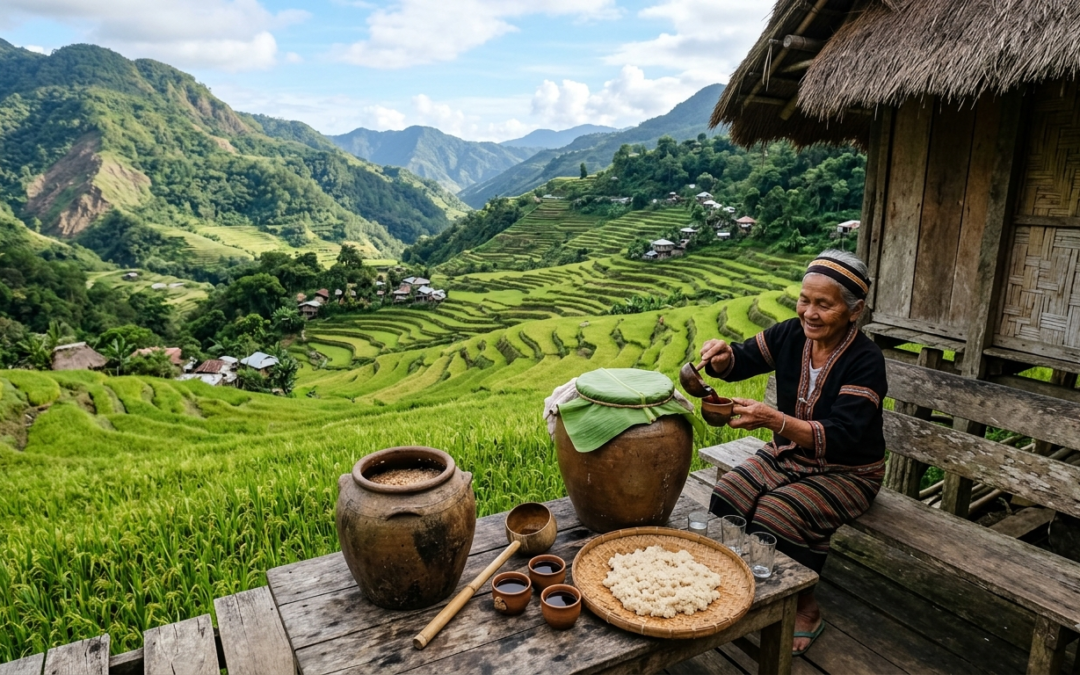
Tapey, also spelled tapuy or tapai, is a traditional fermented rice beverage commonly prepared in parts of Southeast Asia, including the Philippines. In general, it is produced through the fermentation of glutinous rice using naturally occurring microorganisms. In the Philippine context, food safety and labeling considerations for fermented beverages fall under oversight from agencies such as the Food and Drug Administration. This article therefore explains how tapey is made, its general composition, and relevant nutrition and consumer awareness considerations.
What Is Tapey?
Tapey is created by fermenting cooked rice with a starter culture, often referred to as bubod in the Philippines. Specifically, this starter contains yeast and molds that break down rice starches into sugars and, subsequently, into alcohol and other compounds.
Typically, the fermentation process involves:
- Cooking and cooling glutinous rice
- Adding the fermentation starter
- Allowing the mixture to ferment over several days
As a result, the final product may vary in texture and flavor depending on preparation methods and fermentation duration.
Nutritional Composition
Tapey contains a mixture of components formed during fermentation. For example:
- Carbohydrates: Residual sugars from rice
- Alcohol (ethanol): Produced during fermentation
- Small amounts of vitamins and organic acids: Byproducts of microbial activity
However, the exact composition can vary widely depending on ingredients, fermentation time, and storage conditions.
Fermentation and Food Science Context
In food science, fermentation is a process where microorganisms convert carbohydrates into alcohol or acids. Similarly, this process is also used in other foods such as yogurt, vinegar, and bread.
In the case of tapey:
- Yeasts convert sugars into alcohol
- Molds help break down complex starches into simpler sugars
Consequently, this transformation influences taste, aroma, and texture.
Consumer Awareness and Safety Considerations
When consuming traditionally prepared or commercially available tapey, several general considerations may apply. For instance:
- Alcohol Content Awareness: Tapey contains alcohol due to fermentation
- Storage Conditions: Improper storage may affect quality and safety
- Labeling (for packaged products): Should include ingredients and manufacturer details in line with regulatory guidance
In addition, under Philippine consumer protection frameworks, including the Consumer Act (RA 7394), food products should not carry misleading claims about health or effects.
Cultural and Dietary Role
Tapey is often associated with cultural practices and traditional food preparation. From a nutrition perspective, fermented foods are studied for their biochemical changes during processing rather than as primary nutrient sources.
At the same time, dietary inclusion of fermented beverages varies depending on individual preferences, cultural practices, and dietary considerations. Therefore, nutritional effects may differ between individuals.
FAQs
What is tapey made from?
Tapey is made from glutinous rice fermented with a starter culture containing yeast and molds.
Does tapey contain alcohol?
Yes. Alcohol is produced naturally during the fermentation process.
Is tapey considered a nutrient-rich food?
Tapey contains some nutrients and fermentation byproducts; however, its composition varies and it is not typically classified as a primary nutrient source.
Trusted Sources
- Food and Drug Administration — Food safety and labeling guidance
- Department of Health — General nutrition advisories
- World Health Organization — Food safety and fermentation references
- Academic journals on food science and fermentation
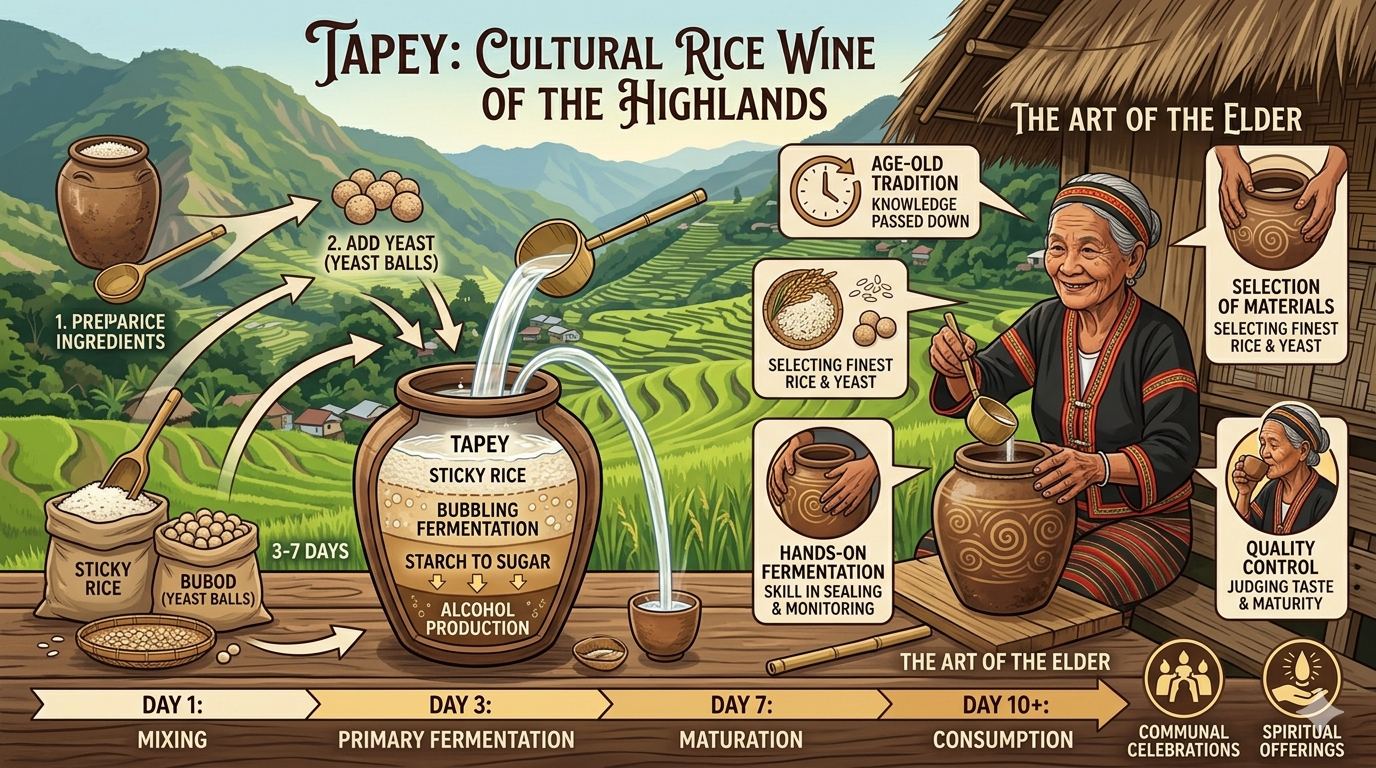
Process flow of tapey rice wine fermentation from rice preparation to final product
Disclaimer
This article is for general informational and educational purposes only. It does not constitute professional medical, nutrition, or dietary advice. References to foods or beverages do not imply endorsement or guarantee of health outcomes. Readers are encouraged to consult licensed nutritionists, dietitians, or medical professionals for personalized guidance.
by Roland Diaz | Feb 18, 2026 | Cultural Food Heritage
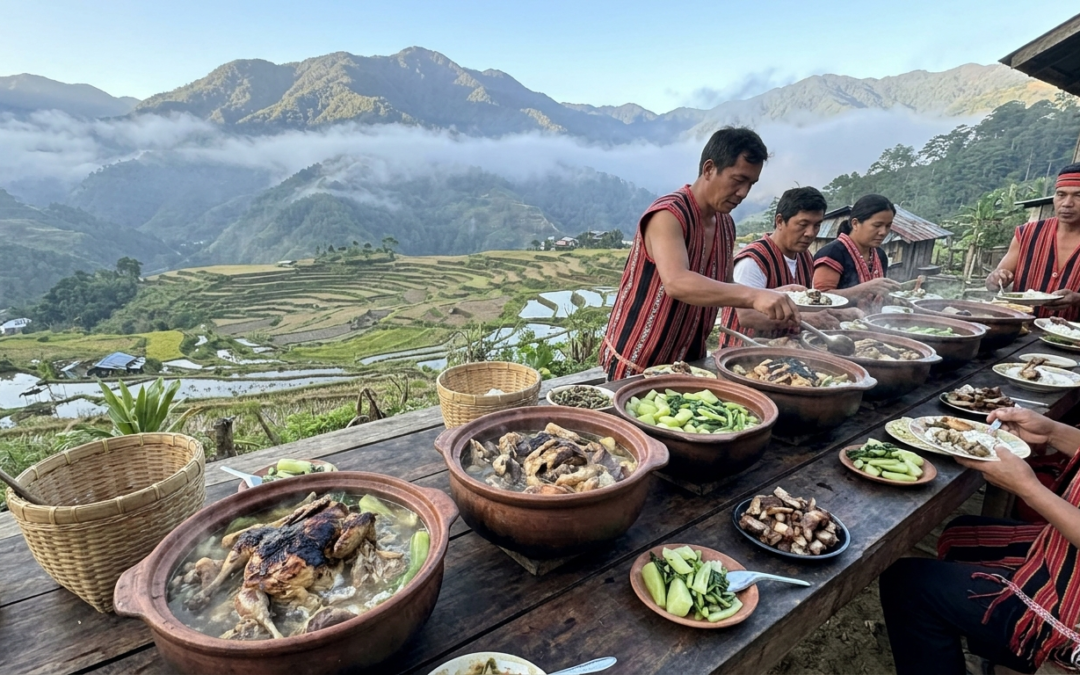
Pinikpikan: A Cultural and Nutritional Overview
Traditional Preparation and Dietary Context in the Philippines
This article presents an educational overview of pinikpikan, a traditional Filipino dish from the Cordillera region. It outlines its cultural background, explains common preparation methods, and describes general nutritional components. In addition, it references food practices and safety awareness aligned with Philippine agencies such as the Department of Health (DOH) and Food and Drug Administration (FDA).
What Is Pinikpikan?
Pinikpikan originates from indigenous communities in the Cordillera region of Northern Philippines. It represents a traditional chicken dish often linked to cultural rituals and community gatherings.
Typically, people prepare the dish using minimal seasoning. For example, common ingredients include:
- Native chicken
- Ginger
- Salt
- Optional leafy vegetables
After preparation, cooks usually boil the chicken as part of the cooking process. As a result, the dish retains simple and traditional characteristics.
Cultural Context
Pinikpikan reflects indigenous practices, particularly among Igorot communities. Moreover, communities often include ritual elements that connect the dish to cultural beliefs and traditions.
Because of its cultural significance, preparation methods may differ across communities and occasions. Therefore, variations can reflect local customs and preferences.
Nutritional Components
From a general nutrition perspective, pinikpikan contains several components:
- Protein: Chicken provides protein used in body structure
- Fats: Poultry naturally contains fats
- Micronutrients: Meat includes iron and B vitamins
- Phytonutrients: Ginger and vegetables contribute plant-based compounds
However, nutrient composition varies depending on portion size, ingredient selection, and cooking methods.
Food Safety and Preparation Considerations
Under Philippine food safety and animal welfare standards, preparation practices require attention. For instance:
- Proper handling and cooking of poultry reduce foodborne risks
- Thorough cooking remains a standard safety practice
- Awareness of local regulations and humane treatment guidelines influences modern preparation methods
Over time, food preparation practices may change to align with public health standards and regulatory guidance.
Hypothetical Serving Context
Pinikpikan may appear as part of a meal that includes:
- Rice or other grains
- Vegetables such as leafy greens
- Water or non-sweetened beverages
Together, these components illustrate general dietary variety principles.
Context
In nutrition and cultural food studies, researchers examine traditional dishes like pinikpikan in terms of cultural heritage and nutritional composition. At the same time, balanced diets typically include a range of foods from different groups.
Under Philippine consumer protection and food safety regulations, authorities emphasize proper food handling and preparation. Meanwhile, individual dietary needs and cultural practices may differ.
For personalized dietary considerations, consultation with licensed nutrition or healthcare professionals remains appropriate.
FAQs
What is pinikpikan made of?
Pinikpikan uses chicken, ginger, salt, and sometimes vegetables. Preparation methods differ based on cultural practices.
Is pinikpikan part of Filipino cuisine?
Yes, pinikpikan forms part of indigenous Filipino culinary traditions, particularly in the Cordillera region.
Does pinikpikan contain protein?
Yes, chicken serves as a source of protein along with other nutrients found in poultry.
Trusted Sources
- Department of Health (Philippines) – Food safety and nutrition advisories
- Food and Drug Administration (Philippines) – Food handling and labeling guidance
- National Commission for Culture and the Arts (Philippines) – Indigenous food traditions
- Academic journals on Filipino food culture and nutrition
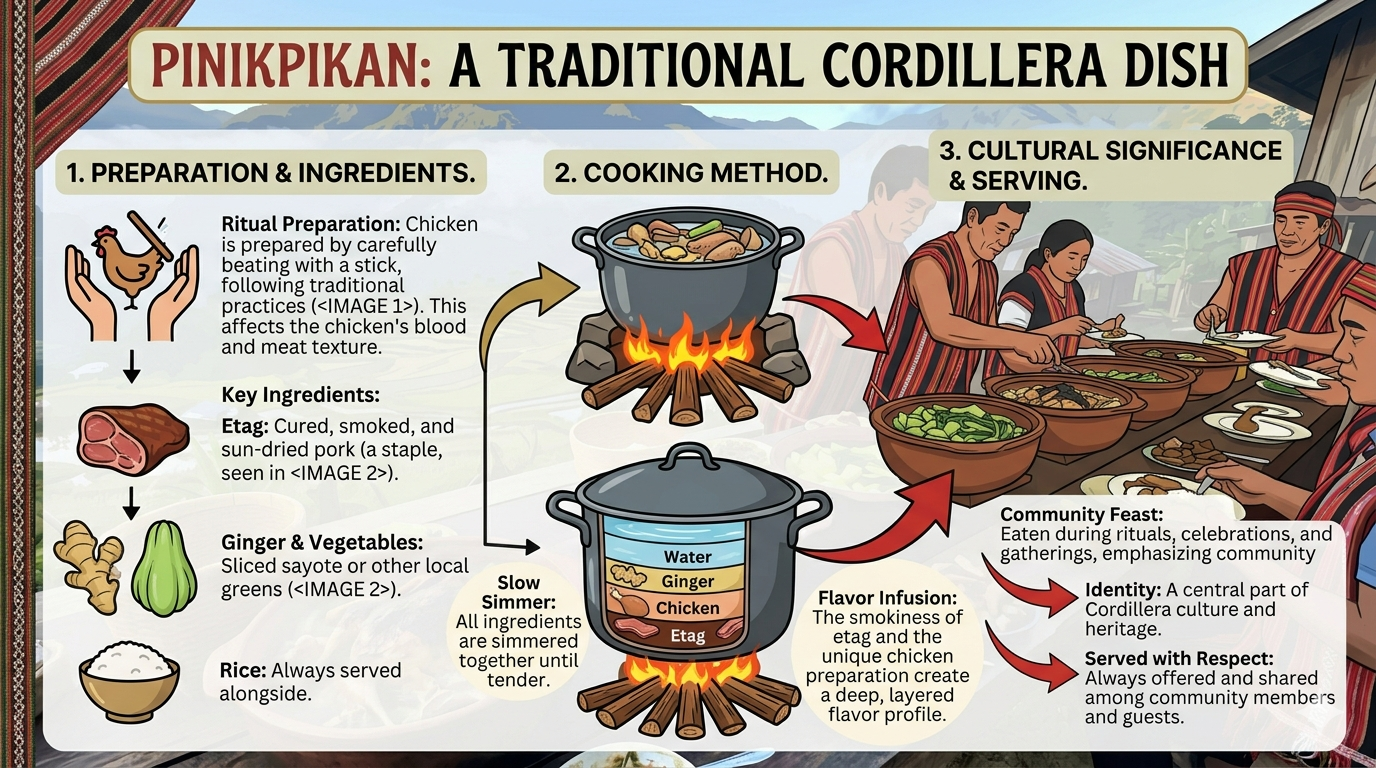
Visual layout of ingredients and preparation elements associated with pinikpikan.
Disclaimer
This article is for general informational and educational purposes only. It does not constitute professional medical, nutrition, or dietary advice. References to diets, foods, or supplements do not imply endorsement or guarantee of health outcomes. Readers are encouraged to consult licensed nutritionists, dietitians, or medical professionals for personalized guidance.
by Roland Diaz | Feb 18, 2026 | Cultural Food Heritage
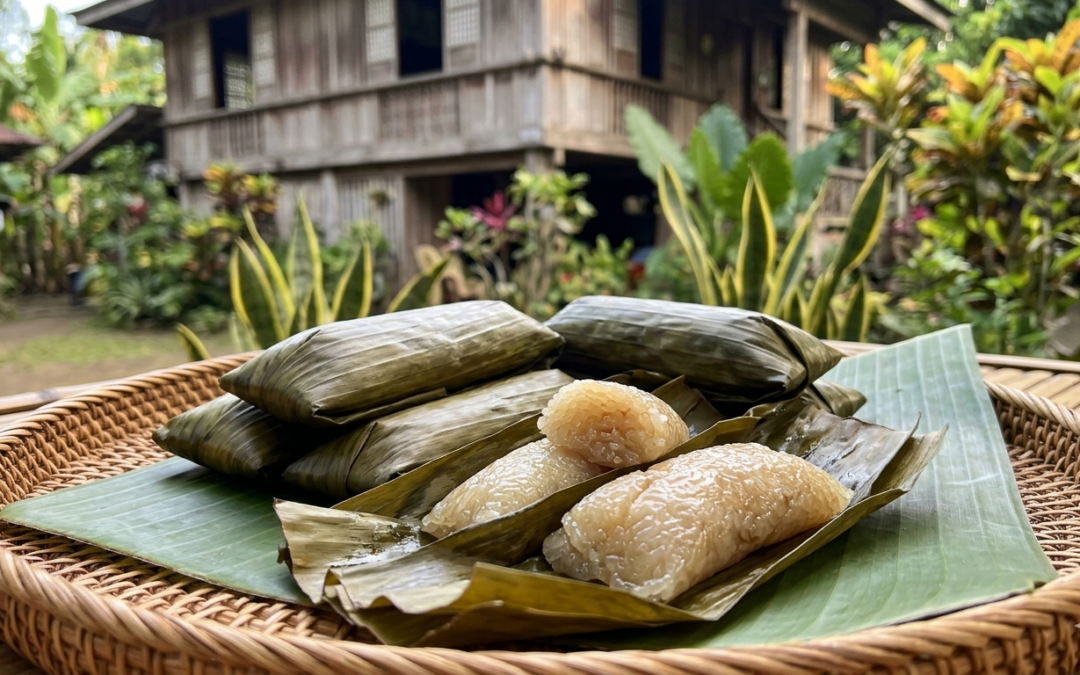
Inatata (Sticky Rice Delicacy): An Educational Overview of Ingredients and Nutritional Composition
A Neutral Look at a Traditional Rice-Based Food and Its Dietary Context
Inatata is a traditional Filipino sticky rice delicacy commonly prepared using glutinous rice and coconut-based ingredients. Like many local rice-based foods, it is part of regional culinary practices and is typically consumed as a snack or dessert. This article provides a neutral, educational overview of its ingredients, preparation context, and general nutritional characteristics, in line with food and nutrition guidance standards observed by Philippine authorities such as the Department of Health (DOH) and the Food and Drug Administration (FDA).
What Is Inatata?
Inatata is a rice-based delicacy made primarily from glutinous rice (malagkit). It is often cooked with coconut milk (gata) and may include sugar for flavor. The mixture is typically wrapped in leaves (such as banana leaves) and steamed or boiled, giving it a soft and sticky texture.
This delicacy is commonly found in certain regions of the Philippines and may be prepared during local gatherings or as part of everyday food offerings.
Key Ingredients and Their Nutritional Roles
- Glutinous Rice
A source of carbohydrates, which provide energy. Compared to regular rice, glutinous rice has a stickier texture due to its starch composition.
- Coconut Milk (Gata)
Contains fats, including saturated fats, and contributes to the texture and flavor of the dish.
- Sugar (optional or variable)
Adds sweetness and contributes additional carbohydrates.
- Banana Leaves (for wrapping)
Used for cooking and presentation; not consumed but may influence aroma.
Food Group Classification
Inatata can be generally categorized as:
- Energy-dense food due to its carbohydrate and fat content
- Primarily part of the “Go” food group (energy-giving), based on Philippine nutrition models
It is typically consumed in small portions as a snack or dessert rather than as a main meal component.
Hypothetical Nutritional Profile
A typical serving of a sticky rice delicacy like Inatata may include:
- Carbohydrates from rice and sugar
- Fats from coconut milk
- Minimal protein unless additional ingredients are included
Exact nutritional values vary depending on preparation methods, ingredient proportions, and serving size.
Consumption Context and Portion Awareness
Rice-based delicacies such as Inatata are part of traditional food culture. When included in a daily diet, they are often balanced with other food groups such as vegetables, protein sources, and fruits.
Portion size and frequency of consumption may influence overall dietary patterns, especially when foods are higher in sugar or fat.
Food Safety and Label Awareness
When Inatata is sold as a packaged product, Philippine regulations may require:
- Clear ingredient labeling
- Expiration or best-before dates
- Manufacturer or seller identification
Consumers may refer to labeling information to understand ingredient composition and storage guidelines.
Context
In nutrition science, traditional foods are evaluated based on their ingredient composition and role within an overall dietary pattern. Sticky rice-based foods are widely consumed in many cultures and are typically considered energy sources.
Under Philippine food safety and consumer protection standards, agencies such as the DOH and FDA provide general guidance on safe food handling and accurate labeling, particularly for commercially distributed products.
Dietary needs and responses to food intake vary across individuals. For personalized dietary planning, consultation with licensed nutrition professionals is recommended.
FAQs
What type of food is Inatata?
Inatata is a traditional Filipino sticky rice delicacy made mainly from glutinous rice and coconut milk. It is commonly eaten as a snack or dessert.
Is Inatata considered a carbohydrate-rich food?
Yes, since it is made primarily from glutinous rice, it is generally a source of carbohydrates.
Does Inatata contain fat?
It may contain fat due to the use of coconut milk, which contributes to its texture and flavor.
Trusted Sources
- Department of Health (DOH) Philippines – Nutrition and Food Guides
- Food and Drug Administration (FDA) Philippines – Food Labeling and Safety
- Food and Nutrition Research Institute (FNRI-DOST) – Philippine Food Composition Tables
- World Health Organization (WHO) – Healthy Diet Guidelines
- Peer-reviewed journals on food science and traditional diets
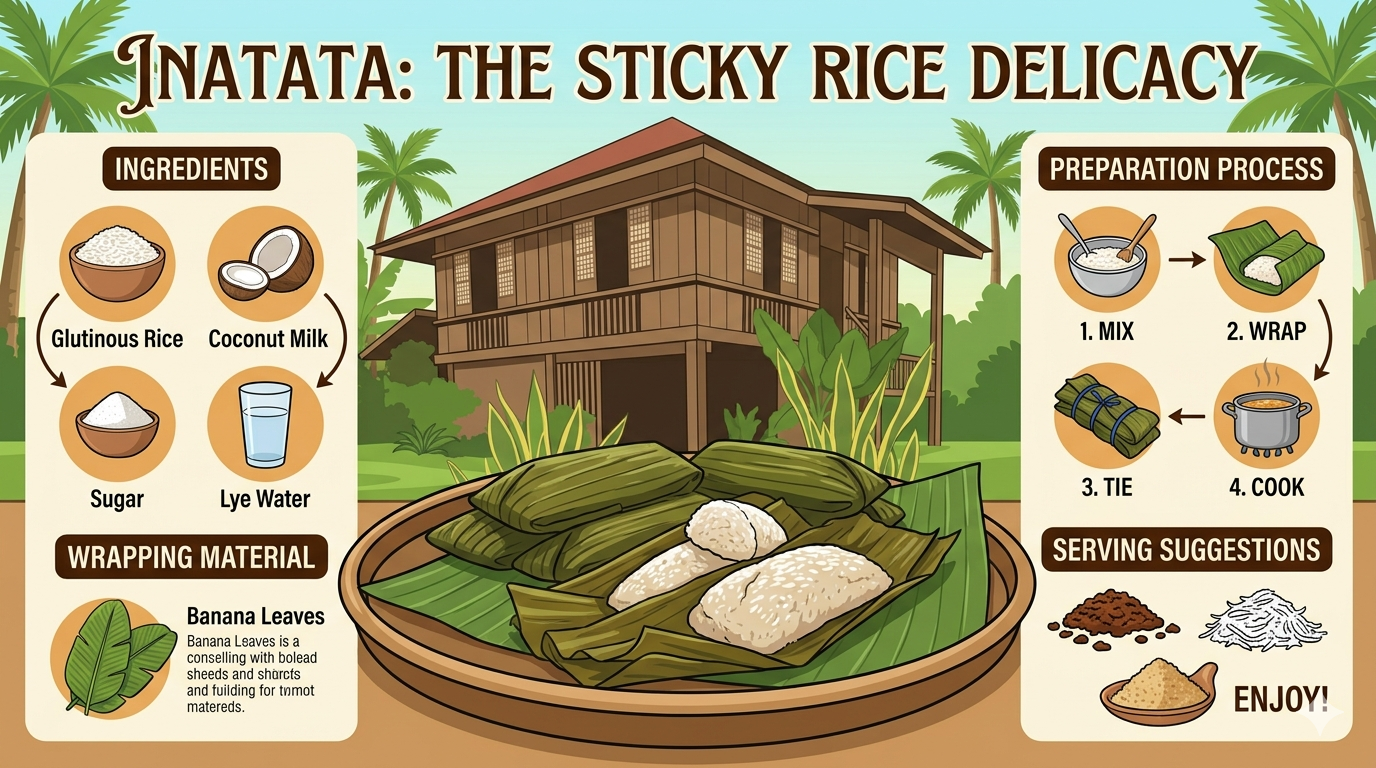
Ingredient and composition layout of a sticky rice delicacy
Disclaimer
This article is for general informational and educational purposes only. It does not constitute professional medical, nutrition, or dietary advice. References to foods or dietary practices do not imply endorsement or guarantee of health outcomes. Readers are encouraged to consult licensed nutritionists, dietitians, or medical professionals for personalized guidance.

