Understanding Sisig (Kapampangan Sisig): A Nutritional Overview
A Neutral Look at Ingredients, Preparation, and Dietary Considerations
Sisig is a traditional Filipino dish that originated in the province of Pampanga. Commonly known as Kapampangan sisig, it is widely recognized for its distinct preparation method and combination of ingredients. This article provides an educational overview of sisig’s components, nutritional aspects, and general dietary considerations within the context of Philippine food culture and consumer awareness standards supported by the Department of Health and the Food and Drug Administration.
Food Composition and Ingredients
Traditional sisig typically includes:
- Finely chopped pork (often parts such as face or ears)
- Onions and chili peppers
- Calamansi juice for acidity
- Seasonings such as salt and pepper
Some variations may include egg, mayonnaise, or chicken liver. Preparation methods can involve boiling, grilling, and sautéing.
Macronutrient Profile
The nutritional content of sisig can vary depending on preparation and portion size. In general:
- Protein: Derived mainly from pork or other meat ingredients
- Fat: Can be relatively high due to the use of pork cuts and added fats
- Carbohydrates: Typically low, unless served with rice or other sides
Because of these characteristics, sisig is often considered an energy-dense dish.
Portion and Meal Context
Sisig is commonly consumed as part of a shared meal and is often paired with rice or other dishes. In meal planning contexts:
- It may be combined with vegetables to increase dietary variety
- Portion awareness may be considered when including energy-dense foods
- Frequency of consumption can vary based on individual dietary patterns
Food Safety and Preparation Considerations
Proper food handling and preparation are important for dishes like sisig:
- Meat should be cooked thoroughly
- Ingredients should be handled under hygienic conditions
- Storage and reheating practices should follow food safety guidance
These practices align with general food safety recommendations under Philippine regulations.
Cultural and Dietary Perspective
In nutrition science and cultural studies, traditional dishes such as sisig are often discussed in terms of both cultural significance and nutritional composition. Dietary patterns typically involve a variety of foods rather than reliance on a single dish.
Under consumer protection and labeling standards, prepared food—especially when commercially sold—may also be subject to hygiene and safety regulations enforced by local government units and national agencies.
Individual dietary needs and preferences can differ, and culturally significant foods can be included in a balanced dietary pattern when consumed in appropriate contexts.
FAQs
What is sisig made of?
Sisig is traditionally made from chopped pork parts, onions, chili, and souring agents like calamansi, with variations depending on preparation style.
Is sisig high in protein?
Sisig contains protein from meat ingredients, but the exact amount depends on the recipe and portion size.
How is sisig usually served?
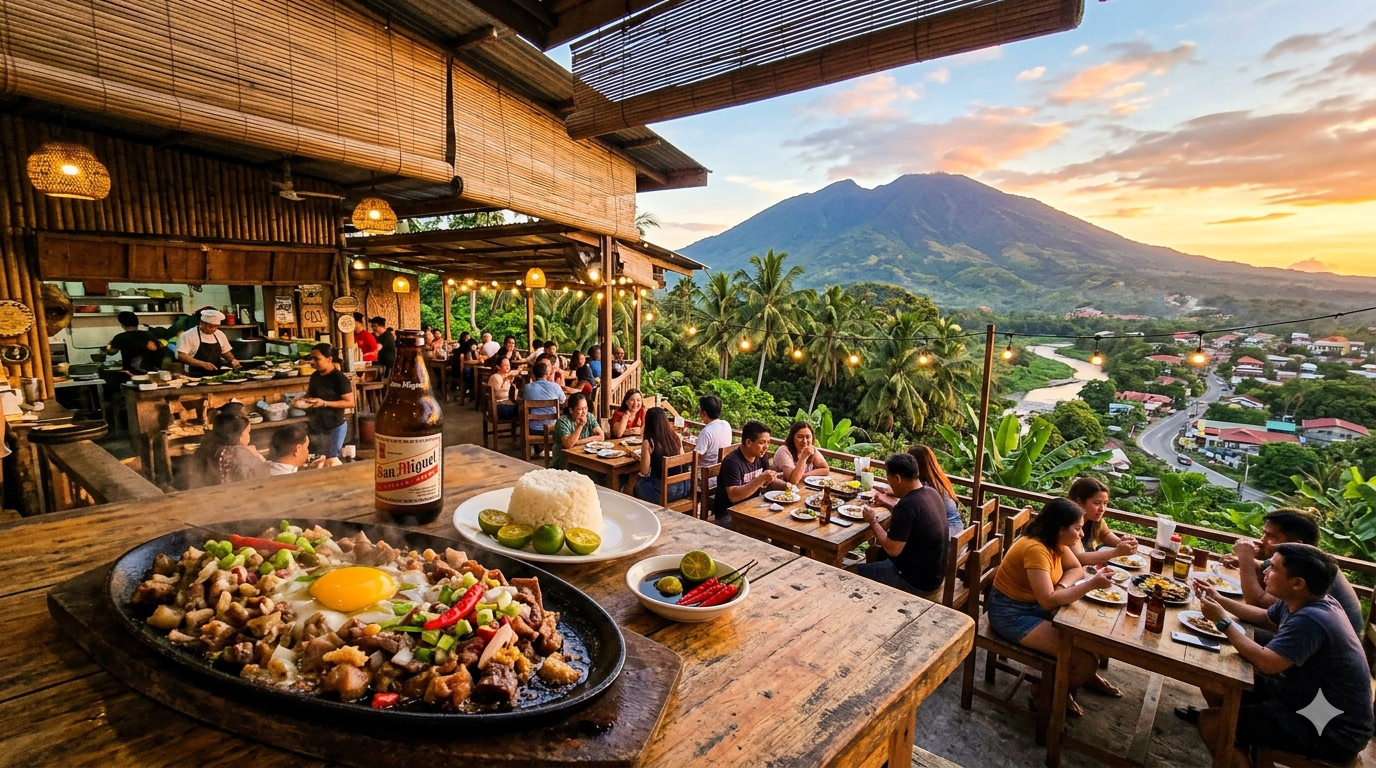
Sisig is often served hot on a sizzling plate and commonly paired with rice as part of a meal.
Trusted Sources
- Department of Health — Food and nutrition guidance
- Food and Drug Administration — Food safety standards
- Academic publications on Filipino cuisine and nutrition
- World Health Organization (WHO) — General nutrition references
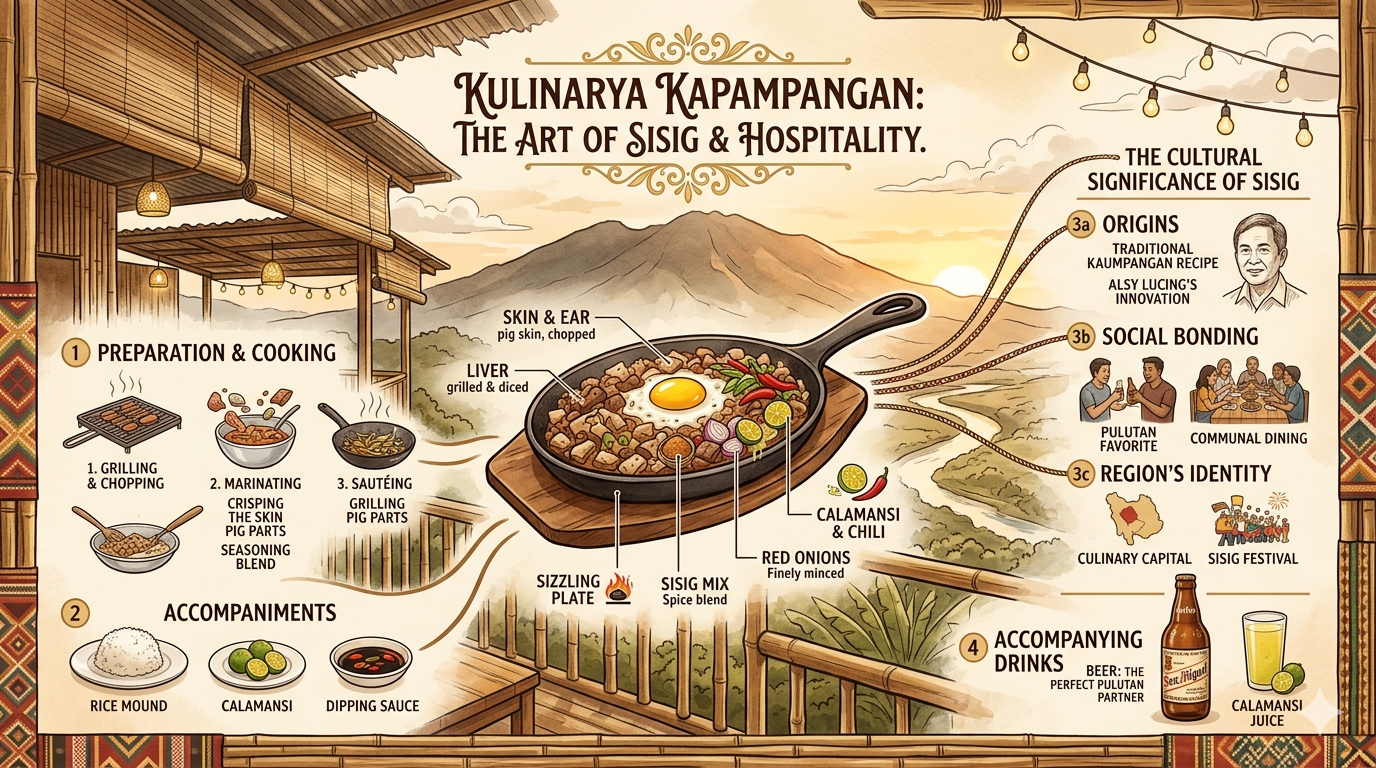
Visual layout presenting ingredients and preparation stages of Kapampangan sisig
Disclaimer
This article is for general informational and educational purposes only. It does not constitute professional medical, nutrition, or dietary advice. References to diets, foods, or supplements do not imply endorsement or guarantee of health outcomes. Readers are encouraged to consult licensed nutritionists, dietitians, or medical professionals for personalized guidance.