by villarramil028 | Mar 25, 2026 | Cultural Food Heritage, Traditional Food
Chicharon Bulacan: An Educational Overview of a Traditional Filipino Food
Understanding its ingredients, preparation, and nutritional considerations
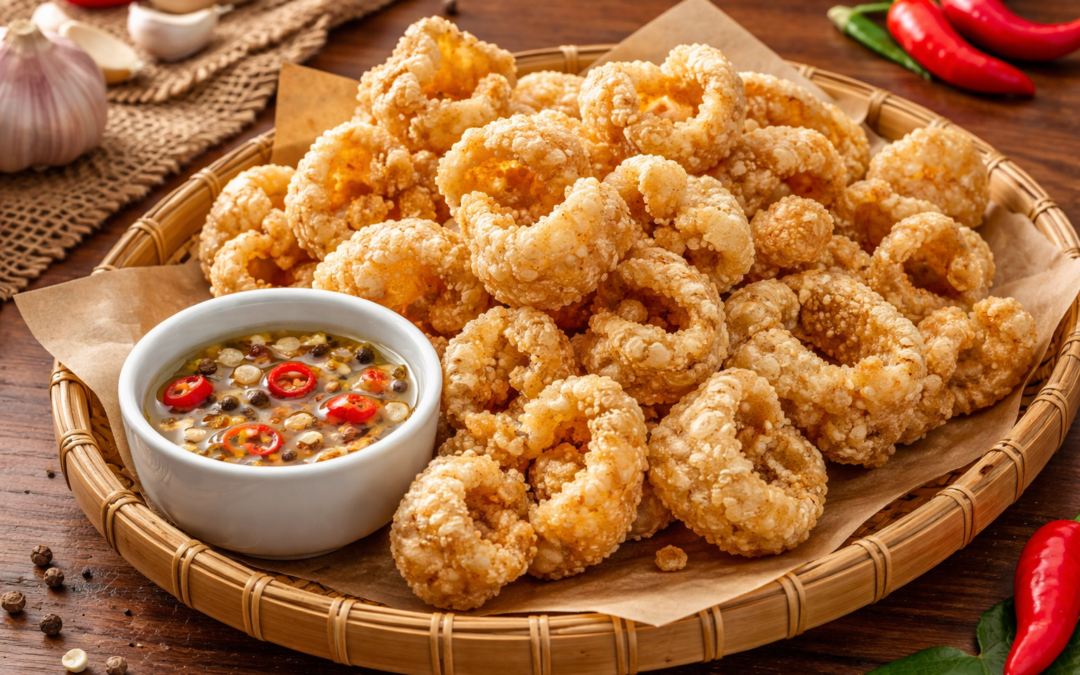
Chicharon Bulacan is a well-known Filipino food product originating from the province of Bulacan. This article provides a neutral, educational overview of its composition, preparation methods, and general nutrition considerations within the context of Philippine food standards and consumer awareness.
What Is Chicharon Bulacan?
Chicharon Bulacan refers to deep-fried pork rinds that are typically seasoned with salt. It is commonly consumed as a snack or paired with dishes such as rice meals or vinegar-based dips.
Traditional preparation involves:
- Cleaning and boiling pork skin
- Drying the skin
- Deep-frying until it becomes crisp
The product is widely available in local markets and packaged forms.
Nutritional Composition
Chicharon is primarily composed of:
- Fat – due to the frying process
- Protein – derived from pork skin
- Sodium – depending on added salt or seasoning
It is considered an energy-dense food, meaning it contains a relatively high number of calories per serving.
Portin and Consumption Context
In general nutrition education, foods that are high in fat and sodium are often consumed in moderation as part of a varied diet. Portion sizes and frequency of intake can vary depending on individual dietary patterns.
Chicharon is typically eaten:
- As an occasional snack
- In small portions alongside meals
- With condiments such as vinegar
No specific intake level applies universally.
Food Safety and Label Awareness
Under Philippine food safety and consumer protection regulations:
- Packaged chicharon products should display ingredient lists and nutrition labels
- Consumers are encouraged to check manufacturing and expiration dates
- Storage conditions (e.g., keeping the product sealed and dry) help maintain quality
For unpackaged or locally sold products, buyers may consider sourcing from vendors that follow proper food handling practices.
Context
In nutrition science discussions, traditional foods like chicharon are part of cultural dietary patterns. Balanced eating typically involves a variety of food groups, including vegetables, fruits, grains, and protein sources.
Individual dietary needs differ, and food choices may be adjusted based on personal preferences, lifestyle, and professional guidance.
FAQs
What is Chicharon Bulacan made of?
It is made primarily from pork skin that is boiled, dried, and deep-fried. Salt or other seasonings may be added.
Is chicharon considered a high-fat food?
Yes. Due to deep-frying, it contains a significant amount of fat compared to many other snack foods.
How is chicharon usually eaten?
It is commonly eaten as a snack or paired with meals, often with vinegar or other dipping sauces.
Trusted Sources
- Department of Health (DOH) Philippines – General nutrition guidance
- Food and Drug Administration (FDA Philippines) – Food safety and labeling regulations
- Food and Nutrition Research Institute (FNRI-DOST) – Philippine food composition data
- World Health Organization (WHO) – Healthy diet resources
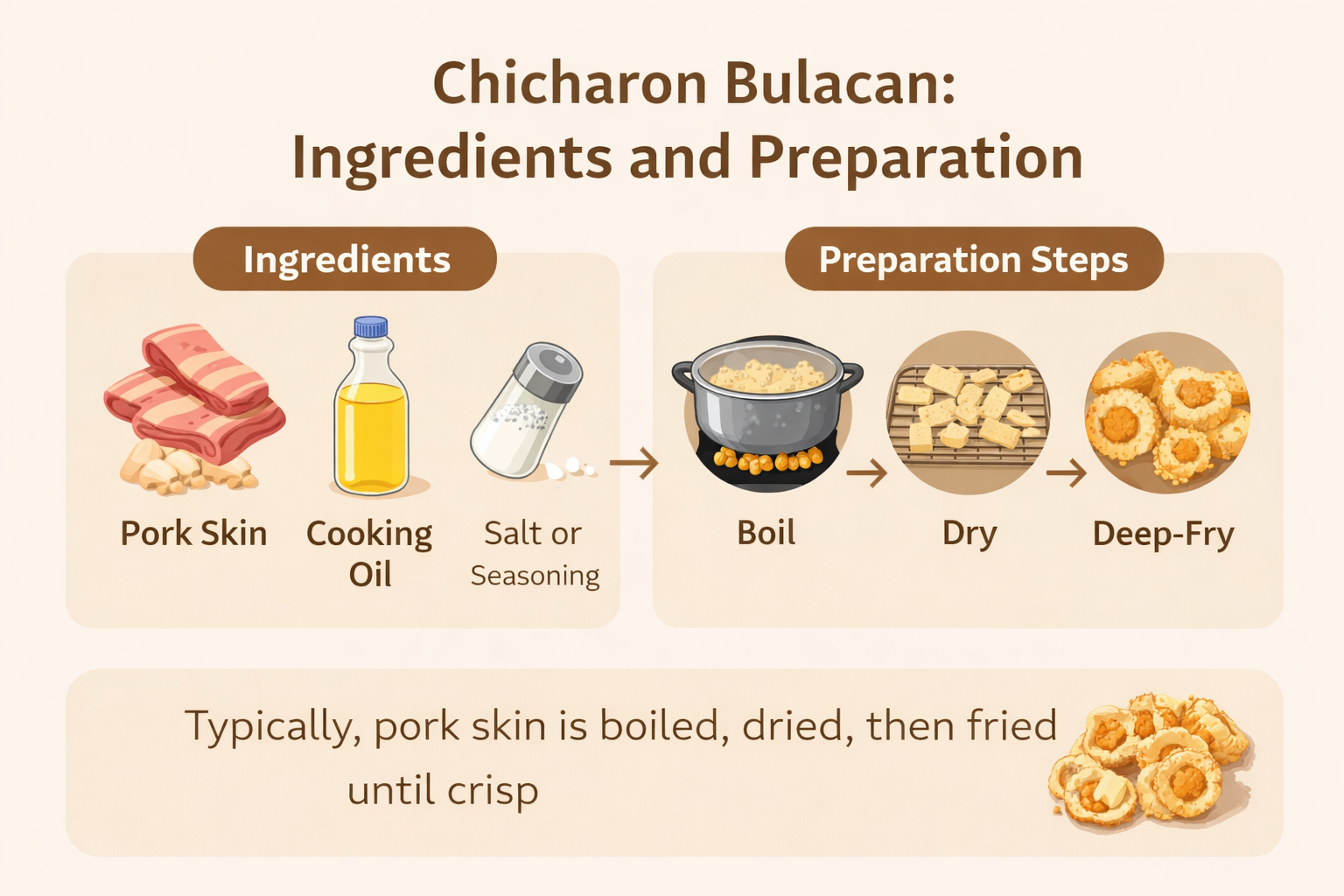
Visual breakdown of ingredients and preparation steps
Disclaimer
This article is for general informational and educational purposes only. It does not constitute professional medical, nutrition, or dietary advice. References to diets, foods, or supplements do not imply endorsement or guarantee of health outcomes. Readers are encouraged to consult licensed nutritionists, dietitians, or medical professionals for personalized guidance.
by Roland Diaz | Feb 18, 2026 | Cultural Food Heritage, Traditional Food
Gamit / Agurong: An Educational Overview of Native Vegetable Dishes
A neutral look at traditional preparations, ingredients, and nutritional context
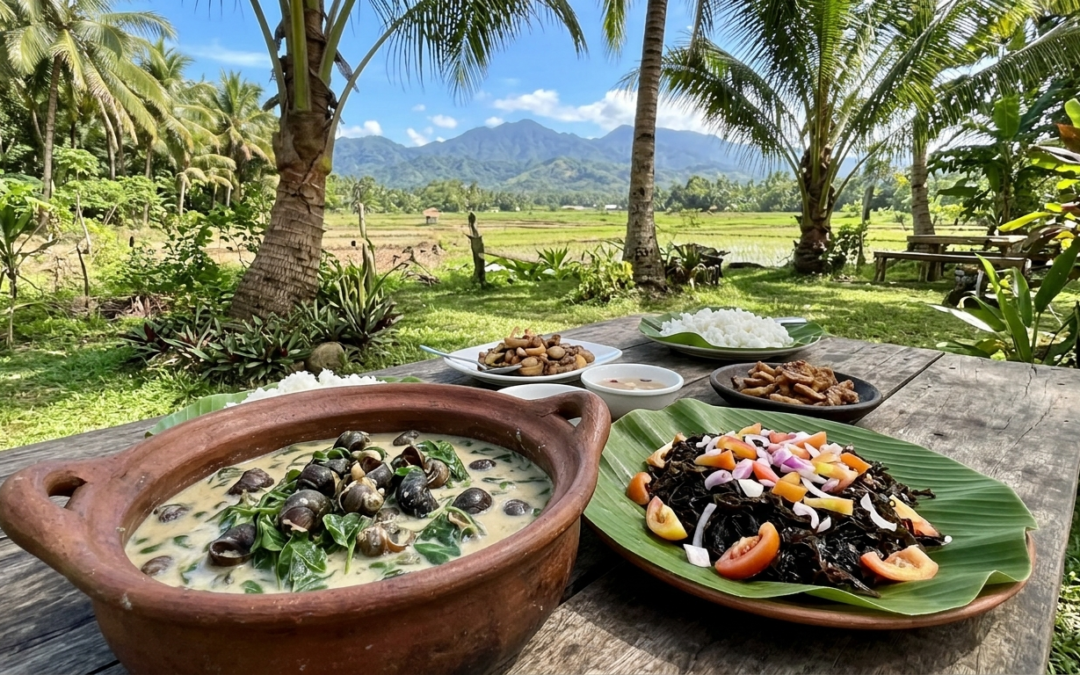
Gamit, also known as agurong in some local communities, refers to traditional vegetable-based dishes prepared in various parts of the Philippines. These dishes commonly use locally available plant ingredients and reflect regional cooking practices. This article presents a general overview of their composition, preparation methods, and nutritional context, aligned with food and nutrition guidance frameworks recognized by agencies such as the Department of Health (DOH) Philippines and Food and Drug Administration (FDA Philippines).
What is Gamit / Agurong?
Gamit or agurong is not a single standardized recipe. It is a category of dishes that typically includes:
- Leafy vegetables
- Root crops or stems
- Local herbs and seasonings
Preparation methods may vary depending on the region, availability of ingredients, and household practices.
Common Ingredients
Native vegetable dishes such as gamit or agurong often include:
- Leafy greens (e.g., alugbati, saluyot, or kangkong)
- Vegetables (e.g., eggplant, squash, okra)
- Aromatics (e.g., garlic, onion, ginger)
- Optional additions: small amounts of fish, shrimp, or fermented products for flavor
Ingredients are usually sourced locally and may change seasonally.
Typical Preparation Methods
Preparation methods are generally simple and may include:
- Boiling or simmering vegetables in water or broth
- Sautéing with garlic and onion
- Stewing with mixed vegetables and light seasoning
Cooking techniques aim to soften vegetables and blend flavors rather than heavily process ingredients.
Nutritional Context
In nutrition science, vegetable-based dishes are commonly associated with:
- Dietary fiber, which contributes to digestive processes
- Vitamins and minerals, depending on the vegetables used
- Low to moderate energy content, depending on preparation
The overall nutritional profile depends on ingredient variety, portion size, and cooking method.
Hypothetical Meal Example
A sample meal including a gamit/agurong-style dish may look like:
- Steamed rice (grain source)
- Mixed vegetable stew (gamit/agurong-style)
- Small portion of fish or legumes (protein source)
- Fresh fruit on the side
This illustrates how traditional vegetable dishes may be part of a balanced meal pattern.
Traditional Diets and Food Practices
In many Philippine communities, native vegetable dishes form part of everyday meals. These dishes often reflect:
- Use of locally available produce
- Seasonal food selection
- Minimal processing techniques
Under food safety and labeling frameworks, fresh produce sold in markets is generally subject to local handling and sanitation standards enforced by local government units and guided by national agencies.
Dietary patterns vary across regions and households. Nutritional intake depends on overall diet composition rather than a single dish.
FAQs
What is gamit or agurong?
It refers to traditional Filipino vegetable dishes that vary by region and typically include locally available plant ingredients.
Are native vegetable dishes part of a balanced diet?
They may contribute vegetables and nutrients as part of a varied diet when combined with other food groups.
How are these dishes usually prepared?
They are commonly boiled, sautéed, or stewed using simple ingredients and seasonings.
Trusted Sources
- Department of Health (DOH) Philippines — General nutrition guidance
- Food and Drug Administration (FDA Philippines) — Food safety and standards
- Philippine Food Composition Tables (FNRI-DOST)
- Academic studies on traditional Filipino diets and food systems
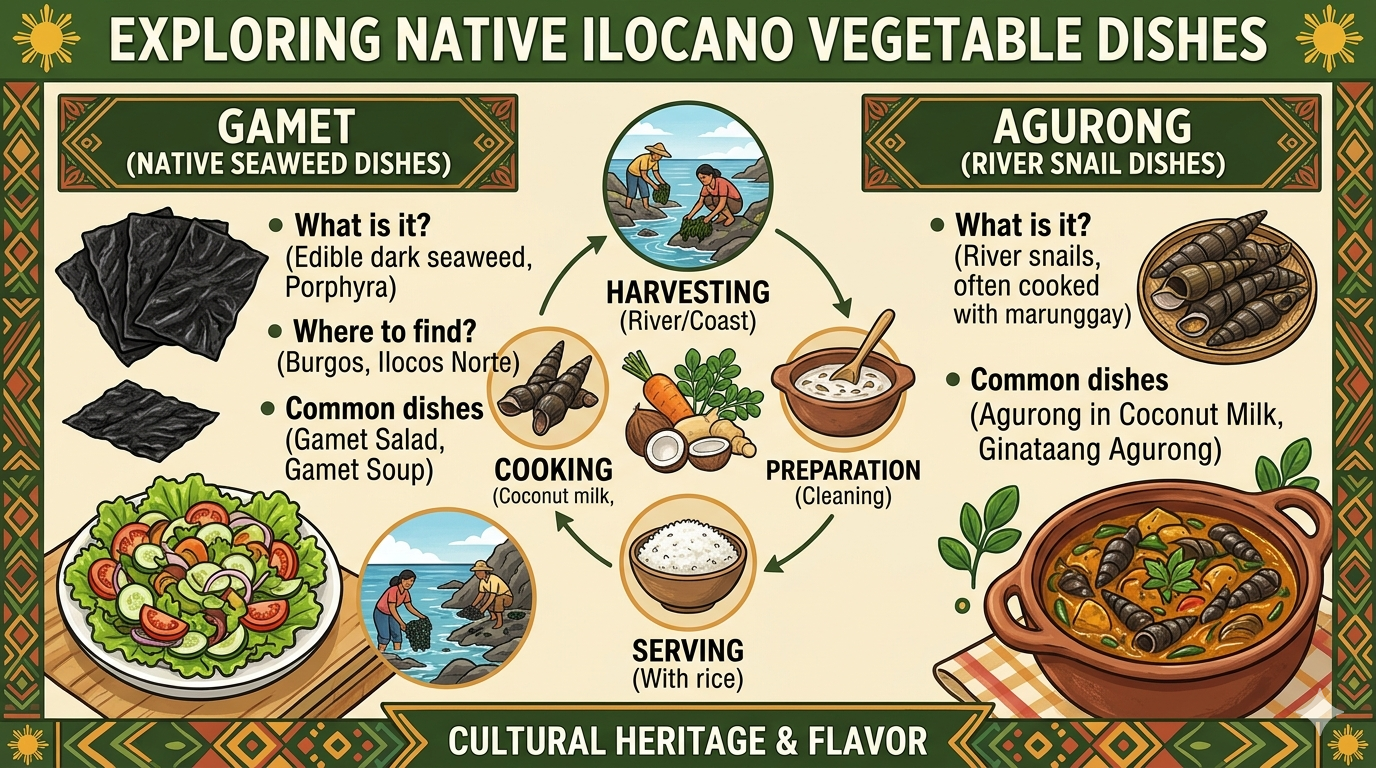
Visual summary of ingredients and preparation methods
Disclaimer
This article is for general informational and educational purposes only. It does not constitute professional medical, nutrition, or dietary advice. References to diets, foods, or supplements do not imply endorsement or guarantee of health outcomes. Readers are encouraged to consult licensed nutritionists, dietitians, or medical professionals for personalized guidance.

