by villarramil028 | Mar 26, 2026 | Cultural Food Heritage, Food & Nutrition Education
Tapa Batangas: Educational Overview of a Traditional Filipino Food
A neutral look at its ingredients, preparation, and nutritional considerations
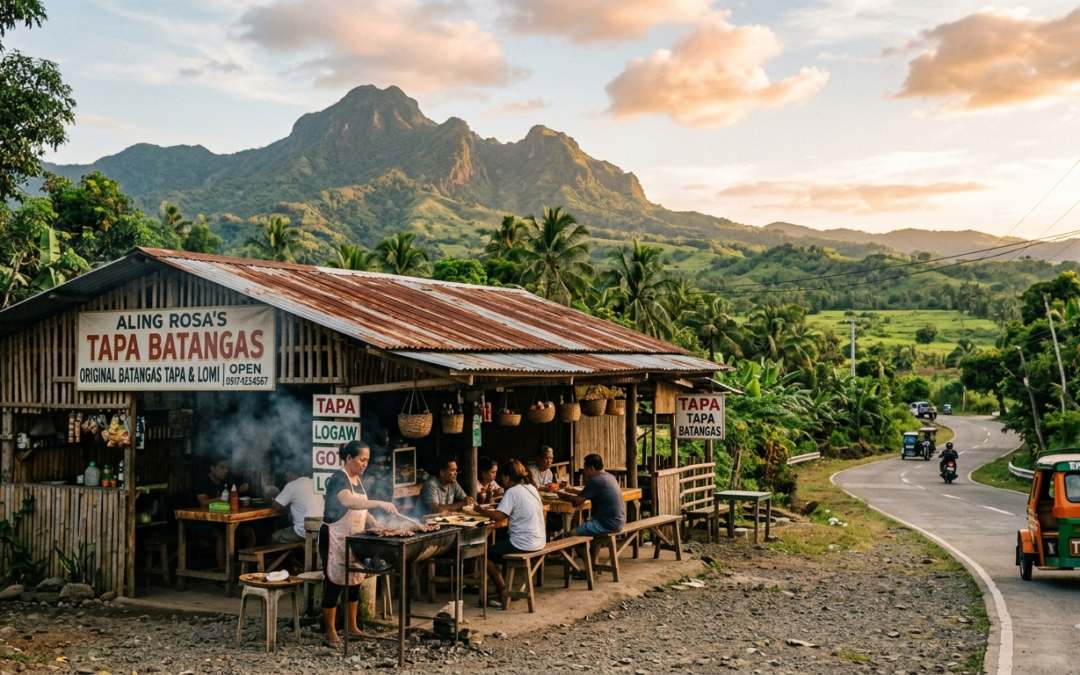
Tapa Batangas is a regional variation of cured meat commonly associated with Batangas. It is part of the broader Filipino “tapa” category, which typically involves thinly sliced meat preserved through curing and drying. This article explains its general characteristics, preparation methods, and basic nutrition considerations in line with Philippine food safety and labeling standards.
What Is Tapa Batangas?
Tapa Batangas is traditionally made from thin slices of beef that are cured using salt and sometimes other ingredients such as garlic. Unlike sweeter versions found in other regions, Batangas-style tapa is often described as having a saltier and more savory profile.
The curing process helps extend shelf life and contributes to the flavor and texture of the meat.
Common Ingredients and Preparation
Typical components include:
- Beef (thinly sliced)
- Salt (primary curing agent)
- Optional ingredients: garlic, pepper, or vinegar (varies by household or producer)
General Preparation Process
- Meat is sliced into thin strips
- Salt and other ingredients are applied
- The meat is left to cure for a period of time
- It may be air-dried or refrigerated
- Cooked by frying before serving
Preparation practices may vary depending on local traditions and food safety handling.
Nutritional Considerations
As a cured meat product, tapa typically contains:
- Protein from beef
- Fat, depending on the cut used
- Sodium, which may be higher due to the curing process
Nutritional content can vary based on preparation methods and portion size. Consumers reviewing packaged tapa products may refer to labels regulated by the Food and Drug Administration Philippines for details such as sodium and fat content.
Common Serving
Tapa Batangas is often served as part of a traditional Filipino meal known as “tapsilog,” which includes:
- Tapa (cured meat)
- Garlic rice
- Fried egg
This combination is commonly consumed during breakfast, though it may also be served at other times.
Food Safety and Consumer Awareness
Under guidance from the Department of Health and local food safety regulations:
- Proper storage (refrigeration or controlled drying) is important for cured meats
- Cooking meat thoroughly before consumption is a standard safety practice
- Packaged products should include labeling such as ingredients and expiration dates
Consumers are encouraged to handle and prepare cured meats following safe food handling practices.
Context
In Philippine food traditions, cured meats like tapa reflect regional methods of preservation developed before modern refrigeration. Variations exist across provinces, each with distinct flavor profiles based on local preferences and available ingredients.
Dietary inclusion of cured meats is typically considered within the broader context of balanced food intake and variety.
FAQs
What makes Tapa Batangas different from other tapa?
It is generally known for a saltier and more savory taste, with less emphasis on sweetness compared to other regional versions.
Is tapa considered processed meat?
Yes. Tapa is classified as a processed or cured meat due to the use of salt and preservation techniques.
Can packaged tapa be checked for nutrition content?
Yes. Nutrition labels regulated by the FDA Philippines provide information such as serving size, sodium, and fat content.
Trusted Sources
- Department of Health – Food safety and nutrition guidance
- Food and Drug Administration Philippines – Food labeling standards
- Academic and food science literature on meat curing and preservation
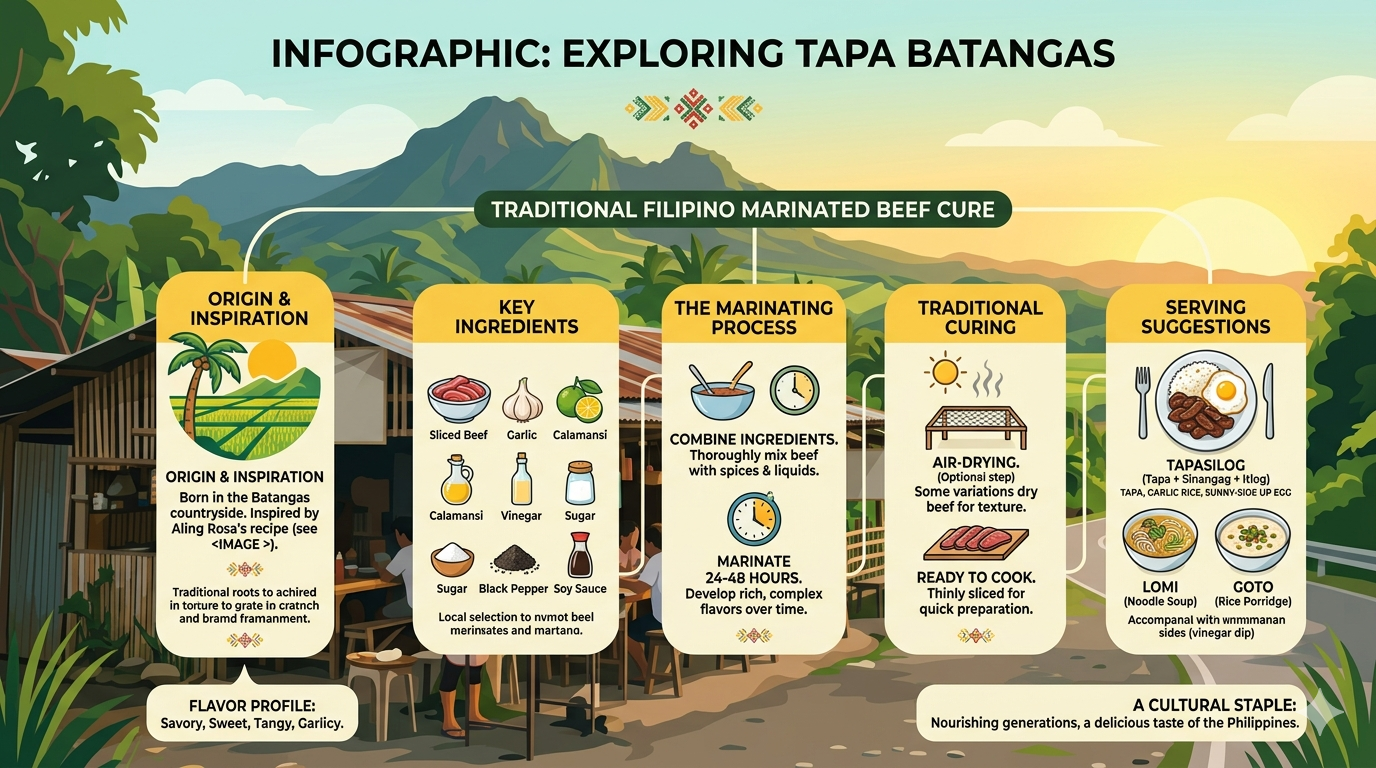
Ingredients and preparation steps of Tapa Batangas
Disclaimer
This article is for general informational and educational purposes only. It does not constitute professional medical, nutrition, or dietary advice. References to foods or preparation methods do not imply endorsement or guarantee of health outcomes. Readers are encouraged to consult licensed nutritionists, dietitians, or medical professionals for personalized guidance.
by villarramil028 | Mar 26, 2026 | Cultural Food Heritage, Food & Nutrition Education
Goto Batangas: An Educational Overview of a Regional Filipino Dish
A neutral description of ingredients, preparation, and food composition
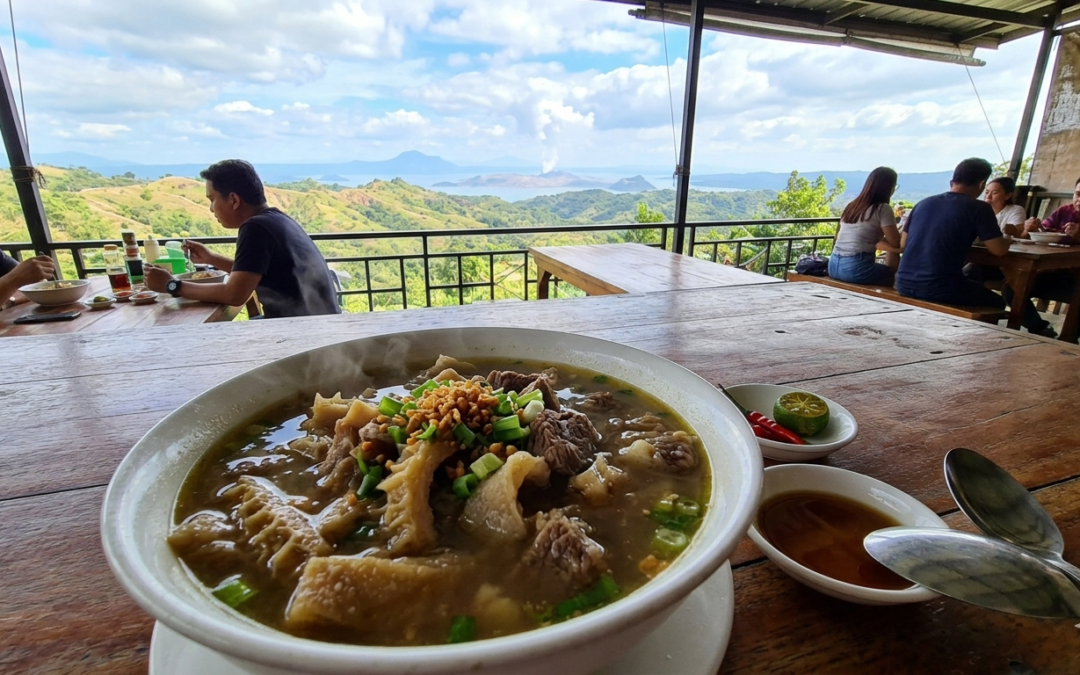
Goto Batangas refers to a style of rice porridge associated with Batangas province in the Philippines. It is commonly prepared using rice, broth, and beef tripe, along with locally used seasonings. This article presents a neutral overview of its ingredients, preparation elements, and general food composition.
Description of the Dish
Goto Batangas is a savory rice porridge dish characterized by:
- Rice base cooked until soft and thick
- Beef tripe (goto) as the primary protein component
- Broth infused with garlic, ginger, and other seasonings
- Optional garnishes such as fried garlic, spring onions, or chili
Preparation styles may vary across households and food establishments.
General Ingredient Components
Rice
Serves as the main carbohydrate base, contributing to the dish’s texture and bulk.
Beef Tripe
Provides protein and is commonly cleaned and simmered before being added to the porridge.
Broth and Seasonings
Typically includes water or stock combined with garlic, ginger, and salt or other flavoring agents.
Garnishes
May include toppings such as:
- Fried garlic
- Green onions
- Chili flakes or sauce
These elements vary depending on preparation preferences.
Food Composition Overview
Goto Batangas generally includes a combination of:
- Carbohydrates from rice
- Protein from beef tripe
- Fats depending on broth and added ingredients
- Minor micronutrients from spices and garnishes
The exact composition depends on ingredient quantities and cooking methods.
Food Safety and Handling Context
Under Philippine food safety frameworks:
- Ingredients should be properly cleaned and cooked
- Meat products such as tripe require thorough preparation
- Food establishments are subject to sanitation standards enforced by local government units (LGUs)
- Packaged ingredients, when used, fall under labeling requirements regulated by the Food and Drug Administration (FDA Philippines)
Contexts
In culinary and nutrition discussions, traditional dishes like Goto Batangas are often described based on their ingredients and preparation techniques rather than standardized formulations. Variations exist depending on region, availability of ingredients, and cooking practices.
Food consumption patterns differ across individuals and contexts, and no single dish defines overall dietary patterns.
FAQs
What is Goto Batangas made of?
It is typically made from rice, beef tripe, broth, and seasonings such as garlic and ginger. Ingredients may vary by preparation.
How is Goto Batangas different from other goto dishes?
It commonly uses beef tripe and may have a thicker consistency compared to other rice porridge variations.
Is Goto Batangas a type of porridge?
Yes. It is a savory rice porridge dish prepared with broth and protein components.
Trusted Sources
- Department of Health (Philippines) — Food and nutrition advisories
- Food and Drug Administration (Philippines) — Food safety and labeling standards
- Local Government Unit (LGU) sanitation and food handling regulations
- Academic references on Filipino cuisine and food science
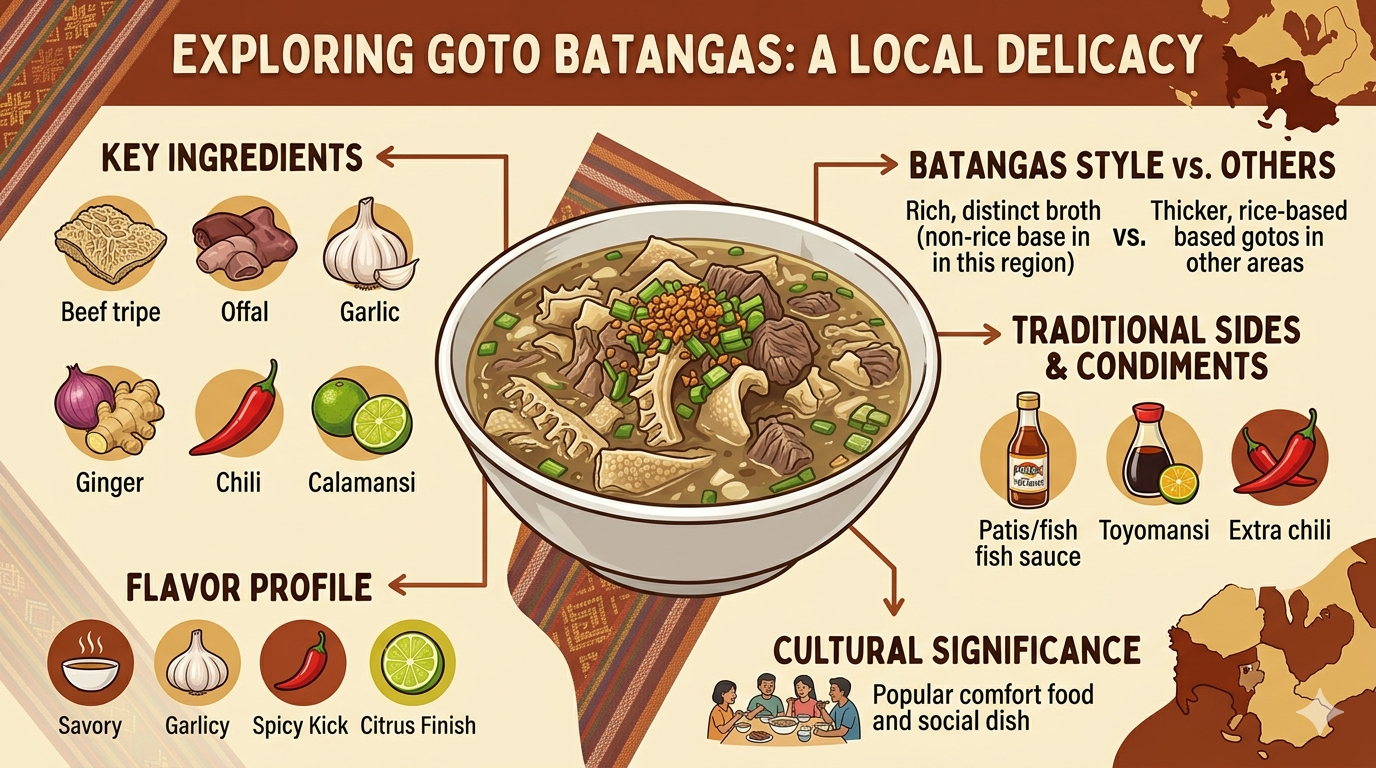
Visual layout of Batangas goto ingredients and preparation elements
Disclaimer
This article is for general informational and educational purposes only. It does not constitute professional medical, nutrition, or dietary advice. References to foods or dietary patterns do not imply endorsement or guarantee of outcomes. Readers are encouraged to consult licensed nutritionists, dietitians, or qualified professionals for personalized guidance.
by villarramil028 | Mar 26, 2026 | Cultural Food Heritage, Food & Nutrition Education
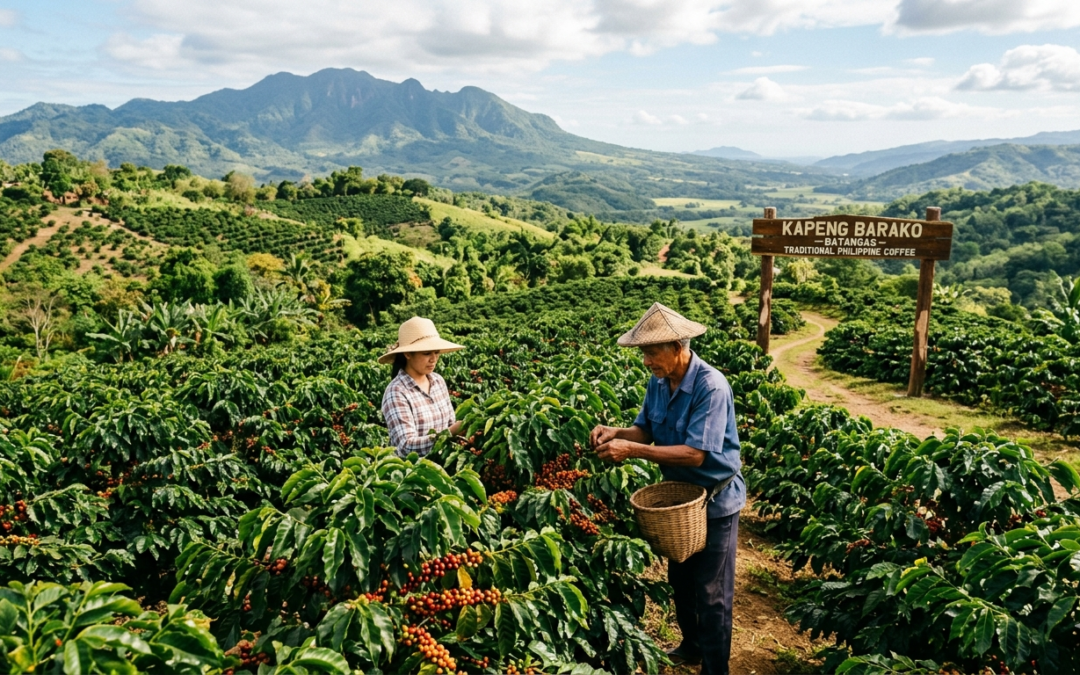
Kapeng Barako: An Educational Overview of a Traditional Philippine Coffee
Understanding its characteristics, preparation, and nutritional context
This article provides an educational overview of Kapeng Barako, a traditional coffee variety commonly associated with certain regions in the Philippines. It discusses its characteristics, preparation methods, and general nutritional considerations within the context of food and beverage awareness. References to food products are presented in alignment with Philippine consumer and food safety standards.
What Is Kapeng Barako?
Kapeng Barako refers to coffee made from Coffea liberica, a species distinct from more widely traded coffee types such as Coffea arabica and Coffea canephora (robusta). It is traditionally grown in provinces such as Batangas and Cavite.
This coffee variety is known for:
- A strong aroma
- A relatively bold and distinct flavor profile
- Larger coffee beans compared to other species
Cultural and Agricultural Context
Kapeng Barako has historical significance in Philippine agriculture and local food culture. It has been cultivated for generations and is often associated with traditional coffee-drinking practices.
In agricultural discussions, it is considered:
- A heritage crop in certain regions
- Part of local farming systems
- A product sometimes linked to regional identity
Preparation Methods
Kapeng Barako may be prepared using common coffee brewing techniques, such as:
- Boiling ground coffee in water (traditional method)
- Drip brewing
- French press
The preparation method can influence flavor intensity and texture, but does not alter the fundamental composition of the coffee itself.
Nutritional Considerations
Plain brewed Kapeng Barako generally contains:
- Minimal calories (when consumed without added sugar or cream)
- Naturally occurring compounds such as caffeine
- Small amounts of antioxidants
Caffeine is a naturally occurring stimulant found in coffee. Its effects may vary depending on individual sensitivity and intake levels.
Labeling and Consumer Awareness
For packaged Kapeng Barako products, consumers may refer to labels for:
- Origin of beans
- Roasting level
- Ingredients (if blended or flavored)
Under Philippine regulations, including those enforced by the Food and Drug Administration (FDA Philippines), food labeling should be accurate and not misleading. Consumers are encouraged to review product details before purchase.
Context
In food science and nutrition discussions, coffee is often evaluated based on its composition, preparation method, and consumption patterns. Kapeng Barako, as a specific coffee variety, is part of broader dietary habits rather than a standalone nutritional solution.
Under Philippine food safety and consumer protection standards, including guidance from the Department of Health (DOH) and FDA Philippines, beverages like coffee should be accurately labeled and safely processed.
Individual responses to caffeinated beverages can vary. Consideration of total dietary intake and personal tolerance is commonly recommended in general nutrition guidance.
FAQs
What makes Kapeng Barako different from other coffee?
Kapeng Barako is made from Coffea liberica, which has larger beans and a distinct aroma compared to arabica or robusta varieties.
Does Kapeng Barako contain caffeine?
Yes, like most coffee types, it naturally contains caffeine. The amount can vary depending on preparation and serving size.
Is Kapeng Barako part of a balanced diet?
Coffee can be included as a beverage within a varied diet. Its role depends on overall consumption patterns and individual preferences.
Trusted Sources
- Department of Health (DOH) Philippines — General Nutrition Guidance
- Food and Drug Administration (FDA Philippines) — Food Labeling Standards
- Food and Agriculture Organization (FAO) — Coffee Production Resources
- Peer-reviewed journals on coffee science and nutrition
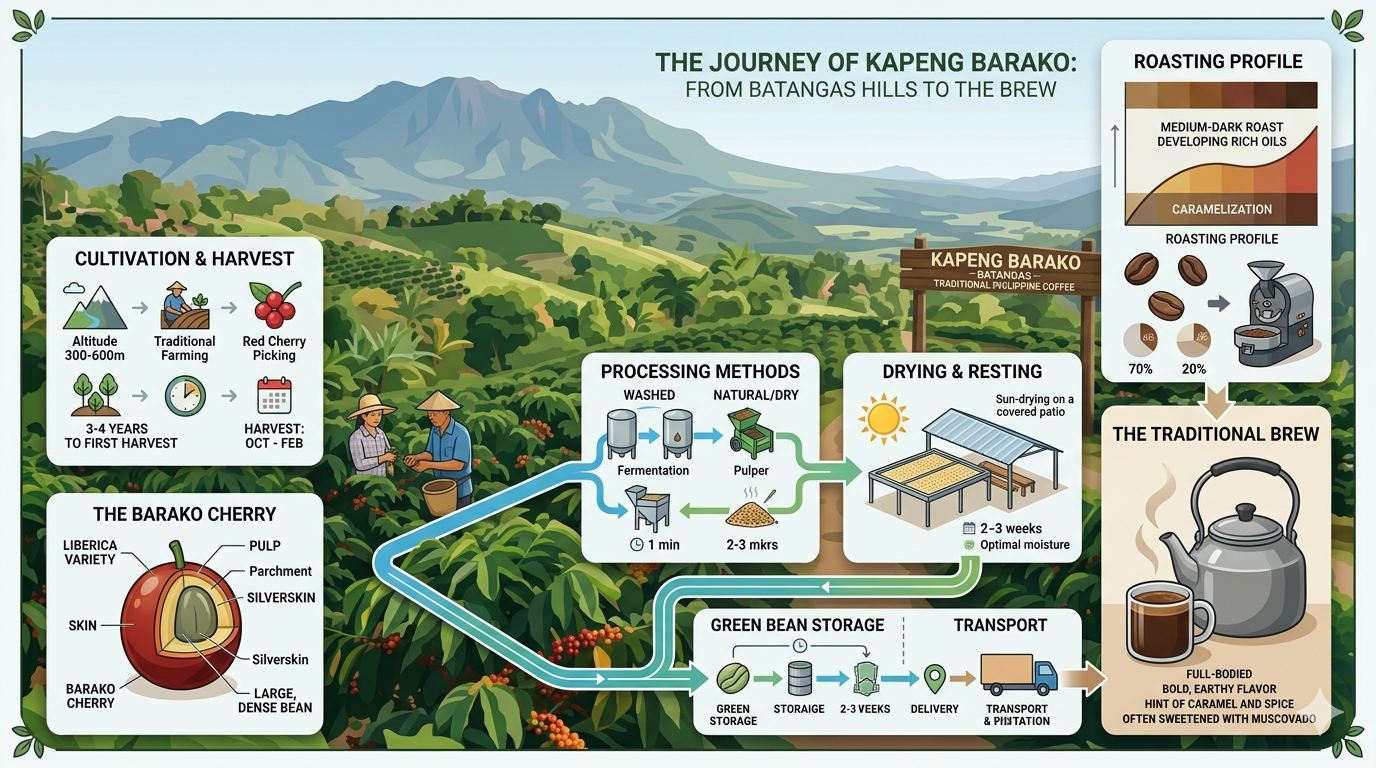
Visual summary of Kapeng Barako coffee origin, bean type, and preparation
Disclaimer
This article is for general informational and educational purposes only. It does not constitute professional medical, nutrition, or dietary advice. References to diets, foods, or supplements do not imply endorsement or guarantee of health outcomes. Readers are encouraged to consult licensed nutritionists, dietitians, or medical professionals for personalized guidance.
by villarramil028 | Mar 26, 2026 | Cultural Food Heritage, Food & Nutrition Education
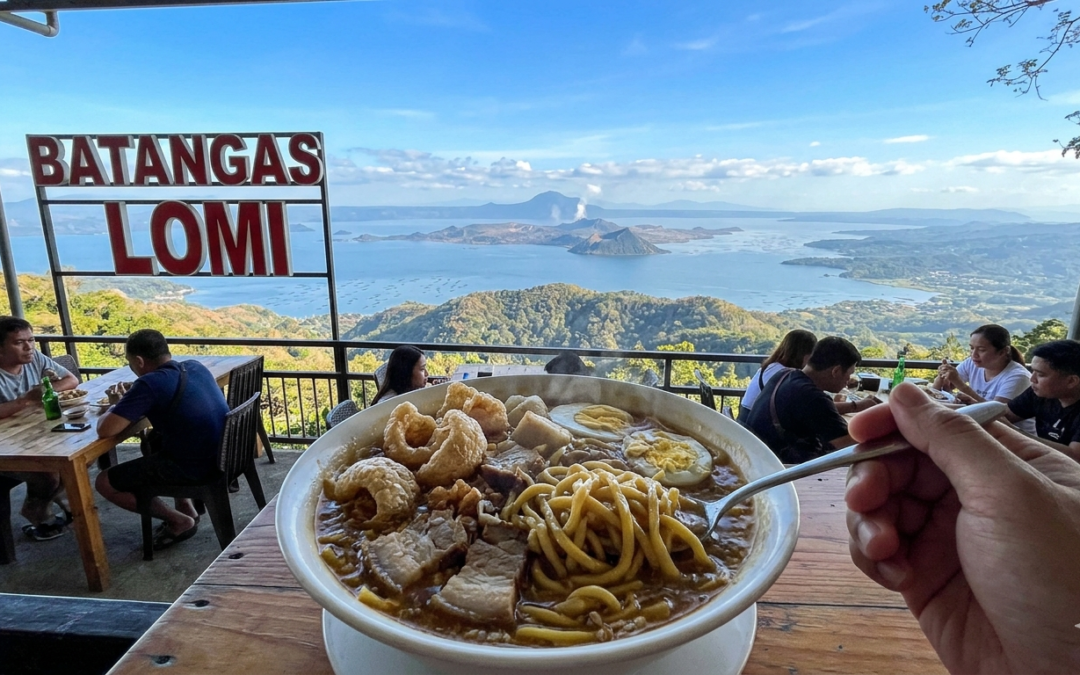
Lomi Batangas: An Educational Overview of a Regional Filipino Dish
Understanding its ingredients, nutritional components, and dietary context
Lomi Batangas is a regional noodle dish commonly associated with the province of Batangas in the Philippines. It is known for its thick broth and hearty ingredients. From a nutrition perspective, this article explains its typical components, general nutrient profile, and how it may fit into a balanced dietary pattern under Philippine food and consumer awareness standards.
What Is Lomi Batangas?
Lomi Batangas is a noodle soup dish traditionally prepared using thick egg noodles, a rich broth, and a variety of toppings. The broth is often thickened using starch, giving it a distinct texture compared to other Filipino noodle dishes.
Common ingredients may include:
- Egg noodles (lomi noodles)
- Pork, chicken, or seafood
- Liver (in some variations)
- Vegetables such as cabbage or carrots
- Garlic, onions, and seasonings
- Egg (sometimes added to the broth)
Preparation methods and ingredient combinations can vary depending on local practices.
Nutritional Components
The nutritional profile of Lomi Batangas depends on its ingredients and portion size. Generally, it contains:
Macronutrients:
- Carbohydrates from noodles
- Protein from meat, eggs, or seafood
- Fats from cooking oil and animal-based ingredients
Micronutrients:
- Iron and B vitamins from meat and liver
- Vitamins from vegetables
- Sodium from broth and seasonings
Because of the broth and added ingredients, sodium content may vary depending on preparation.
Food Group Representation
Lomi Batangas can include several food groups:
- Grains (noodles)
- Protein sources (meat, egg, seafood)
- Vegetables (depending on recipe)
- Fats and oils (used in cooking)
The proportion of each group may differ based on serving style and recipe variation.
Hypothetical Serving Context
A typical serving of Lomi Batangas may be consumed as:
- A main meal due to its combination of carbohydrates and protein
- A shared dish in group dining settings
- A warm meal during cooler weather or rainy seasons
Portion size and frequency of consumption vary among individuals.
Consumer Awareness and Food Safety
Under Philippine food safety and consumer protection frameworks:
- Ingredients used in food preparation should follow hygiene and handling standards
- Street food and local eateries are subject to local government sanitation regulations
- Consumers may consider visible preparation practices when choosing where to eat
For packaged or instant lomi products, labeling should include:
- Ingredient list
- Nutrition information (if applicable)
- Manufacturer or distributor details
Context
In nutrition science discussions, traditional dishes like Lomi Batangas are often viewed as part of cultural dietary patterns. Their nutritional contribution depends on ingredient composition and preparation methods.
Dietary intake varies widely across individuals. Including a variety of foods from different groups is a commonly referenced principle in general nutrition guidance.
For personalized dietary considerations, consulting licensed nutrition professionals may provide more specific guidance.
FAQs
What is Lomi Batangas made of?
Lomi Batangas typically includes thick egg noodles, meat or seafood, vegetables, and a starch-thickened broth. Ingredients vary depending on preparation.
Is Lomi Batangas considered a complete meal?
It can contain carbohydrates, protein, and some vegetables, which may represent multiple food groups. The exact nutritional balance depends on the ingredients used.
Why is Lomi Batangas broth thick?
The broth is often thickened using starch, which gives it a heavier consistency compared to clear soups.
Trusted Sources
- Department of Health (Philippines) – General nutrition guidelines
- Food and Drug Administration (Philippines) – Food safety and labeling standards
- Local Government Unit (LGU) food safety and sanitation regulations
- Academic resources on Filipino cuisine and food science
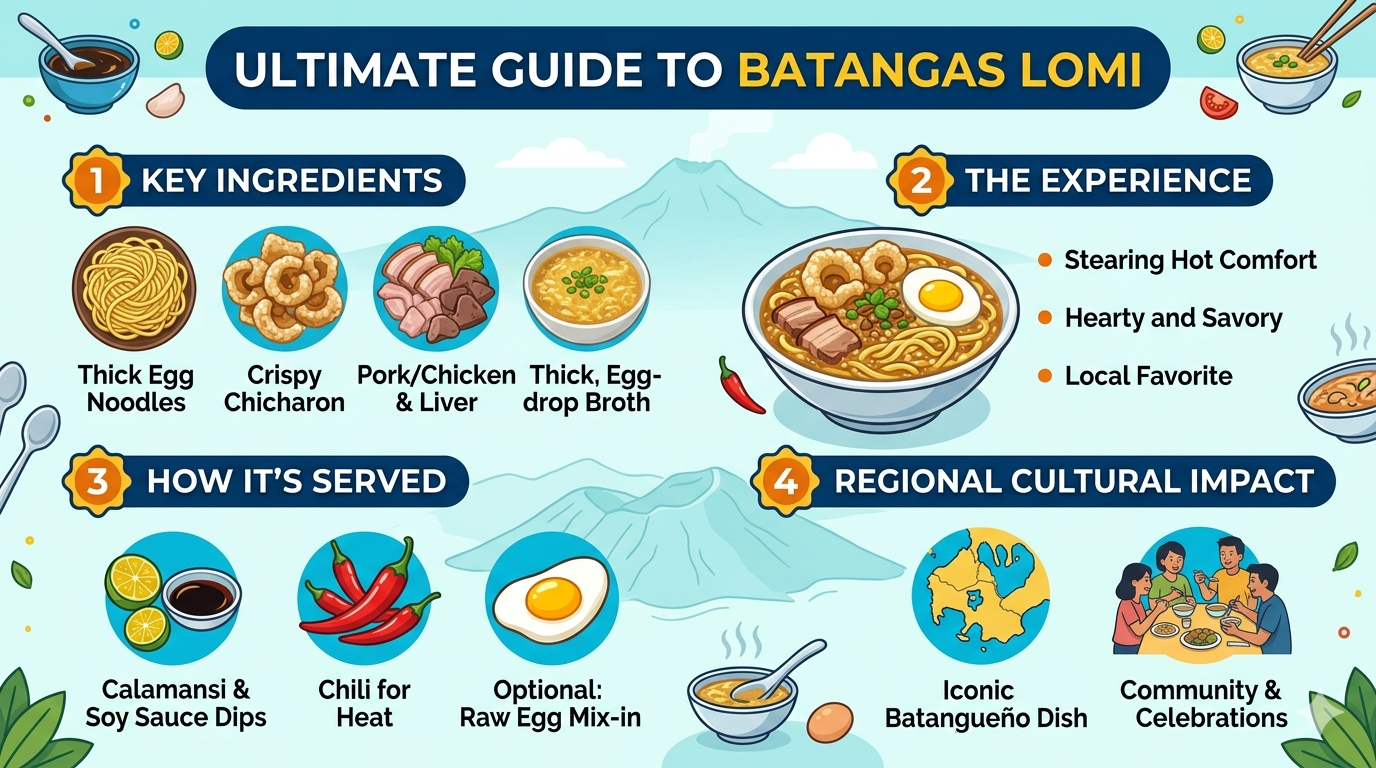
Visual layout of common ingredients and preparation elements of Lomi Batangas
Disclaimer
This article is for general informational and educational purposes only. It does not constitute professional medical, nutrition, or dietary advice. References to foods or dietary patterns do not imply endorsement or guarantee of health outcomes. Readers are encouraged to consult licensed nutritionists, dietitians, or medical professionals for personalized guidance.
by villarramil028 | Mar 26, 2026 | Cultural Food Heritage, Food & Nutrition Education
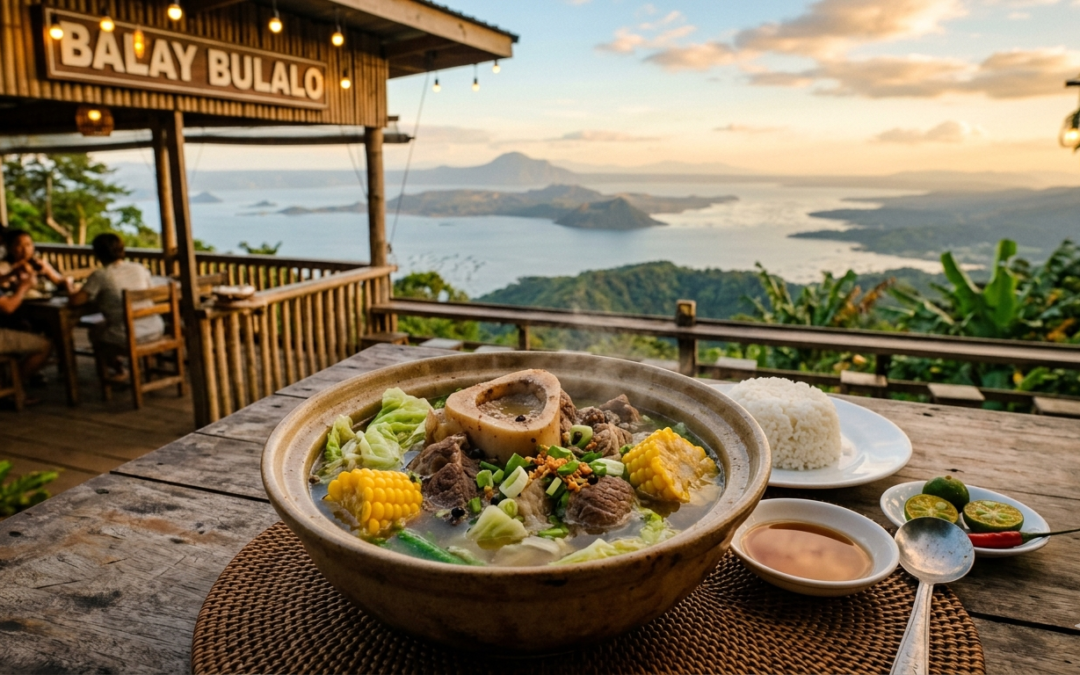
Bulalo: A Nutritional Overview of a Traditional Filipino Dish
An educational look at its ingredients, nutrient components, and role in meal planning.
Bulalo is a traditional Filipino soup commonly prepared using beef shanks and bone marrow, simmered for an extended period to extract flavor. It is widely recognized in local cuisine and is often served as part of shared meals. This article provides a neutral, educational overview of bulalo’s nutritional components, typical ingredients, and considerations within a balanced diet, consistent with general guidance from Philippine food and nutrition authorities such as the Department of Health (DOH) and Food and Drug Administration (FDA).
Typical Ingredients of Bulalo
Bulalo recipes may vary by region and household, but commonly include:
- Beef shank with bone marrow
- Cabbage
- Corn
- Potatoes
- Green beans (optional)
- Onions and spices
The dish is usually cooked by slow simmering, which helps extract nutrients and flavor from the bones and meat.
Macronutrient Composition
Bulalo contains a mix of macronutrients:
- Protein: Derived from beef, contributing to tissue maintenance
- Fat: Includes fat from beef and bone marrow
- Carbohydrates: Present in vegetables such as corn and potatoes
The proportion of these nutrients depends on portion size and preparation method.
Micronutrients and Other Components
Bulalo may provide:
- Iron and zinc from beef
- Vitamin C and fiber from vegetables like cabbage
- Electrolytes from broth and added seasonings
Bone marrow contributes fats and small amounts of fat-soluble nutrients.
Sodium and Fat Considerations
Some preparations of bulalo may include added salt, fish sauce, or seasoning cubes, which can increase sodium content. The broth may also contain visible fat from marrow and meat.
General nutrition guidance often considers:
- Moderation in sodium intake
- Awareness of fat content in broths
Adjustments such as skimming excess fat or modifying seasoning may change the nutritional profile.
Role in Meal Planning
Bulalo can be part of a varied meal when combined with other food groups. A hypothetical serving context:
- Small portion of bulalo (meat, broth, vegetables)
- Steamed rice (grain source)
- Additional vegetables on the side
This illustrates food group inclusion without implying specific dietary outcomes.
Context
In nutrition science, mixed dishes like bulalo are evaluated based on their ingredient composition and preparation methods. Slow-cooked soups can provide a combination of macronutrients and micronutrients depending on included ingredients.
Under Philippine food safety and labeling standards, fresh dishes prepared at home or in restaurants are not required to carry nutrition labels. Therefore, awareness of ingredients and cooking methods becomes important for understanding nutrient intake.
Dietary responses vary among individuals. For personalized dietary planning, consultation with licensed nutrition or medical professionals may be appropriate.
FAQs
What type of dish is bulalo?
Bulalo is a Filipino beef soup made from shank cuts and bone marrow, typically simmered with vegetables.
Does bulalo contain protein?
Yes, the beef used in bulalo provides protein, along with fats and other nutrients.
Can bulalo be included in a balanced diet?
It may be included as part of a varied diet depending on portion size, preparation, and overall dietary pattern.
Trusted Sources
- Department of Health (DOH) Philippines
- Food and Drug Administration (FDA) Philippines
- Food and Nutrition Research Institute (FNRI-DOST)
- World Health Organization (WHO) Nutrition Resources
- Peer-reviewed nutrition and food science journals
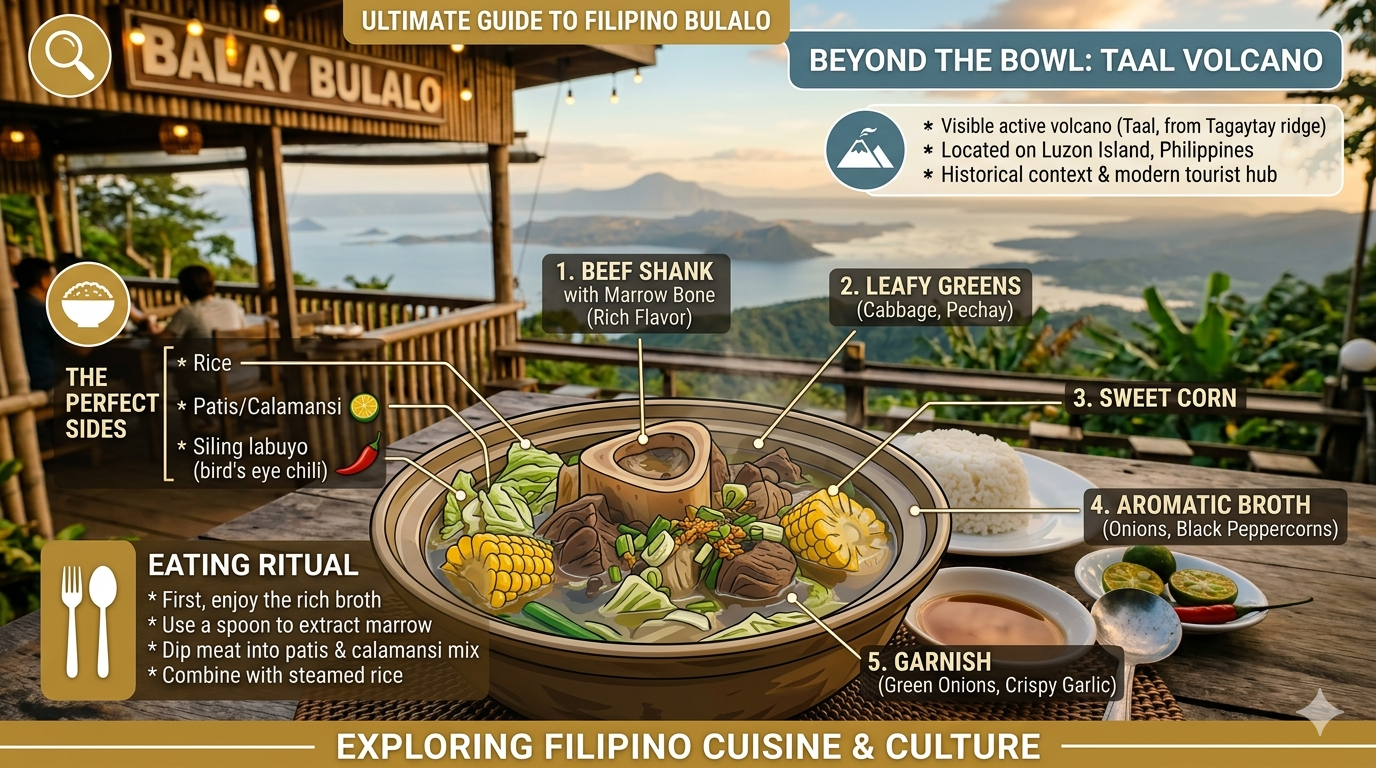
Visual layout of common ingredients found in bulalo
Disclaimer
This article is for general informational and educational purposes only. It does not constitute professional medical, nutrition, or dietary advice. References to foods or dietary practices do not imply endorsement or guarantee of health outcomes. Readers are encouraged to consult licensed nutritionists, dietitians, or medical professionals for personalized guidance.
by villarramil028 | Mar 26, 2026 | Cultural Food Heritage, Food & Nutrition Education
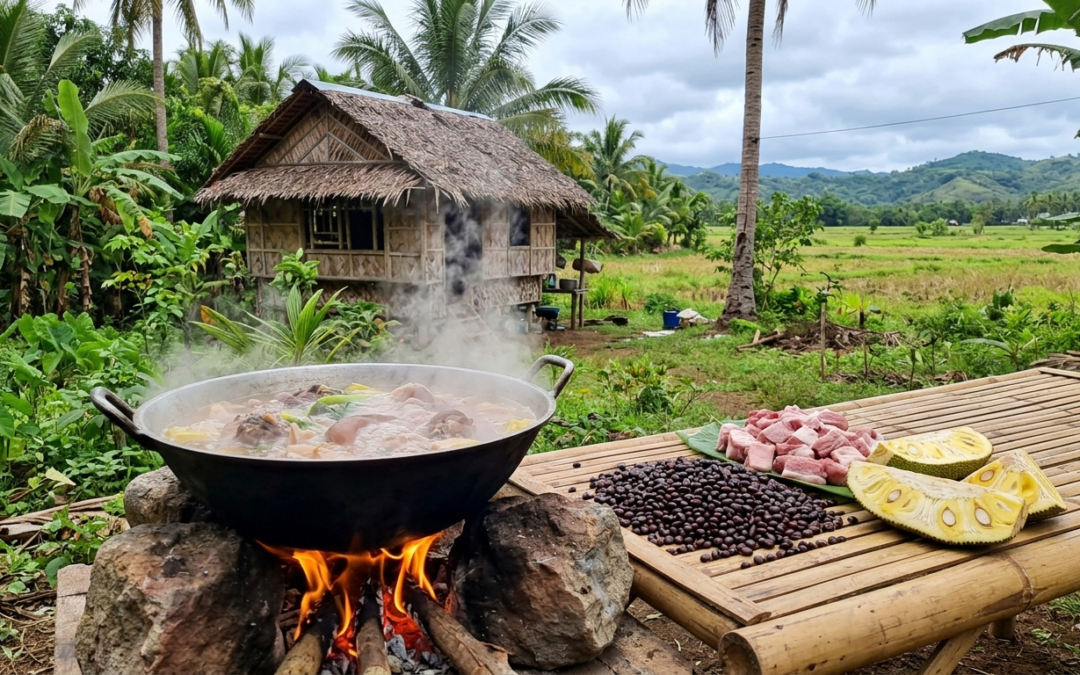
KBL (Kadios, Baboy, Langka): A Traditional Filipino Dish Overview
A neutral look at its ingredients, nutritional components, and dietary context
This article explains KBL (Kadios, Baboy, Langka), a traditional Filipino dish, from a nutrition and food composition perspective. It outlines its main ingredients, typical preparation, and general nutrient components, in alignment with food and nutrition information practices recognized by Philippine authorities such as the Department of Health (DOH) and the Food and Drug Administration (FDA).
What Is KBL?
KBL stands for Kadios (pigeon peas), Baboy (pork), and Langka (unripe jackfruit). It is a regional dish commonly associated with Western Visayas cuisine. The dish is typically prepared as a soup or stew, often flavored with souring agents such as batuan fruit.
Core Ingredients and Their Nutritional Roles
- Kadios (Pigeon Peas)
A legume that contains plant-based protein, dietary fiber, and certain micronutrients such as iron and potassium.
- Baboy (Pork)
Provides protein and fat, along with vitamins such as B-complex (e.g., B1 or thiamine). The fat content varies depending on the cut used.
- Langka (Unripe Jackfruit)
Contributes dietary fiber and carbohydrates. It is also a source of some vitamins and minerals.
- Souring Agents (e.g., Batuan or Tamarind)
Used primarily for flavor. These ingredients may contain small amounts of vitamin C and other compounds.
Food Group Representation
KBL includes components from several food groups:
- Protein sources: pork and legumes
- Vegetables/fruits: unripe jackfruit and souring agents
- Fats: depending on pork cut and cooking method
This combination illustrates how traditional dishes can include multiple nutrient sources in one preparation.
Typical Preparation Method
KBL is usually prepared by:
- Boiling pork until tender
- Adding soaked or cooked kadios
- Incorporating sliced unripe jackfruit
- Adding souring ingredients for flavor
- Simmering until ingredients are fully cooked
Cooking methods and ingredient proportions may vary by household or region.
Hypothetical Serving Context
A serving of KBL may be paired with:
- Steamed rice
- Fresh vegetables or side dishes
- Water or unsweetened beverages
This combination reflects a common structure in Filipino meals, where a main dish is accompanied by staple grains and optional side items.
Considerations on Nutrient Balance
The nutritional profile of KBL can vary depending on:
- The cut of pork used (lean vs. fatty)
- The amount of added salt or seasoning
- Portion sizes
- Cooking methods
Some variations may result in higher fat or sodium content, depending on preparation.
Context
In nutrition science, mixed dishes like KBL are considered composite meals, meaning they contain multiple ingredients contributing different nutrients.
Under Philippine food safety and labeling standards, packaged or commercially prepared versions of such dishes are expected to provide accurate ingredient and nutrition information where applicable.
Dietary needs differ among individuals. Cultural dishes like KBL can be included in a variety of eating patterns depending on portion size and overall diet composition.
FAQs
What does KBL stand for?
KBL refers to Kadios (pigeon peas), Baboy (pork), and Langka (unripe jackfruit), which are the main ingredients of the dish.
Is KBL considered a balanced meal?
KBL contains protein, fiber, and other nutrients from its ingredients. Whether it fits into a balanced diet depends on portion size and the overall variety of foods consumed.
What type of dish is KBL?
KBL is typically a soup or stew-based dish from Western Visayas, commonly served with rice.
Trusted Sources
- Department of Health (DOH) Philippines – General nutrition guidance
- Food and Drug Administration (FDA) Philippines – Food safety and labeling resources
- Food and Agriculture Organization (FAO) – Traditional diets and nutrition
- Peer-reviewed journals on Southeast Asian food and nutrition
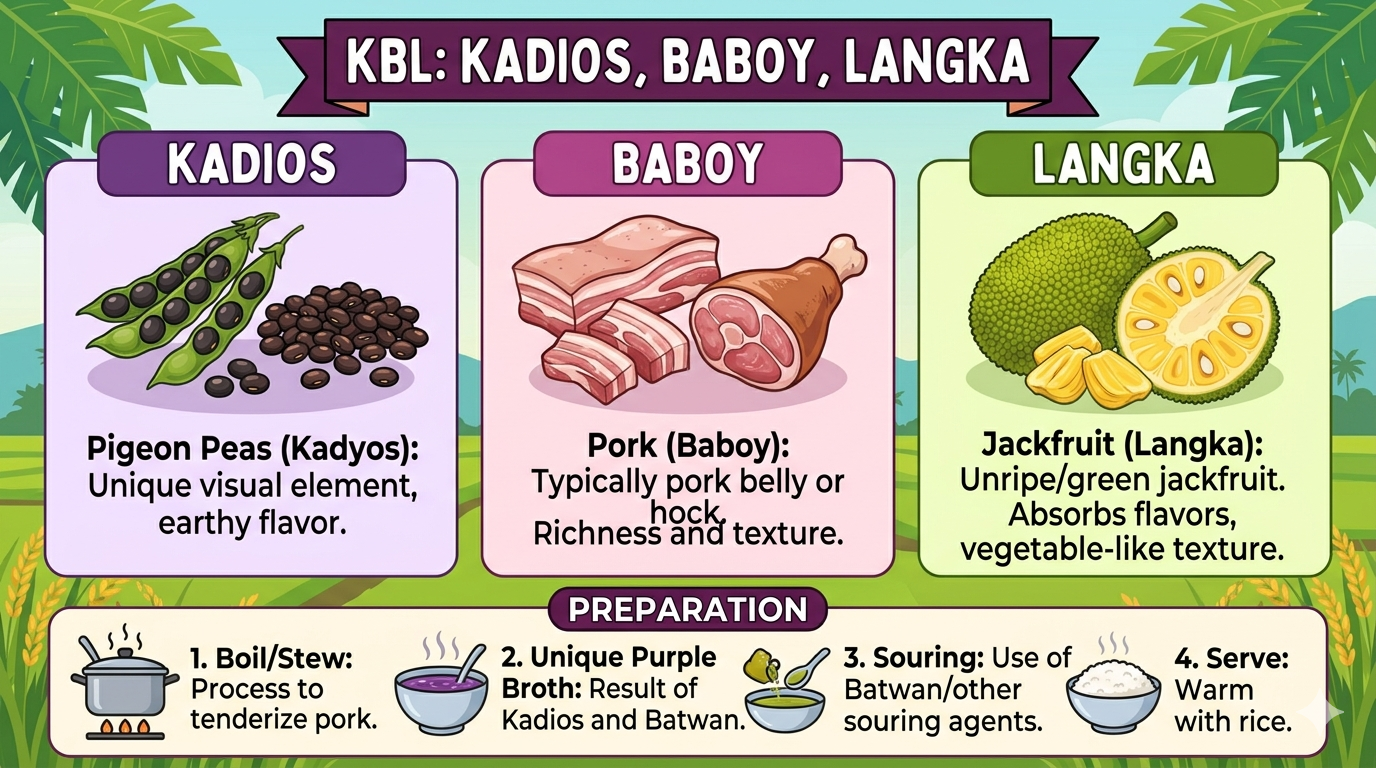
Ingredient breakdown of KBL dish components
Disclaimer
This article is for general informational and educational purposes only. It does not constitute professional medical, nutrition, or dietary advice. References to diets, foods, or supplements do not imply endorsement or guarantee of health outcomes. Readers are encouraged to consult licensed nutritionists, dietitians, or medical professionals for personalized guidance.

