by villarramil028 | Mar 26, 2026 | Cultural Food Heritage, Food & Nutrition Education
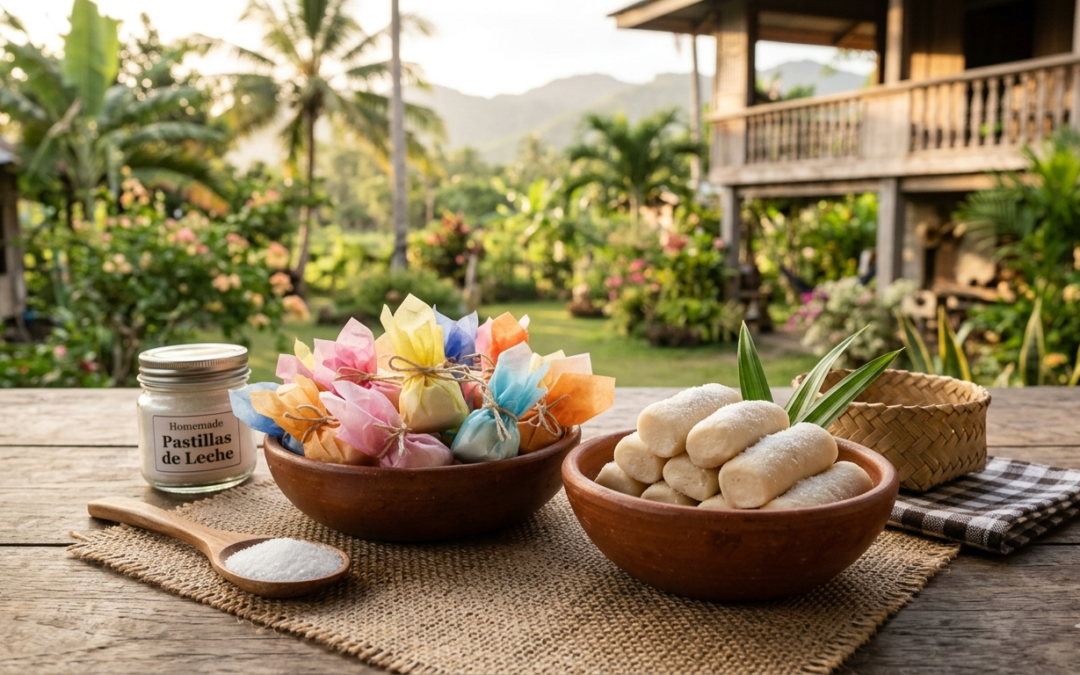
Pastillas de Leche: A Nutritional Overview of a Traditional Filipino Milk Confection
Understanding ingredients, preparation, and dietary considerations
Pastillas de leche is a traditional Filipino confection made primarily from milk and sugar. It is commonly associated with local food heritage and is often prepared for household consumption or cultural occasions. This article provides a neutral overview of its ingredients, basic preparation, and general nutrition-related considerations within the context of Philippine food safety and labeling standards.
What Is Pastillas de Leche?
Pastillas de leche is a soft, sweet candy typically made by combining:
- Powdered or condensed milk
- Sugar
- Butter or margarine (optional)
The mixture is blended until smooth and shaped into small cylindrical or bite-sized pieces. It may be coated with sugar or wrapped in decorative paper.
Basic Preparation
A common preparation method may include:
- Mixing powdered milk and condensed milk until a dough-like consistency forms
- Adding a small amount of butter or margarine for texture
- Shaping the mixture into small rolls or balls
- Rolling pieces in sugar (optional)
Preparation methods may vary depending on regional practices and household preferences.
Nutritional Components
The nutritional profile of pastillas de leche is influenced by its ingredients:
- Milk: Provides protein, calcium, and certain vitamins
- Sugar: Contributes carbohydrates and energy
- Fats (if added): May come from butter or margarine
Because it contains added sugar and dairy, it is generally categorized as an energy-dense food. Portion size and frequency of consumption are factors often considered in dietary planning.
Food Safety and Label Awareness
For commercially sold pastillas de leche in the Philippines, regulations from the Food and Drug Administration (FDA) and Department of Trade and Industry (DTI) require:
- Proper labeling of ingredients
- Indication of expiration or best-before dates
- Manufacturer or distributor details
- Compliance with food safety handling standards
Consumers may review packaging information to understand ingredient composition and storage instructions.
Context
In nutrition science discussions, sweets such as milk-based confections are typically included as occasional components within a varied diet. Dietary planning often considers balance across food groups and moderation in foods with added sugars.
Individual dietary needs vary, and responses to specific foods may differ. For personalized dietary guidance, consultation with licensed nutrition professionals may be appropriate.
FAQs
What is pastillas de leche made of?
It is commonly made from milk (powdered or condensed) and sugar, sometimes with added butter or margarine.
Is pastillas de leche considered a dairy product?
It contains dairy-derived ingredients, so it may be classified as a milk-based confection.
How should pastillas de leche be stored?
Storage recommendations vary, but commercially packaged products typically include instructions on the label regarding temperature and shelf life.
Trusted Sources
- Department of Health (Philippines)
- Food and Drug Administration (Philippines)
- Food and Nutrition Research Institute (FNRI-DOST)
- World Health Organization (WHO) – Healthy Diet Guidelines
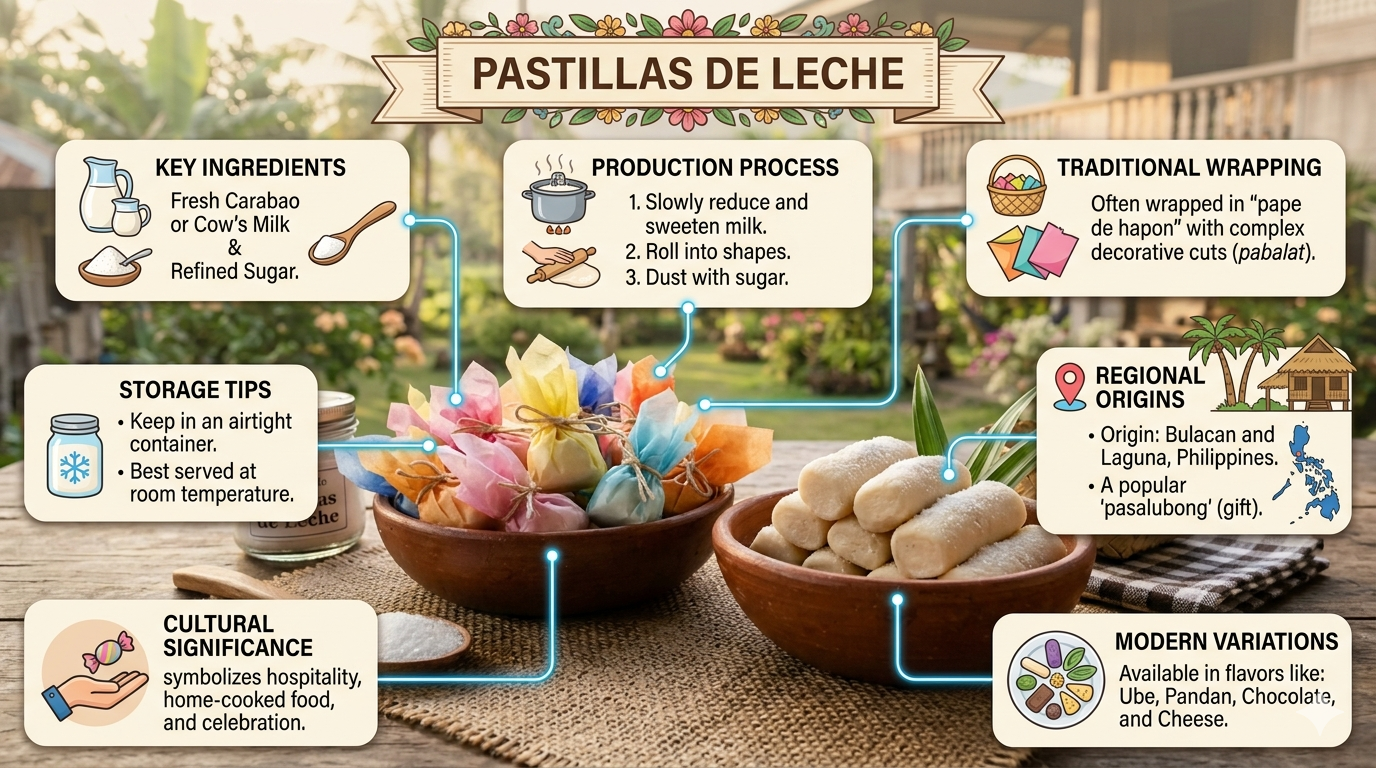
Illustrated breakdown of pastillas de leche ingredients and preparation stages
Disclaimer
This article is for general informational and educational purposes only. It does not constitute professional medical, nutrition, or dietary advice. References to diets, foods, or supplements do not imply endorsement or guarantee of health outcomes. Readers are encouraged to consult licensed nutritionists, dietitians, or medical professionals for personalized guidance.
by villarramil028 | Mar 26, 2026 | Cultural Food Heritage, Food & Nutrition Education
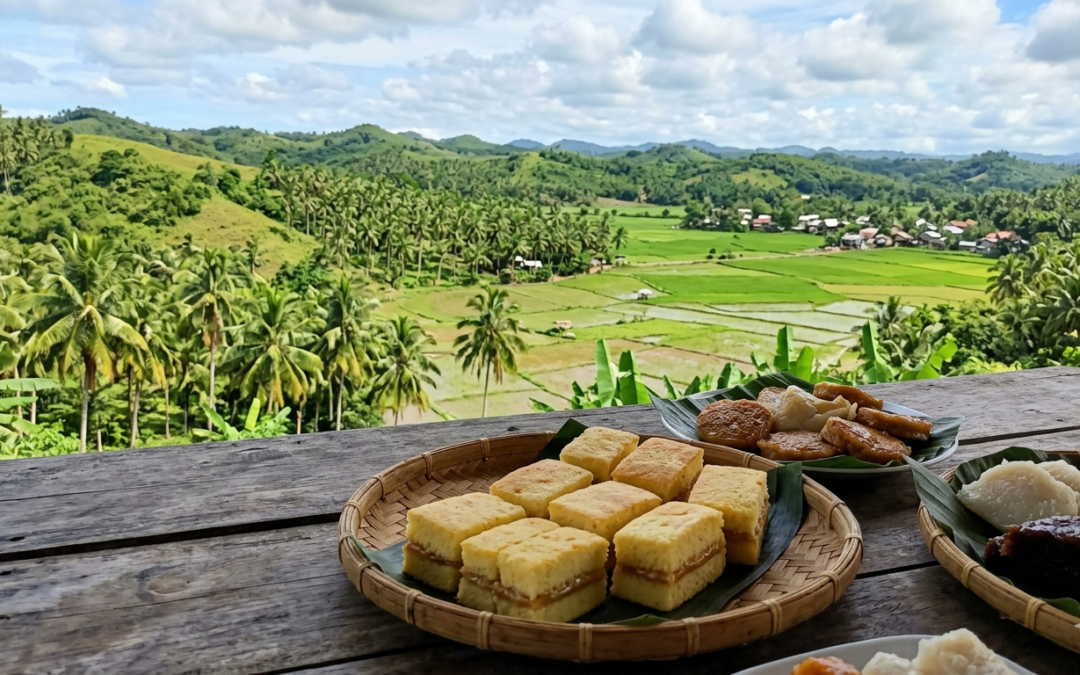
Inipit: A Traditional Filipino Rice-Based Snack Explained
A neutral overview of its ingredients, preparation, and nutritional context
Inipit is a traditional Filipino delicacy commonly associated with the province of Bulacan. It is typically described as a soft, sponge-like rice cake filled with a sweet custard layer. This article provides an educational overview of inipit, including its ingredients, preparation methods, and general nutritional considerations within the context of Philippine food traditions and consumer awareness.
What Is Inipit?
Inipit is a type of kakanin (rice-based snack) made from ground glutinous rice or flour, eggs, sugar, and milk. It is usually prepared in layers, with a custard filling placed between two soft cake-like portions.
The name “inipit” comes from a Filipino term meaning “pressed in between,” referring to the filling sandwiched inside the cake.
Common Ingredients
Typical ingredients used in inipit include:
- Glutinous rice flour or cake flour
- Eggs
- Sugar
- Milk or coconut milk
- Butter or margarine
- Custard filling (often made with egg yolks, milk, and sugar)
Ingredient variations may exist depending on household or commercial preparation.
Preparation Overview
The preparation process generally involves:
- Mixing batter ingredients and baking or steaming them into thin cake layers
- Preparing a custard filling separately
- Assembling the layers by placing the filling between two cake portions
- Slicing into rectangular or square pieces for serving
Cooking methods may differ, with some versions baked and others steamed.
Nutritional Context
Inipit is considered an energy-dense snack due to its combination of carbohydrates (from rice flour and sugar) and fats (from butter or custard). It may also contain small amounts of protein from eggs and milk.
As with many traditional desserts, portion size and frequency of consumption are typically considered when including such foods in a balanced diet.
Consumer Awareness and Food Safety
When purchasing packaged or commercially produced inipit, consumers may review:
- Nutrition labels and ingredient lists
- Expiration or “best before” dates
- Manufacturer details and regulatory compliance
Under guidelines from the Food and Drug Administration Philippines, packaged food products are required to provide accurate labeling. Consumer protection provisions under the Consumer Act of the Philippines (RA 7394) also emphasize truthful product representation.
Traditional Foods and Dietary Patterns
In nutrition discussions, traditional foods like inipit are often included as part of cultural dietary patterns. These foods may contribute to overall nutrient intake when consumed alongside a variety of other food groups.
Dietary needs and preferences vary across individuals. For personalized dietary considerations, consultation with qualified nutrition professionals is generally recommended.
FAQs
What type of food is inipit?
Inipit is a Filipino rice-based snack or dessert. It typically consists of soft cake layers with a sweet custard filling.
Is inipit considered a carbohydrate-rich food?
Yes, inipit contains carbohydrates from rice flour and sugar. It may also include fats and small amounts of protein depending on ingredients.
How is inipit usually served?
Inipit is commonly sliced into small rectangular portions and served as a snack or dessert.
Trusted Sources
- Department of Health (Philippines) – General nutrition guidance
- Food and Drug Administration Philippines – Food safety and labeling standards
- Academic and cultural food studies on Filipino cuisine
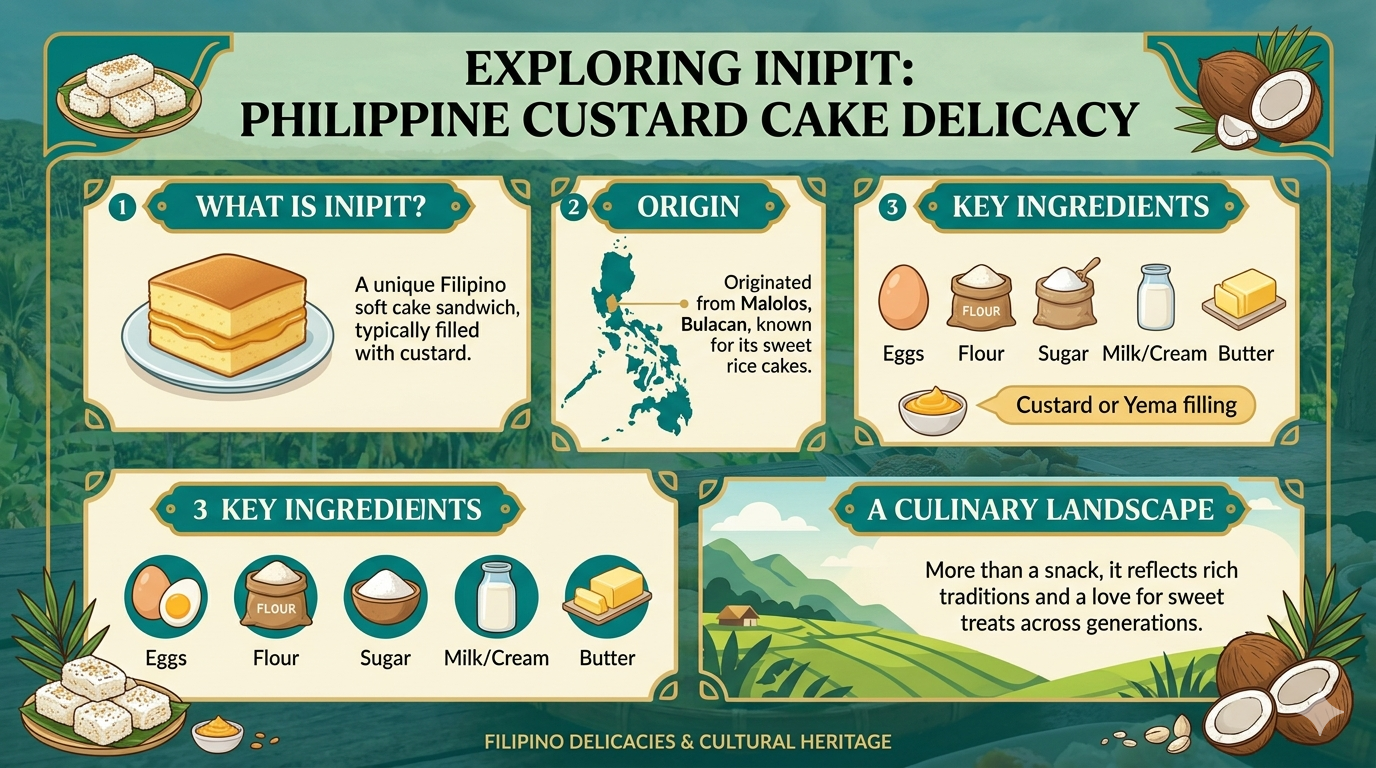
Visual layout of inipit ingredients and preparation stages
Disclaimer
This article is for general informational and educational purposes only. It does not constitute professional medical, nutrition, or dietary advice. References to foods or dietary practices do not imply endorsement or guarantee of health outcomes. Readers are encouraged to consult licensed nutritionists, dietitians, or medical professionals for personalized guidance.
by villarramil028 | Mar 25, 2026 | Cultural Food Heritage, Traditional Food
Chicharon Bulacan: An Educational Overview of a Traditional Filipino Food
Understanding its ingredients, preparation, and nutritional considerations
Chicharon Bulacan is a well-known Filipino food product originating from the province of Bulacan. This article provides a neutral, educational overview of its composition, preparation methods, and general nutrition considerations within the context of Philippine food standards and consumer awareness.
What Is Chicharon Bulacan?
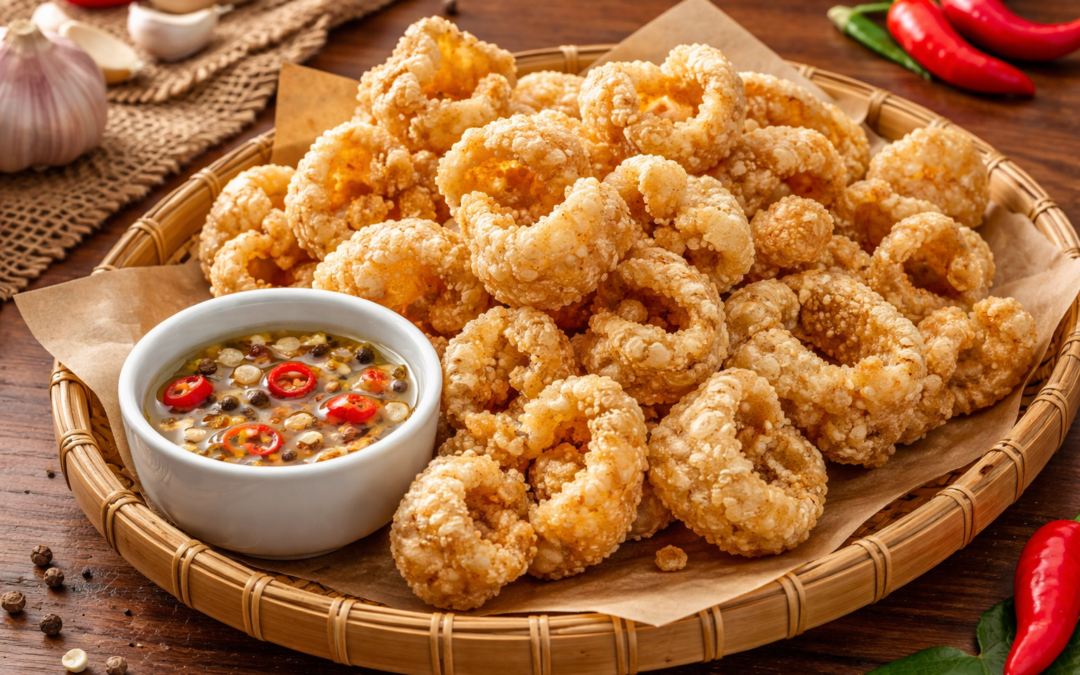
Chicharon Bulacan refers to deep-fried pork rinds that are typically seasoned with salt. It is commonly consumed as a snack or paired with dishes such as rice meals or vinegar-based dips.
Traditional preparation involves:
- Cleaning and boiling pork skin
- Drying the skin
- Deep-frying until it becomes crisp
The product is widely available in local markets and packaged forms.
Nutritional Composition
Chicharon is primarily composed of:
- Fat – due to the frying process
- Protein – derived from pork skin
- Sodium – depending on added salt or seasoning
It is considered an energy-dense food, meaning it contains a relatively high number of calories per serving.
Portin and Consumption Context
In general nutrition education, foods that are high in fat and sodium are often consumed in moderation as part of a varied diet. Portion sizes and frequency of intake can vary depending on individual dietary patterns.
Chicharon is typically eaten:
- As an occasional snack
- In small portions alongside meals
- With condiments such as vinegar
No specific intake level applies universally.
Food Safety and Label Awareness
Under Philippine food safety and consumer protection regulations:
- Packaged chicharon products should display ingredient lists and nutrition labels
- Consumers are encouraged to check manufacturing and expiration dates
- Storage conditions (e.g., keeping the product sealed and dry) help maintain quality
For unpackaged or locally sold products, buyers may consider sourcing from vendors that follow proper food handling practices.
Context
In nutrition science discussions, traditional foods like chicharon are part of cultural dietary patterns. Balanced eating typically involves a variety of food groups, including vegetables, fruits, grains, and protein sources.
Individual dietary needs differ, and food choices may be adjusted based on personal preferences, lifestyle, and professional guidance.
FAQs
What is Chicharon Bulacan made of?
It is made primarily from pork skin that is boiled, dried, and deep-fried. Salt or other seasonings may be added.
Is chicharon considered a high-fat food?
Yes. Due to deep-frying, it contains a significant amount of fat compared to many other snack foods.
How is chicharon usually eaten?
It is commonly eaten as a snack or paired with meals, often with vinegar or other dipping sauces.
Trusted Sources
- Department of Health (DOH) Philippines – General nutrition guidance
- Food and Drug Administration (FDA Philippines) – Food safety and labeling regulations
- Food and Nutrition Research Institute (FNRI-DOST) – Philippine food composition data
- World Health Organization (WHO) – Healthy diet resources
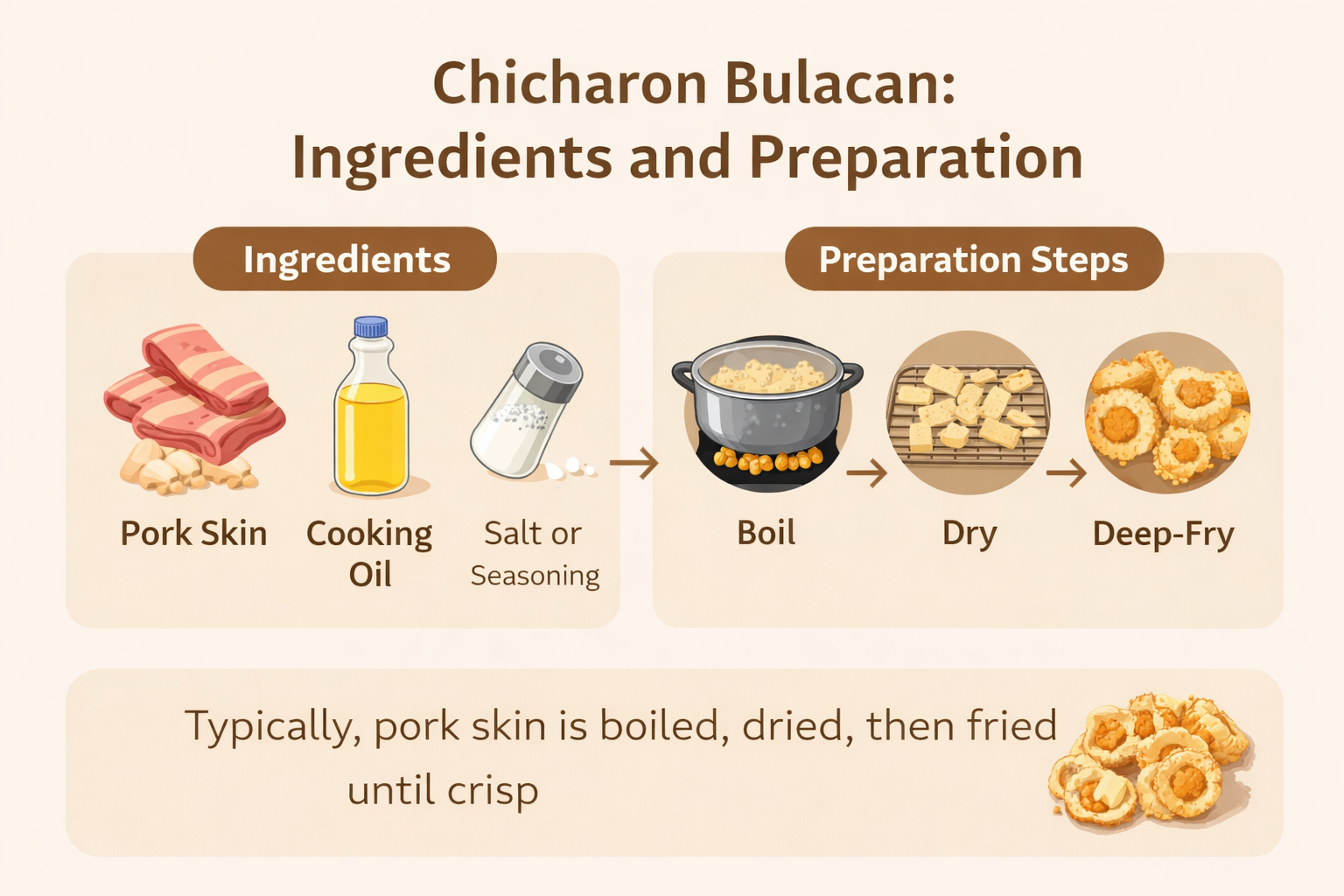
Visual breakdown of ingredients and preparation steps
Disclaimer
This article is for general informational and educational purposes only. It does not constitute professional medical, nutrition, or dietary advice. References to diets, foods, or supplements do not imply endorsement or guarantee of health outcomes. Readers are encouraged to consult licensed nutritionists, dietitians, or medical professionals for personalized guidance.
by villarramil028 | Mar 25, 2026 | Food & Nutrition Education
Halo-Halo (Pampanga Style): An Educational Overview of Ingredients and Nutritional Components
A neutral look at a traditional Filipino dessert and its typical composition
This article provides an informational overview of Halo-halo (Pampanga style), a traditional Filipino dessert known for its combination of sweetened ingredients, ice, and milk. It focuses on ingredient composition, food groups, and general nutritional considerations, aligned with guidance from the Department of Health (Philippines) and Food and Drug Administration Philippines.
Readers will learn about the common components used in this regional variation and how they relate to basic nutrition concepts.
What Is Halo-Halo (Pampanga Style)?
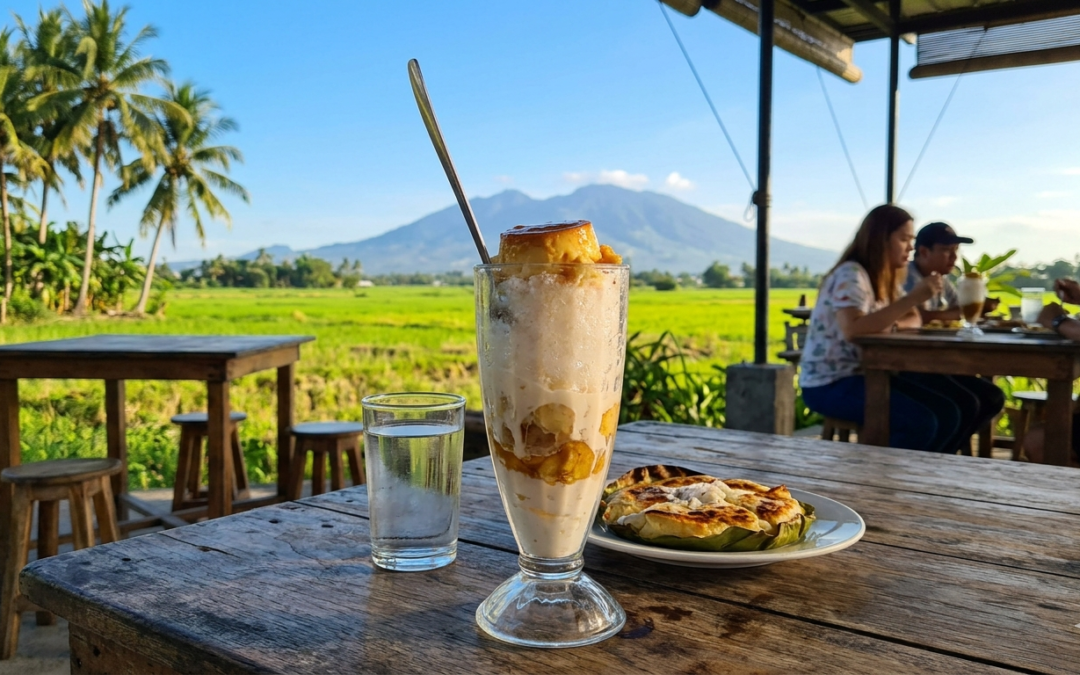
Halo-halo is a mixed dessert widely consumed in the Philippines. The Pampanga-style version is often associated with a carefully layered presentation and a combination of traditional and locally preferred ingredients.
Typical preparation involves:
- Crushed or shaved ice
- Evaporated or fresh milk
- A mix of sweetened fruits, beans, and root crops
- Toppings such as leche flan or ube (purple yam)
Common Ingredients and Food Groups
Pampanga-style Halo-halo may include the following components:
Carbohydrate Sources
- Sweetened bananas (saba)
- Jackfruit (langka)
- Sweetened beans (e.g., red mung beans)
- Tapioca pearls or gelatin
These ingredients contribute carbohydrates, which are commonly used by the body as a source of energy.
Protein and Fat Sources
- Milk (evaporated or fresh)
- Leche flan (egg-based custard)
These may provide small amounts of protein and fat depending on preparation.
Additional Components
- Ube (purple yam)
- Sugar or syrup
- Ice (for texture and temperature)
Nutritional Considerations
Halo-halo is generally categorized as a dessert. Its nutritional profile depends on ingredient choices and portion size.
General observations:
- Often contains carbohydrates from sweetened ingredients
- May include added sugars depending on preparation
- Provides varying amounts of micronutrients from fruits and beans
As with many desserts, it is typically consumed occasionally within a varied diet.
Hypothetical Serving Composition Example
An illustrative serving of Pampanga-style Halo-halo may include:
- 1 cup shaved ice
- 2–3 tablespoons mixed sweetened fruits and beans
- 2 tablespoons milk
- 1 small slice leche flan
- 1 tablespoon ube
This example demonstrates ingredient balance rather than specific dietary recommendations.
Food Labeling and Consumer Awareness
When ingredients such as canned fruits, sweetened beans, or packaged toppings are used, consumers may refer to labels for:
- Sugar content
- Ingredient lists
- Serving sizes
Under Philippine food safety and labeling standards, manufacturers are required to provide accurate nutritional information to support informed choices.
Context
In food studies, Halo-halo is often cited as an example of a mixed-ingredient dessert reflecting regional preferences. Pampanga, sometimes referred to as a culinary center in the Philippines, has variations that emphasize ingredient quality and preparation style.
Dietary intake patterns vary widely, and desserts like Halo-halo are typically part of broader eating habits rather than primary nutrient sources.
FAQs
What makes Pampanga-style Halo-halo different?
It often features a curated selection of ingredients and layered preparation, though variations exist depending on the maker.
Is Halo-halo considered a complete meal?
It is generally classified as a dessert rather than a full meal due to its ingredient composition.
What nutrients are found in Halo-halo?
It may contain carbohydrates, small amounts of protein and fat, and some vitamins and minerals depending on the ingredients used.
Trusted Sources
- Department of Health (Philippines) — General nutrition guidance
- Food and Drug Administration Philippines — Food labeling standards
- Academic food science and cultural studies publications on Filipino cuisine
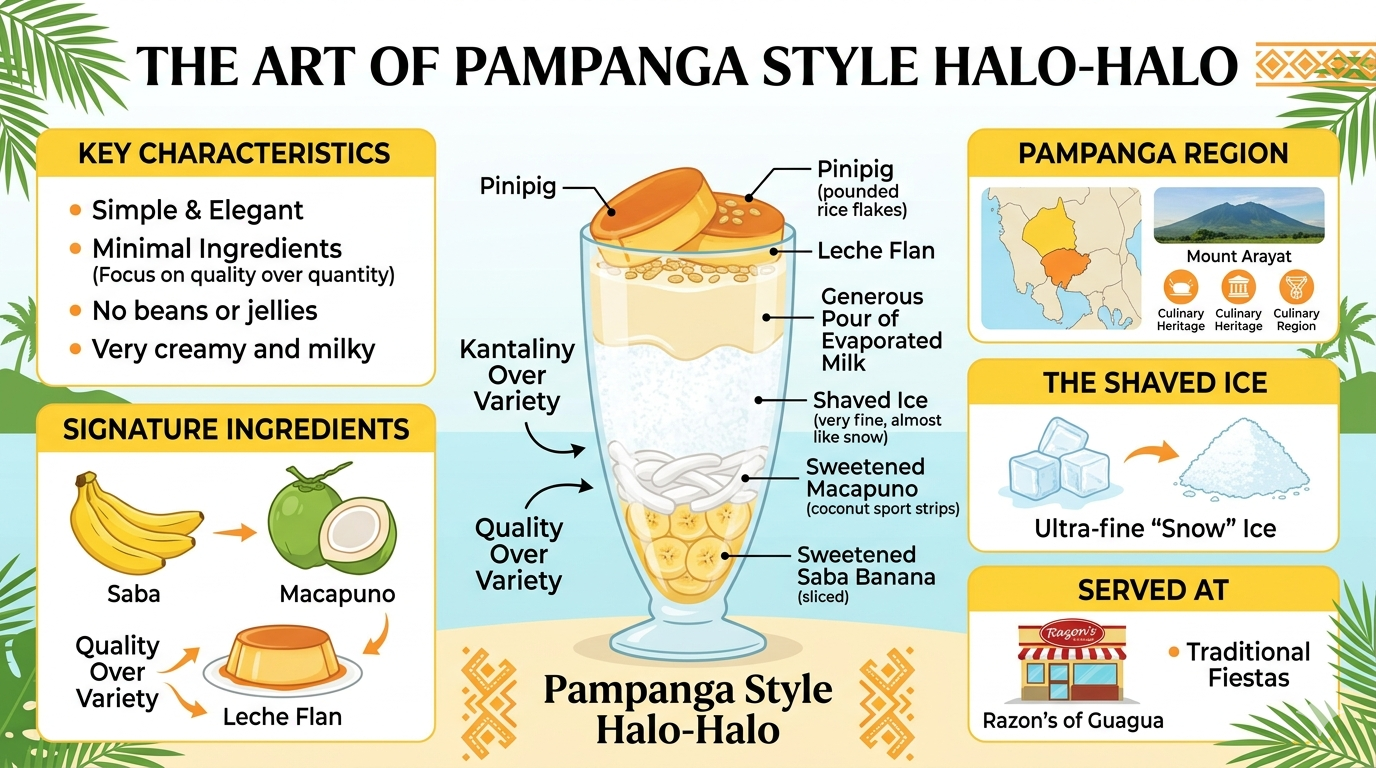
Visual breakdown of halo-halo ingredients and layers
Disclaimer
This article is for general informational and educational purposes only. It does not constitute professional medical, nutrition, or dietary advice. References to diets, foods, or supplements do not imply endorsement or guarantee of health outcomes. Readers are encouraged to consult licensed nutritionists, dietitians, or medical professionals for personalized guidance.
by villarramil028 | Mar 25, 2026 | Cultural Food Heritage
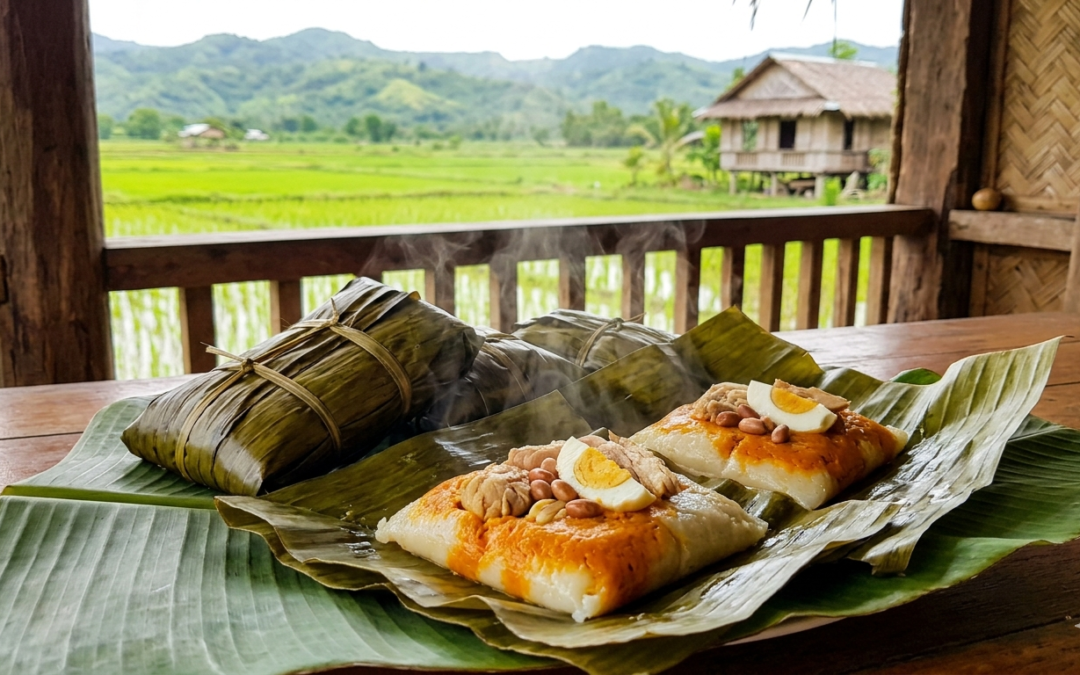
Tamales Kapampangan: An Educational Overview of a Traditional Filipino Dish
A neutral look at ingredients, preparation, and nutritional components
This article provides an educational overview of Tamales Kapampangan, a traditional dish from Pampanga, Philippines. It explains typical ingredients, preparation methods, and general nutritional components. The discussion aligns with food safety and labeling awareness principles under the Department of Health (DOH) and Food and Drug Administration (FDA) Philippines.
What Is Tamales Kapampangan?
Tamales Kapampangan is a Filipino dish made from a rice-based mixture combined with savory ingredients. Despite sharing a name with Latin American tamales, its preparation and flavor profile are distinct and reflect local culinary practices in Pampanga.
It is commonly prepared during holidays and gatherings and is typically wrapped in banana leaves.
Common Ingredients
The dish usually includes:
- Rice flour or ground rice
- Coconut milk
- Chicken or pork
- Hard-boiled eggs
- Peanuts or peanut-based sauce
- Garlic, onions, and seasonings
- Banana leaves (for wrapping)
Ingredient combinations may vary depending on household or regional preferences.
Basic Preparation Process (General Overview)
Preparation often involves:
- Cooking a rice-based batter with coconut milk
- Preparing a savory filling (meat, eggs, sauce)
- Wrapping portions in banana leaves
- Steaming or simmering until fully cooked
This process reflects traditional cooking techniques used in many Filipino dishes.
Nutritional Components (General)
Tamales Kapampangan contains a mix of macronutrients:
- Carbohydrates: Primarily from rice flour
- Protein: From meat and eggs
- Fats: From coconut milk and peanuts
It may also provide small amounts of vitamins and minerals depending on the ingredients used. Portion size and preparation method influence the overall nutritional profile.
Food Safety and Storage Considerations
Under Philippine food safety practices:
- Cooked tamales are typically consumed fresh or stored under refrigeration
- Proper reheating is recommended before consumption
- Clean food handling and preparation help reduce contamination risks
Context
In Philippine culinary traditions, dishes like Tamales Kapampangan are part of cultural heritage and are often prepared for special occasions. From a nutrition perspective, such dishes are usually considered within the broader context of total daily food intake.
Under consumer and food safety standards, understanding ingredients and preparation methods supports informed dietary awareness. Individual dietary needs vary, and traditional foods can be incorporated into different eating patterns depending on portion and frequency.
FAQs
What makes Tamales Kapampangan different from other tamales?
Tamales Kapampangan uses rice flour and coconut milk, with savory fillings, and is wrapped in banana leaves. Its flavor and preparation differ from Latin American versions.
What nutrients are found in Tamales Kapampangan?
It generally contains carbohydrates, protein, and fats from its main ingredients. The exact nutrient content depends on the recipe.
Is Tamales Kapampangan a complete meal?
It can contain multiple food components, but whether it functions as a complete meal depends on portion size and overall dietary context.
Trusted Sources
- Department of Health (DOH) Philippines – Food Safety Guidelines
- Food and Drug Administration (FDA) Philippines – Safe Food Handling
- National Commission for Culture and the Arts (NCCA) – Filipino Food Heritage Resources
- Academic food science and nutrition publications
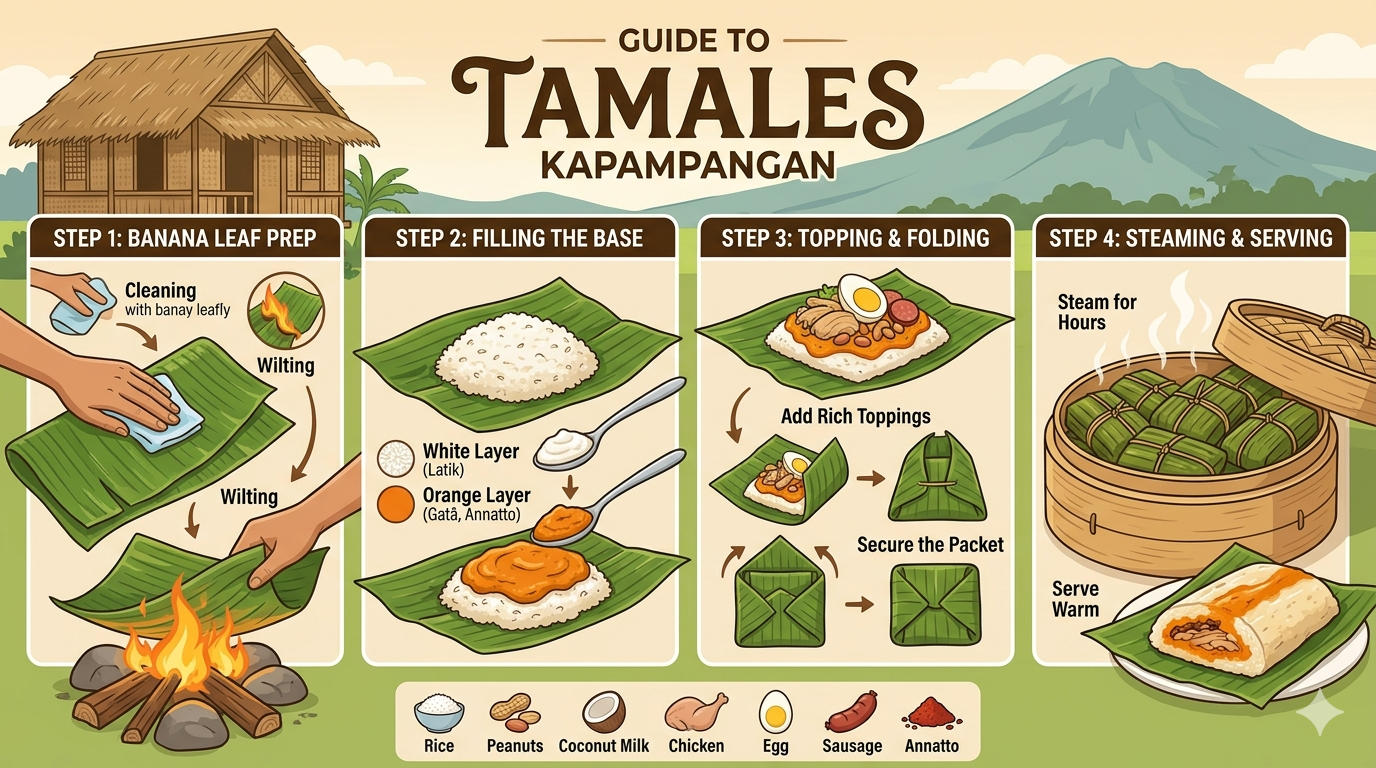
Visual outline of Tamales Kapampangan components and preparation steps
Disclaimer
This article is for general informational and educational purposes only. It does not constitute professional medical, nutrition, or dietary advice. References to foods or preparation methods do not imply endorsement or guarantee of health outcomes. Readers are encouraged to consult licensed nutritionists, dietitians, or medical professionals for personalized guidance.

