by villarramil028 | Apr 5, 2026 | Filipino Cuisine, Food & Nutrition Education
Understanding Bicol Express: Nutritional Overview
A neutral look at the traditional Filipino dish from the Bicol region and its dietary considerations.
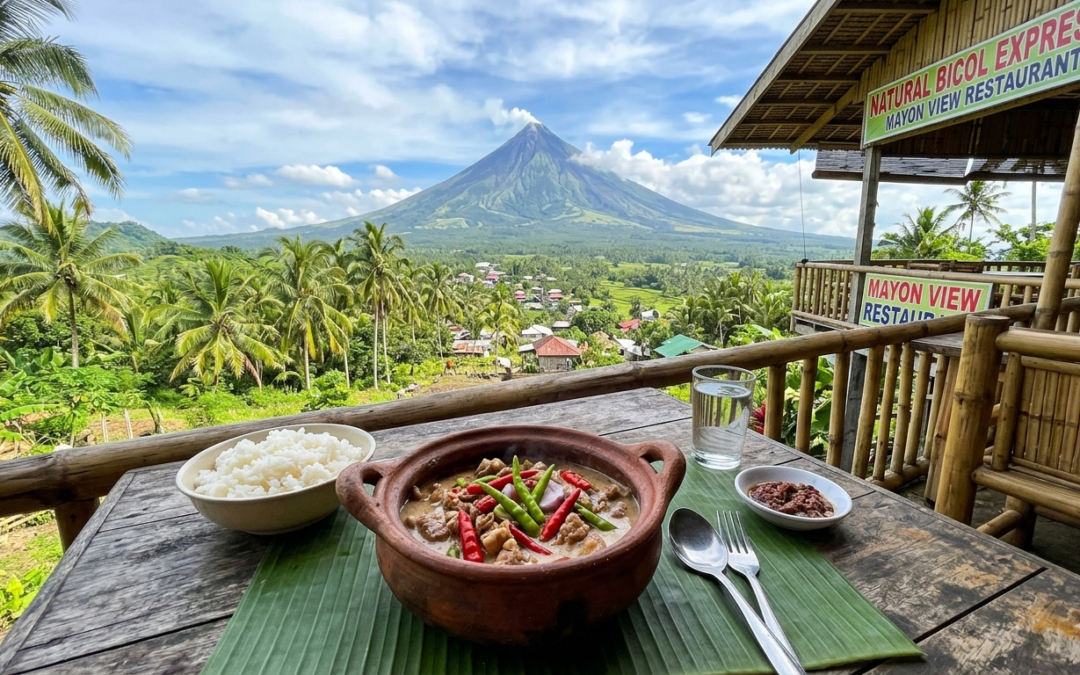
Bicol Express is a popular Filipino dish originating from the Bicol region, known for its use of chili peppers and coconut milk. This article provides an educational overview of its typical ingredients, nutrient profile, and considerations for balanced meal planning, based on publicly available nutrition data and Philippine dietary guidelines.
- Ingredients Overview:
Traditional Bicol Express typically contains pork, coconut milk, shrimp paste, garlic, onions, and chili peppers. Variations may include seafood, chicken, or vegetables.
- Macronutrients:
- Protein: Provided mainly by pork or seafood.
- Fat: Coconut milk contributes saturated fat; cooking oils may add more.
- Carbohydrates: Minimal, mostly from vegetables and the small amounts in coconut milk.
- Fiber: Chili peppers and any added vegetables provide dietary fiber.
- Micronutrients:
- Vitamins: Vitamin C from chili peppers; B vitamins from pork.
- Minerals: Potassium, magnesium, and some iron from meat and coconut milk.
- Dietary Considerations:
- Portion control is relevant because of the dish’s higher fat content.
- Pairing with vegetables or whole grains may help balance a meal.
- Individuals monitoring saturated fat intake may adjust the amount of coconut milk used.
Context
In nutrition science studies, dishes high in coconut milk are sources of saturated fat and energy-dense calories. Under Philippine consumer protection and dietary standards, labeling and portion awareness help ensure safe and informed consumption. Diet planning typically involves balancing macronutrients and portion sizes according to individual needs. Dietary effects can vary based on age, activity level, and health conditions. Consultation with licensed nutritionists or dietitians is recommended for personalized guidance.
FAQs
Q1: What is Bicol Express?
A traditional Filipino dish from the Bicol region, characterized by pork, coconut milk, and chili peppers.
Q2: What nutrients are in Bicol Express?
It provides protein, fat (including saturated fat), and small amounts of fiber, vitamins, and minerals, depending on ingredients.
Q3: How can it fit into meal planning?
It can be included as part of a balanced meal with vegetables and whole grains. Portion size and ingredient choices affect overall nutrition.
Trusted Sources
- Department of Health (DOH Philippines) — Nutrition Guides
- Food and Drug Administration (FDA Philippines) — Food Safety Guidelines
- Philippine Dietary Reference Intakes (PDRI)
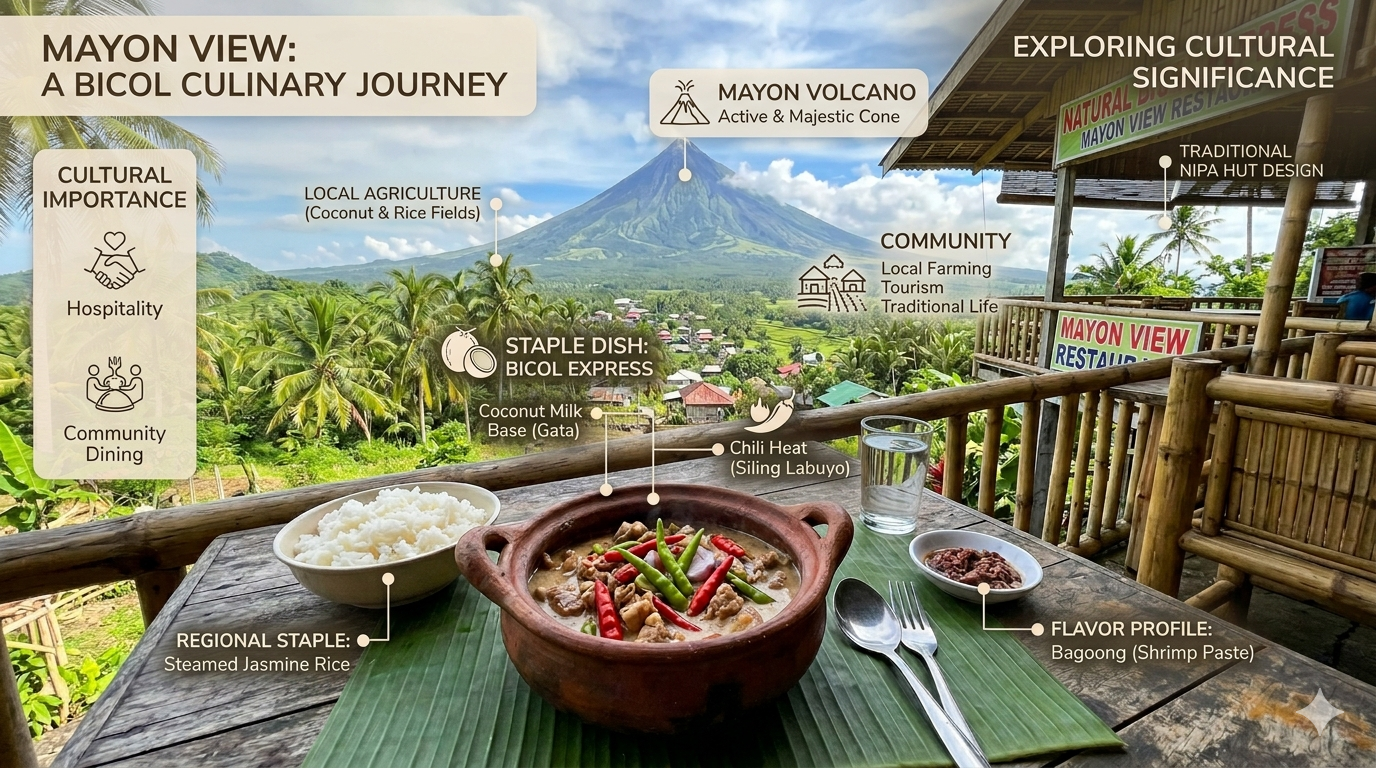
Infographic showing Bicol Express components and cooking sequence.
Disclaimer
This article is for general informational and educational purposes only. It does not constitute professional medical, nutrition, or dietary advice. References to dishes, ingredients, or nutrients do not imply endorsement or guarantee of health outcomes. Readers are encouraged to consult licensed nutritionists, dietitians, or medical professionals for personalized guidance.
by villarramil028 | Apr 5, 2026 | Filipino Cuisine, Food & Nutrition Education
Understanding Laing: A Nutritional Overview of a Traditional Bicol Dish
A neutral guide to the ingredients, nutrients, and dietary considerations of Laing.
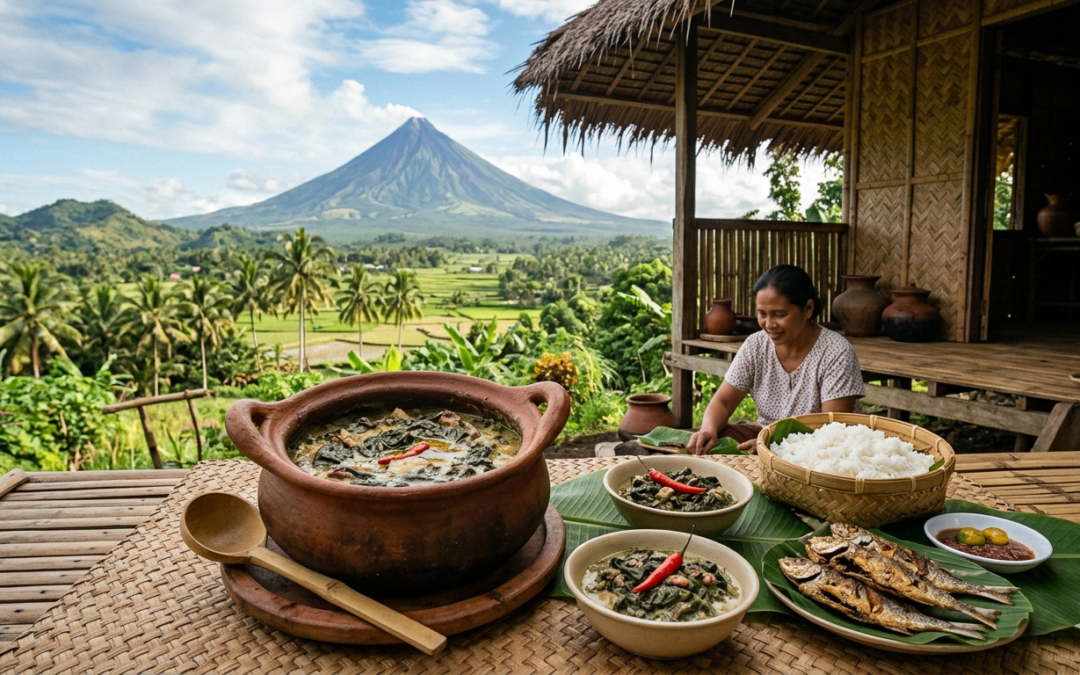
Laing is a traditional dish from the Bicol region of the Philippines, typically made from dried taro leaves cooked in coconut milk with chili and spices. Under Philippine nutrition and consumer protection standards, understanding Laing’s composition can help individuals make informed choices about its inclusion in meals. This article outlines Laing’s common ingredients, macronutrient and micronutrient content, and safe dietary considerations.
Ingredients and Nutritional Components
- Taro Leaves: Source of dietary fiber, vitamins A and C, and minerals such as calcium and iron. Taro leaves must be properly cooked to reduce natural compounds that can cause irritation if consumed raw.
- Coconut Milk: Provides dietary fats, including medium-chain triglycerides (MCTs), which contribute to caloric intake. It also contains small amounts of minerals like potassium and magnesium.
- Chili Peppers: Contain capsaicin, vitamin C, and antioxidants. Spiciness varies by recipe.
- Seasonings (garlic, onion, shrimp paste): Add flavor and micronutrients, but sodium content should be considered for individuals monitoring salt intake.
Nutrient Profile
A typical serving (100g) of Laing may contain:
- Calories: 120–150 kcal
- Carbohydrates: 5–8 g
- Protein: 2–4 g
- Fat: 10–12 g (mainly from coconut milk)
- Fiber: 2–3 g
- Vitamins and Minerals: Vitamin A, Vitamin C, Calcium, Iron
These values can vary based on preparation method, portion size, and ingredient ratios.
Safe Dietary Considerations
- Cooking Safety: Taro leaves should be thoroughly cooked to neutralize naturally occurring oxalates.
- Portion Awareness: Coconut milk is high in saturated fat; moderate portioning may help manage overall fat intake.
- Allergen Awareness: Some recipes include shrimp paste; individuals with seafood allergies should check ingredients.
- Balanced Meal Planning: Pairing Laing with lean protein sources and complex carbohydrates can contribute to a nutrient-balanced meal.
Context
In nutrition science studies, leafy vegetables like taro leaves are recognized for their contribution to vitamins, minerals, and dietary fiber. Under Philippine consumer protection and labeling standards, awareness of ingredients, cooking methods, and potential allergens supports safe consumption. Dietary results vary individually, and readers are encouraged to consult licensed nutrition or medical professionals for personalized guidance.
FAQs
What is Laing?
Laing is a traditional Bicolano dish made from dried taro leaves cooked in coconut milk with spices.
What nutrients are found in Laing?
Laing contains dietary fiber, fat from coconut milk, protein, and vitamins A and C, as well as minerals like calcium and iron.
Are there any safety considerations?
Yes. Taro leaves must be cooked thoroughly to reduce natural compounds, and individuals with seafood allergies should be cautious if shrimp paste is used.
Trusted Sources
- Department of Health (DOH Philippines) – Leafy Vegetables and Safe Preparation Guidelines
- Food and Nutrition Research Institute (FNRI) – Philippine Food Composition Tables
- FDA Philippines – Food Labeling and Consumer Awareness Resources
- Peer-reviewed nutrition journals on tropical leafy vegetables and coconut milk
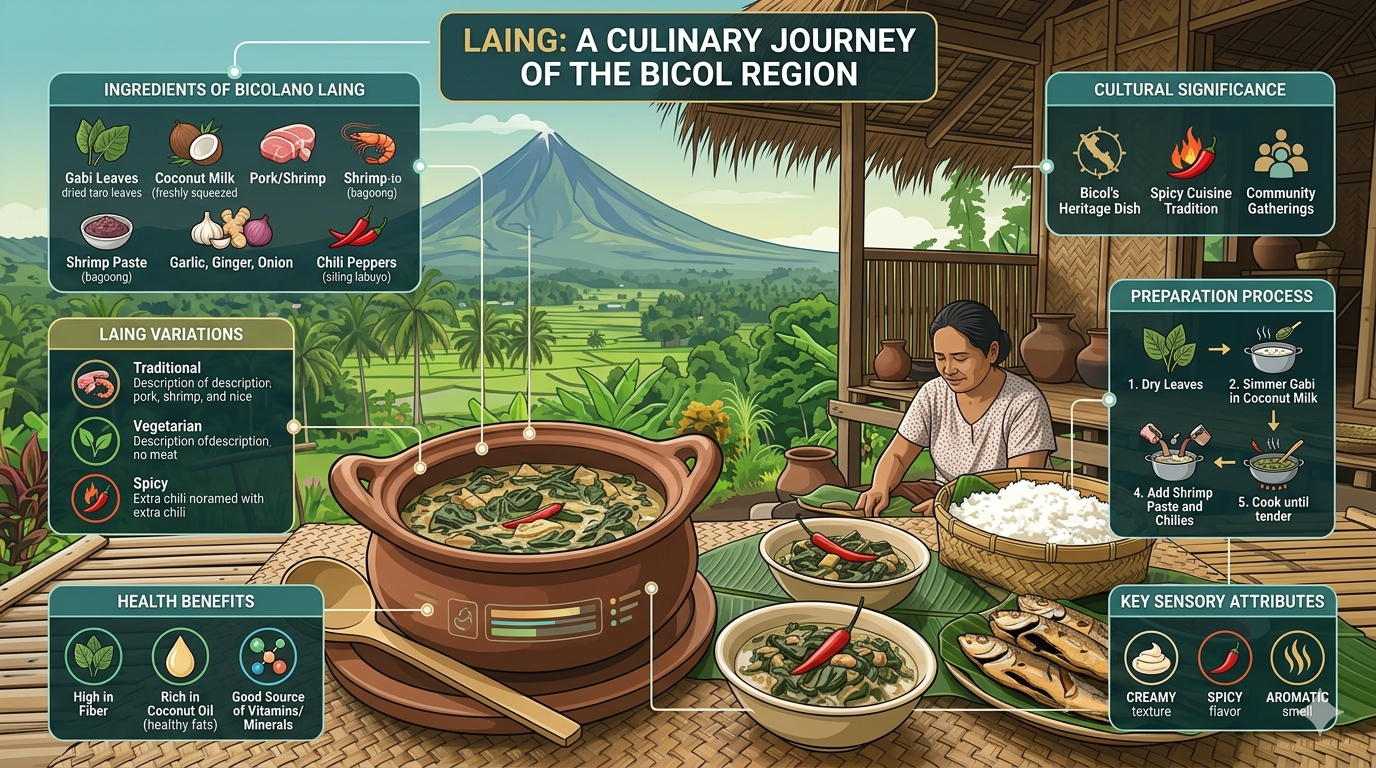
Illustration of Laing’s ingredients and nutritional components.
Disclaimer
This article is for general informational and educational purposes only. It does not constitute professional medical, nutrition, or dietary advice. References to foods or dishes do not imply endorsement or guarantee of health outcomes. Readers are encouraged to consult licensed nutritionists, dietitians, or medical professionals for personalized guidance.
by villarramil028 | Apr 5, 2026 | Filipino Cuisine, Food & Nutrition Education
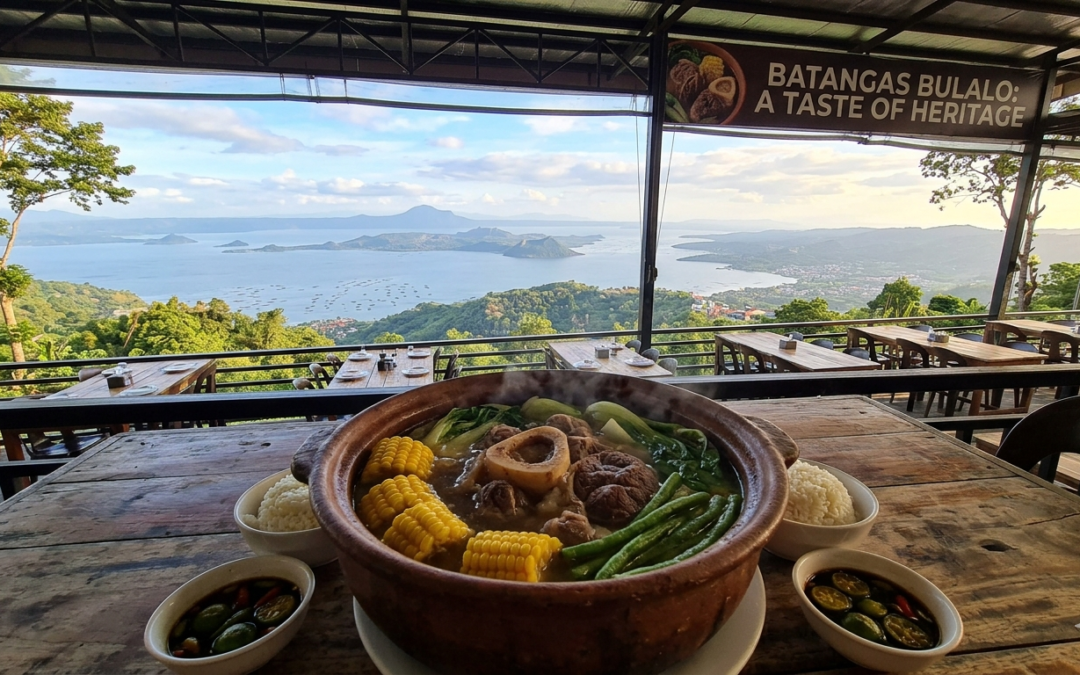
Understanding Bulalo: Nutritional Overview and Considerations
A neutral guide to the traditional Filipino beef marrow soup, its nutrient composition, and consumer awareness.
Bulalo is a traditional Filipino dish commonly prepared with beef shank and bone marrow, simmered with vegetables like corn, cabbage, and green beans. This article provides a factual overview of Bulalo’s typical ingredients, macronutrient composition, and considerations for meal planning. The discussion aligns with Philippine food safety and labeling standards monitored by the Department of Health (DOH) and the Food and Drug Administration (FDA).
Nutritional Composition
- Protein: Beef shank is a source of high-quality protein, supporting general dietary needs.
- Fat: Bone marrow contributes fats, primarily unsaturated and some saturated fats. Fat content may vary depending on cut and preparation method.
- Carbohydrates: Vegetables and corn provide dietary fiber and complex carbohydrates.
- Micronutrients:
- Iron and zinc from beef
- Vitamin C and folate from vegetables
- Calcium from simmered bones (trace amounts)
Dietary Principles and Considerations
- Bulalo is nutrient-dense but can be energy-dense depending on the amount of marrow and fatty cuts used.
- Portion control and pairing with other foods can help balance overall meal nutrition.
- Sodium content may increase if commercial broth or seasoning mixes are used; consumers should check ingredient labels for added sodium in packaged products.
Hypothetical Meal Planning Example (Informational)
- Lunch portion: 100–120 g of beef shank, 1 cup broth, ½ cup corn, 1 cup leafy vegetables
- Balanced pairing: Serve with brown rice or steamed root vegetables for additional fiber and carbohydrates.
- Hydration: Broth contributes to fluid intake but should not replace plain water consumption.
Consumer Awareness
- When purchasing pre-packaged or ready-to-eat Bulalo, review labeling for nutrition facts, ingredients, and expiration dates.
- Verify authenticity and freshness of beef from trusted sources, in line with FDA and LGU meat handling guidelines.
- Be mindful of portion sizes and frequency; individual nutritional needs vary.
Context
In nutrition science studies, dishes like Bulalo can contribute protein, minerals, and vitamins when consumed as part of a balanced diet. Under consumer protection and labeling standards, awareness of ingredients, sodium levels, and fat content helps maintain safe dietary practices. Dietary outcomes differ among individuals depending on overall intake, activity level, and health conditions. Licensed nutritionists or dietitians can provide personalized guidance if needed.
FAQs
Q: What nutrients are in Bulalo?
A: Bulalo contains protein from beef, fats from marrow, complex carbohydrates and fiber from vegetables, and minerals such as iron and zinc.
Q: Is Bulalo high in sodium?
A: Sodium content depends on seasoning or broth used. Commercial seasonings can increase sodium levels.
Q: How can Bulalo fit into meal planning?
A: It can be included as part of a balanced meal alongside vegetables and whole grains. Portion sizes should reflect individual energy needs.
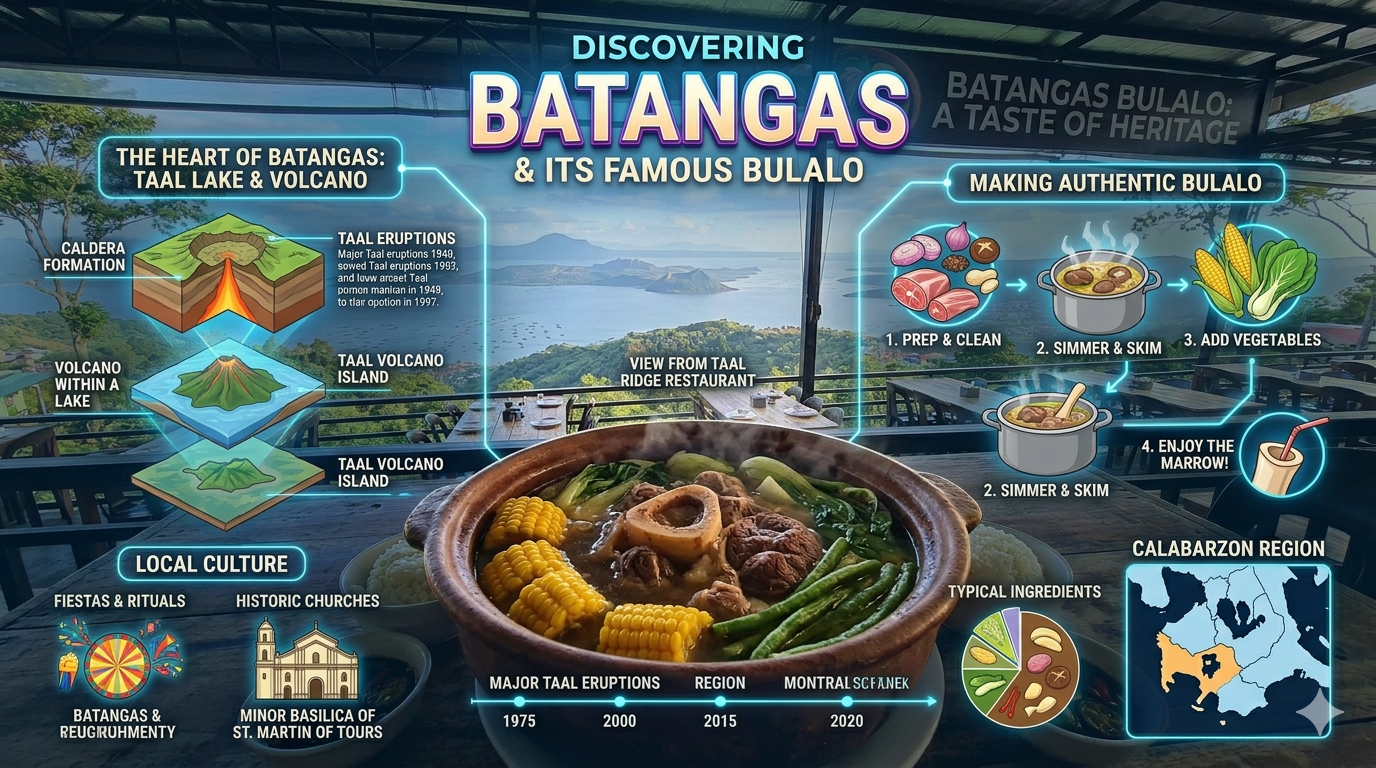
Infographic depicting main ingredients of Batangas-style Bulalo
Trusted Sources
- Department of Health Philippines – Nutrition Facts and Guidelines
- Food and Drug Administration Philippines – Food Safety & Labeling
- Philippine Journal of Nutrition – Peer-reviewed studies on traditional Filipino dishes
Disclaimer
This article is for general informational and educational purposes only. It does not constitute professional medical, nutrition, or dietary advice. References to foods or dishes do not imply endorsement or guarantee of health outcomes. Readers are encouraged to consult licensed nutritionists, dietitians, or medical professionals for personalized guidance.
by villarramil028 | Apr 5, 2026 | Filipino Cuisine, Food & Nutrition Education
Kare-Kare: An Educational Overview of a Traditional Filipino Dish
A neutral guide on ingredients, nutritional aspects, and meal planning considerations.
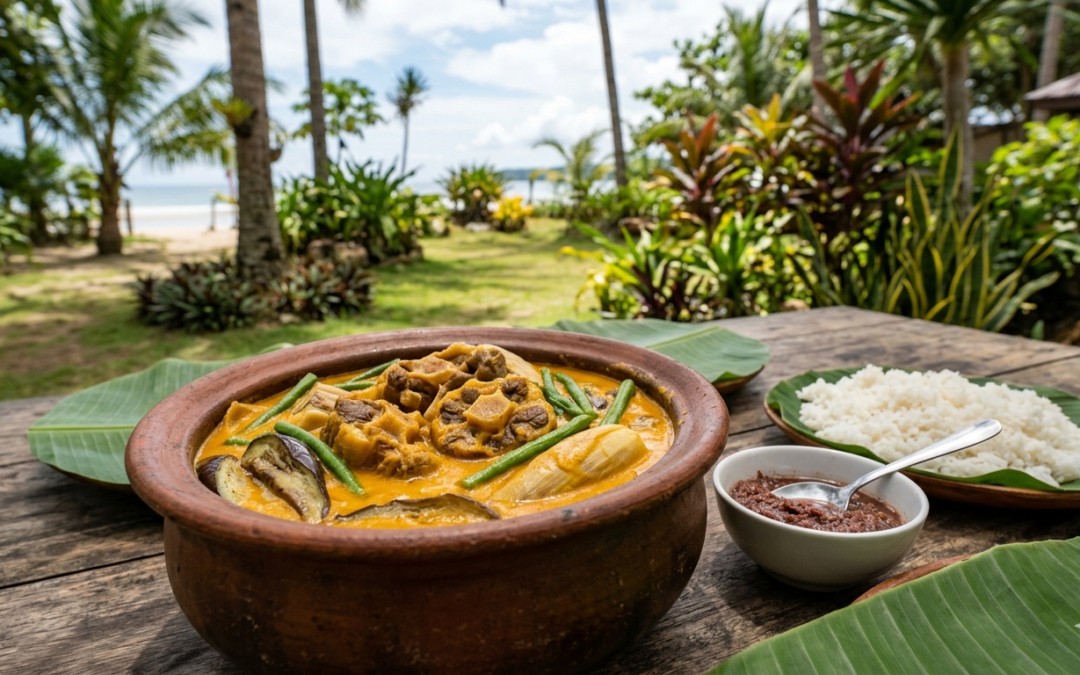
Kare-Kare is a traditional Filipino stew typically made with a peanut-based sauce, vegetables, and meat. Under Philippine food safety and consumer protection standards, understanding its nutritional components and preparation methods can help individuals make informed decisions about meal planning. This article provides a neutral, educational overview of Kare-Kare, highlighting common ingredients, nutrient contributions, and hypothetical portion considerations.
1. Ingredients and Macronutrients
Kare-Kare often includes:
- Proteins: oxtail, tripe, beef, pork, or seafood alternatives
- Vegetables: eggplant, string beans, banana blossoms, pechay
- Sauce components: roasted peanuts or peanut butter, rice flour or ground glutinous rice for thickening
From a nutritional perspective:
- Proteins provide essential amino acids for body function.
- Vegetables contribute dietary fiber, vitamins A and C, and minerals such as potassium.
- Peanuts add plant-based protein, healthy fats, and micronutrients like magnesium.
2. Portion and Balance Considerations
- A typical serving includes one to two portions of protein and a generous portion of vegetables.
- Peanut-based sauces are energy-dense; moderation is relevant for overall calorie intake.
- Carbohydrate accompaniments (e.g., rice) provide additional energy and should be considered as part of total meal planning.
3. Hypothetical Meal Planning Scenario (Informational Only)
- Lunch Example:
-
- ½ cup cooked rice
- ½ cup Kare-Kare with 2–3 pieces of meat and ½ cup vegetables
- 1 small serving of bagoong (fermented shrimp paste) on the side
This example demonstrates potential nutrient diversity, including protein, complex carbohydrates, fiber, and fats, without implying specific health outcomes.
4. Consumer Awareness and Preparation Safety
- Check freshness of meat and vegetables to reduce foodborne risks.
- Peanut products should be stored properly to prevent spoilage.
- Reading ingredient labels of packaged peanut butter can help avoid additives or allergens.
Context
In nutrition science studies, traditional Filipino dishes like Kare-Kare are often discussed in terms of macronutrient distribution and cultural dietary patterns. Under Philippine consumer protection and labeling standards, individuals are encouraged to consider nutrient balance, portion control, and safe food handling. Dietary results vary individually, and consulting licensed nutrition or medical professionals is advisable for personalized guidance.
FAQs
What nutrients are in Kare-Kare?
Kare-Kare contains proteins from meat, fats from peanuts, and vitamins and fiber from vegetables.
Is Kare-Kare considered energy-dense?
Yes, due to peanut-based sauce and potential rice accompaniment, it provides a higher calorie content per serving.
How can Kare-Kare be included in a meal plan?
It can be part of a balanced meal, alongside other vegetables, grains, and protein sources, keeping portion sizes in mind.
Trusted Sources
- Department of Health (DOH) Philippines — Nutrition Guidelines
- FDA Philippines — Food Labeling and Safety References
- Philippine Journal of Nutrition — Peer-Reviewed Studies on Traditional Filipino Dishes
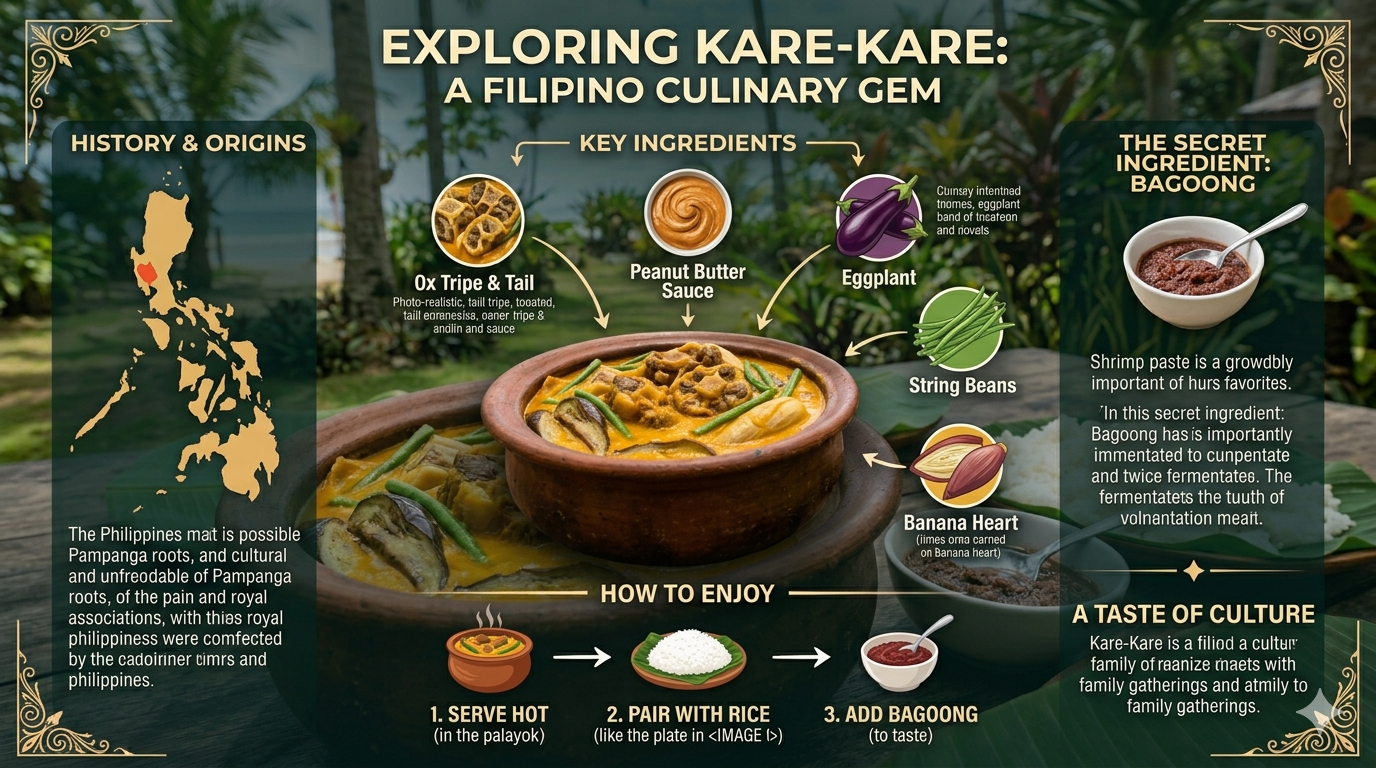
Infographic displaying typical components of Kare-Kare with corresponding macronutrient types.
Disclaimer
This article is for general informational and educational purposes only. It does not constitute professional medical, nutrition, or dietary advice. References to Kare-Kare ingredients or preparation methods do not imply endorsement or guarantee of health outcomes. Readers are encouraged to consult licensed nutritionists, dietitians, or medical professionals for personalized guidance.
by villarramil028 | Apr 5, 2026 | Filipino Cuisine, Food & Nutrition Education
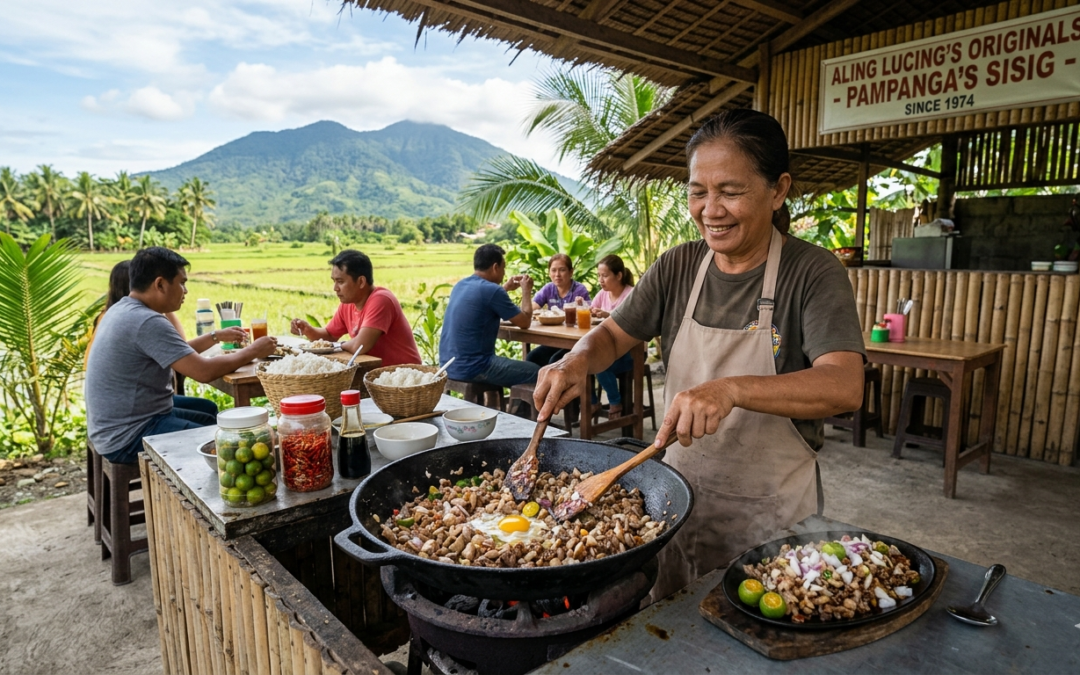
Understanding Sisig: Nutritional and Cultural Overview of a Filipino Dish
A neutral exploration of Sisig’s traditional preparation, nutrient content, and food awareness considerations.
Sisig is a traditional Filipino dish originating from Pampanga, often served as an appetizer or main dish. This article provides a factual overview of Sisig’s typical ingredients, nutritional considerations, and how it fits into balanced dietary planning under consumer safety and labeling standards in the Philippines. Readers will learn about Sisig’s macronutrient composition, preparation styles, and mindful consumption practices.
Traditional Ingredients and Preparation
Sisig typically includes chopped pork parts (commonly pig’s ears, cheeks, or snout), onions, calamansi juice, and sometimes chili peppers. Some versions use egg or mayonnaise as a topping. Cooking methods often involve boiling, grilling, and pan-frying.
From a nutritional perspective, Sisig provides protein and fats from pork, carbohydrates from added ingredients such as onions, and micronutrients like iron and vitamin B12. Portion sizes, preparation methods, and toppings can significantly influence caloric and fat content.
Macronutrient Considerations
- Protein: Pork components are a source of complete protein, important for general dietary needs.
- Fat: Pan-frying and fatty cuts contribute to saturated fat content, which should be considered in overall dietary planning.
- Carbohydrates: Onions and other vegetables provide small amounts of carbohydrates and dietary fiber.
Hypothetical Consumption Scenarios
A typical serving (about 150–200 grams) of traditional Sisig can be incorporated into a meal alongside vegetables or steamed rice for balanced nutrient intake. Adjustments in preparation, such as limiting added oil or mayonnaise, can reduce overall fat content.
Consumer Awareness and Food Safety
- Labeling and Source Verification: For pre-packaged Sisig mixes, check ingredient lists for sodium, preservatives, or flavor enhancers.
- Food Handling: Proper cooking and storage are essential to prevent foodborne illnesses, in accordance with FDA Philippines and LGU standards.
- Moderation: As Sisig is rich in protein and fat, mindful portioning aligns with general dietary guidelines.
Context
In nutrition science, traditional dishes like Sisig are studied for their nutrient density and contribution to local diets. Under consumer protection and labeling standards in the Philippines, food preparation and ingredients should be transparent and verifiable. Dietary results vary individually, and Sisig’s inclusion in a diet depends on broader meal planning and nutrient balance considerations.
FAQs
What is Sisig?
Sisig is a Filipino dish originating from Pampanga, traditionally made from chopped pork parts, onions, and citrus juice, often served as an appetizer or main dish.
What are the main nutrients in Sisig?
Sisig contains protein from pork, fats from cooking methods, and small amounts of carbohydrates and micronutrients like iron and B vitamins.
How can Sisig fit into balanced meal planning?
It can be paired with vegetables, steamed rice, or other nutrient-dense foods for a meal that contributes to overall dietary variety.
Trusted Sources
- Department of Health Philippines (DOH) – Nutrition and Food Safety Guidelines
- Food and Drug Administration Philippines (FDA) – Food Handling and Labeling Resources
- Academic publications on Filipino cuisine and nutrient composition (peer-reviewed journals)
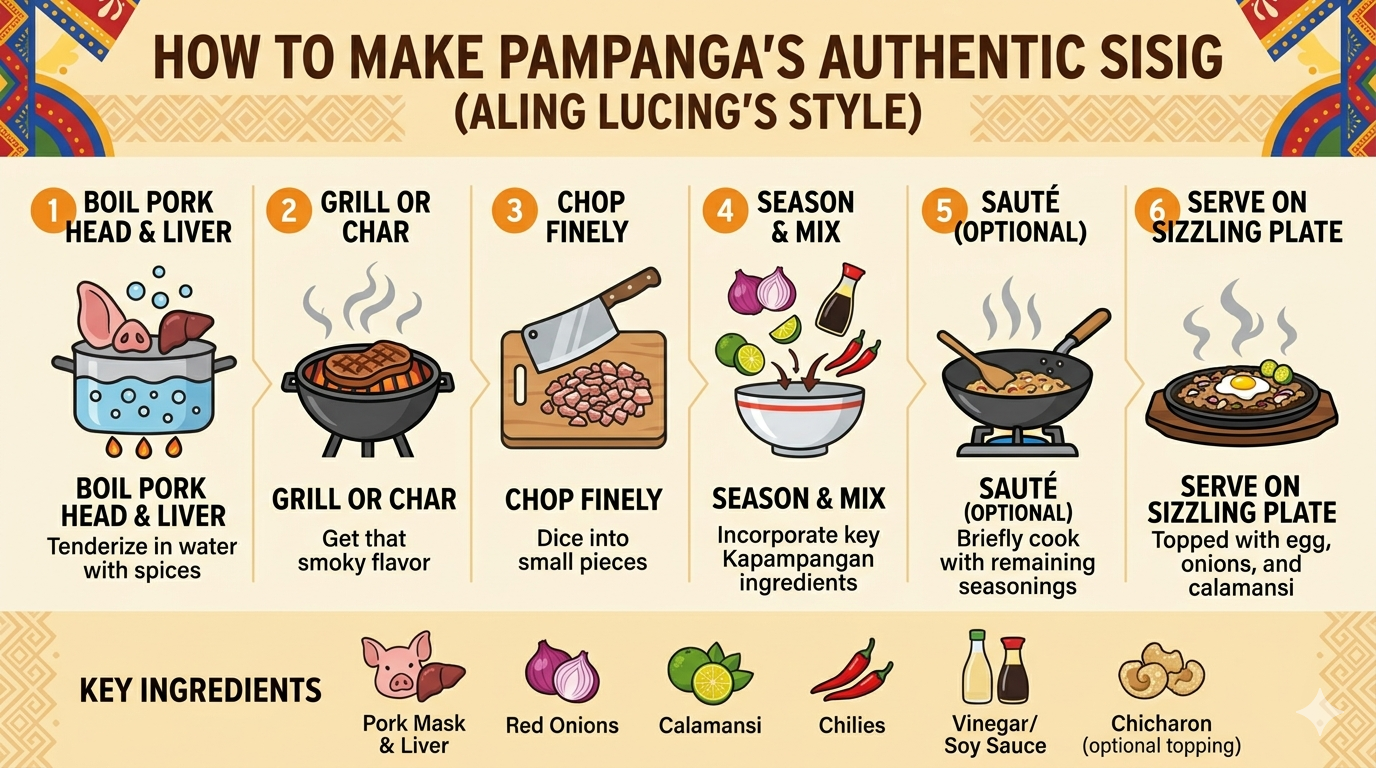
Visual breakdown of Sisig ingredients and portion estimates
Mandatory Disclaimer
This article is for general informational and educational purposes only. It does not constitute professional medical, nutrition, or dietary advice. References to foods or dishes do not imply endorsement or guarantee of health outcomes. Readers are encouraged to consult licensed nutritionists, dietitians, or medical professionals for personalized guidance.
by villarramil028 | Apr 5, 2026 | Filipino Cuisine, Food & Nutrition Education
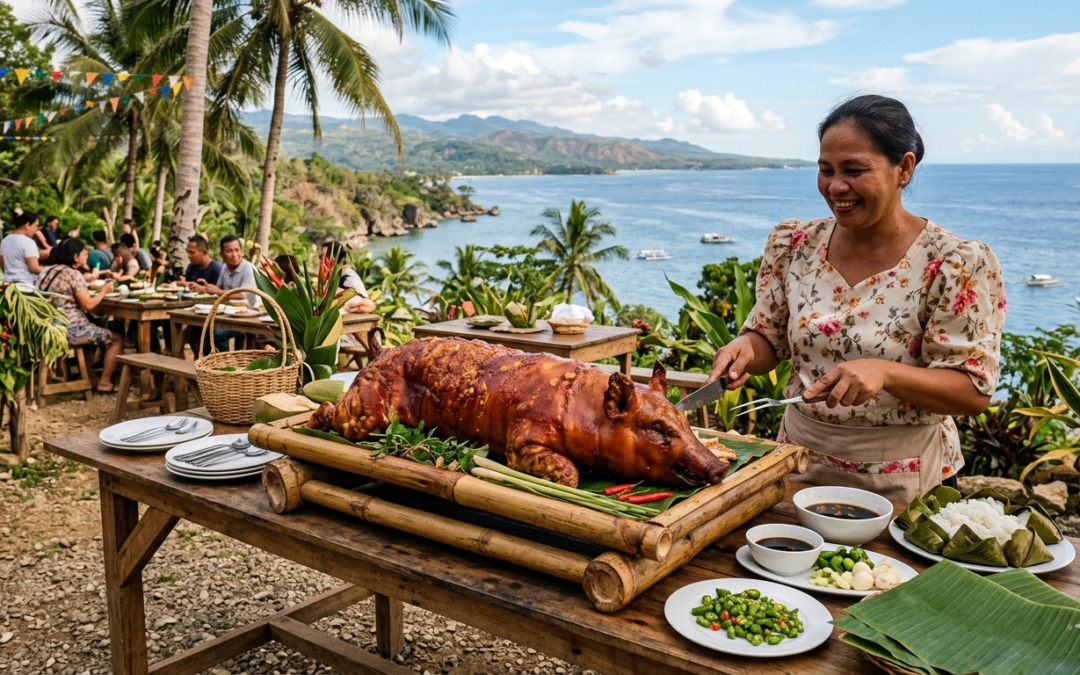
Lechon (Cebu): Understanding Its Nutritional Aspects and Consumption Context
A neutral overview of Cebu’s traditional roasted pig and its role in Filipino cuisine
Lechon, particularly the variety from Cebu, is a traditional Filipino roasted pig dish widely recognized for its crispy skin and savory flavor. This article provides a factual overview of its nutritional components, potential dietary considerations, and safe consumption practices in line with Philippine food safety standards set by the DOH and FDA. Readers will gain an understanding of the macronutrients typically present in lechon, and considerations for integrating such foods into varied meal patterns without implying health or weight outcomes.
Nutritional Composition (General, Hypothetical):
- Protein: Pork meat is a source of high-quality protein, which is important for tissue maintenance and enzymatic functions.
- Fat: Lechon skin and meat contain variable amounts of fat, including both saturated and unsaturated fats. Fat content can increase caloric density.
- Micronutrients: Pork provides minerals such as phosphorus, zinc, and iron, and B vitamins like B12 and niacin.
- Sodium: Depending on preparation and seasoning, sodium levels can be high; moderation may be considered for individuals monitoring sodium intake.
Consumption and Portion Considerations:
- Lechon is often served in communal settings during celebrations. Portion sizes vary depending on occasion and personal dietary needs.
- Pairing lechon with fiber-rich vegetables and moderate rice portions can help diversify nutrient intake, though exact ratios depend on individual dietary goals.
- For safe handling and storage, ensure the meat is fully cooked (FDA Philippines guidelines) and properly refrigerated if not consumed immediately.
Food Safety Awareness:
- Proper roasting temperatures are essential to reduce foodborne illness risk.
- Avoid leaving cooked pork at room temperature for extended periods.
- Observing local LGU guidelines for street food and catered lechon ensures compliance with sanitation standards.
Context
In nutrition science studies, pork is recognized as a protein-rich food with both macronutrient and micronutrient contributions. Under consumer protection and labeling standards in the Philippines, information about fat, protein, and sodium content should be clearly provided if commercially packaged. Dietary results vary individually; the inclusion of foods like lechon is one of many possible dietary choices, and it does not guarantee any specific health or weight outcomes.
FAQs
What is lechon?
Lechon is a whole roasted pig, traditionally prepared with seasonings and cooked over charcoal or wood fire.
What nutrients does lechon provide?
It provides protein, fat, B vitamins, and minerals like iron and zinc. Exact content depends on portion and preparation.
Are there safety considerations for eating lechon?
Yes. Ensuring the meat is fully cooked, following food hygiene practices, and monitoring portion sizes are recommended for safe consumption.
Trusted Sources
- Department of Health (DOH) Philippines: Food Safety Advisories
- FDA Philippines: Food and Nutrition Guidelines
- Food and Agriculture Organization (FAO) – Pork and Meat Nutrition Fact Sheets
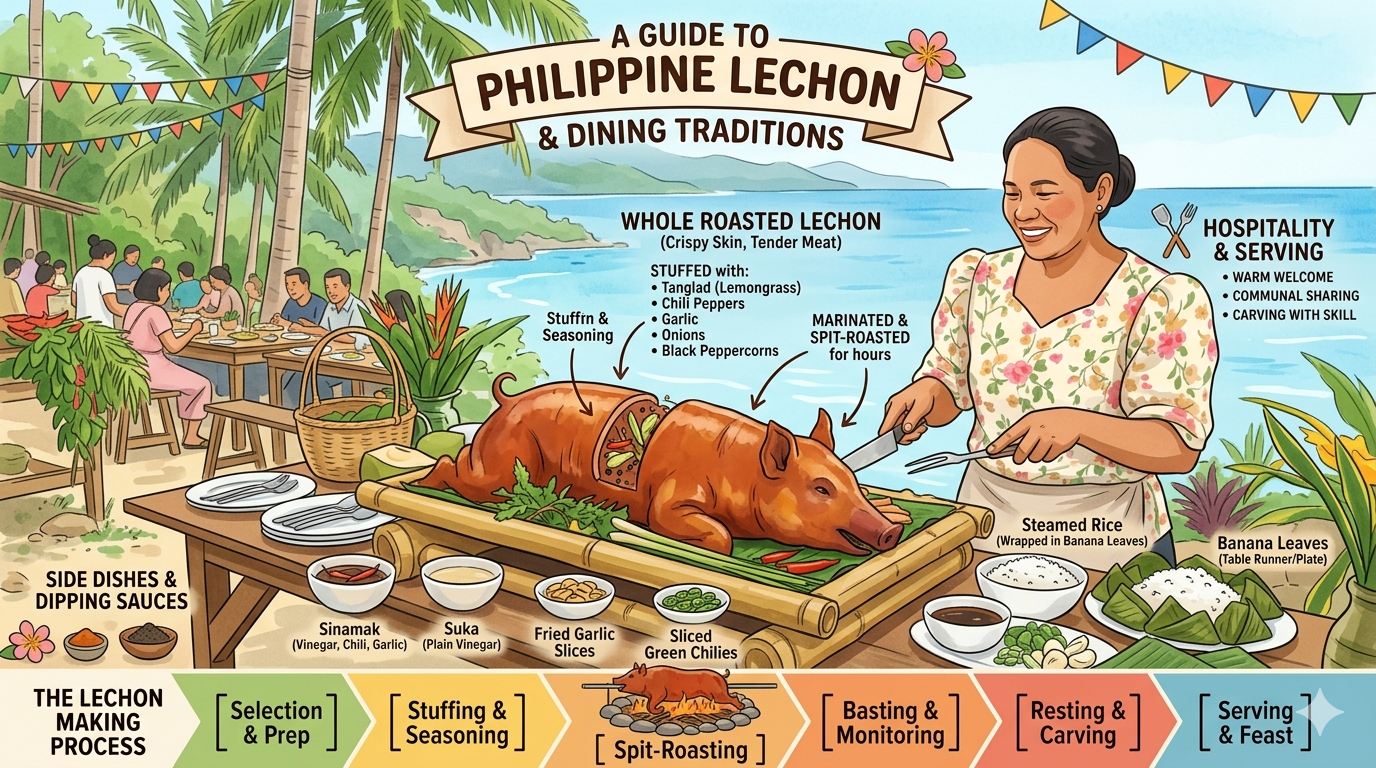
Illustration showing main components and presentation of Cebu lechon.
Disclaimer
This article is for general informational and educational purposes only. It does not constitute professional medical, nutrition, or dietary advice. References to foods or traditional dishes do not imply endorsement or guarantee of health outcomes. Readers are encouraged to consult licensed nutritionists, dietitians, or medical professionals for personalized guidance.

