Lechon (Cebu): Understanding Its Nutritional Aspects and Consumption Context
A neutral overview of Cebu’s traditional roasted pig and its role in Filipino cuisine
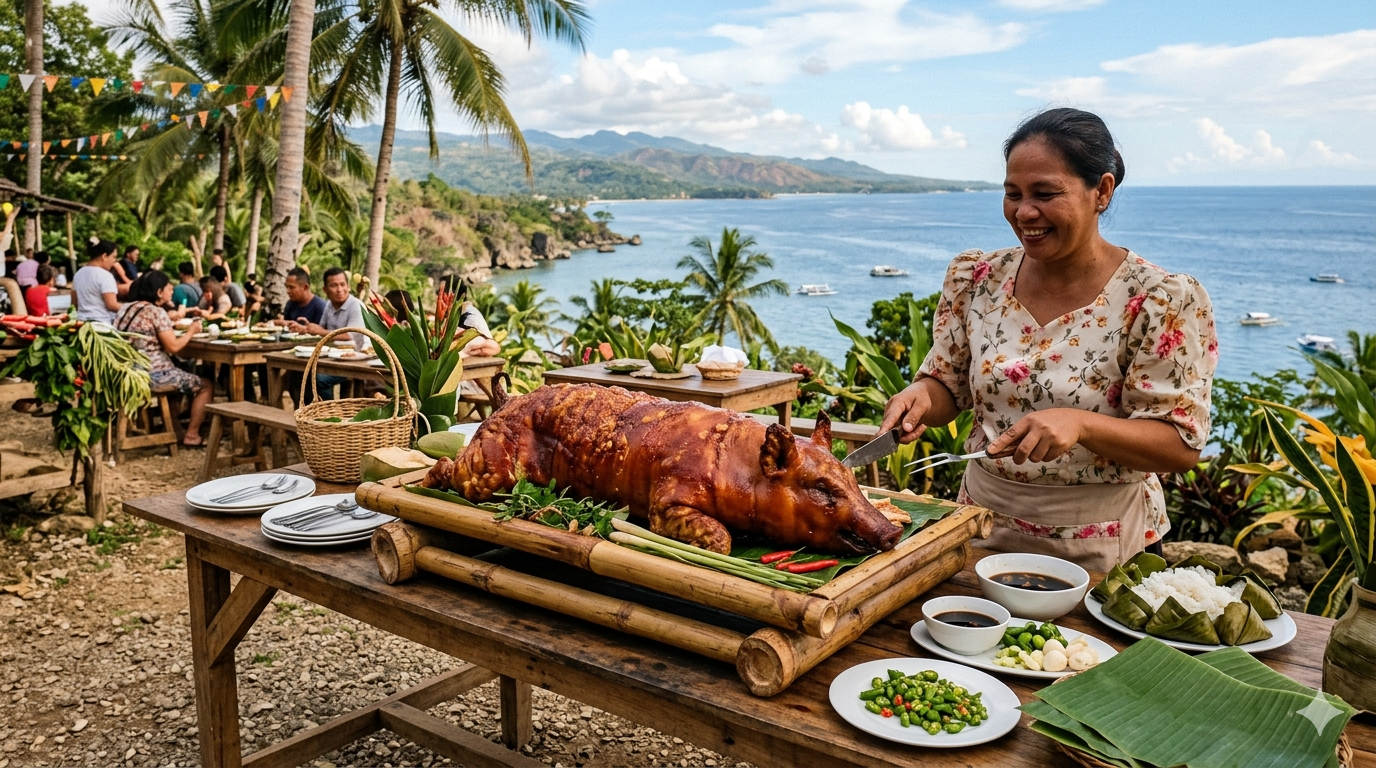
Lechon, particularly the variety from Cebu, is a traditional Filipino roasted pig dish widely recognized for its crispy skin and savory flavor. This article provides a factual overview of its nutritional components, potential dietary considerations, and safe consumption practices in line with Philippine food safety standards set by the DOH and FDA. Readers will gain an understanding of the macronutrients typically present in lechon, and considerations for integrating such foods into varied meal patterns without implying health or weight outcomes.
Nutritional Composition (General, Hypothetical):
- Protein: Pork meat is a source of high-quality protein, which is important for tissue maintenance and enzymatic functions.
- Fat: Lechon skin and meat contain variable amounts of fat, including both saturated and unsaturated fats. Fat content can increase caloric density.
- Micronutrients: Pork provides minerals such as phosphorus, zinc, and iron, and B vitamins like B12 and niacin.
- Sodium: Depending on preparation and seasoning, sodium levels can be high; moderation may be considered for individuals monitoring sodium intake.
Consumption and Portion Considerations:
- Lechon is often served in communal settings during celebrations. Portion sizes vary depending on occasion and personal dietary needs.
- Pairing lechon with fiber-rich vegetables and moderate rice portions can help diversify nutrient intake, though exact ratios depend on individual dietary goals.
- For safe handling and storage, ensure the meat is fully cooked (FDA Philippines guidelines) and properly refrigerated if not consumed immediately.
Food Safety Awareness:
- Proper roasting temperatures are essential to reduce foodborne illness risk.
- Avoid leaving cooked pork at room temperature for extended periods.
- Observing local LGU guidelines for street food and catered lechon ensures compliance with sanitation standards.
Context
In nutrition science studies, pork is recognized as a protein-rich food with both macronutrient and micronutrient contributions. Under consumer protection and labeling standards in the Philippines, information about fat, protein, and sodium content should be clearly provided if commercially packaged. Dietary results vary individually; the inclusion of foods like lechon is one of many possible dietary choices, and it does not guarantee any specific health or weight outcomes.
FAQs
What is lechon?
Lechon is a whole roasted pig, traditionally prepared with seasonings and cooked over charcoal or wood fire.
What nutrients does lechon provide?
It provides protein, fat, B vitamins, and minerals like iron and zinc. Exact content depends on portion and preparation.
Are there safety considerations for eating lechon?
Yes. Ensuring the meat is fully cooked, following food hygiene practices, and monitoring portion sizes are recommended for safe consumption.
Trusted Sources
- Department of Health (DOH) Philippines: Food Safety Advisories
- FDA Philippines: Food and Nutrition Guidelines
- Food and Agriculture Organization (FAO) – Pork and Meat Nutrition Fact Sheets
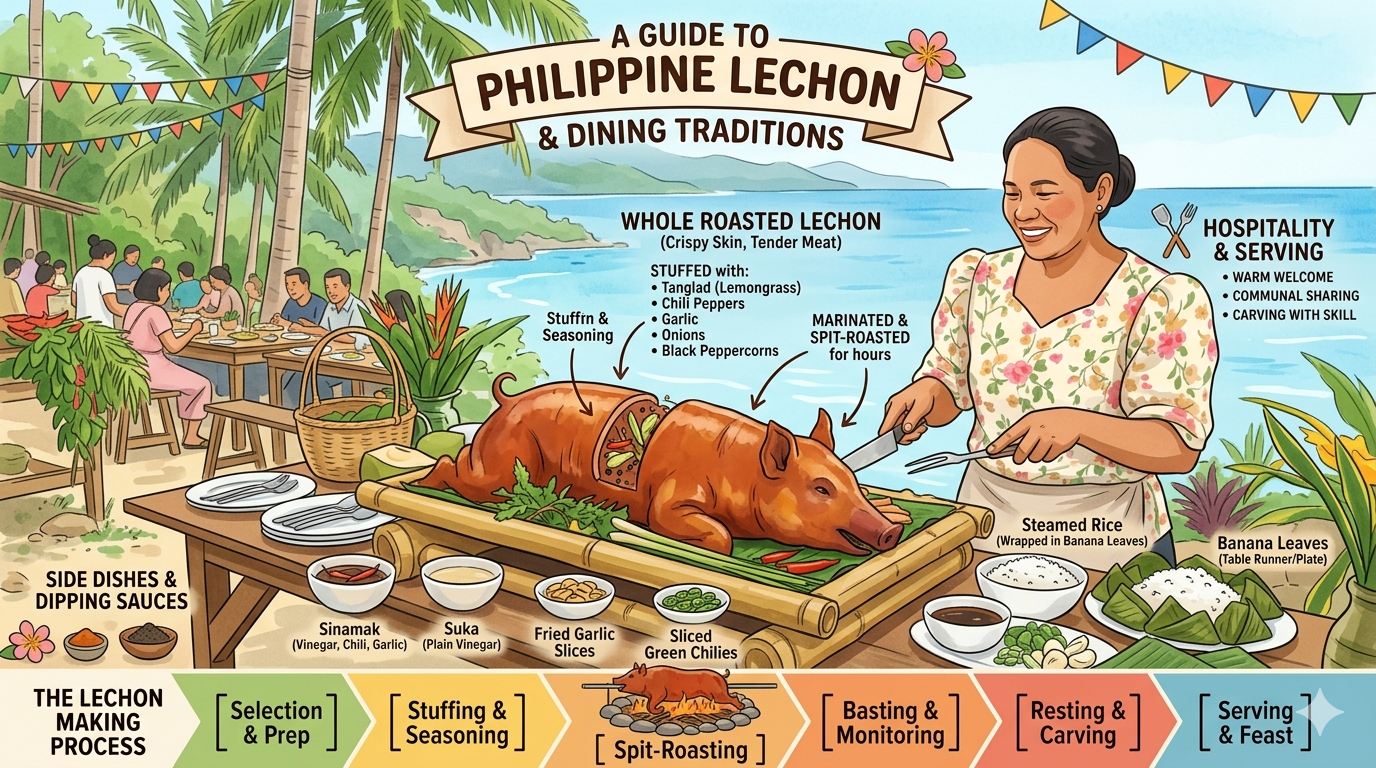
Illustration showing main components and presentation of Cebu lechon.
Disclaimer
This article is for general informational and educational purposes only. It does not constitute professional medical, nutrition, or dietary advice. References to foods or traditional dishes do not imply endorsement or guarantee of health outcomes. Readers are encouraged to consult licensed nutritionists, dietitians, or medical professionals for personalized guidance.