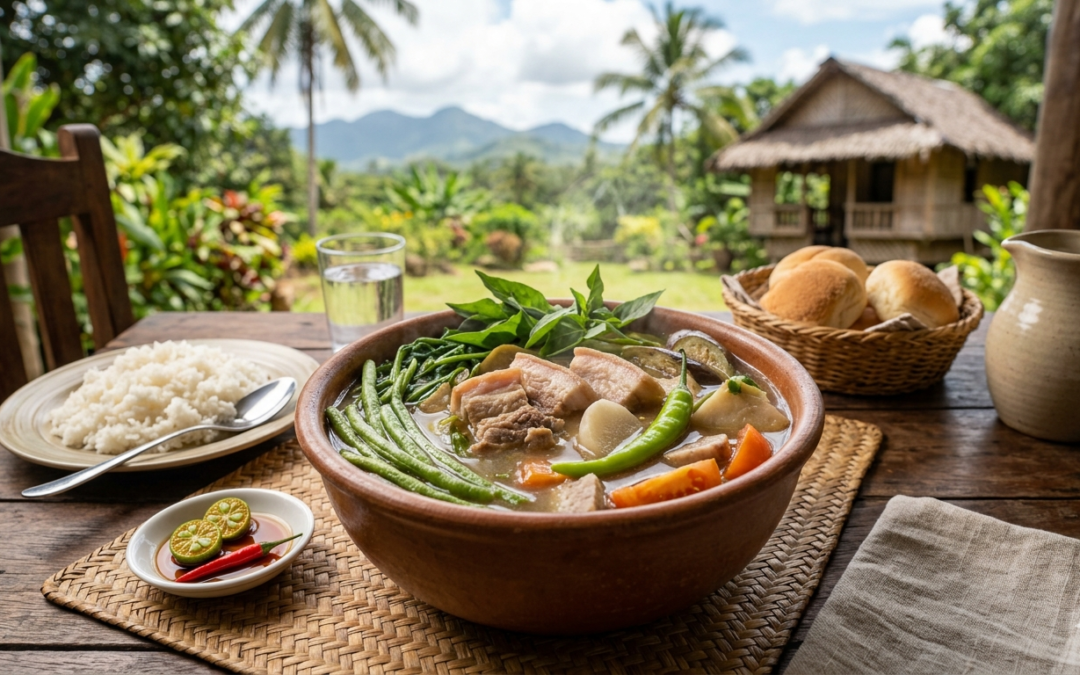
by villarramil028 | Apr 5, 2026 | Filipino Cuisine, Food & Nutrition Education
Understanding Sinigang: A Nutritional Perspective
A neutral overview of its ingredients, nutrient composition, and dietary considerations
Sinigang is a traditional Filipino soup known for its characteristic sour flavor, typically achieved using tamarind, calamansi, or other souring agents. This article provides an educational overview of sinigang’s common ingredients, macronutrient and micronutrient content, and considerations for balanced meal planning. It references dietary guidance from the Department of Health (DOH) and food labeling standards from the Food and Drug Administration (FDA Philippines).
Nutritional Principles in Sinigang
Sinigang generally combines a protein source (e.g., pork, fish, shrimp, or chicken) with various vegetables (e.g., kangkong, sitaw, radish, eggplant, tomatoes) and a souring agent. From a nutritional perspective:
- Protein: Found in meat, fish, or shrimp. Supports general body maintenance but does not guarantee specific muscle or weight outcomes.
- Carbohydrates: Primarily from vegetables. These provide fiber, which contributes to digestive health and satiety.
- Vitamins and Minerals: Vegetables in sinigang supply vitamin C, potassium, folate, and antioxidants.
- Fat: Depending on the cut of meat, fat content varies. Leaner protein options typically contain less saturated fat.
Hypothetical Meal Example
A neutral illustration of a sinigang meal could include:
- 1 cup cooked rice (carbohydrates)
- 1 serving pork sinigang with assorted vegetables (protein, fiber, vitamins, minerals)
- 1 small serving of fresh fruit for dessert (optional, micronutrient support)
This example demonstrates nutrient variety and portion awareness. Individual nutrient needs vary, and dietary planning may consider factors such as caloric intake, activity level, and personal health conditions.
Safe Eating Practices
- Monitor sodium: Commercial broths or flavoring mixes may contain high sodium. Consumers can adjust by using natural souring agents and fresh ingredients.
- Balanced portions: Include vegetables to increase fiber and vitamins, and moderate protein portions according to personal dietary needs.
- Ingredient verification: Check labels of prepackaged sinigang mixes for allergens or additives, in line with FDA labeling guidelines.
Context
In nutrition science studies, traditional dishes like sinigang are considered nutrient-dense when prepared with a variety of vegetables and lean proteins. Under consumer protection and labeling standards in the Philippines, processed food products associated with sinigang (e.g., seasoning mixes) must display ingredients, allergens, and expiration dates. Diet planning typically involves balancing macronutrients (protein, carbohydrates, fat) and ensuring adequate micronutrient intake. Dietary results vary individually; consultation with licensed nutritionists or medical professionals is recommended for personalized guidance.
FAQs
What is sinigang?
Sinigang is a Filipino soup dish characterized by a sour broth, often prepared with meat, seafood, or vegetables.
What nutrients are commonly found in sinigang?
It contains protein from the main protein source, fiber and vitamins from vegetables, and variable fat depending on the meat used.
How can sinigang fit into a balanced meal?
Including a portion of rice, a variety of vegetables, and a protein source in sinigang can contribute to overall nutrient variety without implying specific health outcomes.
Trusted Sources
- Department of Health (DOH) Philippines — Nutrition Guidelines
- Food and Drug Administration (FDA Philippines) — Food Labeling and Safety Advisories
- Philippine Journal of Nutrition and Dietetics — Peer-Reviewed Articles on Filipino Foods
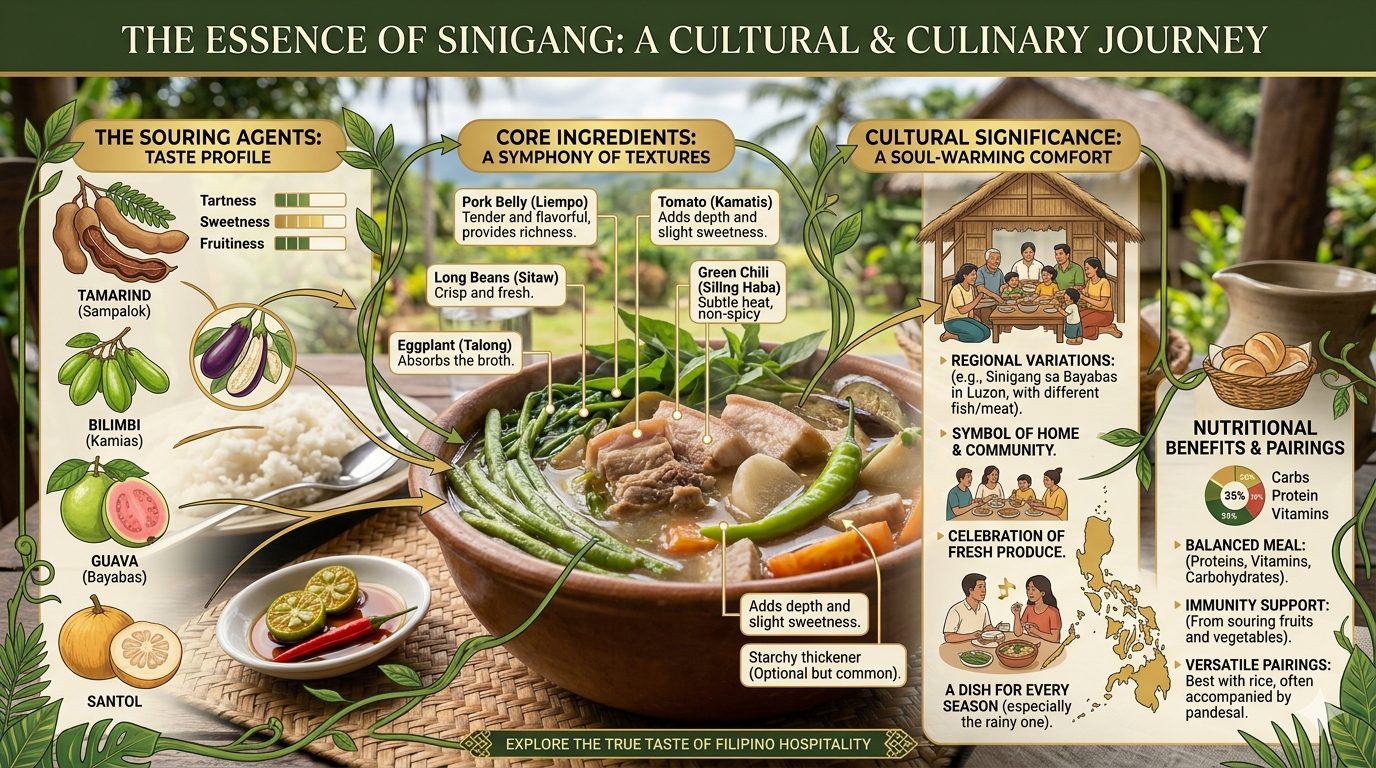
Visual representation of sinigang ingredients grouped by protein, vegetables, and
Disclaimer
This article is for general informational and educational purposes only. It does not constitute professional medical, nutrition, or dietary advice. References to foods or ingredients do not imply endorsement or guarantee of health outcomes. Readers are encouraged to consult licensed nutritionists, dietitians, or medical professionals for personalized guidance.
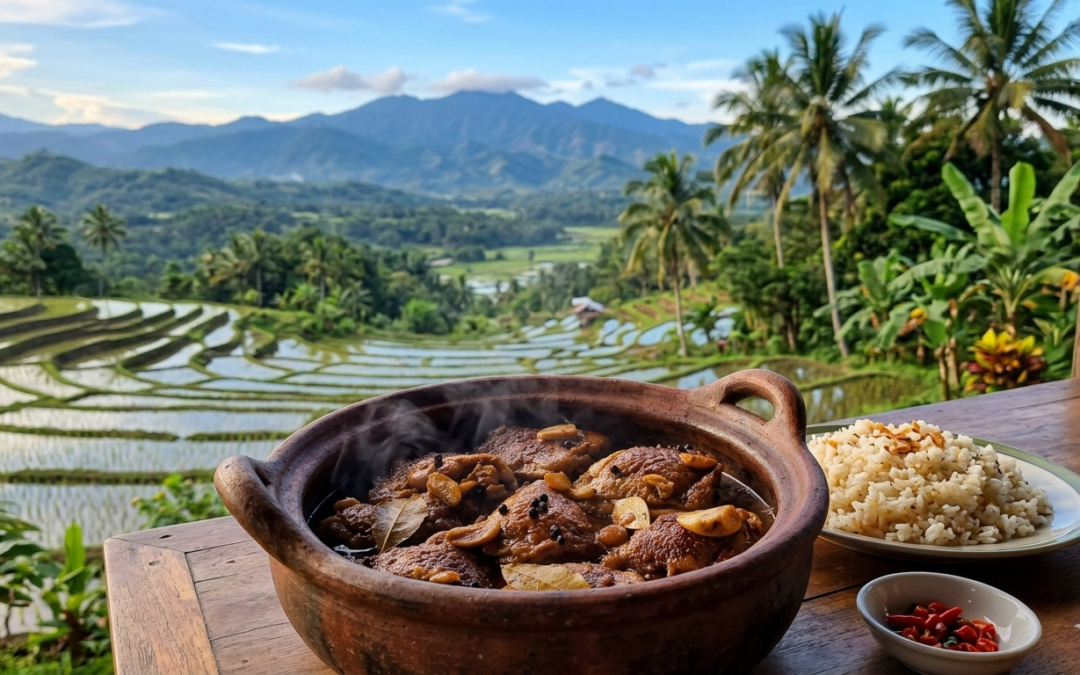
by villarramil028 | Apr 5, 2026 | Filipino Cuisine, Food & Nutrition Education
Understanding Filipino Adobo: Nutritional Overview
A neutral look at adobo as a traditional Filipino dish, its ingredients, and nutritional considerations.
Adobo is a widely recognized traditional Filipino dish commonly prepared with meat (such as chicken or pork), vinegar, soy sauce, garlic, and spices. This article provides a neutral overview of adobo’s typical ingredients, macronutrient composition, and consumer considerations, in line with Philippine food safety and labeling standards from DOH and FDA Philippines.
Ingredients and Nutritional Components
- Protein sources: Chicken, pork, or tofu provide essential amino acids.
- Carbohydrates: Minimal in traditional adobo; mainly from added sugar or served rice.
- Fats: Present in the meat and cooking oil; contribute to energy intake.
- Sodium: Soy sauce and other seasonings increase sodium content; moderation is advised for overall dietary balance.
- Other nutrients: Garlic, bay leaves, and vinegar contribute flavor and contain small amounts of micronutrients.
Cooking Considerations
- Portion control: A typical serving of adobo can be part of a balanced meal when combined with vegetables and whole grains.
- Food safety: Meat should be cooked to appropriate internal temperatures to prevent foodborne illness.
- Dietary balance: Including a variety of food groups alongside adobo supports overall nutrient intake.
Hypothetical Meal Example
A neutral illustrative plate might include:
- 1 cup cooked brown rice
- 100–120 g chicken adobo
- Steamed vegetables (e.g., carrots, green beans)
This combination demonstrates a mix of protein, carbohydrates, and fiber without implying health outcomes or weight effects.
Context
In nutrition science studies, traditional dishes like adobo are analyzed for their nutrient composition and energy contribution. Under consumer protection and labeling standards, understanding ingredients, sodium levels, and portion sizes is part of safe dietary practice. Dietary results vary individually, and consulting licensed nutrition professionals is recommended for personalized guidance.
FAQs
What is adobo?
Adobo is a Filipino dish typically made with meat, vinegar, soy sauce, garlic, and spices, often served with rice.
What nutrients are in adobo?
It contains protein, fat, minimal carbohydrates (depending on preparation), and micronutrients from ingredients such as garlic and bay leaves.
Is adobo safe to eat daily?
Adobo can be included in a balanced diet, considering portion sizes, sodium content, and overall nutrient variety.
Trusted Sources
- Department of Health (DOH) Philippines — Food Safety Advisories
- Food and Drug Administration (FDA Philippines) — Nutrition and Labeling Guidelines
- Philippine Dietary Reference Intakes (PDRI)
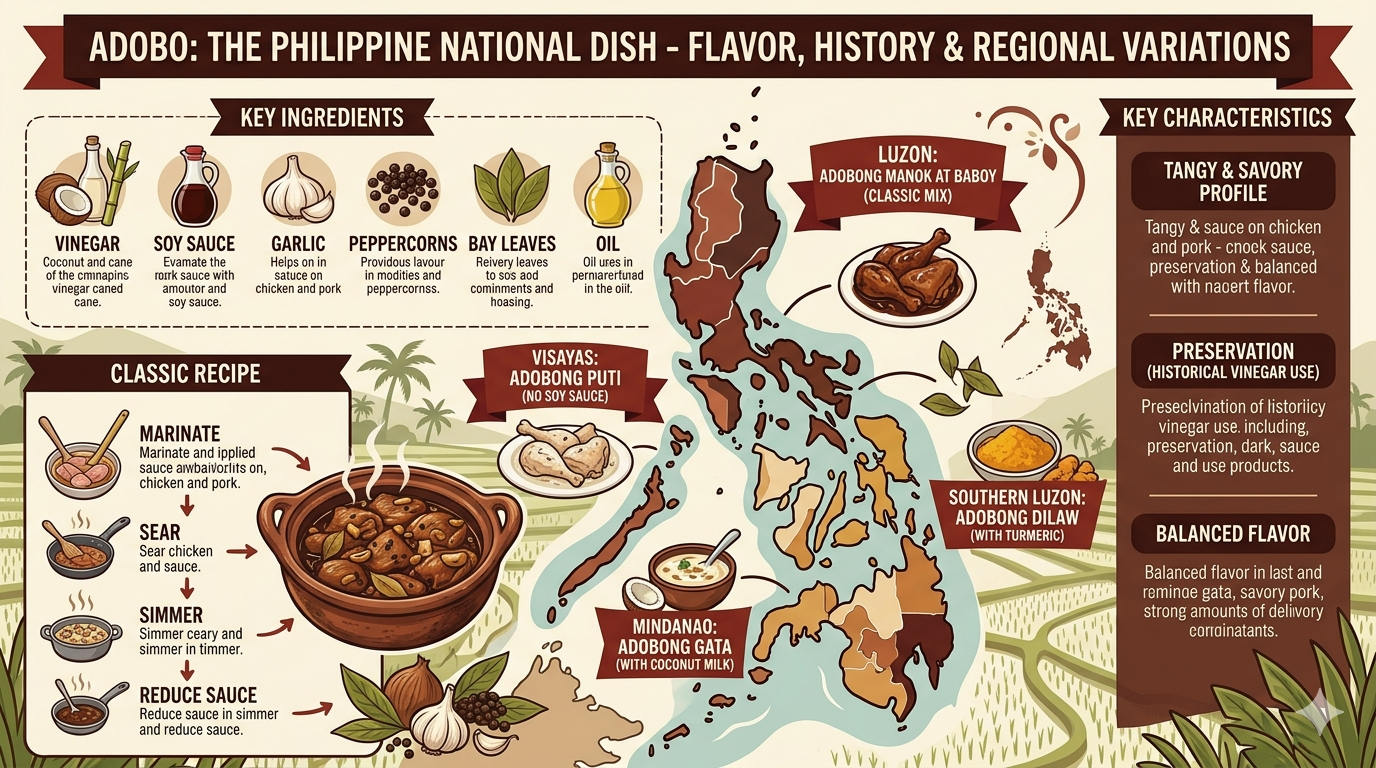
Diagram of typical adobo ingredients and cooking steps
Disclaimer
This article is for general informational and educational purposes only. It does not constitute professional medical, nutrition, or dietary advice. References to foods or traditional dishes do not imply endorsement or guarantee of health outcomes. Readers are encouraged to consult licensed nutritionists, dietitians, or medical professionals for personalized guidance.
by villarramil028 | Apr 5, 2026 | Food & Nutrition Education
Seaweed Salads and Seafood-Based Meals: An Educational Overview of Nutrient-Rich Ingredients
A neutral guide to sea vegetables and seafood foods commonly used in salads and meal preparation.
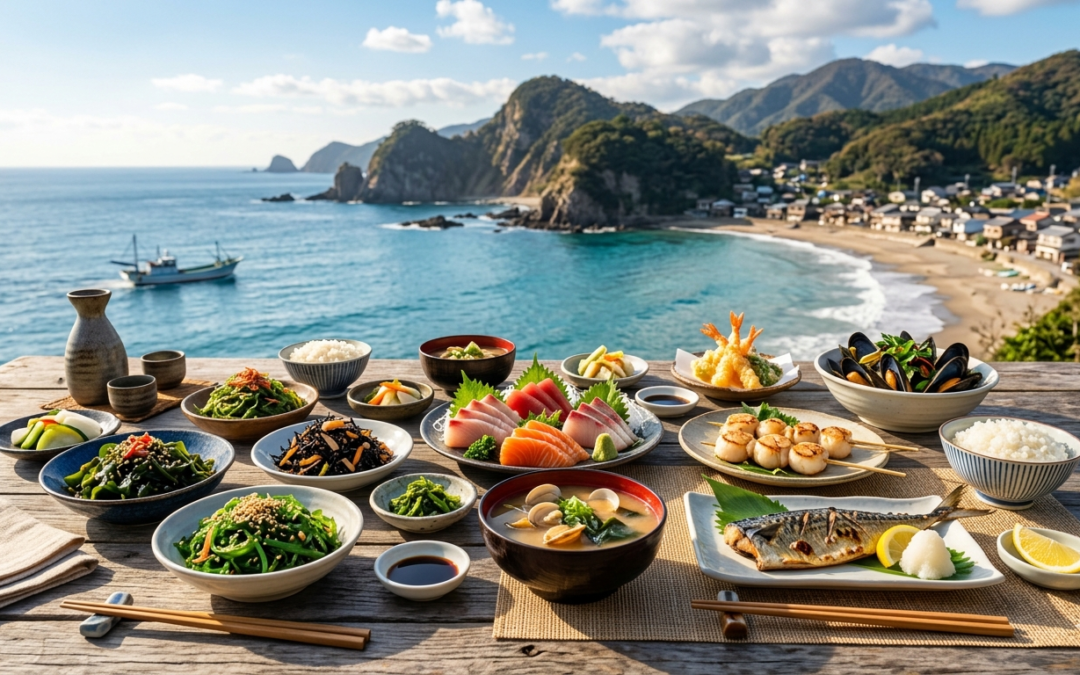
Seaweed salads and seafood-based meals appear in many coastal cuisines and food traditions. These dishes often combine marine ingredients such as edible seaweeds, fish, shellfish, and vegetables. In the Philippines and other maritime regions, these foods are commonly included in household meals and restaurant menus. This article provides a neutral overview of seaweed and seafood ingredients, their basic nutritional characteristics, and how they may be used in meal planning and food preparation.
Seaweed in Food Preparation
Seaweed refers to edible marine algae that can be consumed fresh, dried, or rehydrated. Several types are used in salads and side dishes.
Common edible seaweeds include:
- Lato (sea grapes) – small green seaweed often eaten fresh in salads.
- Kelp – brown seaweed sometimes used in soups and salads.
- Nori – dried seaweed sheets commonly used in various dishes.
- Wakame – seaweed frequently used in salads and soups.
Edible seaweeds may contain varying amounts of:
- dietary fiber
- iodine
- small amounts of protein
- minerals such as calcium, iron, and magnesium
Nutrient levels differ depending on the species, harvesting location, and preparation method.
Seafood as a Meal Component
Seafood refers to aquatic animals used as food, including fish and shellfish. In many coastal diets, seafood is a common source of dietary protein.
Examples of seafood used in meals include:
- Tuna
- Shrimp
- Squid
- Milkfish (Bangus)
Seafood may provide:
- protein
- omega-3 fatty acids
- vitamin B12
- selenium and iodine
The nutritional composition varies by species and cooking method.
Seaweed Salad Components
Seaweed salads may include a mix of ingredients that contribute flavor and texture.
Illustrative components:
- fresh Lato (sea grapes)
- sliced tomatoes
- chopped onions
- vinegar or citrus-based dressing
- optional seafood such as Shrimp or Squid
Such dishes may be served as side dishes or part of larger meals. Portion sizes and ingredient combinations vary depending on household practices and culinary traditions.
Seafood-Based Meal Examples
Seafood can be incorporated into various meal structures. The following examples illustrate how marine foods might appear in typical meal compositions.
Example meal structure:
Breakfast
- rice or grains
- fish such as Milkfish (Bangus)
Lunch
- vegetable dish
- seafood dish such as Shrimp or Squid
- rice or other staple foods
Dinner
- fish such as Tuna
- vegetable side dish
- seaweed salad
These examples are illustrative and do not represent specific dietary plans.
Context
In nutrition science discussions, foods are often categorized by nutrient contribution. Seafood may provide protein and certain fatty acids, while seaweed may contribute fiber and minerals. Balanced dietary patterns typically involve a variety of food groups such as vegetables, grains, protein sources, and fruits.
Under Philippine food safety and labeling oversight by the Department of Health and the Food and Drug Administration, packaged seafood products and processed seaweed foods are expected to follow food labeling and safety regulations. Consumers commonly review ingredient lists, storage instructions, and expiration dates when purchasing packaged foods.
Dietary responses and nutritional needs vary among individuals. Personalized dietary planning may involve consultation with licensed nutrition professionals.
FAQs
What is seaweed salad?
Seaweed salad refers to dishes prepared with edible seaweed combined with vegetables, seasonings, or seafood. The ingredients and preparation methods vary across cuisines and regions.
What nutrients are commonly found in seafood?
Seafood may contain protein, omega-3 fatty acids, vitamin B12, and minerals such as selenium and iodine. Nutrient amounts differ depending on the species and preparation method.
How are seaweeds used in meals?
Edible seaweeds can be used in salads, soups, side dishes, or garnishes. They may be consumed fresh, dried, or rehydrated depending on the culinary application.
Trusted Sources
- Department of Health — nutrition and health advisories
- Food and Drug Administration — food labeling and safety guidelines
- Food and Agriculture Organization of the United Nations — seafood and marine food resources
- Academic journals in nutrition science and dietetics
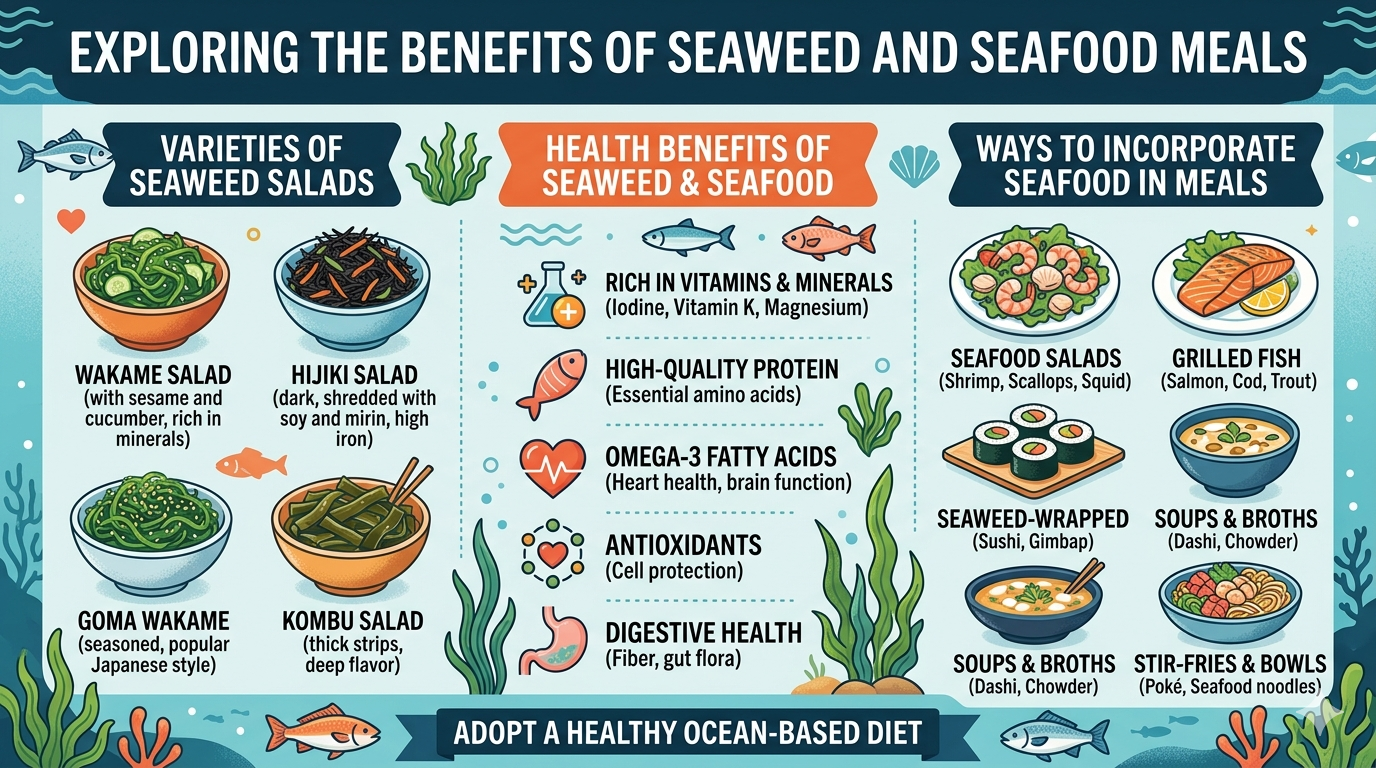
Illustration of edible seaweed varieties and seafood ingredients used in food preparation.
Disclaimer
This article is for general informational and educational purposes only. It does not constitute professional medical, nutrition, or dietary advice. References to diets, foods, or supplements do not imply endorsement or guarantee of health outcomes. Readers are encouraged to consult licensed nutritionists, dietitians, or medical professionals for personalized guidance.

by villarramil028 | Apr 5, 2026 | Food & Nutrition Education
Curacha Dishes: Educational Overview of a Traditional Filipino Seafood Ingredient
A neutral introduction to culinary uses of curacha and general nutrition considerations in seafood meals.
Curacha is a seafood ingredient used in several Filipino dishes, particularly in coastal areas of Mindanao. The term commonly refers to the spanner crab species Ranina ranina. In the Philippines, curacha dishes are often associated with the cuisine of Zamboanga City. This article provides an educational overview of common curacha dishes, basic nutrition considerations for crab-based meals, and general consumer awareness when purchasing seafood.
What Is Curacha?
Curacha refers to a type of crab known for its broad, reddish shell and firm meat. It is commonly harvested in tropical waters across the Indo-Pacific region. In Filipino cuisine, curacha is typically prepared with sauces that highlight the natural flavor of the crab.
Crab meat generally contains protein and minerals such as zinc and selenium. Like other seafood, nutritional composition varies depending on portion size, preparation methods, and accompanying ingredients.
Examples of Curacha Dishes in Filipino Cuisine
Curacha in Alavar Sauce
One well-known preparation from Zamboanga City involves serving curacha with a sauce made from coconut milk, crab fat, and spices. The sauce coats the crab meat and shell.
From a nutrition perspective, coconut milk contributes dietary fats and calories. The overall nutrient profile of the dish depends on portion sizes and other ingredients used during cooking.
Steamed Curacha
Steaming is a simple preparation method in which the crab is cooked with minimal seasoning.
This approach generally involves:
- steaming the crab with water or broth
- adding aromatics such as garlic or ginger
- serving with dipping sauces
Steaming can reduce the need for additional oils or sauces, although flavoring choices vary by household or restaurant preparation.
Curacha with Garlic and Butter
Another preparation combines sautéed garlic and butter with cooked crab. This method creates a rich flavor profile.
Butter contributes dietary fat and calories, while garlic is often used for aroma and taste. As with many seafood dishes, the nutritional profile changes depending on the quantity of added ingredients.
Nutrition Context of Crab-Based Meals
Seafood such as crab is commonly included in balanced meal planning because it can provide protein and trace minerals. However, dietary balance typically involves considering multiple food groups, including vegetables, grains, and fruits.
Nutrition planning may also consider:
- portion sizes
- preparation methods
- sodium levels in sauces
- overall meal composition
Food safety guidelines recommend proper storage and thorough cooking of seafood to reduce the risk of contamination.
Consumer Awareness When Purchasing Seafood
Under Philippine food safety and consumer protection standards monitored by agencies such as the Department of Health and the Food and Drug Administration Philippines, consumers are encouraged to verify that seafood is sourced from reputable vendors.
General indicators of fresh crab may include:
- firm shell and intact body
- mild ocean-like smell
- proper cold storage at markets
Local government units may also regulate seafood handling practices in wet markets and restaurants.
Regional Culinary Traditions
Curacha dishes illustrate how coastal communities incorporate locally available seafood into traditional cooking methods. Regional sauces, spices, and preparation styles often shape the flavor profile of the final dish.
In nutrition discussions, seafood dishes are typically considered as part of broader dietary patterns rather than as single ingredients determining health outcomes.
FAQs
What is curacha?
Curacha is a local Filipino name for the spanner crab species Ranina ranina. It is commonly used in seafood dishes in parts of Mindanao, particularly in Zamboanga cuisine.
How is curacha usually cooked?
Common preparations include steaming, cooking with garlic and butter, or serving with coconut-based sauces. Recipes and ingredients vary by household or restaurant.
Is crab commonly used in Filipino meals?
Crab appears in several regional Filipino seafood dishes. Its use depends on coastal availability, culinary traditions, and seasonal seafood supply.
Trusted Sources
- Department of Health – Food safety and nutrition advisories
- Food and Drug Administration Philippines – Food safety guidelines
- Food and Agriculture Organization of the United Nations – Seafood and fisheries information
- Peer-reviewed food science and nutrition journals
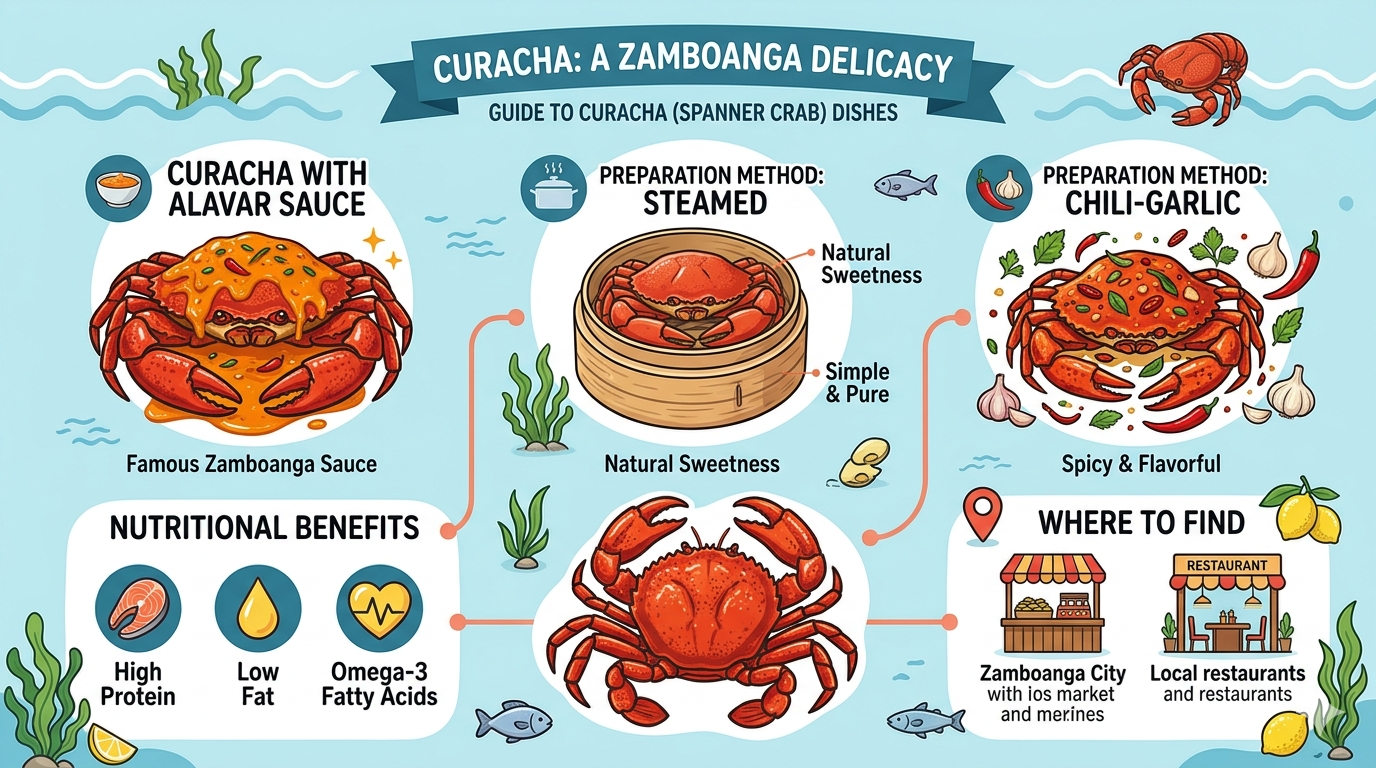
Illustrated overview of curacha dishes and spanner crab seafood preparations.
Disclaimer
This article is for general informational and educational purposes only. It does not constitute professional medical, nutrition, or dietary advice. References to diets, foods, or supplements do not imply endorsement or guarantee of health outcomes. Readers are encouraged to consult licensed nutritionists, dietitians, or medical professionals for personalized guidance.

by villarramil028 | Apr 3, 2026 | Filipino Cuisine, Food & Nutrition Education
Understanding Knickerbocker Dessert: A Nutritional Overview
A neutral look at this classic fruit and cream dessert
Knickerbocker dessert is a layered dessert that typically combines fresh fruits, sweetened cream, and sometimes jelly or sago. This article provides an educational overview of its ingredients, macronutrient composition, and considerations for safe dietary enjoyment. The information presented aligns with Philippine food safety and labeling standards under the DOH, FDA, and DTI.
Ingredients and Typical Composition
Knickerbocker dessert often includes:
- Fresh fruits: bananas, cherries, berries, or mangoes
- Sweetened cream or custard: made from milk, cream, or condensed milk
- Gelatin or jelly cubes
- Optional inclusions: sago pearls, nuts, or biscuit crumbs
Nutritional Considerations
- Carbohydrates: primarily from fruits, jelly, and any sweetened cream
- Protein: small amounts from dairy ingredients
- Fat: depends on cream or custard content
- Micronutrients: vitamins (e.g., vitamin C from fruits) and minerals (e.g., calcium from dairy)
Serving and Portion Notes (Hypothetical)
A typical serving (≈150 g) may provide:
- 150–200 kcal (calories vary with cream and sugar content)
- 20–30 g carbohydrates
- 3–5 g protein
- 5–10 g fat
This estimate is illustrative; actual values depend on the exact recipe and portion size.
Safe Consumption Practices
- Use fresh, properly washed fruits.
- Store refrigerated if prepared in advance.
- Check expiration dates on dairy and jelly products.
- Consume in moderation as part of a balanced diet.
Context
In nutrition science studies, desserts like Knickerbocker are considered energy-dense foods with vitamins and minerals from fruits but also added sugars and fats. Under Philippine labeling and consumer protection standards, products used in such desserts should display ingredients and expiration dates clearly. Dietary outcomes vary individually, and licensed nutrition or medical professionals can provide guidance for personalized meal planning.
FAQs
What is Knickerbocker dessert?
A layered dessert combining fruits, sweetened cream or custard, and sometimes jelly or sago, often served chilled.
Are there nutritional benefits to Knickerbocker dessert?
It provides vitamins and minerals from fruits and dairy, but also contains sugars and fats, which should be consumed in moderation.
Can I make a safe homemade version?
Yes, by using fresh, clean fruits, properly stored dairy, and following safe food-handling practices.
Trusted Sources
- Department of Health Philippines – Food Safety Guidelines
- FDA Philippines – Food Labeling and Consumer Information
- Academic nutrition journals on fruit-based desserts and dietary composition

Illustration of Knickerbocker dessert layers including fruits, cream, and jelly cubes.
Disclaimer
This article is for general informational and educational purposes only. It does not constitute professional medical, nutrition, or dietary advice. References to foods or desserts do not imply endorsement or guarantee of health outcomes. Readers are encouraged to consult licensed nutritionists, dietitians, or medical professionals for personalized guidance.
by villarramil028 | Apr 3, 2026 | Filipino Cuisine, Food & Nutrition Education
Understanding Satti: Cultural Food and Nutritional Overview
This article provides an educational overview of Satti, a traditional dish from Southern Philippines. It explains the dish’s cultural background, typical ingredients, and general nutritional considerations within the context of balanced dietary awareness. The discussion is informational and aligns with general consumer education principles referenced by Philippine food safety and nutrition guidance.
What Is Satti?
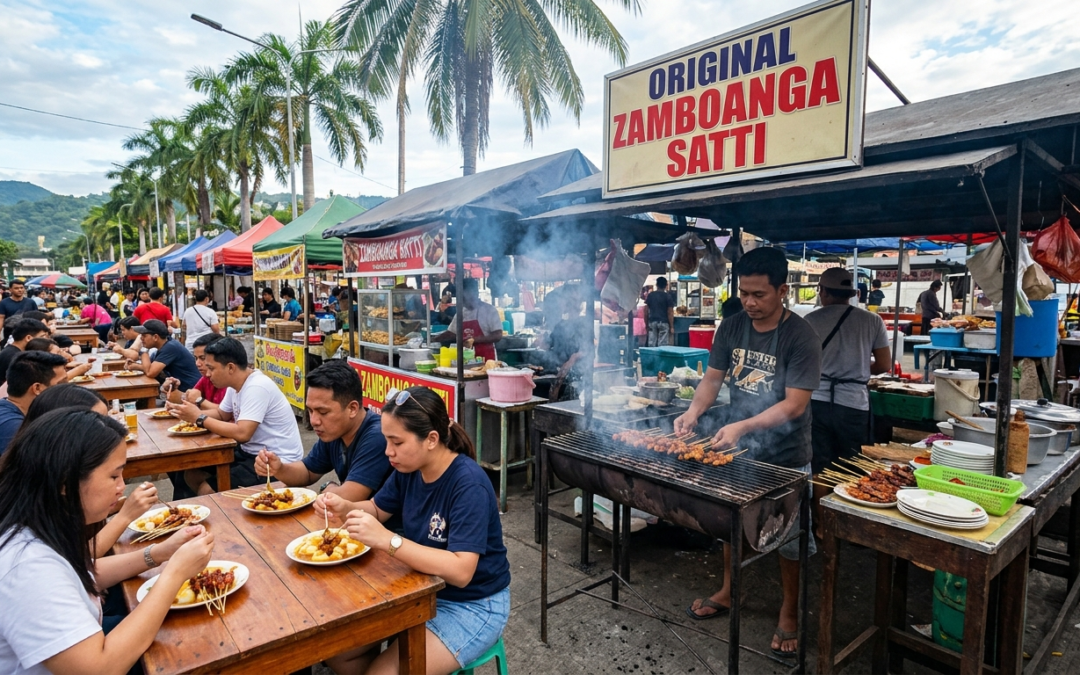
Satti is a grilled meat dish traditionally associated with Muslim Filipino communities in Mindanao, particularly in Zamboanga, Sulu, and nearby areas. It typically consists of small skewers of grilled meat served with a warm sauce and rice wrapped in coconut leaves.
The meat is commonly chicken or beef, though variations may include other proteins depending on local preparation practices. The skewers are usually grilled over charcoal, producing a smoky flavor that is characteristic of many Southeast Asian grilled dishes.
Satti is often associated with breakfast in some regions, where specialized eateries may open early in the morning to serve the dish.
Typical Components of a Satti Meal
A traditional serving may include the following elements:
1. Grilled Meat Skewers
- Small strips of marinated meat placed on wooden skewers
- Seasonings may include garlic, pepper, and other spices depending on the recipe
2. Sauce
- A warm, often spiced sauce served alongside the skewers
- The exact composition varies by region and cook
3. Rice (Ta’mu or Pusô)
- Rice wrapped in woven coconut leaves and steamed
- The rice acts as a carbohydrate source in the meal
These elements combine protein, carbohydrates, and flavor components typical of many Southeast Asian grilled food traditions.
Nutritional Considerations
From a general nutrition perspective, meals containing grilled meat and rice provide a combination of macronutrients:
- Protein from meat sources
- Carbohydrates from rice
- Fats depending on the meat cut and sauce preparation
Portion sizes, cooking methods, and ingredients influence the overall nutritional profile of any dish. Grilling is one cooking method that can reduce added cooking oils compared with some frying techniques, though the final nutrient composition varies by preparation.
Balanced diets generally consider variety across food groups, including vegetables, fruits, protein sources, and whole grains.
Cultural and Culinary Context
Food historians note that Satti shares similarities with satay-style dishes found across Southeast Asia. These dishes typically involve skewered meat grilled over charcoal and served with a sauce.
Local adaptations in the southern Philippines reflect regional ingredients and culinary traditions shaped by cultural exchange in maritime Southeast Asia.
Dietary Awareness and Food Variety
In nutrition science and public health discussions, traditional regional foods are often considered within the broader context of dietary diversity. Balanced eating patterns typically involve a variety of foods that contribute essential nutrients throughout the day.
Individual dietary needs may vary based on factors such as age, activity level, and health considerations. Guidance from licensed nutrition professionals may help individuals tailor dietary patterns according to their personal circumstances.
FAQs
What type of food is Satti?
Satti is a grilled meat dish served on skewers with sauce and rice. It is commonly associated with Tausug and other Muslim Filipino culinary traditions in southern Philippines.
Is Satti similar to satay?
Yes. Many researchers describe Satti as related to Southeast Asian satay dishes because both involve skewered meat cooked over charcoal and served with sauce.
What nutrients are typically present in a Satti meal?
A typical serving may provide protein from meat and carbohydrates from rice. The exact nutrient composition depends on ingredients, cooking methods, and portion sizes.
Trusted Sources
- Department of Health Philippines — Nutrition and health advisories
- Food and Drug Administration Philippines — Food safety and labeling guidance
- Peer-reviewed nutrition and food science journals
- Culinary and food culture references on Southeast Asian cuisine
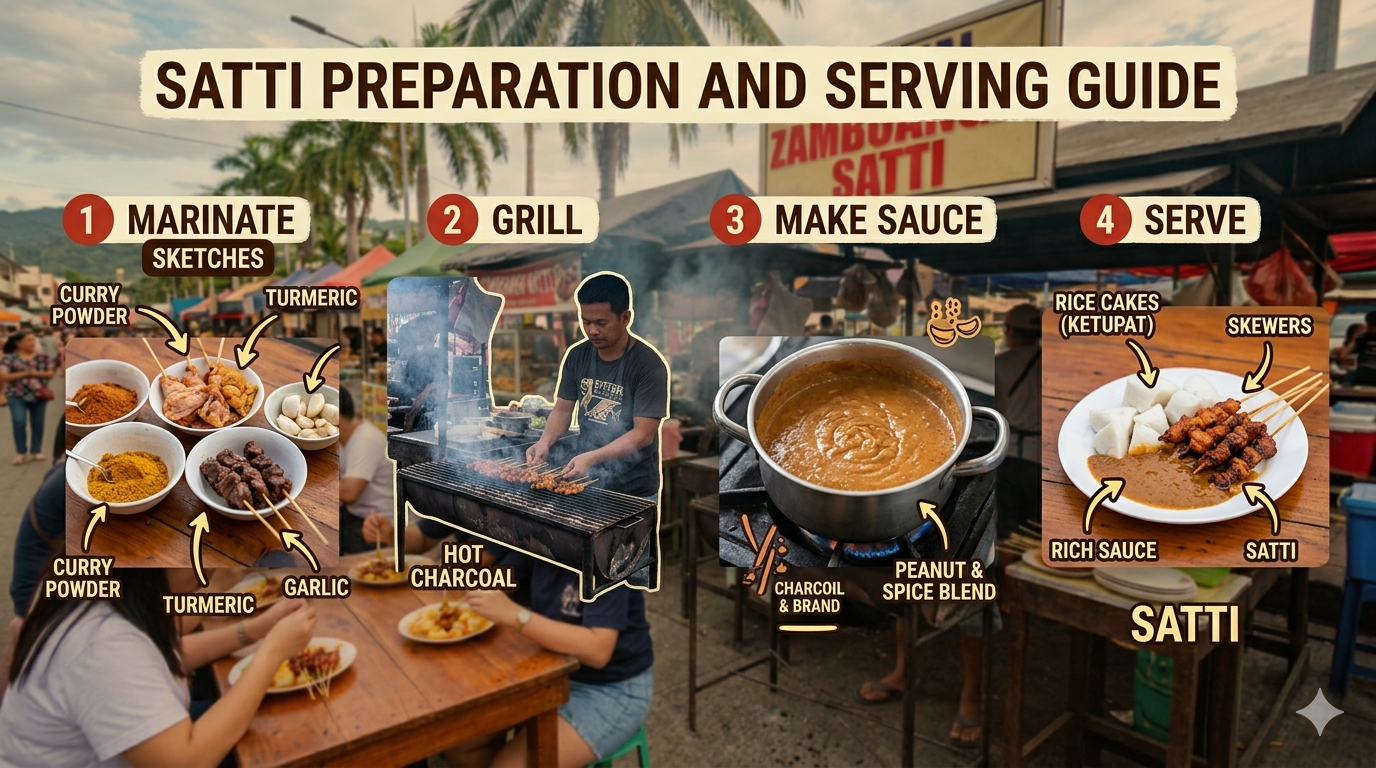
Diagram displaying skewered meat, sauce, and rice in Satti preparation.
Disclaimer
This article is for general informational and educational purposes only. It does not constitute professional medical, nutrition, or dietary advice. References to diets, foods, or supplements do not imply endorsement or guarantee of health outcomes. Readers are encouraged to consult licensed nutritionists, dietitians, or medical professionals for personalized guidance.

