Understanding Sisig: Nutritional and Cultural Overview of a Filipino Dish
A neutral exploration of Sisig’s traditional preparation, nutrient content, and food awareness considerations.
Sisig is a traditional Filipino dish originating from Pampanga, often served as an appetizer or main dish. This article provides a factual overview of Sisig’s typical ingredients, nutritional considerations, and how it fits into balanced dietary planning under consumer safety and labeling standards in the Philippines. Readers will learn about Sisig’s macronutrient composition, preparation styles, and mindful consumption practices.
Traditional Ingredients and Preparation
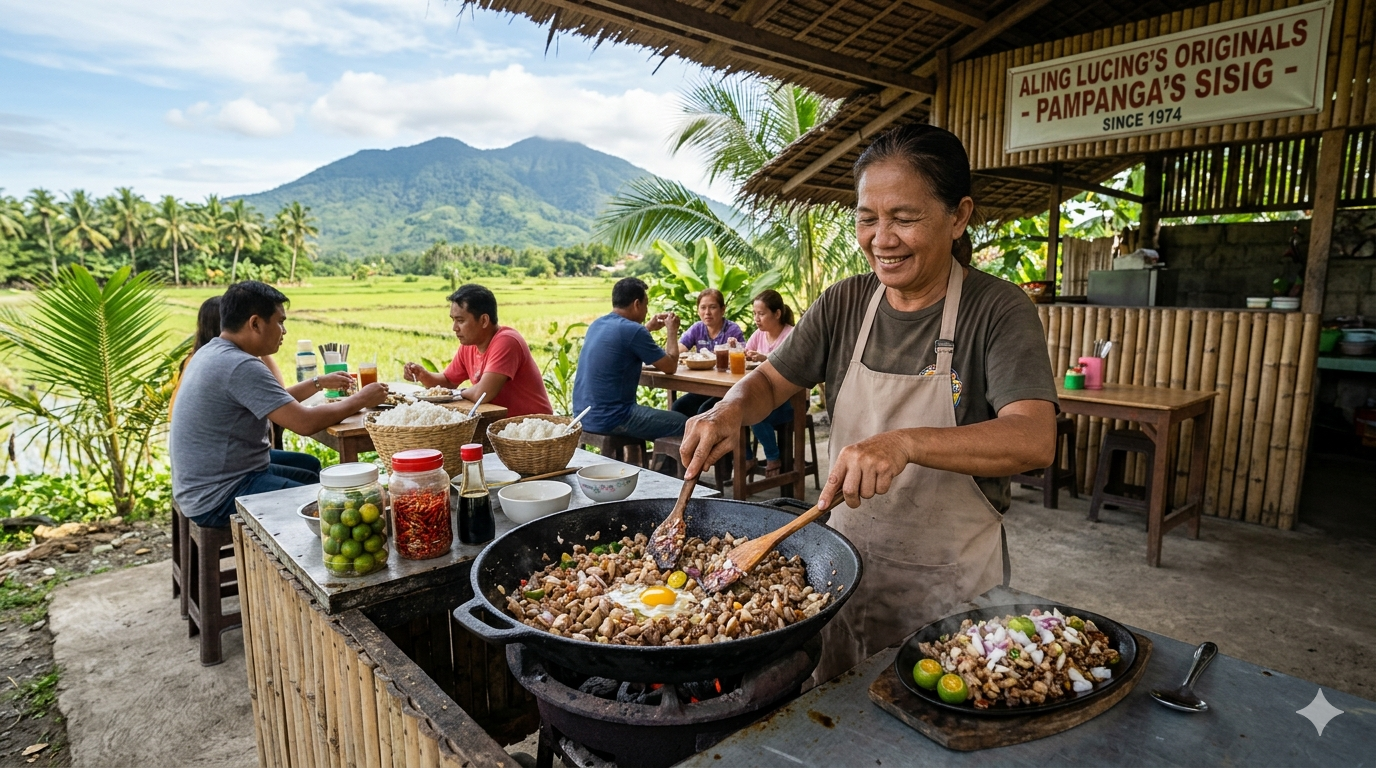
Sisig typically includes chopped pork parts (commonly pig’s ears, cheeks, or snout), onions, calamansi juice, and sometimes chili peppers. Some versions use egg or mayonnaise as a topping. Cooking methods often involve boiling, grilling, and pan-frying.
From a nutritional perspective, Sisig provides protein and fats from pork, carbohydrates from added ingredients such as onions, and micronutrients like iron and vitamin B12. Portion sizes, preparation methods, and toppings can significantly influence caloric and fat content.
Macronutrient Considerations
- Protein: Pork components are a source of complete protein, important for general dietary needs.
- Fat: Pan-frying and fatty cuts contribute to saturated fat content, which should be considered in overall dietary planning.
- Carbohydrates: Onions and other vegetables provide small amounts of carbohydrates and dietary fiber.
Hypothetical Consumption Scenarios
A typical serving (about 150–200 grams) of traditional Sisig can be incorporated into a meal alongside vegetables or steamed rice for balanced nutrient intake. Adjustments in preparation, such as limiting added oil or mayonnaise, can reduce overall fat content.
Consumer Awareness and Food Safety
- Labeling and Source Verification: For pre-packaged Sisig mixes, check ingredient lists for sodium, preservatives, or flavor enhancers.
- Food Handling: Proper cooking and storage are essential to prevent foodborne illnesses, in accordance with FDA Philippines and LGU standards.
- Moderation: As Sisig is rich in protein and fat, mindful portioning aligns with general dietary guidelines.
Context
In nutrition science, traditional dishes like Sisig are studied for their nutrient density and contribution to local diets. Under consumer protection and labeling standards in the Philippines, food preparation and ingredients should be transparent and verifiable. Dietary results vary individually, and Sisig’s inclusion in a diet depends on broader meal planning and nutrient balance considerations.
FAQs
What is Sisig?
Sisig is a Filipino dish originating from Pampanga, traditionally made from chopped pork parts, onions, and citrus juice, often served as an appetizer or main dish.
What are the main nutrients in Sisig?
Sisig contains protein from pork, fats from cooking methods, and small amounts of carbohydrates and micronutrients like iron and B vitamins.
How can Sisig fit into balanced meal planning?
It can be paired with vegetables, steamed rice, or other nutrient-dense foods for a meal that contributes to overall dietary variety.
Trusted Sources
- Department of Health Philippines (DOH) – Nutrition and Food Safety Guidelines
- Food and Drug Administration Philippines (FDA) – Food Handling and Labeling Resources
- Academic publications on Filipino cuisine and nutrient composition (peer-reviewed journals)
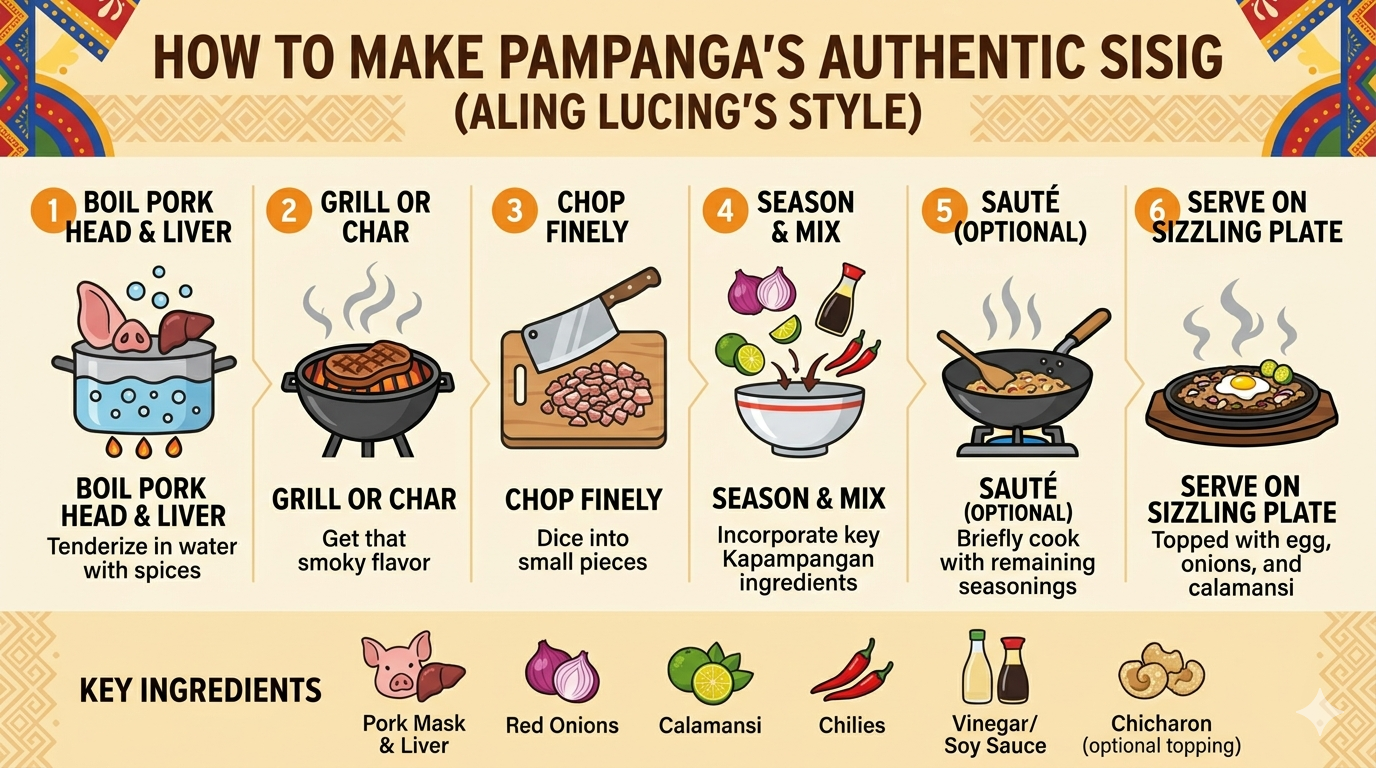
Visual breakdown of Sisig ingredients and portion estimates
Mandatory Disclaimer
This article is for general informational and educational purposes only. It does not constitute professional medical, nutrition, or dietary advice. References to foods or dishes do not imply endorsement or guarantee of health outcomes. Readers are encouraged to consult licensed nutritionists, dietitians, or medical professionals for personalized guidance.