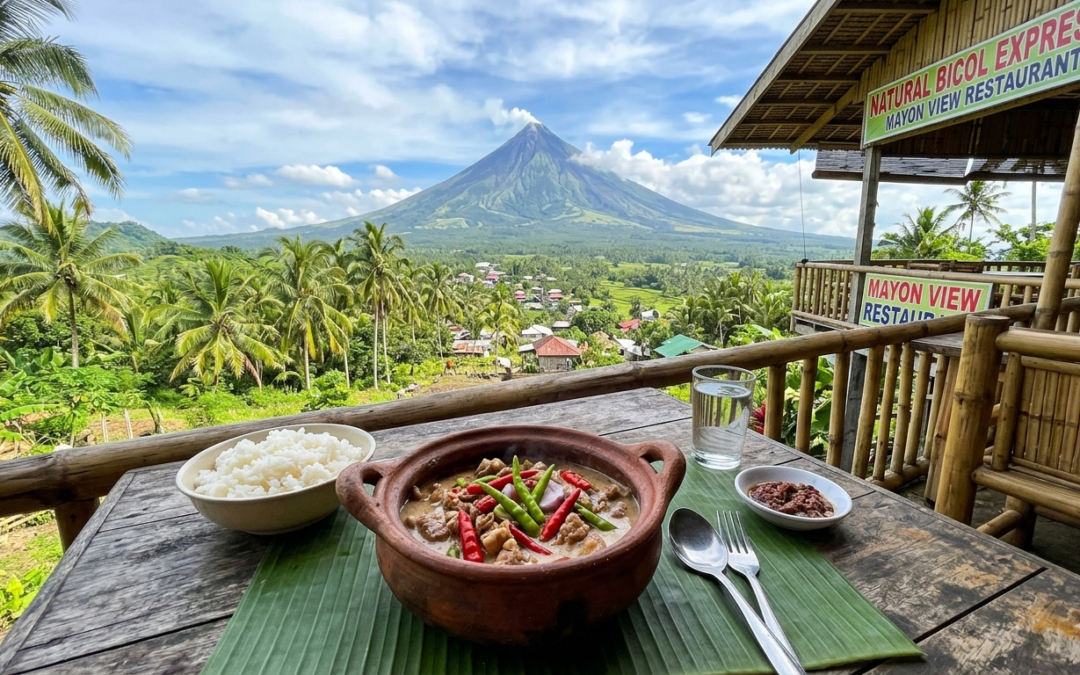
Tapa Batangas: Educational Overview of a Traditional Filipino Food
A neutral look at its ingredients, preparation, and nutritional considerations
Tapa Batangas is a regional variation of cured meat commonly associated with Batangas. It is part of the broader Filipino “tapa” category, which typically involves thinly sliced meat preserved through curing and drying. This article explains its general characteristics, preparation methods, and basic nutrition considerations in line with Philippine food safety and labeling standards.
What Is Tapa Batangas?
Tapa Batangas is traditionally made from thin slices of beef that are cured using salt and sometimes other ingredients such as garlic. Unlike sweeter versions found in other regions, Batangas-style tapa is often described as having a saltier and more savory profile.
The curing process helps extend shelf life and contributes to the flavor and texture of the meat.
Common Ingredients and Preparation
Typical components include:
- Beef (thinly sliced)
- Salt (primary curing agent)
- Optional ingredients: garlic, pepper, or vinegar (varies by household or producer)
General Preparation Process
- Meat is sliced into thin strips
- Salt and other ingredients are applied
- The meat is left to cure for a period of time
- It may be air-dried or refrigerated
- Cooked by frying before serving
Preparation practices may vary depending on local traditions and food safety handling.
Nutritional Considerations
As a cured meat product, tapa typically contains:
- Protein from beef
- Fat, depending on the cut used
- Sodium, which may be higher due to the curing process
Nutritional content can vary based on preparation methods and portion size. Consumers reviewing packaged tapa products may refer to labels regulated by the Food and Drug Administration Philippines for details such as sodium and fat content.
Common Serving
Tapa Batangas is often served as part of a traditional Filipino meal known as “tapsilog,” which includes:
- Tapa (cured meat)
- Garlic rice
- Fried egg
This combination is commonly consumed during breakfast, though it may also be served at other times.
Food Safety and Consumer Awareness
Under guidance from the Department of Health and local food safety regulations:
- Proper storage (refrigeration or controlled drying) is important for cured meats
- Cooking meat thoroughly before consumption is a standard safety practice
- Packaged products should include labeling such as ingredients and expiration dates
Consumers are encouraged to handle and prepare cured meats following safe food handling practices.
Context
In Philippine food traditions, cured meats like tapa reflect regional methods of preservation developed before modern refrigeration. Variations exist across provinces, each with distinct flavor profiles based on local preferences and available ingredients.
Dietary inclusion of cured meats is typically considered within the broader context of balanced food intake and variety.
FAQs
What makes Tapa Batangas different from other tapa?
It is generally known for a saltier and more savory taste, with less emphasis on sweetness compared to other regional versions.
Is tapa considered processed meat?
Yes. Tapa is classified as a processed or cured meat due to the use of salt and preservation techniques.
Can packaged tapa be checked for nutrition content?
Yes. Nutrition labels regulated by the FDA Philippines provide information such as serving size, sodium, and fat content.
Trusted Sources
- Department of Health – Food safety and nutrition guidance
- Food and Drug Administration Philippines – Food labeling standards
- Academic and food science literature on meat curing and preservation
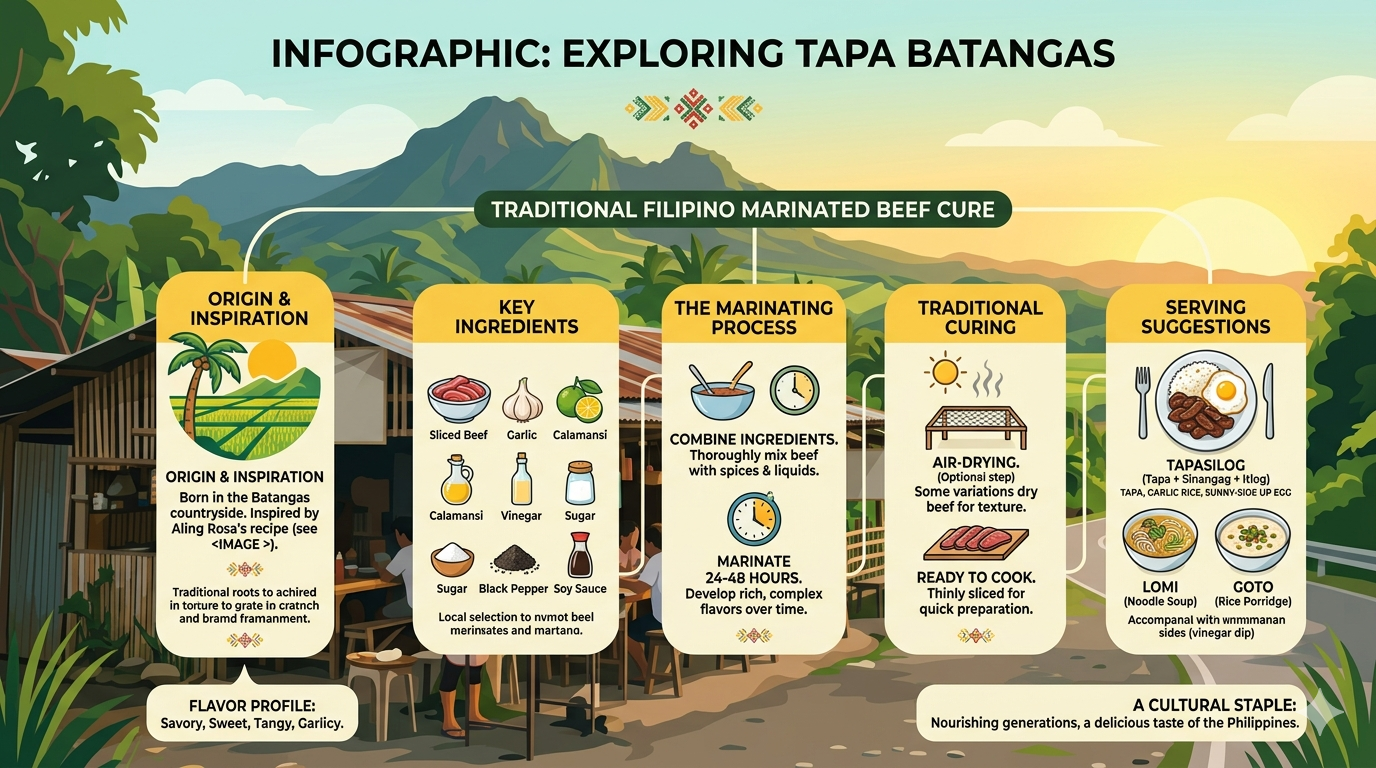
Ingredients and preparation steps of Tapa Batangas
Disclaimer
This article is for general informational and educational purposes only. It does not constitute professional medical, nutrition, or dietary advice. References to foods or preparation methods do not imply endorsement or guarantee of health outcomes. Readers are encouraged to consult licensed nutritionists, dietitians, or medical professionals for personalized guidance.