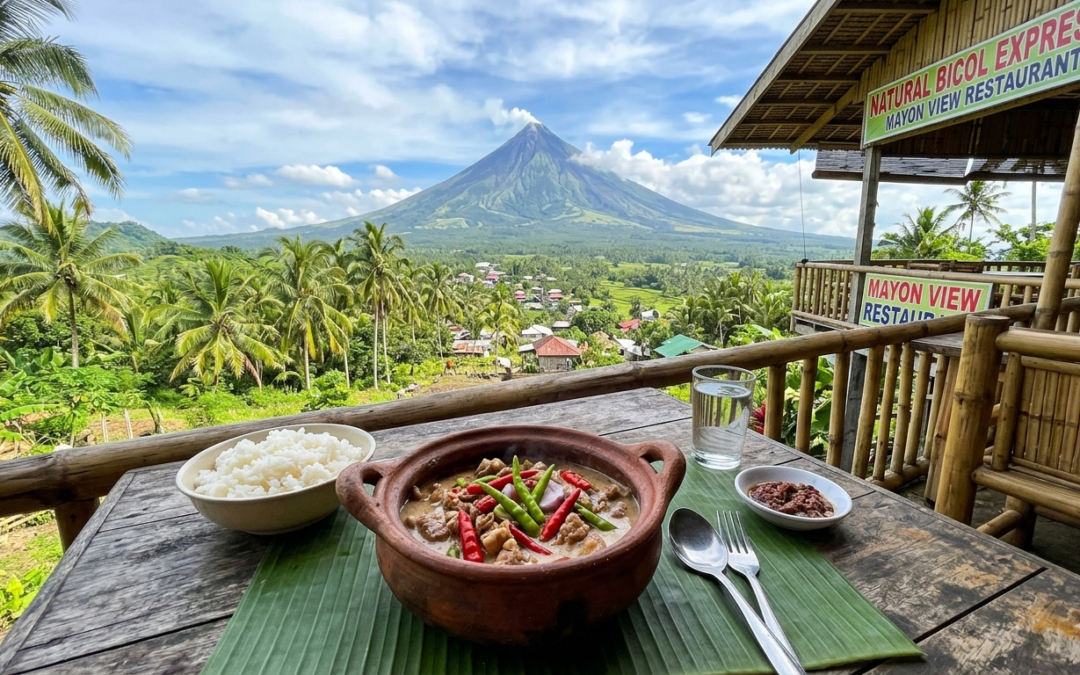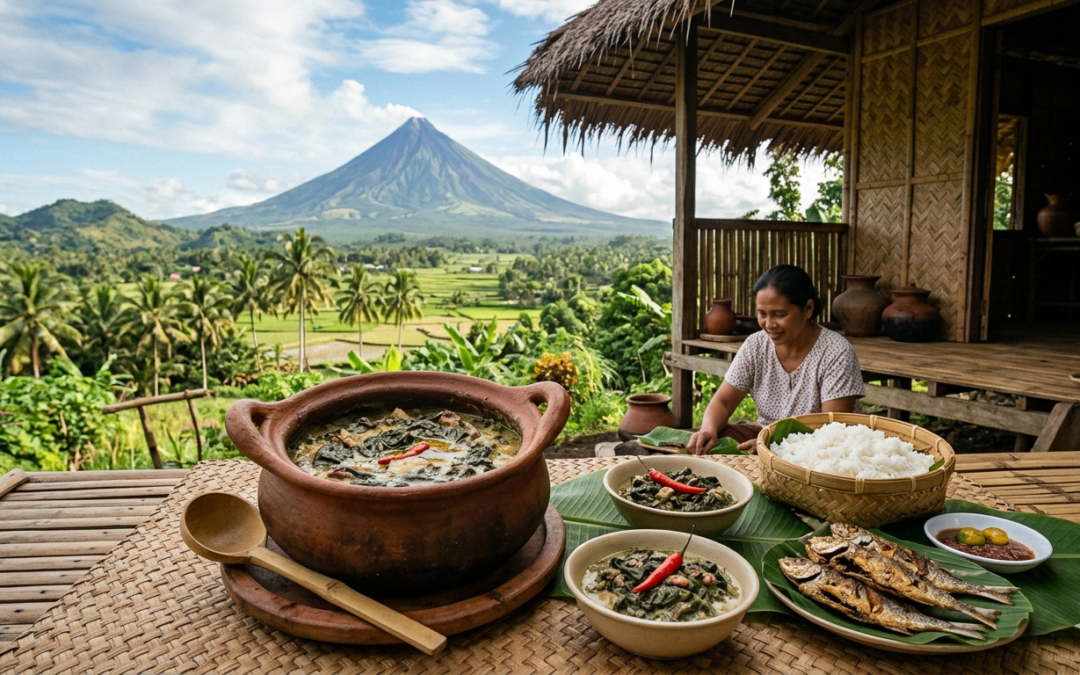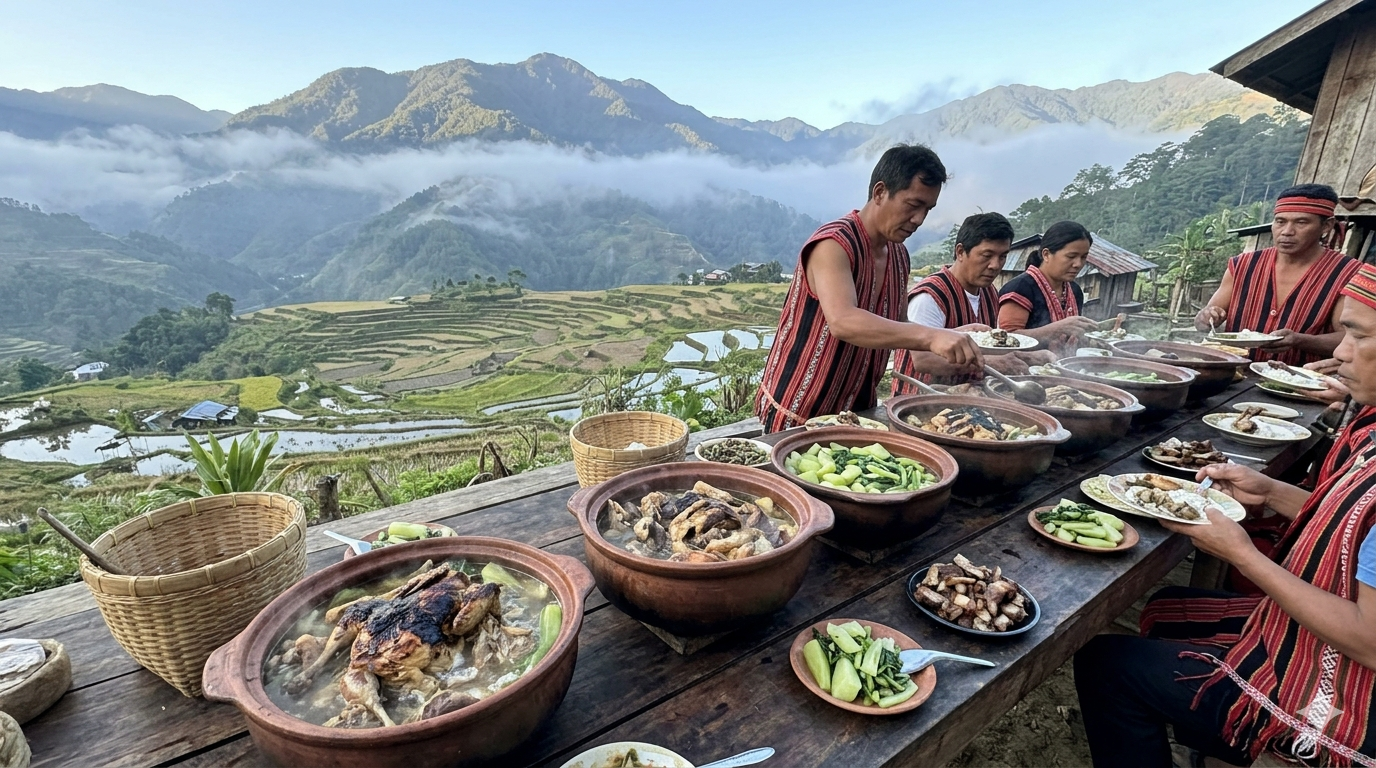
Pinikpikan: A Cultural and Nutritional Overview
Traditional Preparation and Dietary Context in the Philippines
This article presents an educational overview of pinikpikan, a traditional Filipino dish from the Cordillera region. It outlines its cultural background, explains common preparation methods, and describes general nutritional components. In addition, it references food practices and safety awareness aligned with Philippine agencies such as the Department of Health (DOH) and Food and Drug Administration (FDA).
What Is Pinikpikan?
Pinikpikan originates from indigenous communities in the Cordillera region of Northern Philippines. It represents a traditional chicken dish often linked to cultural rituals and community gatherings.
Typically, people prepare the dish using minimal seasoning. For example, common ingredients include:
- Native chicken
- Ginger
- Salt
- Optional leafy vegetables
After preparation, cooks usually boil the chicken as part of the cooking process. As a result, the dish retains simple and traditional characteristics.
Cultural Context
Pinikpikan reflects indigenous practices, particularly among Igorot communities. Moreover, communities often include ritual elements that connect the dish to cultural beliefs and traditions.
Because of its cultural significance, preparation methods may differ across communities and occasions. Therefore, variations can reflect local customs and preferences.
Nutritional Components
From a general nutrition perspective, pinikpikan contains several components:
- Protein: Chicken provides protein used in body structure
- Fats: Poultry naturally contains fats
- Micronutrients: Meat includes iron and B vitamins
- Phytonutrients: Ginger and vegetables contribute plant-based compounds
However, nutrient composition varies depending on portion size, ingredient selection, and cooking methods.
Food Safety and Preparation Considerations
Under Philippine food safety and animal welfare standards, preparation practices require attention. For instance:
- Proper handling and cooking of poultry reduce foodborne risks
- Thorough cooking remains a standard safety practice
- Awareness of local regulations and humane treatment guidelines influences modern preparation methods
Over time, food preparation practices may change to align with public health standards and regulatory guidance.
Hypothetical Serving Context
Pinikpikan may appear as part of a meal that includes:
- Rice or other grains
- Vegetables such as leafy greens
- Water or non-sweetened beverages
Together, these components illustrate general dietary variety principles.
Context
In nutrition and cultural food studies, researchers examine traditional dishes like pinikpikan in terms of cultural heritage and nutritional composition. At the same time, balanced diets typically include a range of foods from different groups.
Under Philippine consumer protection and food safety regulations, authorities emphasize proper food handling and preparation. Meanwhile, individual dietary needs and cultural practices may differ.
For personalized dietary considerations, consultation with licensed nutrition or healthcare professionals remains appropriate.
FAQs
What is pinikpikan made of?
Pinikpikan uses chicken, ginger, salt, and sometimes vegetables. Preparation methods differ based on cultural practices.
Is pinikpikan part of Filipino cuisine?
Yes, pinikpikan forms part of indigenous Filipino culinary traditions, particularly in the Cordillera region.
Does pinikpikan contain protein?
Yes, chicken serves as a source of protein along with other nutrients found in poultry.
Trusted Sources
- Department of Health (Philippines) – Food safety and nutrition advisories
- Food and Drug Administration (Philippines) – Food handling and labeling guidance
- National Commission for Culture and the Arts (Philippines) – Indigenous food traditions
- Academic journals on Filipino food culture and nutrition
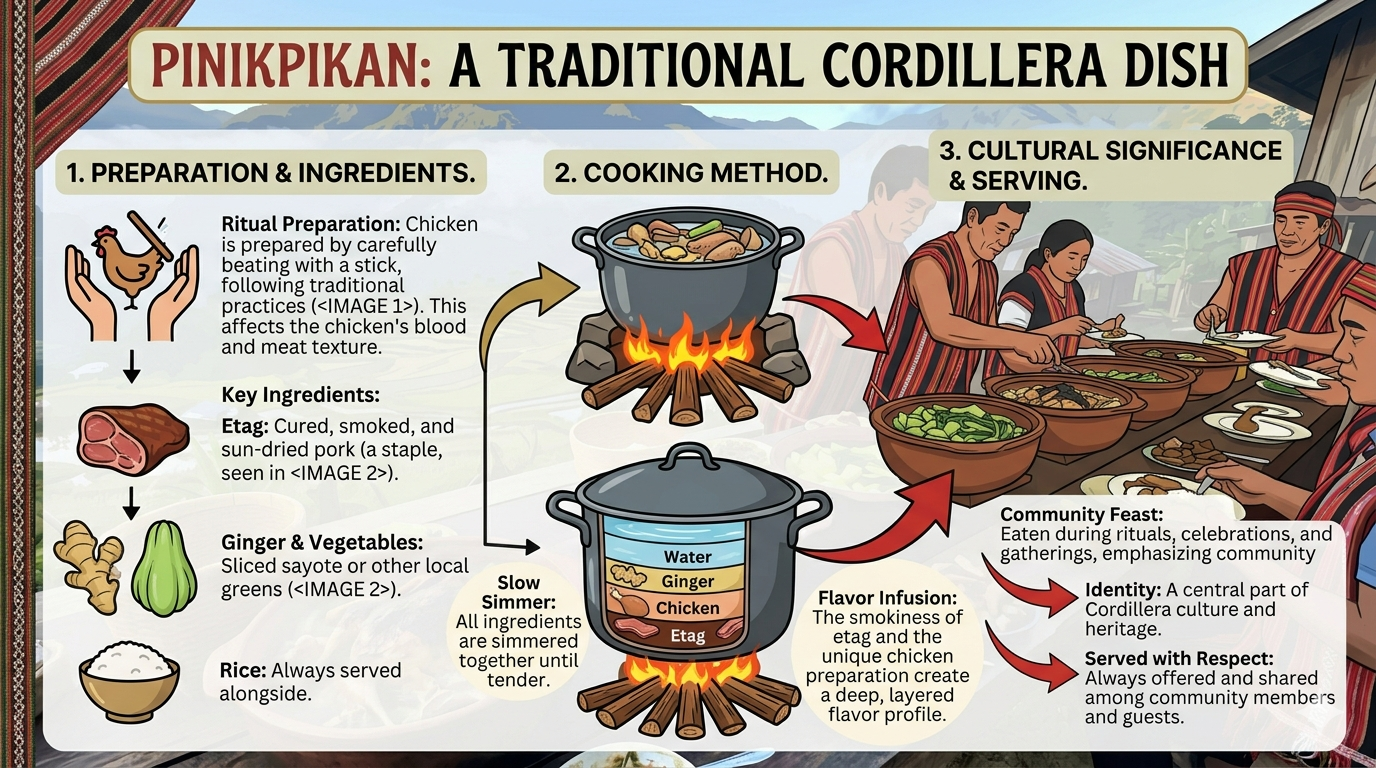
Visual layout of ingredients and preparation elements associated with pinikpikan.
Disclaimer
This article is for general informational and educational purposes only. It does not constitute professional medical, nutrition, or dietary advice. References to diets, foods, or supplements do not imply endorsement or guarantee of health outcomes. Readers are encouraged to consult licensed nutritionists, dietitians, or medical professionals for personalized guidance.