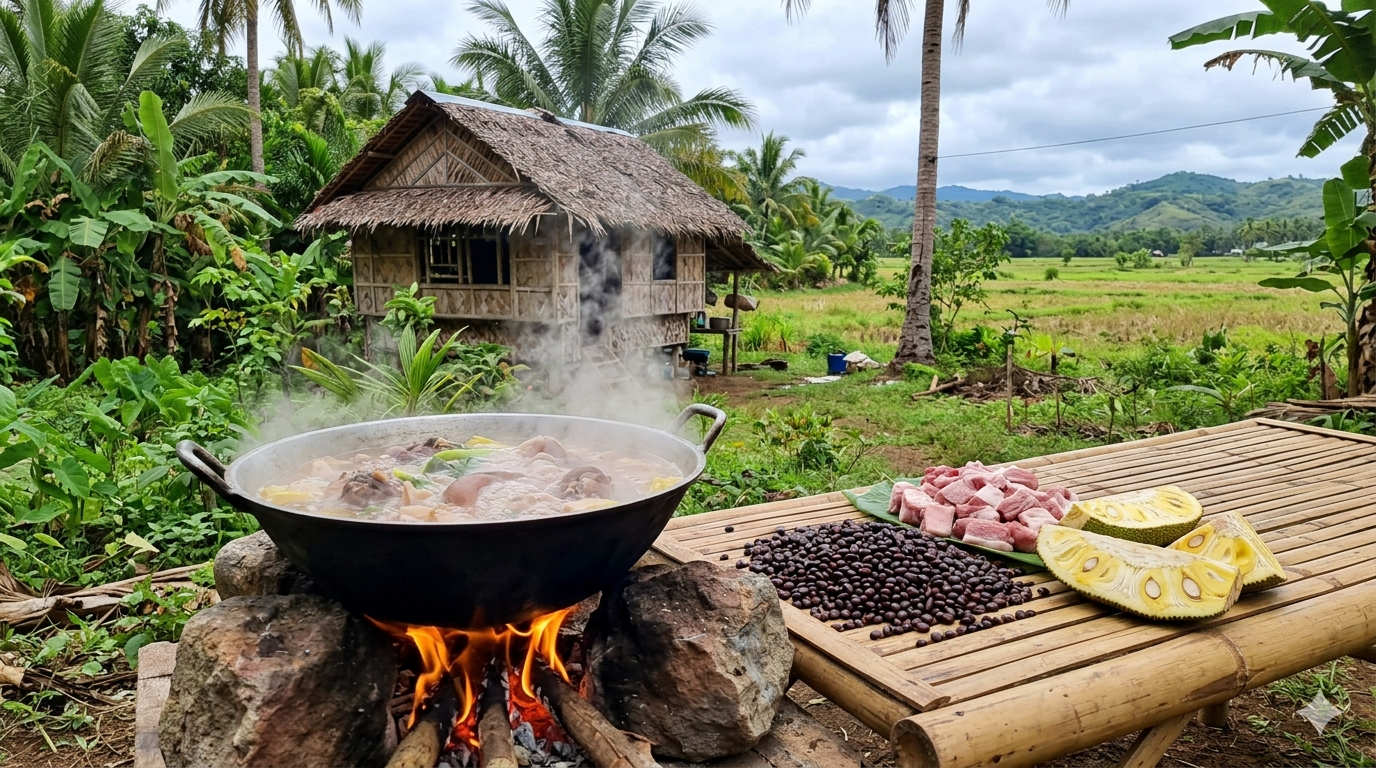
KBL (Kadios, Baboy, Langka): A Traditional Filipino Dish Overview
A neutral look at its ingredients, nutritional components, and dietary context
This article explains KBL (Kadios, Baboy, Langka), a traditional Filipino dish, from a nutrition and food composition perspective. It outlines its main ingredients, typical preparation, and general nutrient components, in alignment with food and nutrition information practices recognized by Philippine authorities such as the Department of Health (DOH) and the Food and Drug Administration (FDA).
What Is KBL?
KBL stands for Kadios (pigeon peas), Baboy (pork), and Langka (unripe jackfruit). It is a regional dish commonly associated with Western Visayas cuisine. The dish is typically prepared as a soup or stew, often flavored with souring agents such as batuan fruit.
Core Ingredients and Their Nutritional Roles
- Kadios (Pigeon Peas)
A legume that contains plant-based protein, dietary fiber, and certain micronutrients such as iron and potassium. - Baboy (Pork)
Provides protein and fat, along with vitamins such as B-complex (e.g., B1 or thiamine). The fat content varies depending on the cut used. - Langka (Unripe Jackfruit)
Contributes dietary fiber and carbohydrates. It is also a source of some vitamins and minerals. - Souring Agents (e.g., Batuan or Tamarind)
Used primarily for flavor. These ingredients may contain small amounts of vitamin C and other compounds.
Food Group Representation
KBL includes components from several food groups:
- Protein sources: pork and legumes
- Vegetables/fruits: unripe jackfruit and souring agents
- Fats: depending on pork cut and cooking method
This combination illustrates how traditional dishes can include multiple nutrient sources in one preparation.
Typical Preparation Method
KBL is usually prepared by:
- Boiling pork until tender
- Adding soaked or cooked kadios
- Incorporating sliced unripe jackfruit
- Adding souring ingredients for flavor
- Simmering until ingredients are fully cooked
Cooking methods and ingredient proportions may vary by household or region.
Hypothetical Serving Context
A serving of KBL may be paired with:
- Steamed rice
- Fresh vegetables or side dishes
- Water or unsweetened beverages
This combination reflects a common structure in Filipino meals, where a main dish is accompanied by staple grains and optional side items.
Considerations on Nutrient Balance
The nutritional profile of KBL can vary depending on:
- The cut of pork used (lean vs. fatty)
- The amount of added salt or seasoning
- Portion sizes
- Cooking methods
Some variations may result in higher fat or sodium content, depending on preparation.
Context
In nutrition science, mixed dishes like KBL are considered composite meals, meaning they contain multiple ingredients contributing different nutrients.
Under Philippine food safety and labeling standards, packaged or commercially prepared versions of such dishes are expected to provide accurate ingredient and nutrition information where applicable.
Dietary needs differ among individuals. Cultural dishes like KBL can be included in a variety of eating patterns depending on portion size and overall diet composition.
FAQs
What does KBL stand for?
KBL refers to Kadios (pigeon peas), Baboy (pork), and Langka (unripe jackfruit), which are the main ingredients of the dish.
Is KBL considered a balanced meal?
KBL contains protein, fiber, and other nutrients from its ingredients. Whether it fits into a balanced diet depends on portion size and the overall variety of foods consumed.
What type of dish is KBL?
KBL is typically a soup or stew-based dish from Western Visayas, commonly served with rice.
Trusted Sources
- Department of Health (DOH) Philippines – General nutrition guidance
- Food and Drug Administration (FDA) Philippines – Food safety and labeling resources
- Food and Agriculture Organization (FAO) – Traditional diets and nutrition
- Peer-reviewed journals on Southeast Asian food and nutrition
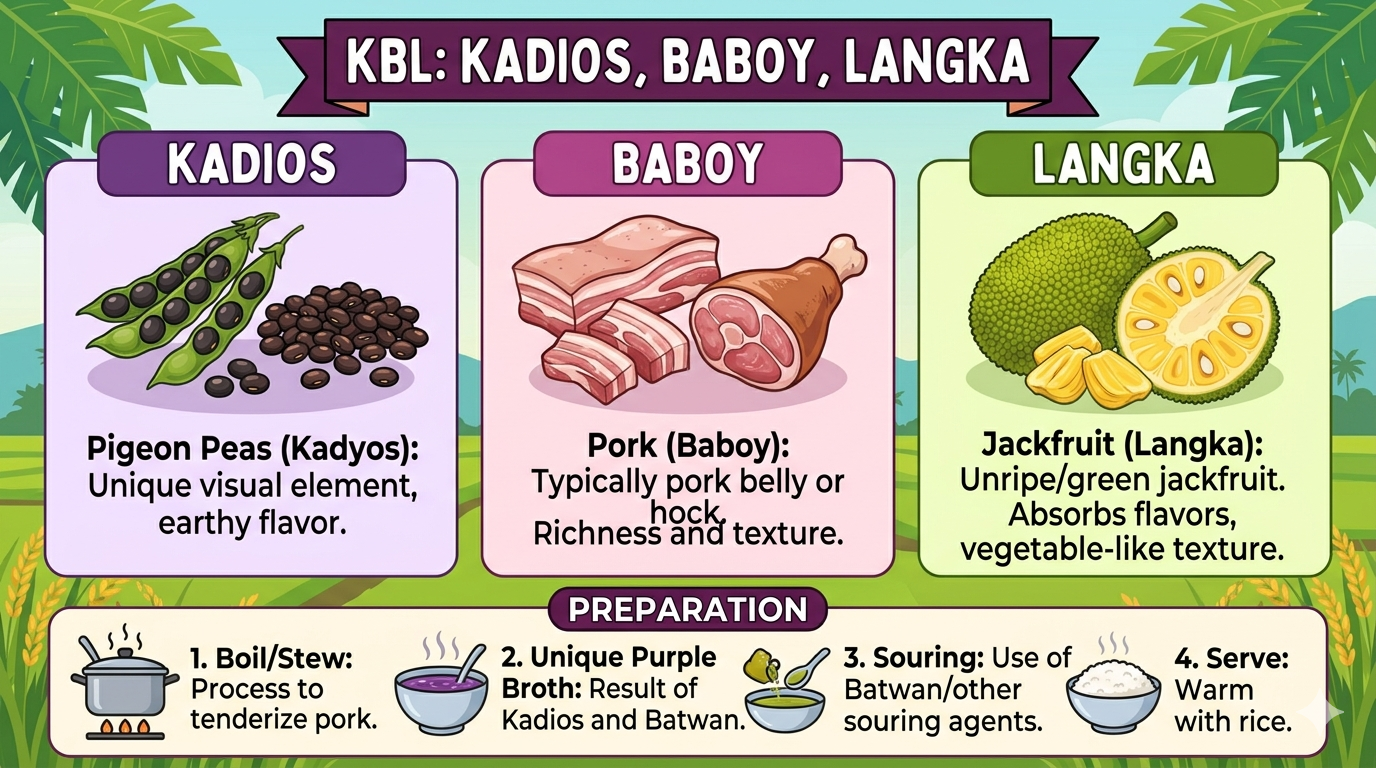
Ingredient breakdown of KBL dish components
Disclaimer
This article is for general informational and educational purposes only. It does not constitute professional medical, nutrition, or dietary advice. References to diets, foods, or supplements do not imply endorsement or guarantee of health outcomes. Readers are encouraged to consult licensed nutritionists, dietitians, or medical professionals for personalized guidance.