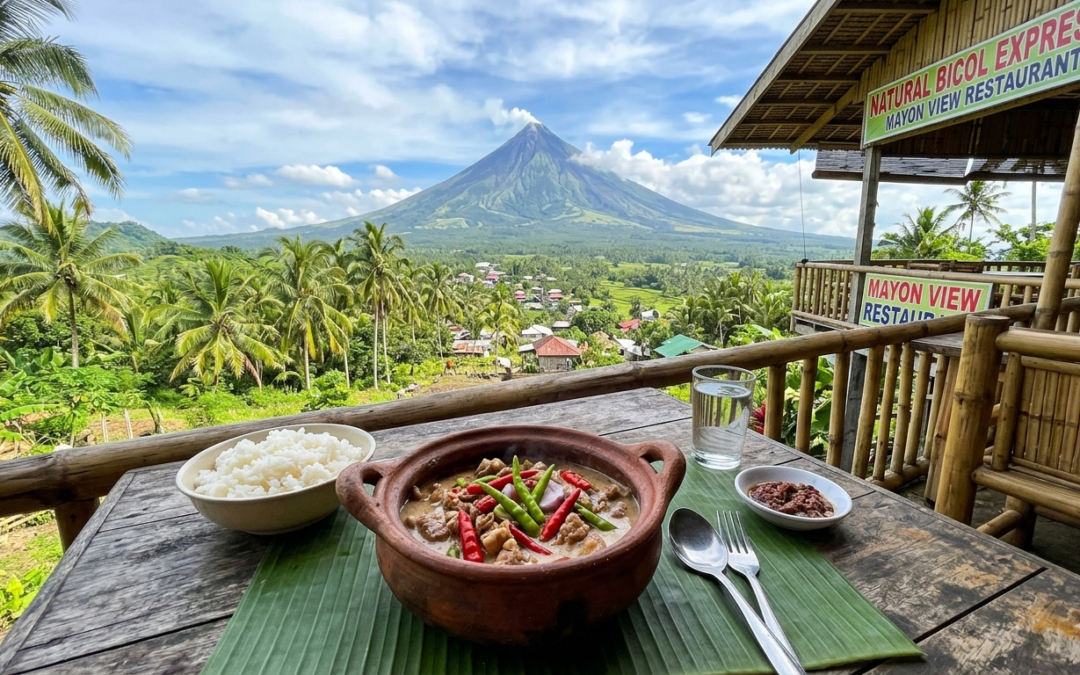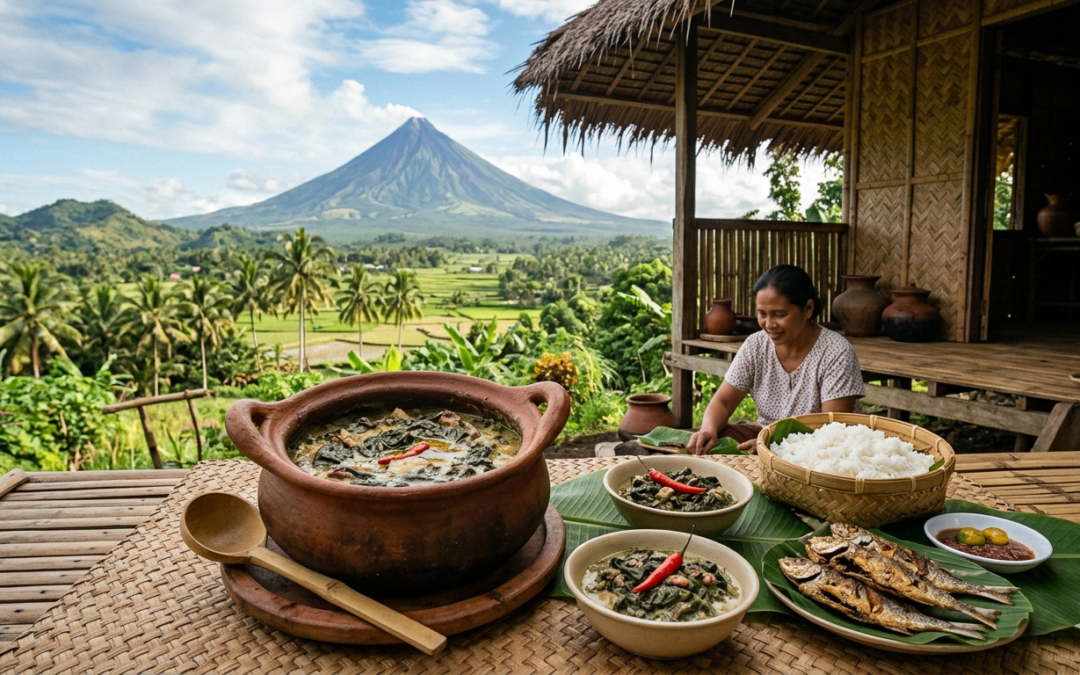
Kare-Kare Kapampangan: Educational Overview of Ingredients and Nutritional Components
A neutral look at a traditional Filipino dish, its composition, and dietary considerations
This article provides an informational overview of Kare-Kare Kapampangan, a traditional Filipino dish commonly associated with Pampanga. It explains typical ingredients, preparation methods, and general nutritional components. The discussion aligns with food safety and labeling awareness under the Department of Health (DOH) and Food and Drug Administration (FDA Philippines), focusing on educational context rather than dietary outcomes.
What Is Kare-Kare Kapampangan?
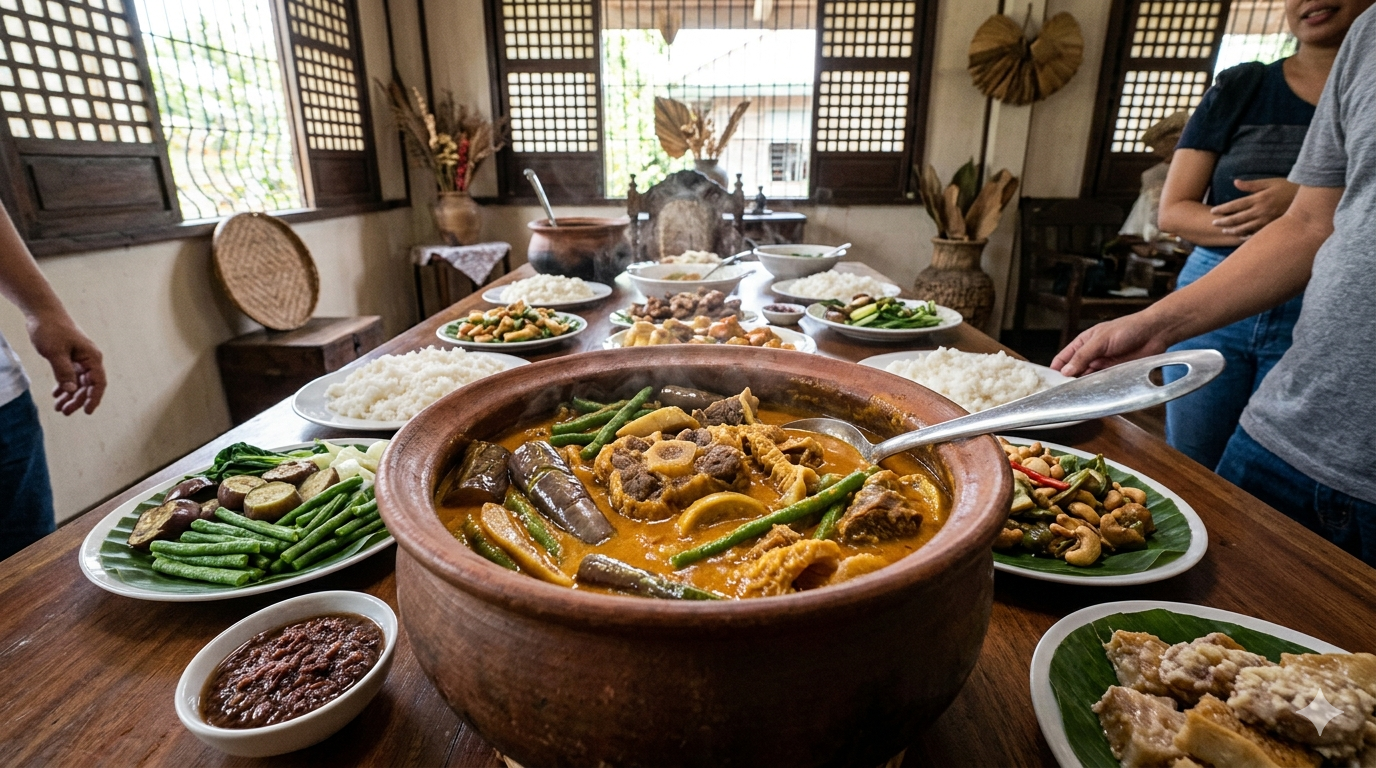
Kare-kare is a Filipino stew known for its thick peanut-based sauce. The Kapampangan version is often recognized for its preparation style and use of traditional ingredients. It is typically served during family meals or gatherings.
Common Ingredients
Kare-kare usually includes a combination of:
- Protein sources: oxtail, beef, tripe, or sometimes seafood
- Vegetables: eggplant, string beans, banana blossom (puso ng saging), and pechay
- Sauce base: ground peanuts or peanut paste
- Thickening agents: toasted rice flour (galapong)
- Condiment: bagoong (fermented shrimp paste), served on the side
These components contribute to the dish’s flavor, texture, and nutrient profile.
Macronutrient Composition
The dish may contain a mix of macronutrients:
- Proteins: from meat or seafood ingredients
- Fats: from peanuts and certain cuts of meat
- Carbohydrates: from vegetables and thickening agents
The exact proportions can vary depending on preparation methods and ingredient quantities.
Micronutrient Content
Kare-kare may provide various micronutrients depending on ingredients used:
- Iron and zinc from meat
- Vitamin C and fiber from vegetables
- Magnesium and vitamin E from peanuts
Nutrient content may differ based on cooking techniques and portion sizes.
Preparation and Food Safety Considerations
Food preparation typically involves:
- Boiling meat until tender
- Preparing peanut-based sauce separately
- Combining vegetables toward the end to maintain texture
Under Philippine food safety guidelines:
- Proper handling of meat and seafood is important
- Cooked dishes should be stored at safe temperatures
- Fermented condiments like bagoong should be sourced from regulated producers when packaged
Hypothetical Meal Context Example
Kare-kare may be served as part of a meal that includes:
- Steamed rice
- A serving of vegetables (included in the dish)
- Water or other beverages
This example illustrates a typical meal structure without implying specific dietary effects.
Consumer Awareness: Ingredients and Labeling
When using packaged ingredients such as peanut paste or bagoong:
- Check ingredient lists and expiration dates
- Review sodium and fat content on nutrition labels
- Verify FDA registration for processed food products
Under the Consumer Act of the Philippines (RA 7394), food labeling must provide accurate and non-misleading information.
Context
In food science and culinary studies, traditional dishes like kare-kare are often analyzed based on ingredient composition and preparation methods rather than standardized nutrition profiles.
Dietary patterns involving mixed dishes typically vary in nutrient content depending on portion size, ingredient selection, and cooking techniques.
Individual dietary needs differ. For specific nutrition planning, consultation with licensed nutrition professionals is commonly recommended.
FAQs
What makes Kapampangan kare-kare different?
It is often associated with traditional cooking methods and ingredient preparation rooted in Pampanga cuisine. Variations may exist across households.
What are the main components of kare-kare sauce?
The sauce typically includes ground peanuts and a thickening agent such as toasted rice flour. Preparation methods can vary.
Is bagoong always served with kare-kare?
Bagoong is commonly served as a side condiment. Its use depends on personal or regional preference.
Trusted Sources
- Department of Health (DOH) Philippines – Food and nutrition guidance
- Food and Drug Administration (FDA Philippines) – Food safety and labeling standards
- Philippine Food Composition Tables (FNRI-DOST)
- Academic culinary and food science publications on Filipino cuisine
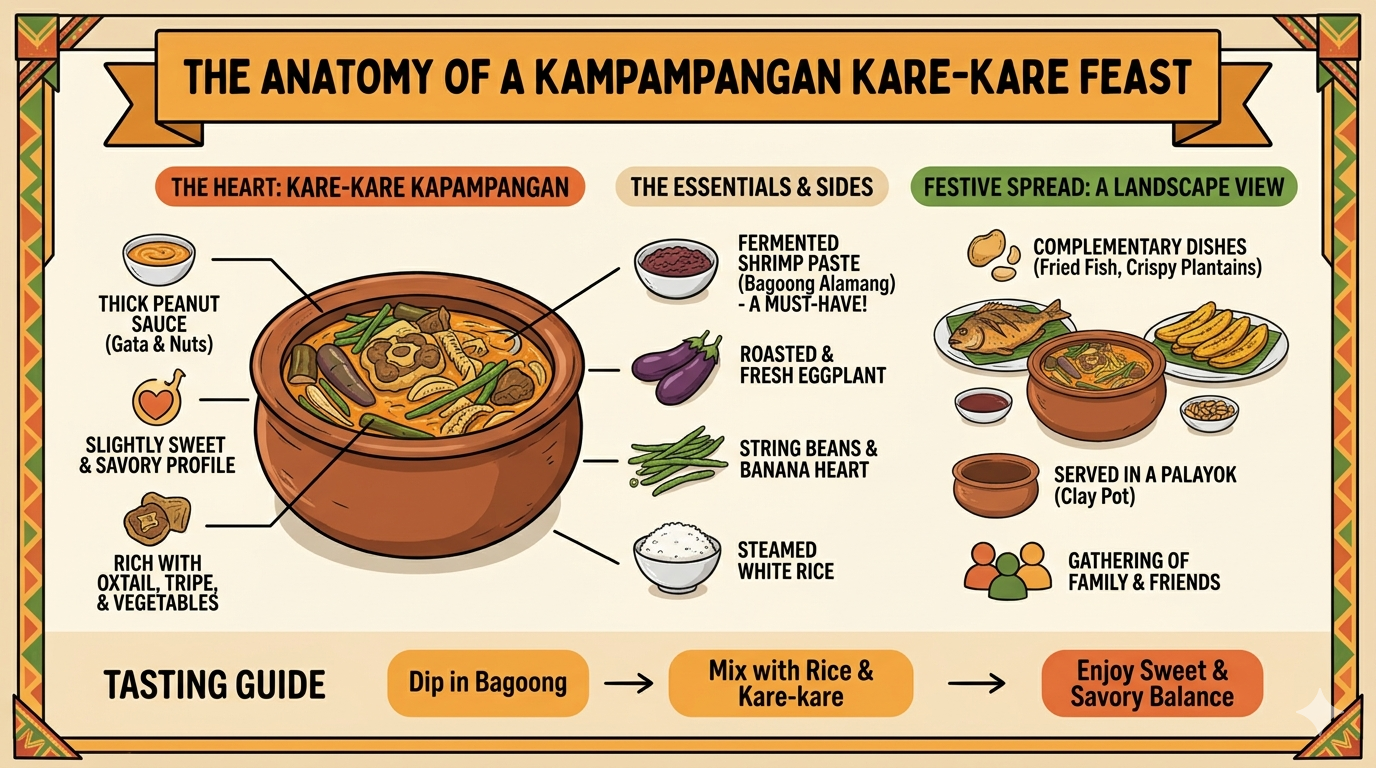
Visual layout of Kare-Kare ingredients and components
Disclaimer
This article is for general informational and educational purposes only. It does not constitute professional medical, nutrition, or dietary advice. References to dishes, foods, or ingredients do not imply endorsement or guarantee of health outcomes. Readers are encouraged to consult licensed nutritionists, dietitians, or medical professionals for personalized guidance.