Kapeng Barako: An Educational Overview of a Traditional Philippine Coffee
Understanding its characteristics, preparation, and nutritional context
This article provides an educational overview of Kapeng Barako, a traditional coffee variety commonly associated with certain regions in the Philippines. It discusses its characteristics, preparation methods, and general nutritional considerations within the context of food and beverage awareness. References to food products are presented in alignment with Philippine consumer and food safety standards.
What Is Kapeng Barako?
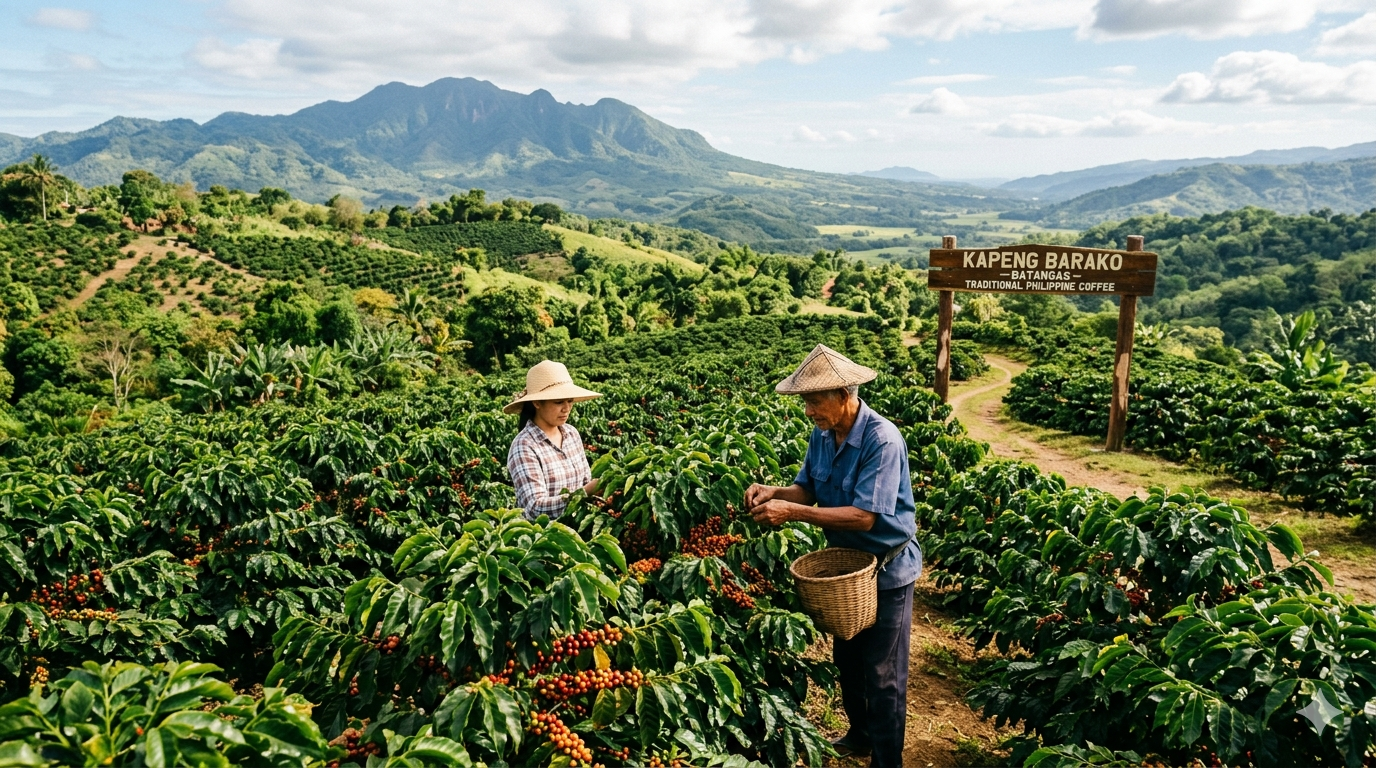
Kapeng Barako refers to coffee made from Coffea liberica, a species distinct from more widely traded coffee types such as Coffea arabica and Coffea canephora (robusta). It is traditionally grown in provinces such as Batangas and Cavite.
This coffee variety is known for:
- A strong aroma
- A relatively bold and distinct flavor profile
- Larger coffee beans compared to other species
Cultural and Agricultural Context
Kapeng Barako has historical significance in Philippine agriculture and local food culture. It has been cultivated for generations and is often associated with traditional coffee-drinking practices.
In agricultural discussions, it is considered:
- A heritage crop in certain regions
- Part of local farming systems
- A product sometimes linked to regional identity
Preparation Methods
Kapeng Barako may be prepared using common coffee brewing techniques, such as:
- Boiling ground coffee in water (traditional method)
- Drip brewing
- French press
The preparation method can influence flavor intensity and texture, but does not alter the fundamental composition of the coffee itself.
Nutritional Considerations
Plain brewed Kapeng Barako generally contains:
- Minimal calories (when consumed without added sugar or cream)
- Naturally occurring compounds such as caffeine
- Small amounts of antioxidants
Caffeine is a naturally occurring stimulant found in coffee. Its effects may vary depending on individual sensitivity and intake levels.
Labeling and Consumer Awareness
For packaged Kapeng Barako products, consumers may refer to labels for:
- Origin of beans
- Roasting level
- Ingredients (if blended or flavored)
Under Philippine regulations, including those enforced by the Food and Drug Administration (FDA Philippines), food labeling should be accurate and not misleading. Consumers are encouraged to review product details before purchase.
Context
In food science and nutrition discussions, coffee is often evaluated based on its composition, preparation method, and consumption patterns. Kapeng Barako, as a specific coffee variety, is part of broader dietary habits rather than a standalone nutritional solution.
Under Philippine food safety and consumer protection standards, including guidance from the Department of Health (DOH) and FDA Philippines, beverages like coffee should be accurately labeled and safely processed.
Individual responses to caffeinated beverages can vary. Consideration of total dietary intake and personal tolerance is commonly recommended in general nutrition guidance.
FAQs
What makes Kapeng Barako different from other coffee?
Kapeng Barako is made from Coffea liberica, which has larger beans and a distinct aroma compared to arabica or robusta varieties.
Does Kapeng Barako contain caffeine?
Yes, like most coffee types, it naturally contains caffeine. The amount can vary depending on preparation and serving size.
Is Kapeng Barako part of a balanced diet?
Coffee can be included as a beverage within a varied diet. Its role depends on overall consumption patterns and individual preferences.
Trusted Sources
- Department of Health (DOH) Philippines — General Nutrition Guidance
- Food and Drug Administration (FDA Philippines) — Food Labeling Standards
- Food and Agriculture Organization (FAO) — Coffee Production Resources
- Peer-reviewed journals on coffee science and nutrition
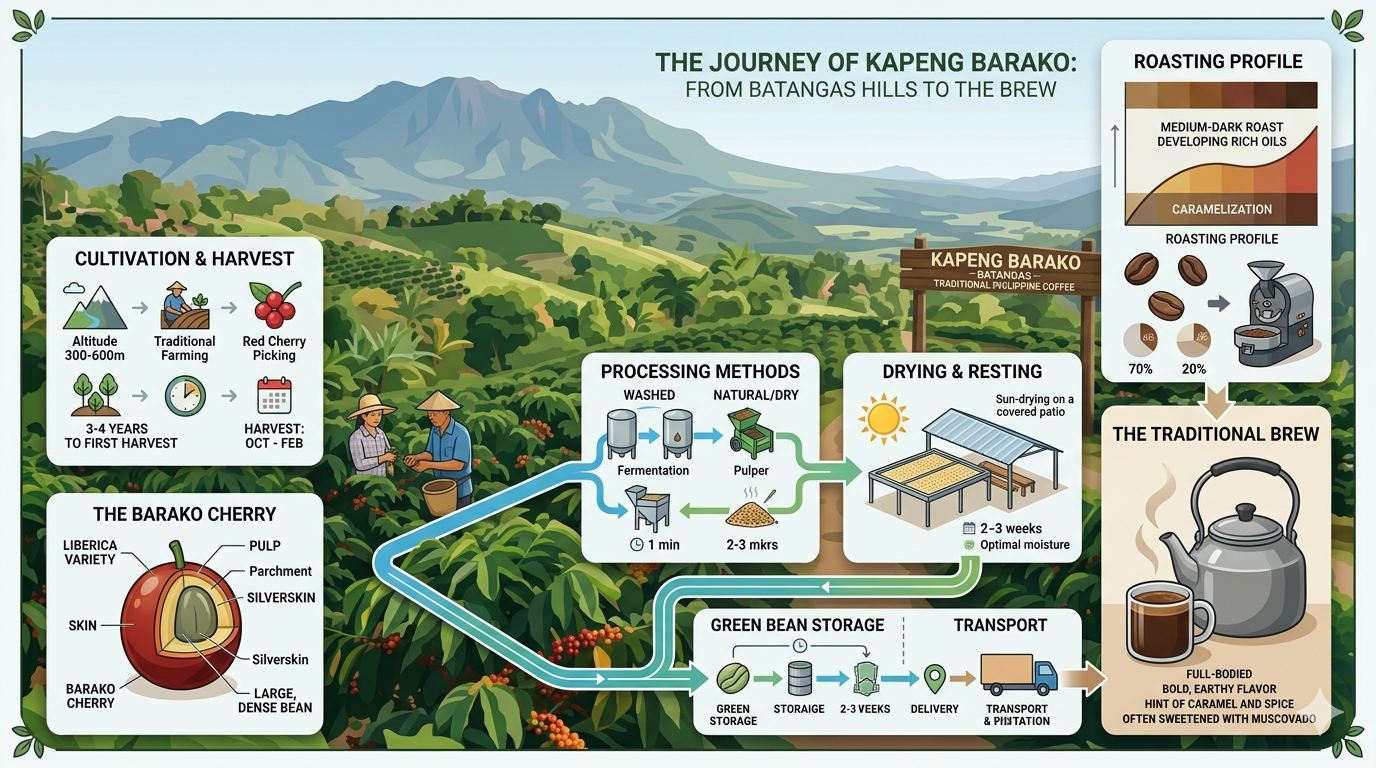
Visual summary of Kapeng Barako coffee origin, bean type, and preparation
Disclaimer
This article is for general informational and educational purposes only. It does not constitute professional medical, nutrition, or dietary advice. References to diets, foods, or supplements do not imply endorsement or guarantee of health outcomes. Readers are encouraged to consult licensed nutritionists, dietitians, or medical professionals for personalized guidance.