Inatata (Sticky Rice Delicacy): An Educational Overview of Ingredients and Nutritional Composition
A Neutral Look at a Traditional Rice-Based Food and Its Dietary Context
Inatata is a traditional Filipino sticky rice delicacy commonly prepared using glutinous rice and coconut-based ingredients. Like many local rice-based foods, it is part of regional culinary practices and is typically consumed as a snack or dessert. This article provides a neutral, educational overview of its ingredients, preparation context, and general nutritional characteristics, in line with food and nutrition guidance standards observed by Philippine authorities such as the Department of Health (DOH) and the Food and Drug Administration (FDA).
What Is Inatata?
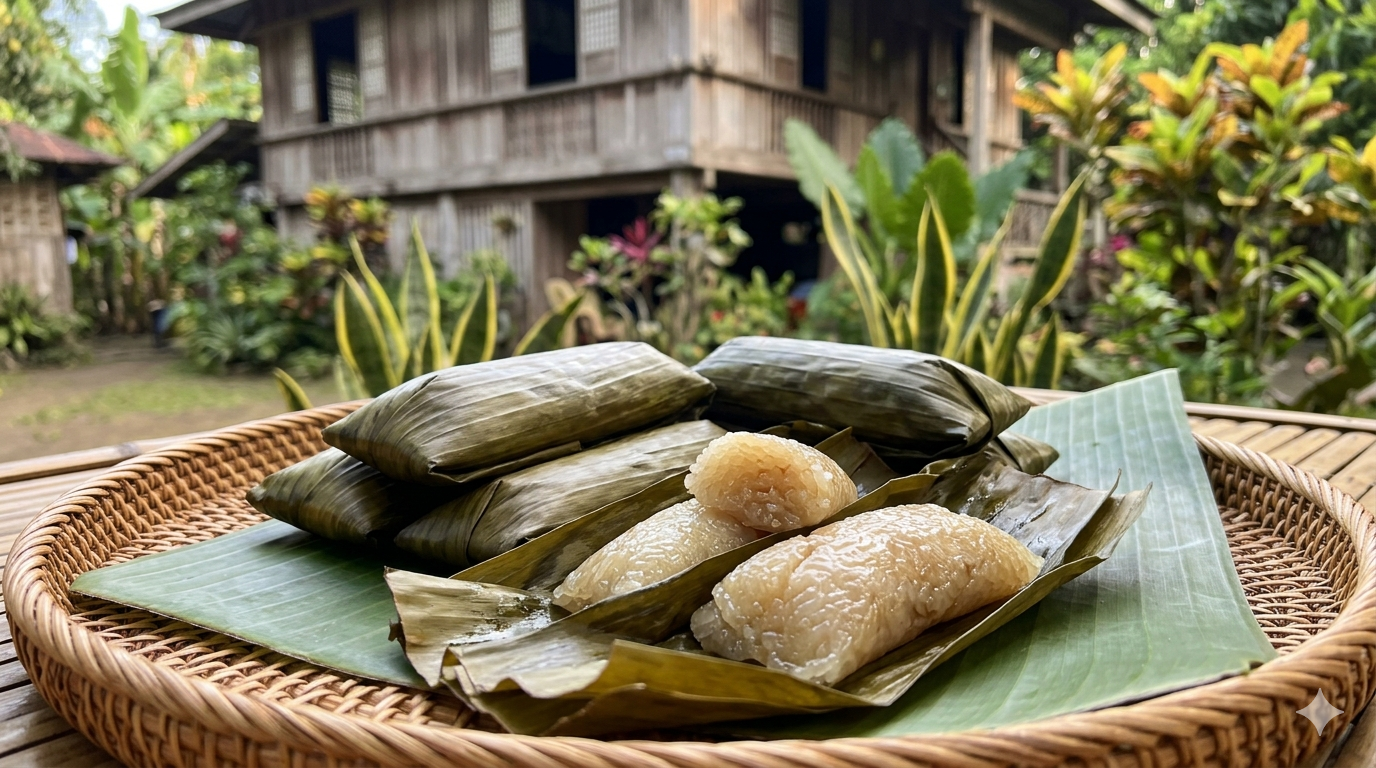
Inatata is a rice-based delicacy made primarily from glutinous rice (malagkit). It is often cooked with coconut milk (gata) and may include sugar for flavor. The mixture is typically wrapped in leaves (such as banana leaves) and steamed or boiled, giving it a soft and sticky texture.
This delicacy is commonly found in certain regions of the Philippines and may be prepared during local gatherings or as part of everyday food offerings.
Key Ingredients and Their Nutritional Roles
- Glutinous Rice
A source of carbohydrates, which provide energy. Compared to regular rice, glutinous rice has a stickier texture due to its starch composition. - Coconut Milk (Gata)
Contains fats, including saturated fats, and contributes to the texture and flavor of the dish. - Sugar (optional or variable)
Adds sweetness and contributes additional carbohydrates. - Banana Leaves (for wrapping)
Used for cooking and presentation; not consumed but may influence aroma.
Food Group Classification
Inatata can be generally categorized as:
- Energy-dense food due to its carbohydrate and fat content
- Primarily part of the “Go” food group (energy-giving), based on Philippine nutrition models
It is typically consumed in small portions as a snack or dessert rather than as a main meal component.
Hypothetical Nutritional Profile
A typical serving of a sticky rice delicacy like Inatata may include:
- Carbohydrates from rice and sugar
- Fats from coconut milk
- Minimal protein unless additional ingredients are included
Exact nutritional values vary depending on preparation methods, ingredient proportions, and serving size.
Consumption Context and Portion Awareness
Rice-based delicacies such as Inatata are part of traditional food culture. When included in a daily diet, they are often balanced with other food groups such as vegetables, protein sources, and fruits.
Portion size and frequency of consumption may influence overall dietary patterns, especially when foods are higher in sugar or fat.
Food Safety and Label Awareness
When Inatata is sold as a packaged product, Philippine regulations may require:
- Clear ingredient labeling
- Expiration or best-before dates
- Manufacturer or seller identification
Consumers may refer to labeling information to understand ingredient composition and storage guidelines.
Context
In nutrition science, traditional foods are evaluated based on their ingredient composition and role within an overall dietary pattern. Sticky rice-based foods are widely consumed in many cultures and are typically considered energy sources.
Under Philippine food safety and consumer protection standards, agencies such as the DOH and FDA provide general guidance on safe food handling and accurate labeling, particularly for commercially distributed products.
Dietary needs and responses to food intake vary across individuals. For personalized dietary planning, consultation with licensed nutrition professionals is recommended.
FAQs
What type of food is Inatata?
Inatata is a traditional Filipino sticky rice delicacy made mainly from glutinous rice and coconut milk. It is commonly eaten as a snack or dessert.
Is Inatata considered a carbohydrate-rich food?
Yes, since it is made primarily from glutinous rice, it is generally a source of carbohydrates.
Does Inatata contain fat?
It may contain fat due to the use of coconut milk, which contributes to its texture and flavor.
Trusted Sources
- Department of Health (DOH) Philippines – Nutrition and Food Guides
- Food and Drug Administration (FDA) Philippines – Food Labeling and Safety
- Food and Nutrition Research Institute (FNRI-DOST) – Philippine Food Composition Tables
- World Health Organization (WHO) – Healthy Diet Guidelines
- Peer-reviewed journals on food science and traditional diets
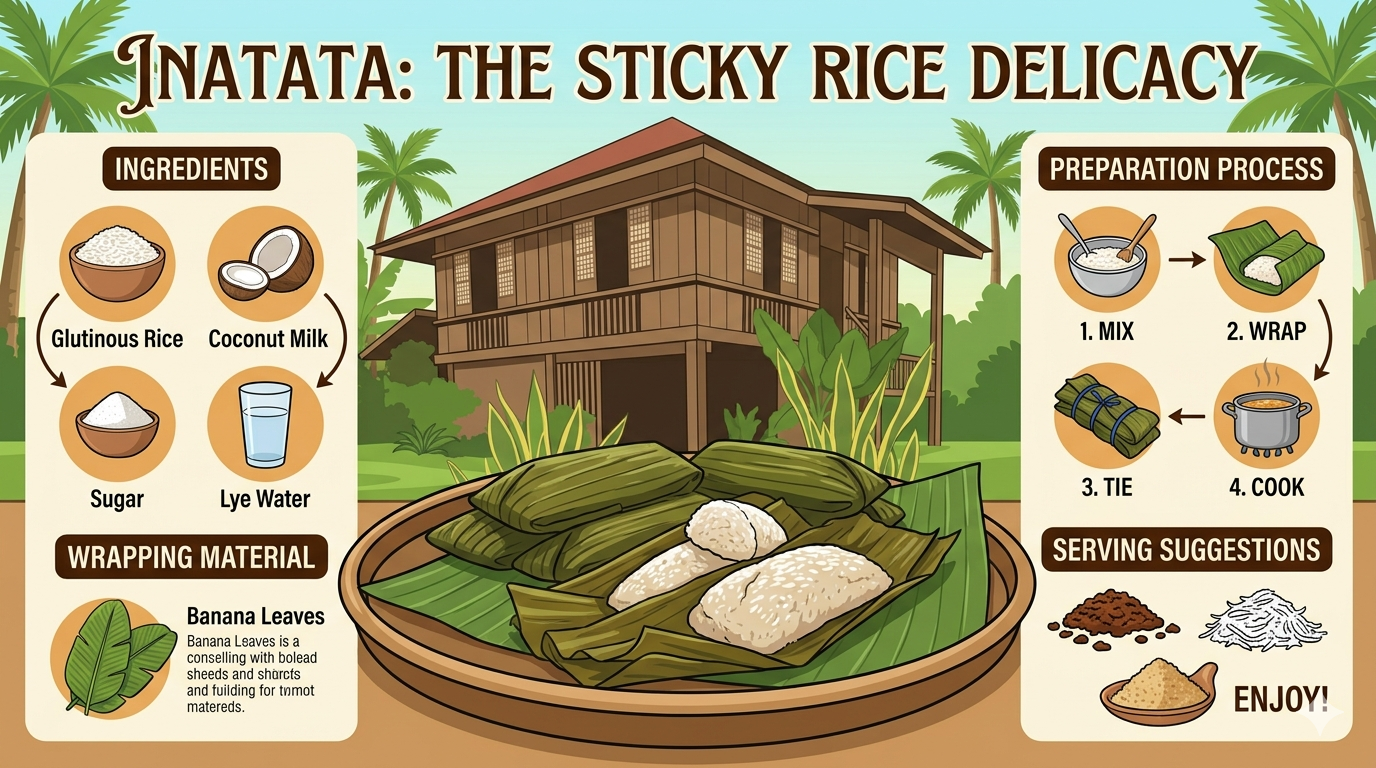
Ingredient and composition layout of a sticky rice delicacy
Disclaimer
This article is for general informational and educational purposes only. It does not constitute professional medical, nutrition, or dietary advice. References to foods or dietary practices do not imply endorsement or guarantee of health outcomes. Readers are encouraged to consult licensed nutritionists, dietitians, or medical professionals for personalized guidance.