by Roland Diaz | Mar 31, 2026 | Filipino Cuisine, Food & Nutrition Education
A neutral overview of nutrition, culinary uses, and availability in the Philippines.
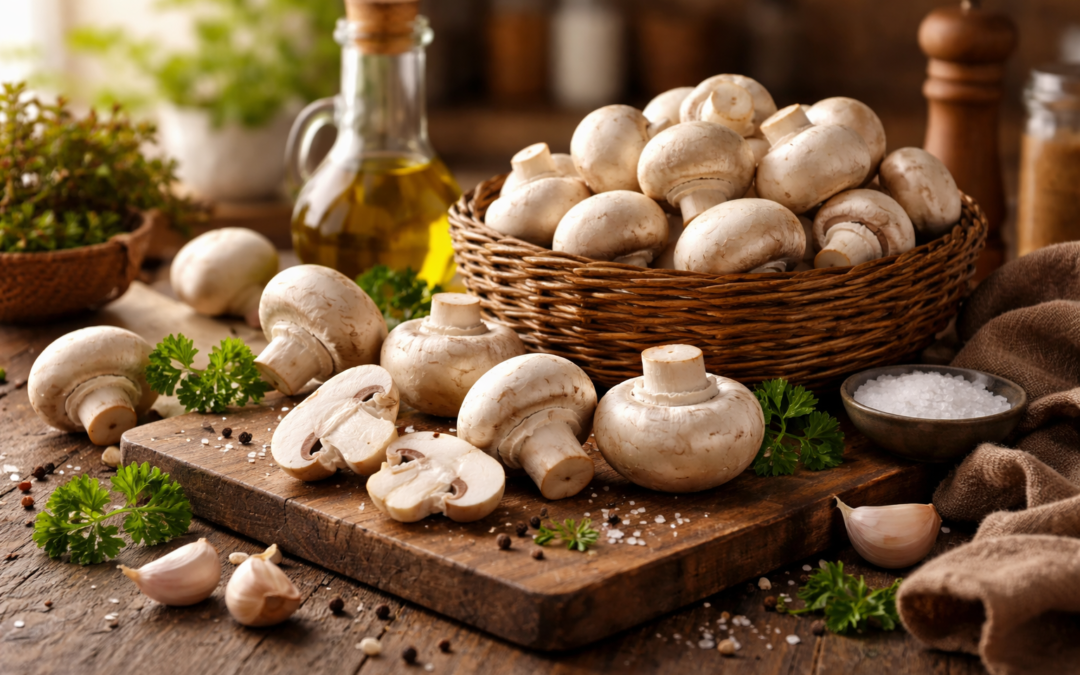
Button mushrooms, scientifically known as Agaricus bisporus, are small, white mushrooms with a mild flavor. They are commonly used in soups, stir-fries, and salads. These mushrooms are widely available in Philippine supermarkets and wet markets. This article provides educational information about their nutritional profile, culinary uses, and safe consumption considerations under local DOH and FDA guidelines.
Nutritional Profile
Button mushrooms are low in calories and provide a moderate source of protein and dietary fiber. They contain various vitamins and minerals, including B vitamins, selenium, and potassium, which contribute to overall dietary balance. While they contain small amounts of carbohydrates, they are generally considered nutrient-dense rather than energy-dense.
Culinary Uses
Button mushrooms are versatile and can be included in a variety of dishes. Common preparations include:
- Adding to soups or broths
- Stir-frying with vegetables
- Incorporating raw in salads
Food Safety Considerations
Under FDA and LGU food safety standards, mushrooms should be:
- Rinsed thoroughly before cooking or consumption
- Stored at appropriate refrigeration temperatures
- Cooked adequately when included in hot dishes to ensure food safety
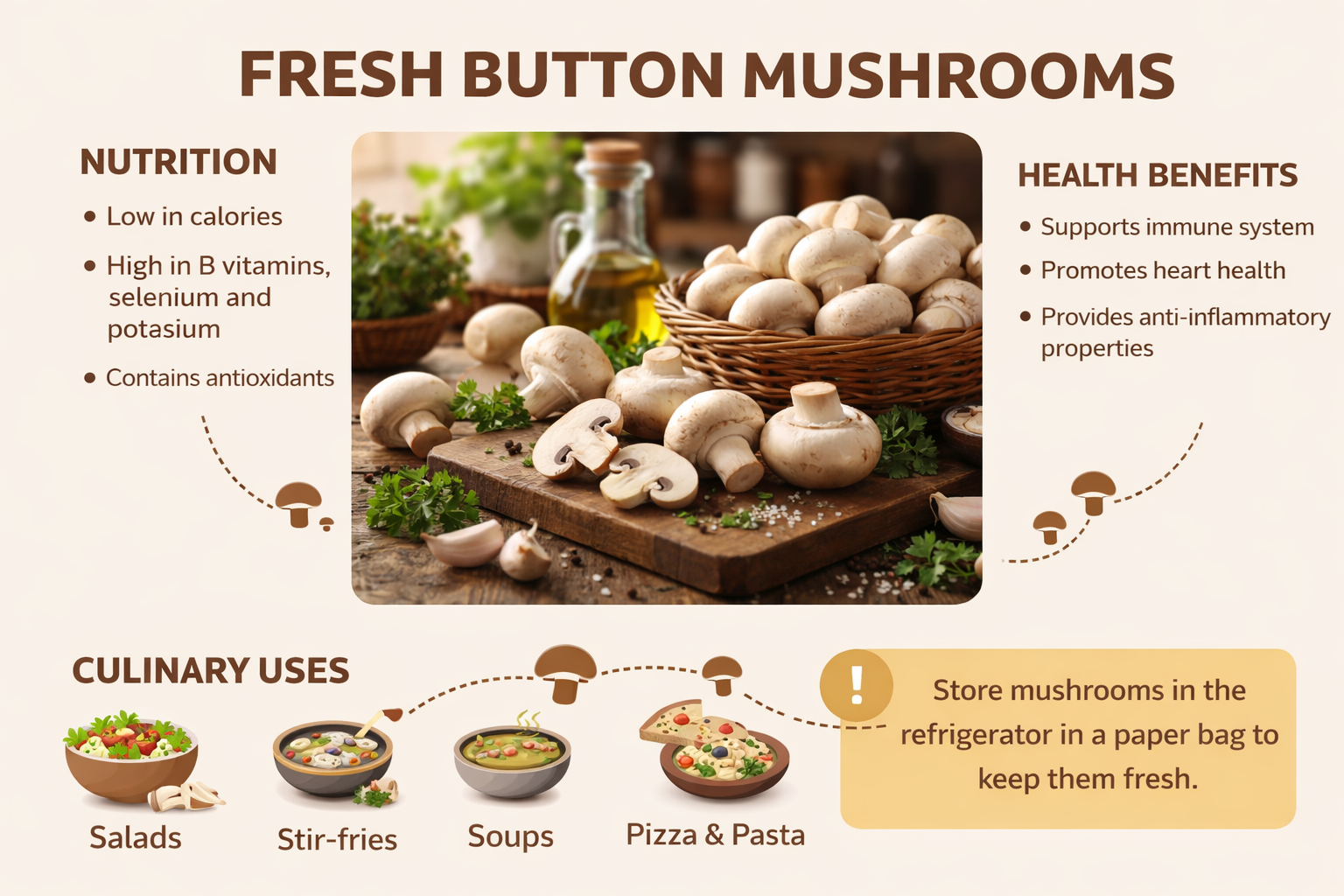
Visual guide to button mushroom types and uses.
Context
In nutrition science studies, mushrooms are recognized as a low-calorie food that can contribute to dietary variety and nutrient balance. Dietary planning with mushrooms typically involves considering portion sizes and integrating them with other vegetables and protein sources. Individual nutritional results may vary, and readers are encouraged to consult licensed nutritionists for personalized guidance.
FAQs
What are the main nutrients in button mushrooms?
Button mushrooms contain protein, dietary fiber, B vitamins, selenium, and potassium.
Can button mushrooms be eaten raw?
Yes, they can be consumed raw in salads, but should be washed thoroughly to remove contaminants.
How are button mushrooms commonly used in meals?
They are used in soups, stir-fries, and as toppings for salads and cooked dishes.
Trusted Sources
- Department of Health (DOH) Philippines – Food Safety Guidelines
- FDA Philippines – Mushroom Handling and Storage Advisories
- Academic journals on food science and nutrition
Disclaimer
This article is for general informational and educational purposes only. It does not constitute professional medical, nutrition, or dietary advice. References to foods do not imply endorsement or guarantee of health outcomes. Readers are encouraged to consult licensed nutritionists, dietitians, or medical professionals for personalized guidance.
by villarramil028 | Mar 30, 2026 | Filipino Cuisine, Food & Nutrition Education
Understanding KBL (Kadios, Baboy, Langka): Nutritional Insights and Food Science
A neutral overview of KBL ingredients, nutrient contributions, and dietary considerations
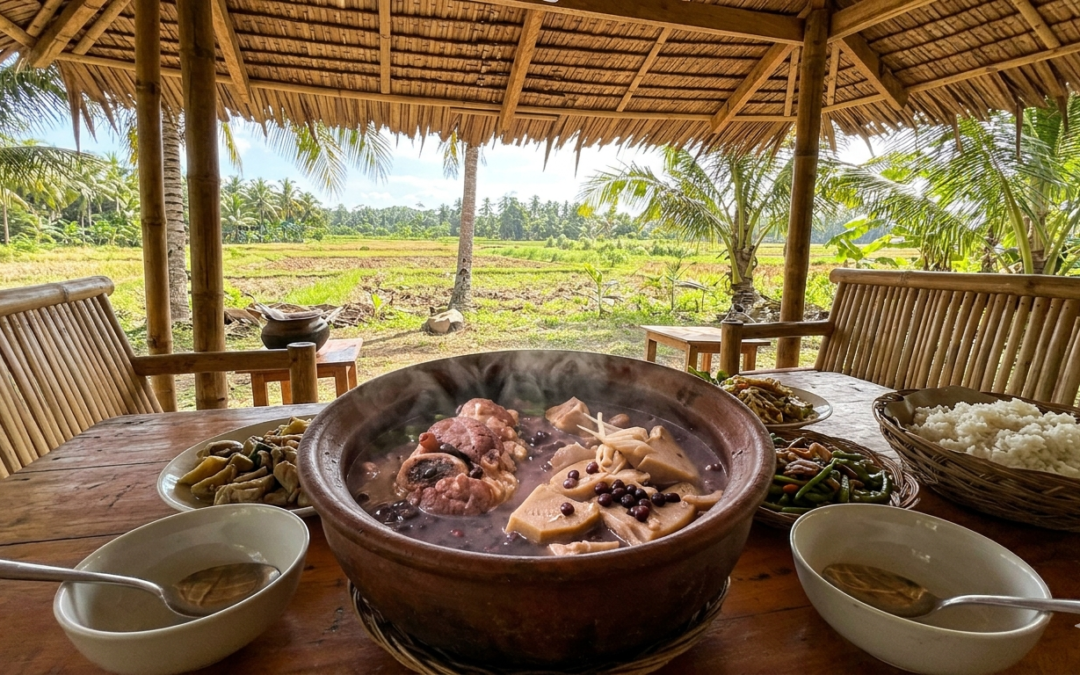
KBL, short for Kadios, Baboy, Langka, is a traditional Filipino stew commonly found in Bicol and other regions. This article provides an educational overview of the nutritional components of KBL, typical ingredients, and hypothetical ways it can fit into balanced dietary planning. Content aligns with DOH, FDA Philippines, and DTI guidelines and focuses on neutral, factual information about macronutrients, micronutrients, and food composition.
Key Ingredients and Nutrient Profiles
- Kadios (Pigeon Pea / Cajanus cajan)
Kadios are legumes rich in plant-based protein, dietary fiber, and complex carbohydrates. They also contain micronutrients such as iron, magnesium, and folate. Legumes are nutrient-dense and provide sustained energy.
- Baboy (Pork)
Pork contributes animal protein and essential amino acids, as well as micronutrients including zinc, B vitamins, and iron. Lean cuts reduce saturated fat content, while fattier cuts increase energy density.
- Langka (Jackfruit, unripe)
Young jackfruit is high in dietary fiber and complex carbohydrates, with small amounts of vitamin C, potassium, and other minerals. It is low in fat and adds bulk to meals, supporting neutral informational context.
- Additional Components
Ingredients like coconut milk, onions, garlic, and chili are common. Coconut milk provides saturated fats and calories, while aromatics contribute flavor without significant macronutrients.
Hypothetical Nutrient Balance in a Serving
| Ingredient |
Approx. Weight (g) |
Protein (g) |
Carbs (g) |
Fat (g) |
Fiber (g) |
| Kadios |
100 |
8 |
20 |
1 |
7 |
| Baboy |
75 |
14 |
0 |
8 |
0 |
| Langka |
100 |
2 |
20 |
0 |
3 |
| Coconut milk |
50 |
0 |
2 |
10 |
0 |
Note: Nutrient values are illustrative averages. Actual values vary depending on cut, cooking method, and recipe.
Dietary Planning Considerations (Neutral)
- Portion Control: Combining legumes, meat, and vegetables in KBL provides a mix of macronutrients; portion sizes determine overall energy content.
- Protein Variety: Kadios plus Baboy supplies both plant and animal protein sources.
- Micronutrient Diversity: Including langka and aromatics increases fiber and phytonutrient content.
- Cooking Methods: Boiling or simmering maintains nutrient retention; frying or excessive oil may increase fat content.
Context
In nutrition science studies, stews combining legumes, protein, and vegetables are considered balanced meals when portioned appropriately. Under consumer protection and labeling standards, recipes like KBL can be evaluated based on ingredient composition and nutrient content. Dietary outcomes vary individually depending on overall eating patterns, activity levels, and health conditions. For personalized guidance, consultation with a licensed nutritionist or dietitian is recommended.
FAQs
What is KBL?
KBL stands for Kadios (pigeon peas), Baboy (pork), and Langka (young jackfruit), a traditional Filipino stew with macronutrient and micronutrient variety.
What nutrients are in KBL?
KBL contains protein, complex carbohydrates, dietary fiber, and micronutrients such as iron, magnesium, B vitamins, and potassium.
How can KBL fit into a meal plan?
Hypothetical meal planning may include KBL as part of a nutrient-diverse lunch or dinner, combined with rice or vegetables to maintain macronutrient variety.
Trusted Sources
- DOH Philippines – Nutritional Guidelines and Health Advisories
- FDA Philippines – Food Safety and Labeling Guidelines
- Peer-reviewed journals on Filipino cuisine and nutrient composition
- Philippine Dietary Reference Intakes (DRIs)
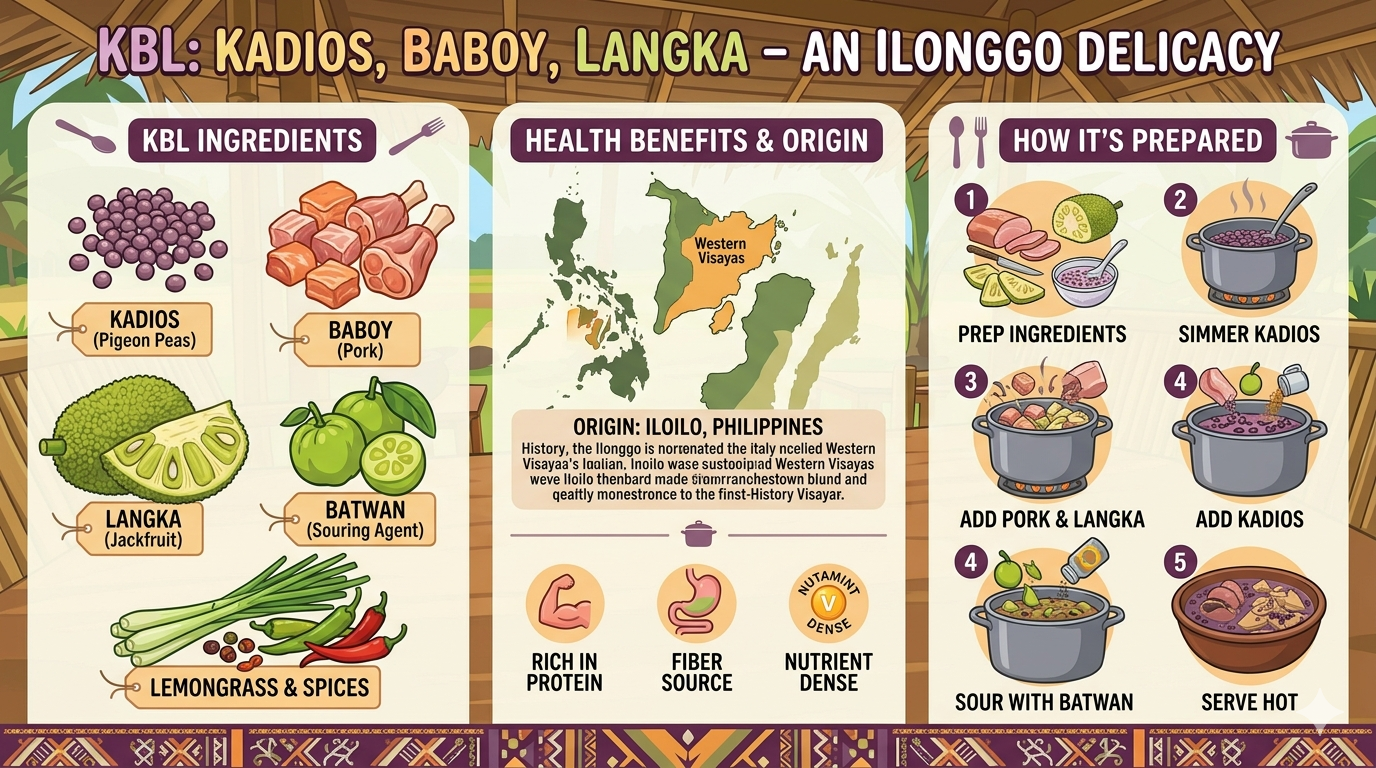
Infographic showing kadios, baboy, langka, and their macronutrient categories.
Disclaimer
This article is for general informational and educational purposes only. It does not constitute professional medical, nutrition, or dietary advice. References to recipes, foods, or ingredients do not imply endorsement or guarantee of outcomes. Readers are encouraged to consult licensed nutritionists, dietitians, or medical professionals for personalized guidance.
by villarramil028 | Mar 30, 2026 | Filipino Cuisine, Food & Nutrition Education
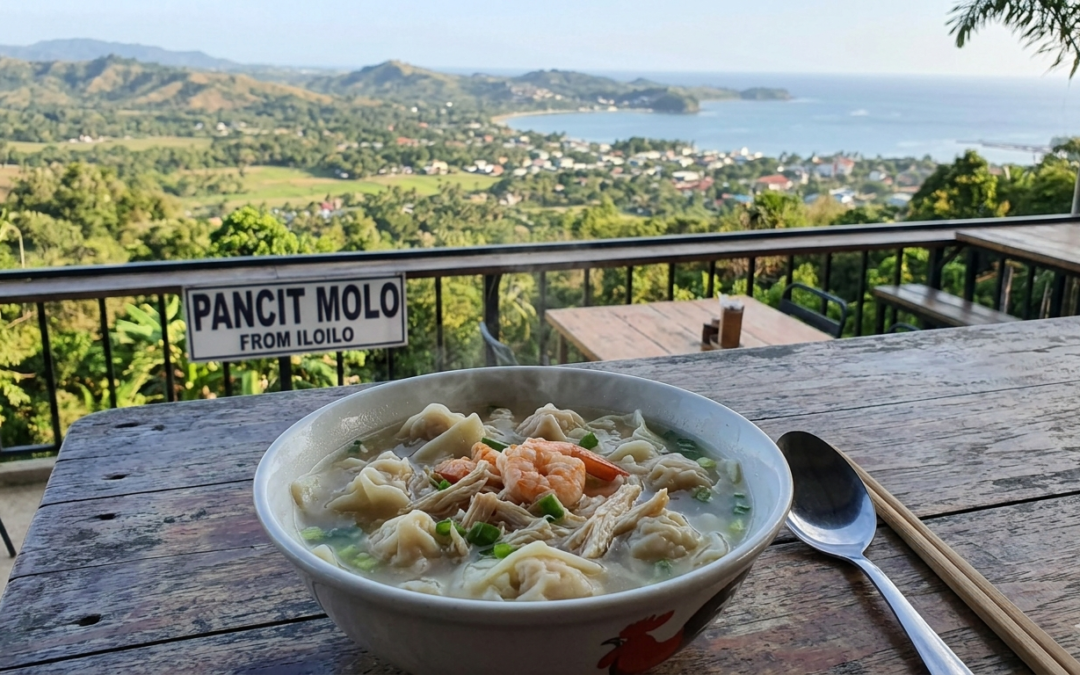
Understanding Pancit Molo: A Nutritional and Culinary Overview
A neutral guide to the ingredients, nutrient considerations, and safe consumption of Pancit Molo in the Philippines.
Pancit Molo is a traditional Filipino dish originating from the Visayan region, often described as a type of dumpling soup. This article provides an informational overview of Pancit Molo’s typical ingredients, macronutrient components, and food safety considerations. The discussion references nutrition and food safety principles aligned with Philippine Department of Health (DOH) and Food and Drug Administration (FDA Philippines) guidelines.
Ingredients and Nutritional Composition
Pancit Molo typically consists of:
- Wrapper: Thin dough made from flour and water.
- Filling: Ground pork, chicken, or seafood mixed with seasonings.
- Broth: Usually chicken-based, sometimes with added vegetables like carrots, onions, or cabbage.
From a nutritional standpoint:
- Macronutrients: The dish provides protein from meat, carbohydrates from wrappers, and a small amount of fat depending on the meat and broth preparation.
- Micronutrients: Vitamins such as vitamin A (from carrots) and vitamin C (from cabbage) may be present. Minerals such as iron and zinc can come from the meat filling.
- Fiber: Typically low unless vegetables are increased.
Hypothetical Nutrient Considerations
A neutral illustration of a single serving (approximately 1 cup of soup with 4–5 dumplings) could contain:
- Calories: ~250–300 kcal
- Protein: ~12–15 g
- Carbohydrates: ~25–30 g
- Fat: ~8–10 g
These values vary based on portion size, ingredients, and cooking methods.
Food Safety and Consumer Considerations
- Proper Cooking: Meat and seafood should reach safe internal temperatures to reduce the risk of foodborne illness.
- Hygienic Preparation: Wrappers and fillings should be handled with clean utensils and surfaces.
- Ingredient Selection: Using fresh vegetables and verified meat sources aligns with Philippine food safety standards.
Context
In nutrition science, dishes like Pancit Molo can contribute to daily protein and carbohydrate intake when consumed as part of a varied diet. Under Philippine consumer protection and labeling standards, homemade or commercially prepared dumpling soups should comply with safe food handling, accurate labeling, and hygienic preparation practices. Dietary results vary individually, and consumers should consider portion size and ingredient balance for overall nutrition.
FAQs
What is Pancit Molo?
Pancit Molo is a Filipino dumpling soup featuring meat-filled wrappers in a broth, commonly served in the Visayas region.
What macronutrients are in Pancit Molo?
It contains protein from the meat, carbohydrates from the wrapper, and fat from the meat and broth.
Are there safety considerations for consuming Pancit Molo?
Yes. Proper cooking, hygienic handling, and fresh ingredients are important to reduce foodborne risks.
Trusted Sources
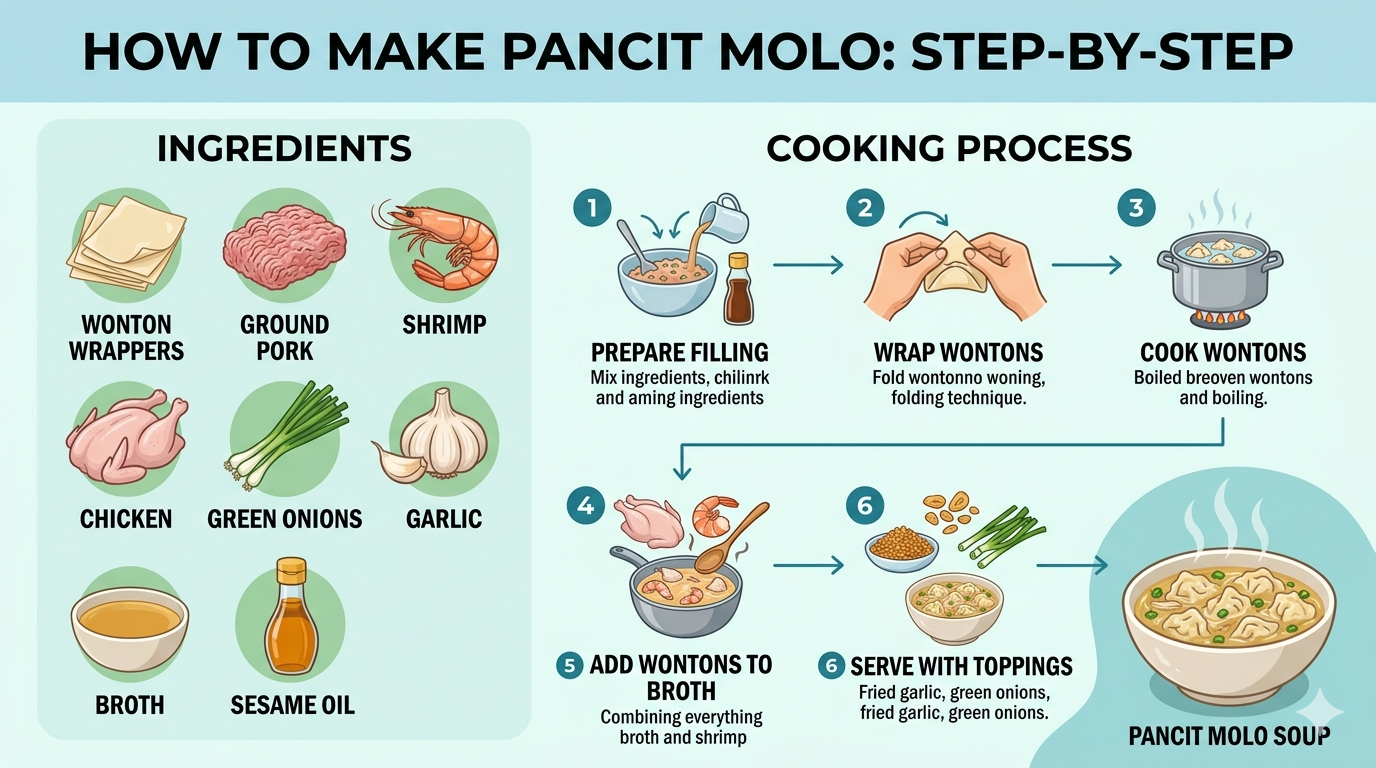
Diagram showing main Pancit Molo ingredients: wrappers, filling, and broth.
Disclaimer:
This article is for general informational and educational purposes only. It does not constitute professional medical, nutrition, or dietary advice. References to foods or dishes do not imply endorsement or guarantee of health outcomes. Readers are encouraged to consult licensed nutritionists, dietitians, or medical professionals for personalized guidance.
by villarramil028 | Mar 29, 2026 | Filipino Cuisine, Food & Nutrition Education
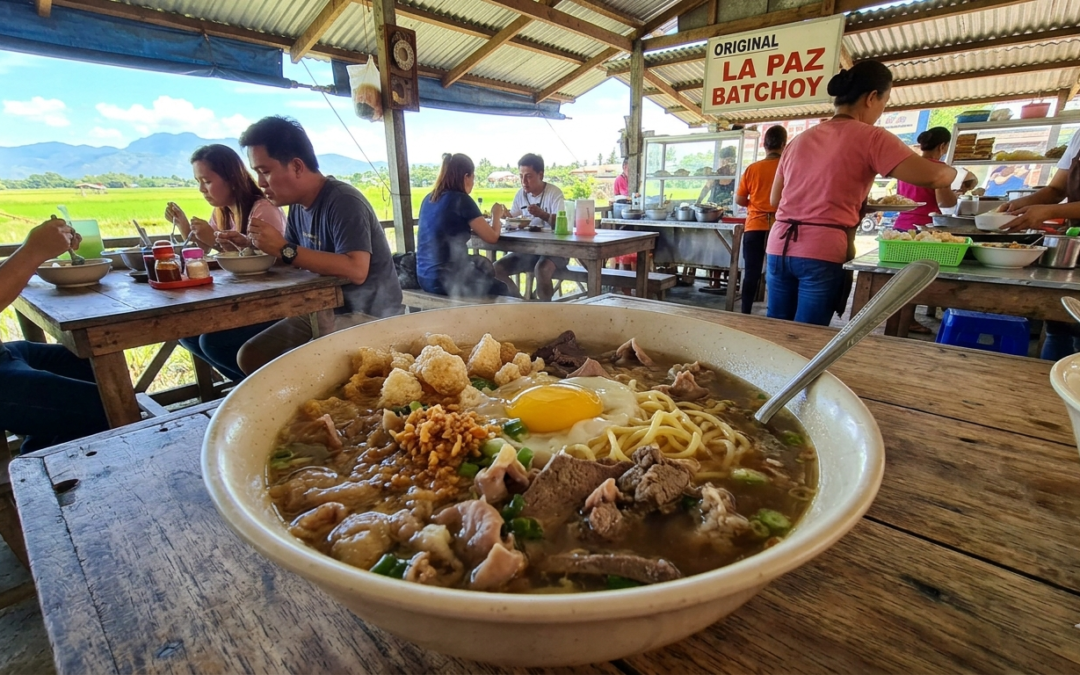
La Paz Batchoy: An Educational Overview of a Traditional Filipino Noodle Soup
A neutral look at its ingredients, nutrition components, and food context
La Paz Batchoy is a traditional Filipino noodle soup that originated from the district of La Paz in Iloilo City. It is commonly prepared using pork-based broth, noodles, and various toppings. In the context of Philippine food culture and nutrition awareness, dishes like batchoy can be understood by examining their ingredients, nutrient composition, and portion considerations, as guided by general food safety and labeling standards from agencies such as the Department of Health (DOH) and the Food and Drug Administration (FDA).
What Is La Paz Batchoy?
La Paz Batchoy is a savory soup dish typically made with:
- Egg noodles (miki)
- Pork broth
- Slices of pork meat and organ meats (such as liver or intestines)
- Crushed pork cracklings (chicharrón)
- Garlic and onions
- Sometimes a raw egg added before serving
It is traditionally served hot and is widely available in eateries and local food establishments.
Macronutrient Components
The ingredients in batchoy contribute different macronutrients:
- Carbohydrates: Primarily from the noodles
- Proteins: From pork meat, organ meats, and egg
- Fats: From broth, pork cuts, and toppings like chicharrón
The overall macronutrient content depends on preparation methods and portion sizes.
Micronutrient Content
Batchoy may provide certain vitamins and minerals, including:
- Iron from pork and organ meats
- B vitamins from meat and broth
- Sodium from seasoning and broth preparation
Sodium levels can vary depending on added condiments and cooking techniques.
Food Group Representation
In terms of food groups, batchoy generally includes:
- Grains (noodles)
- Protein sources (pork, egg)
Vegetable content is typically minimal unless added separately, which may influence overall nutrient diversity.
Portion and Meal Context (Hypothetical)
As part of a meal, batchoy may be paired with:
- Vegetables (e.g., leafy greens on the side)
- Fruits after the meal
This type of combination is sometimes used in meal planning examples to illustrate food group variety. Actual dietary choices vary by individual preference and context.
Food Safety and Consumer Awareness
When consuming dishes like batchoy from restaurants or food stalls, general food safety considerations include:
- Proper food handling and preparation
- Clean water and ingredient sourcing
- Compliance with local government unit (LGU) sanitation standards
Packaged or instant versions of batchoy may include nutrition labels. Under the Consumer Act of the Philippines (RA 7394), such labels are required to provide accurate product information.
Context
In nutrition science, traditional dishes are often analyzed based on ingredient composition and preparation methods. Meals that combine carbohydrates, proteins, and fats can contribute to overall dietary intake when considered within a broader eating pattern.
Under Philippine food safety and consumer protection regulations, both freshly prepared and packaged foods are expected to meet hygiene and labeling standards. Nutritional needs differ among individuals, and meal composition may vary depending on lifestyle and dietary preferences.
Consultation with licensed nutrition professionals may provide more specific guidance for individual dietary planning.
FAQs
What is La Paz Batchoy made of?
It is typically made with egg noodles, pork broth, pork meat, organ meats, and toppings like garlic and chicharrón.
Does batchoy contain protein?
Yes, protein is commonly present from pork, organ meats, and sometimes egg.
Is batchoy considered a complete meal?
It depends on portion size and added ingredients. Some versions may lack certain food groups such as vegetables.
Trusted Sources
- Department of Health (Philippines) — Food and Nutrition Guidelines
- Food and Drug Administration (Philippines) — Food Safety and Labeling
- National Nutrition Council (Philippines) — Dietary Guidance Resources
- Peer-reviewed food science and nutrition journals
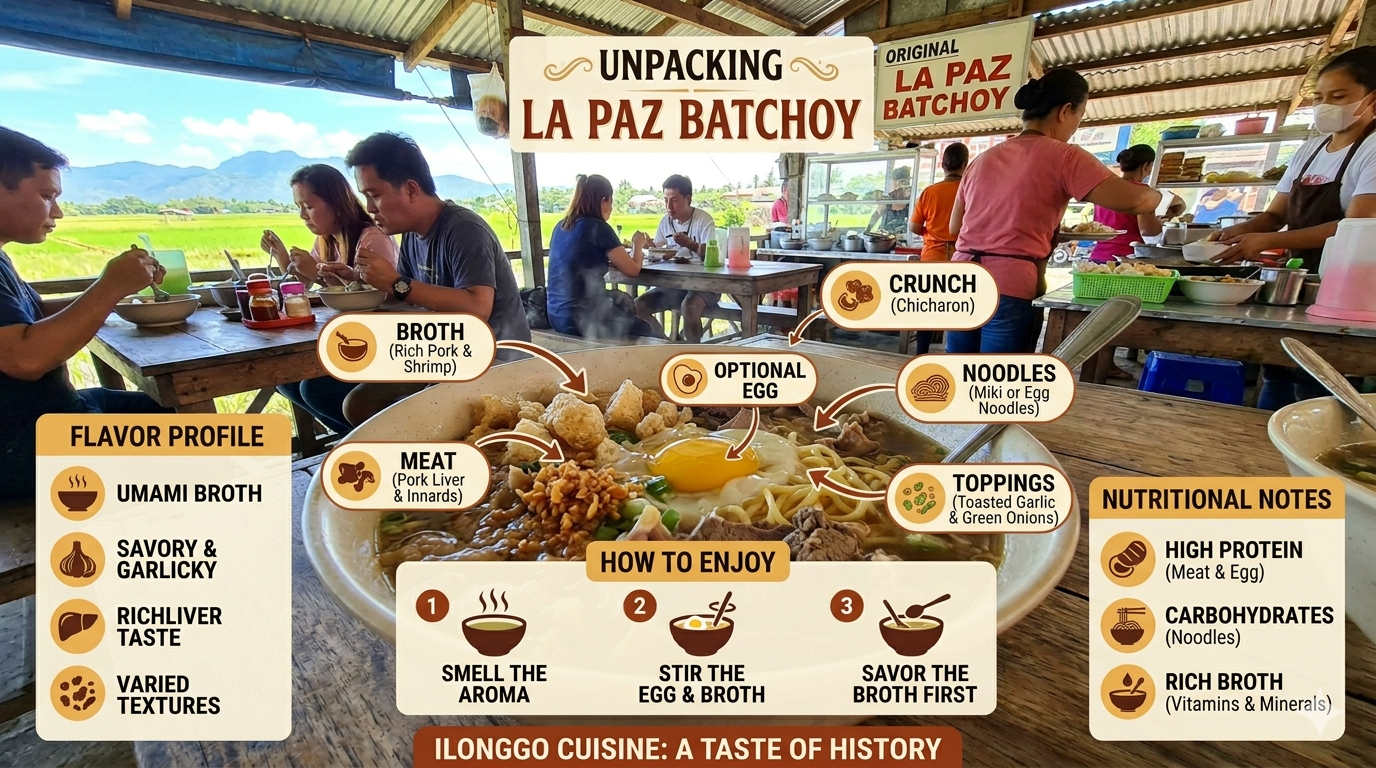
Infographic depicting La Paz Batchoy noodle soup ingredients and typical composition.
Disclaimer
This article is for general informational and educational purposes only. It does not constitute professional medical, nutrition, or dietary advice. References to foods or dietary patterns do not imply endorsement or guarantee of health outcomes. Readers are encouraged to consult licensed nutritionists, dietitians, or medical professionals for personalized guidance.
by villarramil028 | Mar 29, 2026 | Filipino Cuisine, Food & Nutrition Education
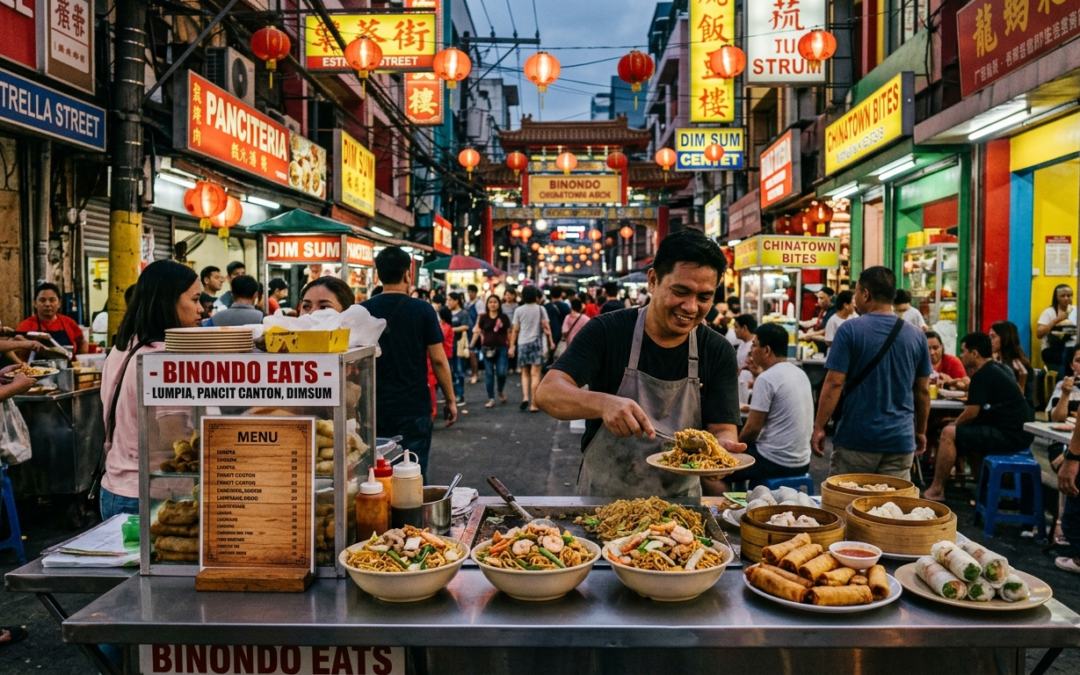
Understanding Chinese-Filipino Cuisine in Binondo: An Educational Nutrition Overview
A Neutral Look at Common Dishes Like Lumpia and Pancit Canton
This article provides an educational overview of selected Chinese-Filipino dishes commonly associated with Binondo, Manila. It focuses on general nutrition composition, food groups, and dietary considerations based on standard food safety and nutrition guidance aligned with Philippine authorities such as the Department of Health (DOH) and the Food and Drug Administration (FDA Philippines). The content is informational and does not promote specific dietary outcomes.
Overview of Chinese-Filipino Cuisine
Chinese-Filipino cuisine reflects a combination of traditional Chinese cooking methods and locally available Filipino ingredients. Meals often include a balance of carbohydrates, protein sources, and vegetables, depending on preparation.
Common dishes include:
- Lumpia (spring rolls)
- Pancit Canton (stir-fried noodles)
- Fried rice dishes
- Steamed or stir-fried vegetables
- Meat and seafood-based dishes
Preparation methods may involve frying, steaming, or stir-frying, which can influence nutrient composition.
Nutritional Components of Selected Dishes
Lumpia (Spring Rolls)
Lumpia typically consists of:
- wrapper made from flour (carbohydrates)
- filling such as vegetables, meat, or shrimp (protein and fiber)
- cooking method often involves frying
Nutritional considerations:
- frying may increase fat content
- vegetable-based fillings contribute fiber and micronutrients
- portion size can affect overall intake
Pancit Canton (Stir-Fried Noodles)
Pancit Canton commonly includes:
- wheat noodles (carbohydrates)
- meat or seafood (protein)
- vegetables such as cabbage or carrots (fiber, vitamins)
- soy-based sauces (flavoring, sodium content)
Nutritional considerations:
- provides a mix of macronutrients
- sodium levels may vary depending on seasoning
- inclusion of vegetables contributes to nutrient diversity
Food Group Balance in Typical Meals
Chinese-Filipino meals can include multiple food groups:
- Carbohydrates: noodles, rice, wrappers
- Proteins: pork, chicken, seafood, tofu
- Vegetables: cabbage, bean sprouts, leafy greens
- Fats: oils used in cooking
Balanced intake depends on portioning and variety within the meal.
Meal Planning Considerations (Hypothetical Example)
A simplified example of incorporating these dishes into a meal pattern:
- Main dish: Pancit Canton with mixed vegetables
- Side dish: Vegetable lumpia
- Additional: Fresh fruit and water
This example illustrates food variety and does not imply specific dietary effects.
Consumer Awareness: Preparation and Food Safety
Under Philippine food safety and consumer protection standards:
- food preparation should follow proper hygiene practices
- cooking methods influence fat and sodium levels
- ingredient sourcing and storage affect food safety
When consuming prepared foods:
- awareness of portion sizes and preparation methods may support general dietary understanding
- labeling is not always available for freshly prepared dishes, so ingredient awareness may rely on observation or inquiry
Cultural and Nutritional Perspective
In nutrition science studies, mixed dishes like stir-fried noodles and spring rolls are considered composite meals, meaning they combine multiple food groups in one serving.
Dietary patterns vary widely, and no single cuisine determines overall nutrition. Balanced intake is typically assessed across total daily or weekly consumption rather than individual dishes.
For personalized dietary planning, consultation with licensed nutrition professionals is recommended.
FAQs
What food groups are present in Pancit Canton?
Pancit Canton usually includes carbohydrates from noodles, protein from meat or seafood, and vegetables that provide fiber and micronutrients.
Is Lumpia considered a protein or carbohydrate source?
Lumpia contains both carbohydrates (wrapper) and protein (filling), along with fats depending on the cooking method.
Why is portion size relevant in mixed dishes?
Portion size affects the overall intake of calories, fats, sodium, and other nutrients in composite meals.
Trusted Sources
- Department of Health (Philippines) — Nutrition guidelines and advisories
- Food and Drug Administration (Philippines) — Food safety and labeling standards
- World Health Organization (WHO) — Healthy diet framework
- Academy of Nutrition and Dietetics — Nutrition education resources
- Peer-reviewed journals on food science and cultural diets
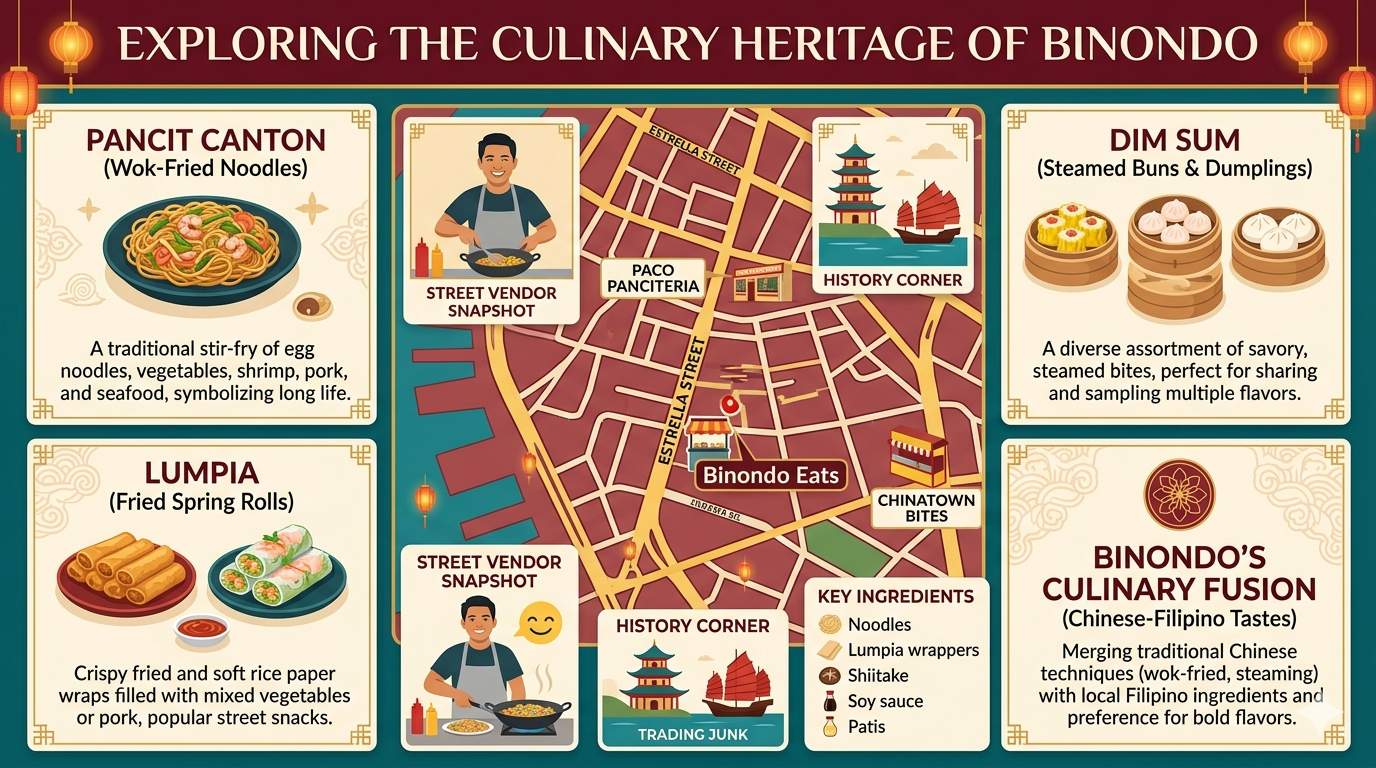
Visual breakdown of ingredients used in selected Chinese-Filipino dishes
Disclaimer
This article is for general informational and educational purposes only. It does not constitute professional medical, nutrition, or dietary advice. References to diets, foods, or supplements do not imply endorsement or guarantee of health outcomes. Readers are encouraged to consult licensed nutritionists, dietitians, or medical professionals for personalized guidance.
by villarramil028 | Mar 29, 2026 | Filipino Cuisine, Food & Nutrition Education
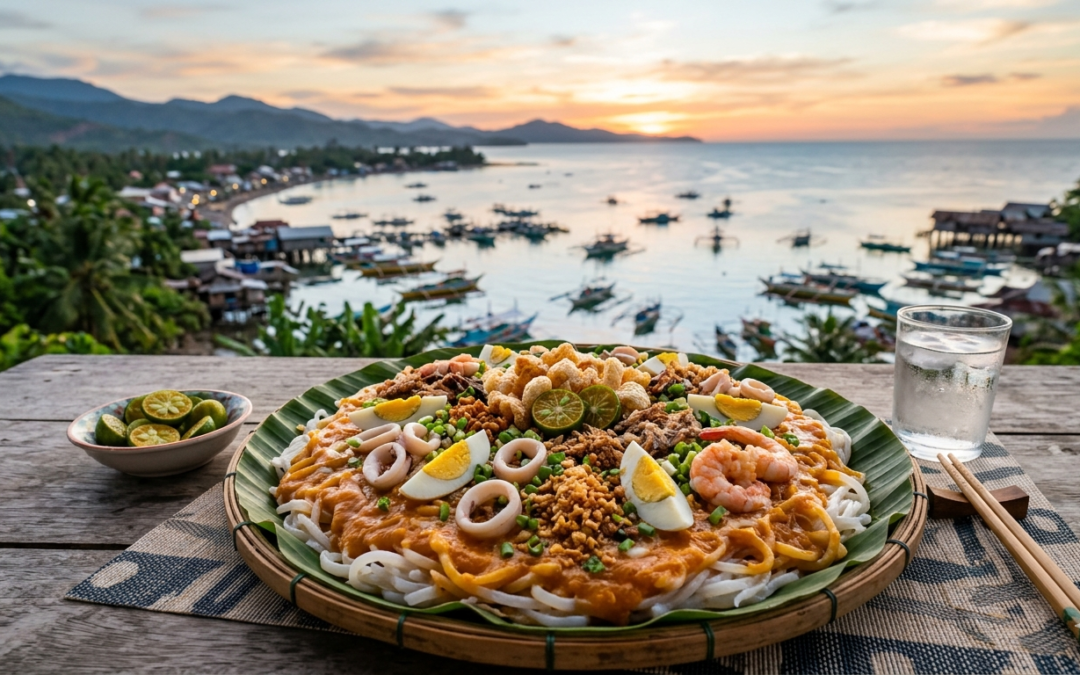
Pancit Malabon: Nutritional Overview and Food Context Guide
A neutral look at ingredients, food composition, and dietary considerations
This article provides an educational overview of Pancit Malabon, a traditional Filipino noodle dish. It explains common ingredients, general nutritional composition, and considerations for meal planning. The discussion follows food safety and labeling awareness principles aligned with guidance from Philippine authorities such as the Department of Health (DOH) and the Food and Drug Administration (FDA Philippines).
What Is Pancit Malabon?
Pancit Malabon is a noodle-based dish originating from Malabon City. It typically uses thick rice noodles and is known for its orange-colored sauce, which is often derived from annatto seeds. The dish commonly includes a mix of seafood and other toppings.
Typical ingredients may include:
- Rice noodles
- Shrimp or shrimp-based sauce
- Squid, fish, or shellfish
- Pork (in some variations)
- Hard-boiled eggs
- Chicharrón (crushed pork rind)
- Garlic and green onions
Ingredient combinations may vary depending on preparation style and region.
Nutritional Components
As a mixed dish, Pancit Malabon contains several macronutrients:
- Carbohydrates: Primarily from rice noodles, serving as a source of energy
- Protein: From seafood, eggs, and optional meat ingredients
- Fats: May come from cooking oils, pork components, or toppings like chicharrón
It may also contain micronutrients such as:
- Iron from seafood and meat
- Calcium from certain shellfish
- Vitamin A depending on added vegetables or coloring agents
The exact nutrient content depends on portion size and preparation methods.
Food Group Representation
Pancit Malabon can be viewed as a combination meal that includes:
- Grain group (rice noodles)
- Protein sources (seafood, eggs, meat)
- Limited vegetable components depending on recipe
In meal planning contexts, additional vegetables or fruits may be included separately to increase dietary variety.
Portion and Meal Context
This dish is often served during gatherings or as a shared meal. In general dietary planning:
- Portion sizes may vary widely
- It is typically consumed alongside other dishes or beverages
- It can be part of a broader meal that includes vegetables and hydration
No specific portion recommendation applies universally, as dietary needs differ.
Food Safety and Label Awareness
When purchasing ready-made or packaged versions:
- Check ingredient lists for allergens such as shellfish
- Review nutrition labels where available
- Ensure the product complies with FDA Philippines labeling standards
For freshly prepared versions, proper food handling and storage are important to reduce food safety risks.
Context
In nutrition science discussions, mixed dishes like Pancit Malabon illustrate how multiple food groups can be combined into a single meal. Dietary planning typically considers how such dishes contribute to overall nutrient intake across the day.
Under Philippine food safety and consumer protection standards, accurate labeling and safe preparation practices are emphasized. Individual dietary responses and preferences may vary, and cultural dishes are often adapted based on availability and personal choice.
Consultation with licensed nutrition professionals may provide more personalized guidance.
FAQs
What type of food is Pancit Malabon?
Pancit Malabon is a Filipino noodle dish made with thick rice noodles and a seafood-based sauce. It is commonly served with various toppings such as eggs and seafood.
Does Pancit Malabon contain protein?
Yes, it typically contains protein from ingredients like shrimp, eggs, and sometimes pork or fish.
Is Pancit Malabon considered a complete meal?
It can include multiple food groups, but the overall balance depends on portion sizes and accompanying dishes.
Trusted Sources
- Department of Health (DOH) Philippines – Nutrition and Food Safety Guidelines
- Food and Drug Administration (FDA Philippines) – Food Labeling and Safety Standards
- Food and Nutrition Research Institute (FNRI-DOST) – Philippine Food Composition Tables
- World Health Organization (WHO) – Healthy Diet Resources
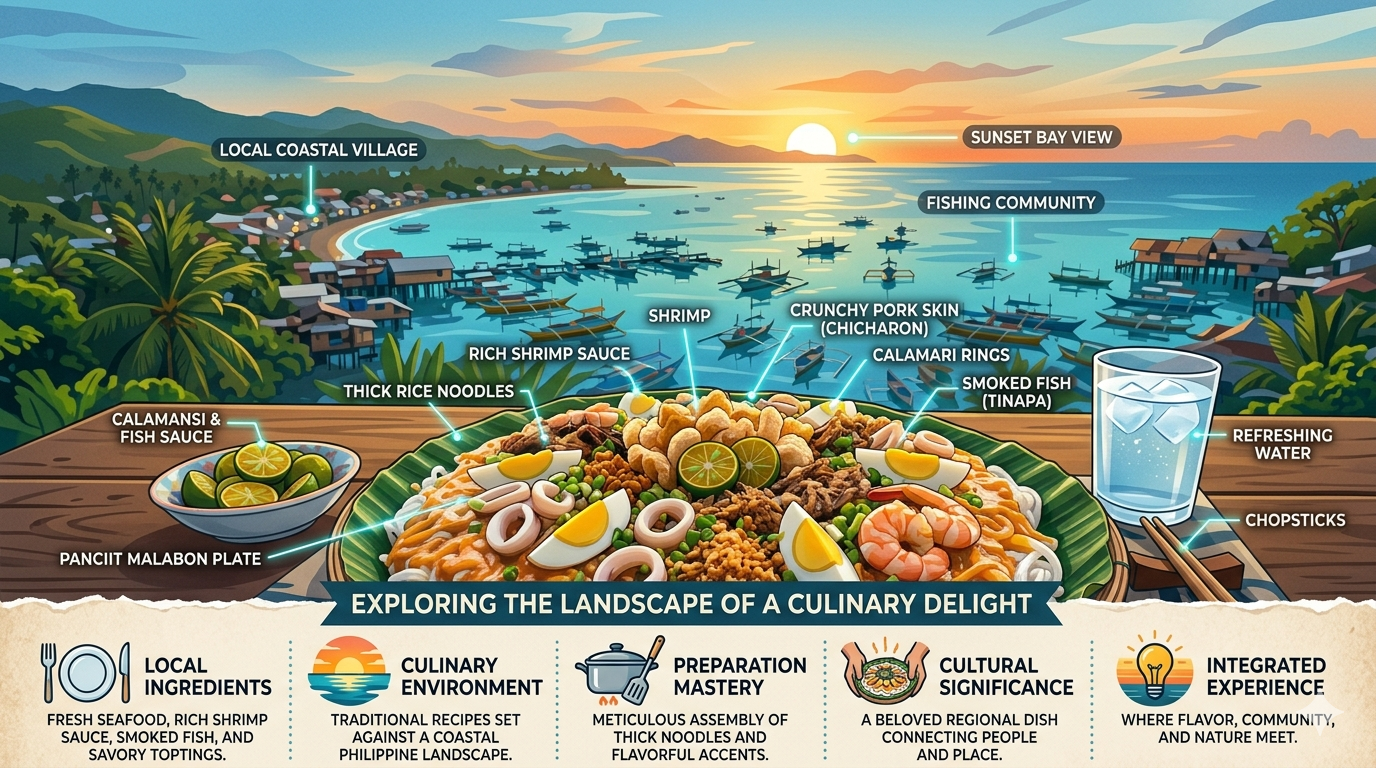
Visual breakdown of Pancit Malabon ingredients
Disclaimer
This article is for general informational and educational purposes only. It does not constitute professional medical, nutrition, or dietary advice. References to diets, foods, or supplements do not imply endorsement or guarantee of health outcomes. Readers are encouraged to consult licensed nutritionists, dietitians, or medical professionals for personalized guidance.

