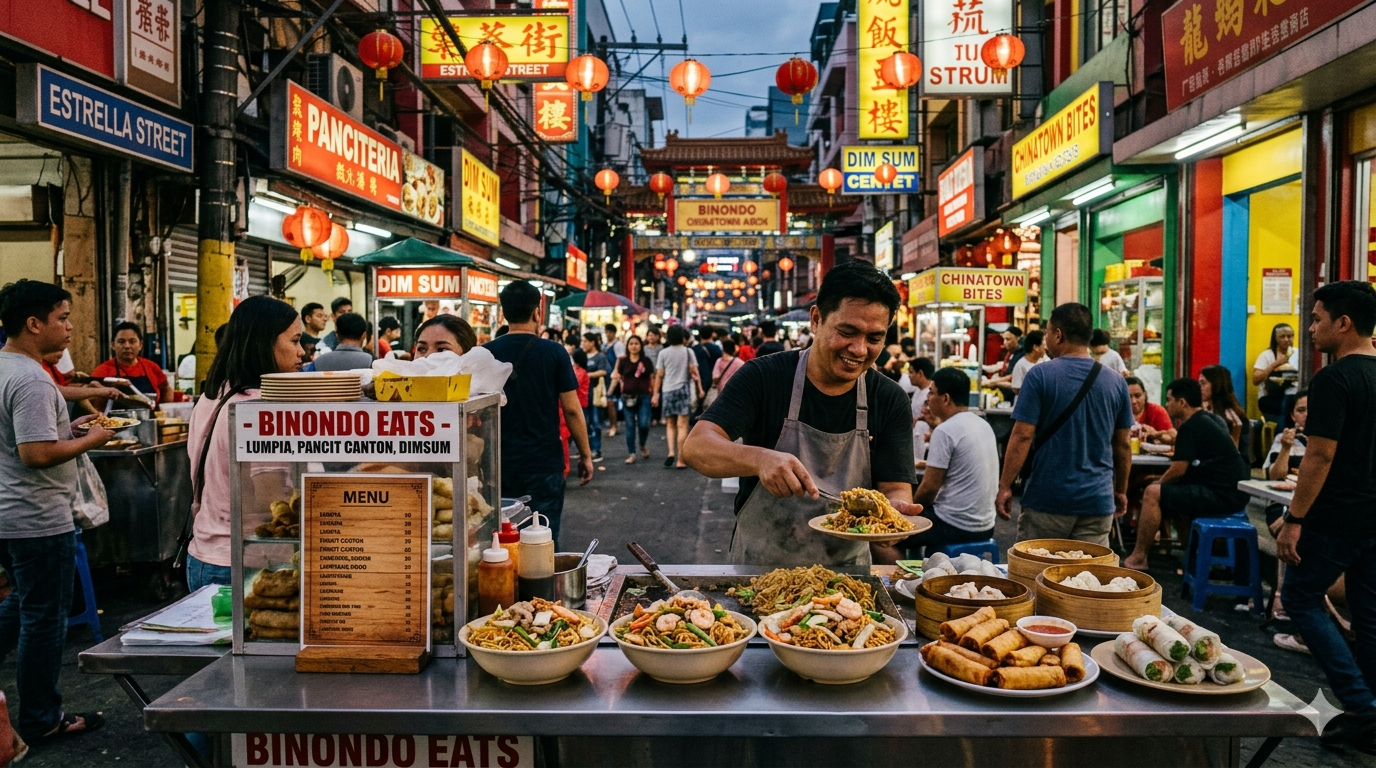
Understanding Chinese-Filipino Cuisine in Binondo: An Educational Nutrition Overview
A Neutral Look at Common Dishes Like Lumpia and Pancit Canton
This article provides an educational overview of selected Chinese-Filipino dishes commonly associated with Binondo, Manila. It focuses on general nutrition composition, food groups, and dietary considerations based on standard food safety and nutrition guidance aligned with Philippine authorities such as the Department of Health (DOH) and the Food and Drug Administration (FDA Philippines). The content is informational and does not promote specific dietary outcomes.
Overview of Chinese-Filipino Cuisine
Chinese-Filipino cuisine reflects a combination of traditional Chinese cooking methods and locally available Filipino ingredients. Meals often include a balance of carbohydrates, protein sources, and vegetables, depending on preparation.
Common dishes include:
- Lumpia (spring rolls)
- Pancit Canton (stir-fried noodles)
- Fried rice dishes
- Steamed or stir-fried vegetables
- Meat and seafood-based dishes
Preparation methods may involve frying, steaming, or stir-frying, which can influence nutrient composition.
Nutritional Components of Selected Dishes
Lumpia (Spring Rolls)
Lumpia typically consists of:
- wrapper made from flour (carbohydrates)
- filling such as vegetables, meat, or shrimp (protein and fiber)
- cooking method often involves frying
Nutritional considerations:
- frying may increase fat content
- vegetable-based fillings contribute fiber and micronutrients
- portion size can affect overall intake
Pancit Canton (Stir-Fried Noodles)
Pancit Canton commonly includes:
- wheat noodles (carbohydrates)
- meat or seafood (protein)
- vegetables such as cabbage or carrots (fiber, vitamins)
- soy-based sauces (flavoring, sodium content)
Nutritional considerations:
- provides a mix of macronutrients
- sodium levels may vary depending on seasoning
- inclusion of vegetables contributes to nutrient diversity
Food Group Balance in Typical Meals
Chinese-Filipino meals can include multiple food groups:
- Carbohydrates: noodles, rice, wrappers
- Proteins: pork, chicken, seafood, tofu
- Vegetables: cabbage, bean sprouts, leafy greens
- Fats: oils used in cooking
Balanced intake depends on portioning and variety within the meal.
Meal Planning Considerations (Hypothetical Example)
A simplified example of incorporating these dishes into a meal pattern:
- Main dish: Pancit Canton with mixed vegetables
- Side dish: Vegetable lumpia
- Additional: Fresh fruit and water
This example illustrates food variety and does not imply specific dietary effects.
Consumer Awareness: Preparation and Food Safety
Under Philippine food safety and consumer protection standards:
- food preparation should follow proper hygiene practices
- cooking methods influence fat and sodium levels
- ingredient sourcing and storage affect food safety
When consuming prepared foods:
- awareness of portion sizes and preparation methods may support general dietary understanding
- labeling is not always available for freshly prepared dishes, so ingredient awareness may rely on observation or inquiry
Cultural and Nutritional Perspective
In nutrition science studies, mixed dishes like stir-fried noodles and spring rolls are considered composite meals, meaning they combine multiple food groups in one serving.
Dietary patterns vary widely, and no single cuisine determines overall nutrition. Balanced intake is typically assessed across total daily or weekly consumption rather than individual dishes.
For personalized dietary planning, consultation with licensed nutrition professionals is recommended.
FAQs
What food groups are present in Pancit Canton?
Pancit Canton usually includes carbohydrates from noodles, protein from meat or seafood, and vegetables that provide fiber and micronutrients.
Is Lumpia considered a protein or carbohydrate source?
Lumpia contains both carbohydrates (wrapper) and protein (filling), along with fats depending on the cooking method.
Why is portion size relevant in mixed dishes?
Portion size affects the overall intake of calories, fats, sodium, and other nutrients in composite meals.
Trusted Sources
- Department of Health (Philippines) — Nutrition guidelines and advisories
- Food and Drug Administration (Philippines) — Food safety and labeling standards
- World Health Organization (WHO) — Healthy diet framework
- Academy of Nutrition and Dietetics — Nutrition education resources
- Peer-reviewed journals on food science and cultural diets
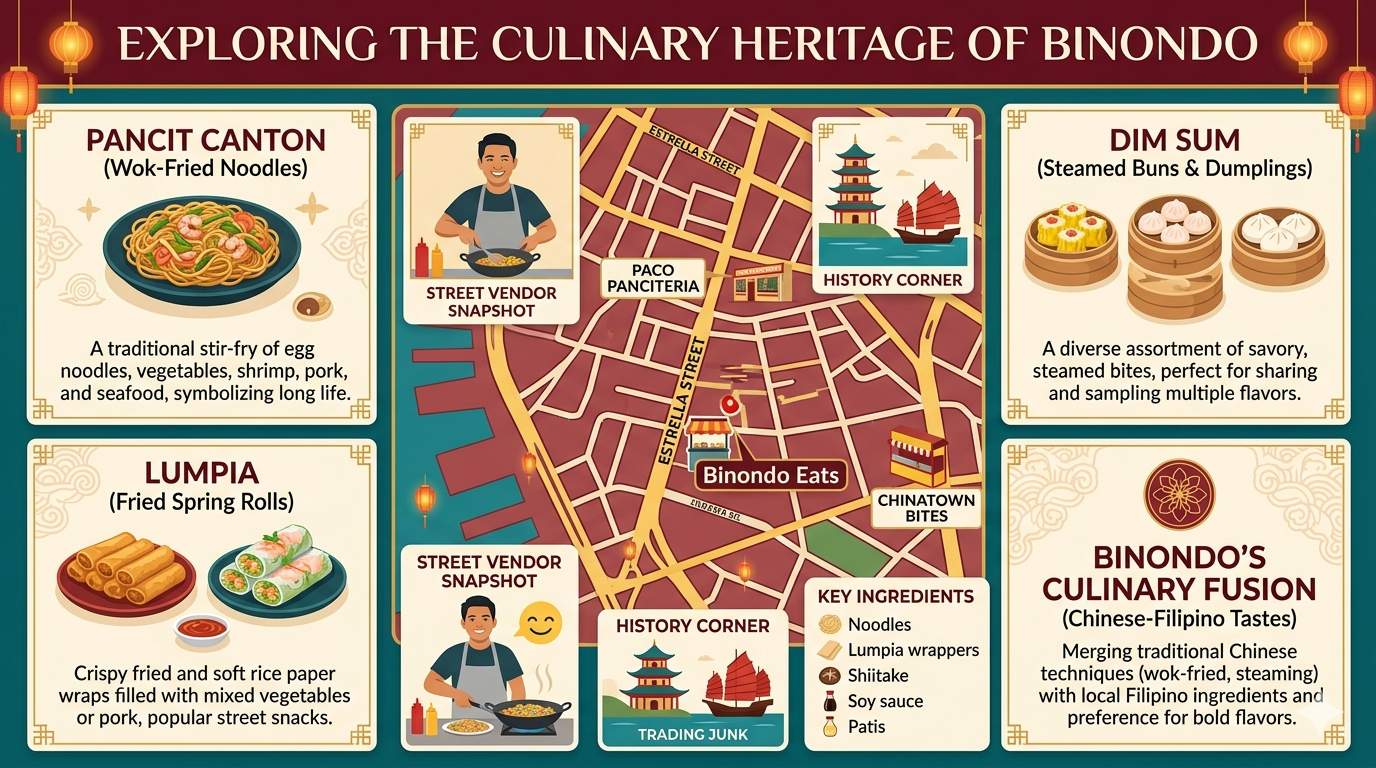
Visual breakdown of ingredients used in selected Chinese-Filipino dishes
Disclaimer
This article is for general informational and educational purposes only. It does not constitute professional medical, nutrition, or dietary advice. References to diets, foods, or supplements do not imply endorsement or guarantee of health outcomes. Readers are encouraged to consult licensed nutritionists, dietitians, or medical professionals for personalized guidance.