
by villarramil028 | Mar 29, 2026 | Filipino Cuisine, Food & Nutrition Education
Understanding Halo-Halo: A Nutritional Overview
A neutral look at the ingredients, nutrient balance, and consumption context
Halo-halo is a traditional Filipino dessert composed of mixed ingredients such as sweetened beans, fruits, jellies, and shaved ice, often topped with evaporated milk or ube (purple yam). This article provides an educational overview of halo-halo’s typical components, macronutrient and micronutrient contributions, and considerations for incorporating such treats in a balanced diet, aligned with Philippine food safety standards.
Ingredients and Nutritional Components
- Sweetened beans and legumes – sources of plant protein and dietary fiber.
- Fruits (jackfruit, banana, mango) – provide vitamins such as vitamin C, minerals, and natural sugars.
- Jellies and nata de coco – primarily carbohydrate-based, offering texture but minimal micronutrients.
- Shaved ice – contributes water content, low in calories.
- Evaporated milk or ube halaya – adds protein, calcium, and fat.
Macronutrient Considerations
Halo-halo combines carbohydrates, proteins, and fats, though sugar content can be high depending on sweeteners. Fiber comes from beans and fruits. Individuals monitoring sugar intake may consider portion control.
Consumption Context
Under Philippine food safety standards, halo-halo ingredients should be properly prepared and stored to avoid contamination. Awareness of added sugar, portion sizes, and ingredient quality can support informed dietary choices.
Context
In nutrition science studies, desserts like halo-halo are considered occasional treats rather than core dietary staples. Dietary planning typically involves balancing nutrient-dense foods with occasional energy-dense foods. Nutrient intake and effects vary among individuals. For personalized guidance, consultation with licensed nutritionists or dietitians is recommended.
FAQs
What is halo-halo?
Halo-halo is a Filipino dessert made by combining shaved ice with various sweetened ingredients, fruits, and milk or cream.
What nutrients are present in halo-halo?
It provides carbohydrates, some protein, dietary fiber, vitamins from fruits, and minerals from beans and milk.
Is halo-halo considered a healthy food?
As a mixed dessert, halo-halo can be part of a balanced diet if consumed occasionally, with attention to portion size and added sugars.
Trusted Sources
- Department of Health, Philippines – Food Safety and Nutrition Advisories
- Food and Drug Administration, Philippines – Guidelines on Safe Food Handling
- Academic journals on Philippine dietary patterns and traditional foods
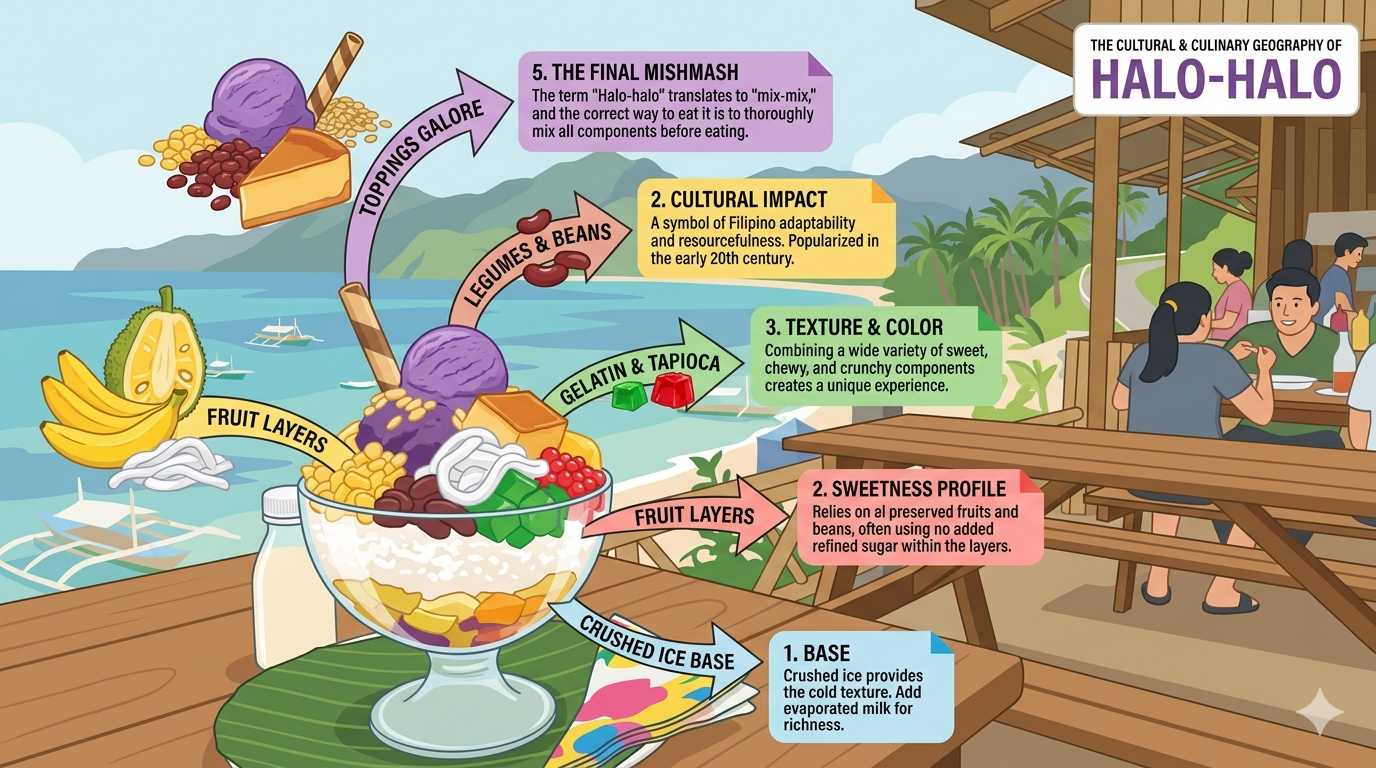
Infographic showing typical components and arrangement of halo-halo dessert ingredients.
Mandatory Disclaimer
This article is for general informational and educational purposes only. It does not constitute professional medical, nutrition, or dietary advice. References to foods or ingredients do not imply endorsement or guarantee of health outcomes. Readers are encouraged to consult licensed nutritionists, dietitians, or medical professionals for personalized guidance.
by villarramil028 | Mar 29, 2026 | Filipino Cuisine, Food & Nutrition Education
Taho: Nutritional Overview and Consumer Awareness
A neutral look at taho, its ingredients, and dietary considerations in the Philippines.
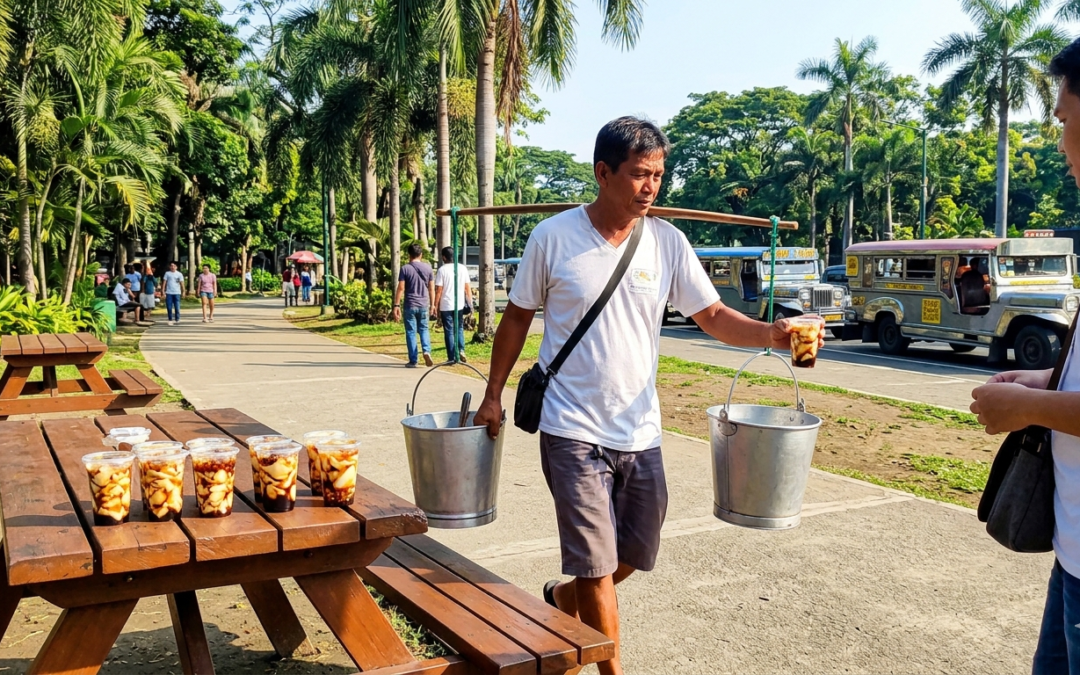
Taho is a popular snack in the Philippines, traditionally made from silken tofu, sweet syrup (arnibal), and sago pearls. This article provides an informational overview of its components, nutritional aspects, and considerations for consumers under DOH, FDA, and DTI guidelines.
Ingredients and Nutritional Components
- Silken tofu: Made from soybeans, it is a source of plant-based protein and contains small amounts of fat and carbohydrates. It also provides calcium, iron, and isoflavones, compounds studied for their potential roles in overall nutrition.
- Arnibal (sweet syrup): Typically made from brown sugar or muscovado sugar and water. It contributes simple carbohydrates, mainly sugars.
- Sago pearls: Starch-based, providing additional carbohydrates but limited in protein, vitamins, or minerals.
Hypothetical Portion Example
A small serving of taho (~150–200 g) may provide approximately:
- Protein: 4–6 g
- Carbohydrates: 25–35 g
- Fat: 2–3 g
- Fiber: <1 g
These values are approximate and can vary based on recipe and portion size.
Safe Consumption Considerations
- Taho can be enjoyed as part of a balanced diet, keeping in mind sugar content, especially for individuals monitoring blood glucose.
- Reading ingredients, including added sugars and preservatives, aligns with FDA labeling standards.
- Storing taho properly (kept cool if not consumed immediately) helps maintain food safety and minimize microbial growth.
Consumer Awareness
- Verify vendor hygiene practices and packaging compliance.
- Taho sold commercially should indicate ingredients clearly if pre-packaged.
- Consumers can treat taho as an occasional snack rather than a staple source of nutrition due to its sugar content.
Context
In nutrition science studies, soy-based products like silken tofu are noted for plant protein and micronutrient contributions. Dietary consumption of high-sugar products should be moderated. Under Philippine consumer protection and labeling standards, food vendors are required to provide accurate ingredient information and maintain safe handling practices. Individual dietary needs vary, and consulting licensed nutrition or medical professionals is recommended for personalized guidance.
FAQs
What is taho?
Taho is a traditional Filipino snack made from silken tofu, sweet syrup (arnibal), and sago pearls.
Is taho a source of protein?
Yes. The tofu component provides plant-based protein, though overall content per serving is moderate.
What should consumers check before buying taho?
Consumers can observe vendor hygiene, ingredient transparency, and portion size, especially considering sugar content.
Trusted Sources
- Department of Health (DOH) Philippines — Food Safety Guidelines
- Food and Drug Administration (FDA) Philippines — Food Labeling and Nutritional Information
- Philippine Nutrition Foundation publications
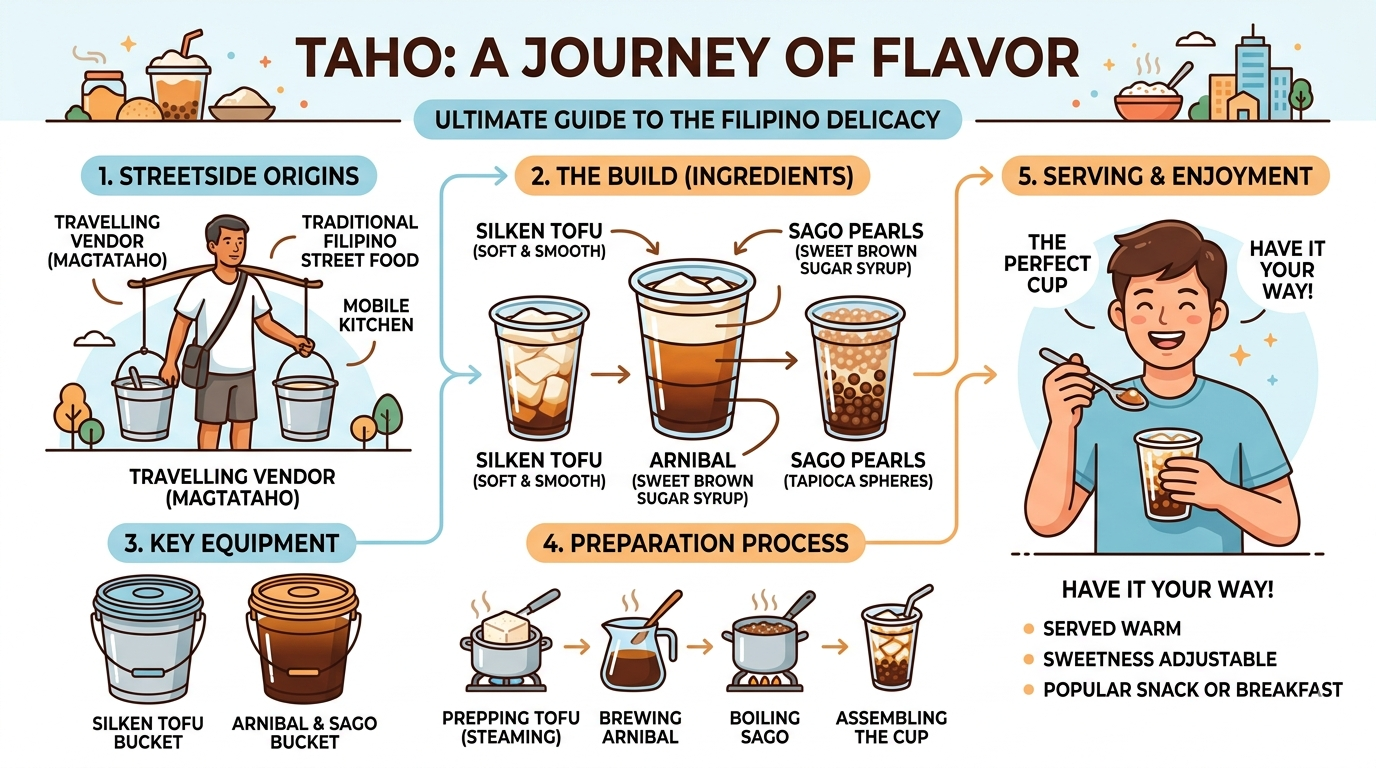
Infographic illustrating the main ingredients of taho.
Disclaimer
This article is for general informational and educational purposes only. It does not constitute professional medical, nutrition, or dietary advice. References to foods or ingredients do not imply endorsement or guarantee of health outcomes. Readers are encouraged to consult licensed nutritionists, dietitians, or medical professionals for personalized guidance.
by villarramil028 | Mar 29, 2026 | Filipino Cuisine, Food & Nutrition Education
Understanding Street Food Safety: Isaw and BBQ in the Philippines
A neutral overview of nutritional considerations, food handling, and consumer awareness for popular street foods like isaw and BBQ.
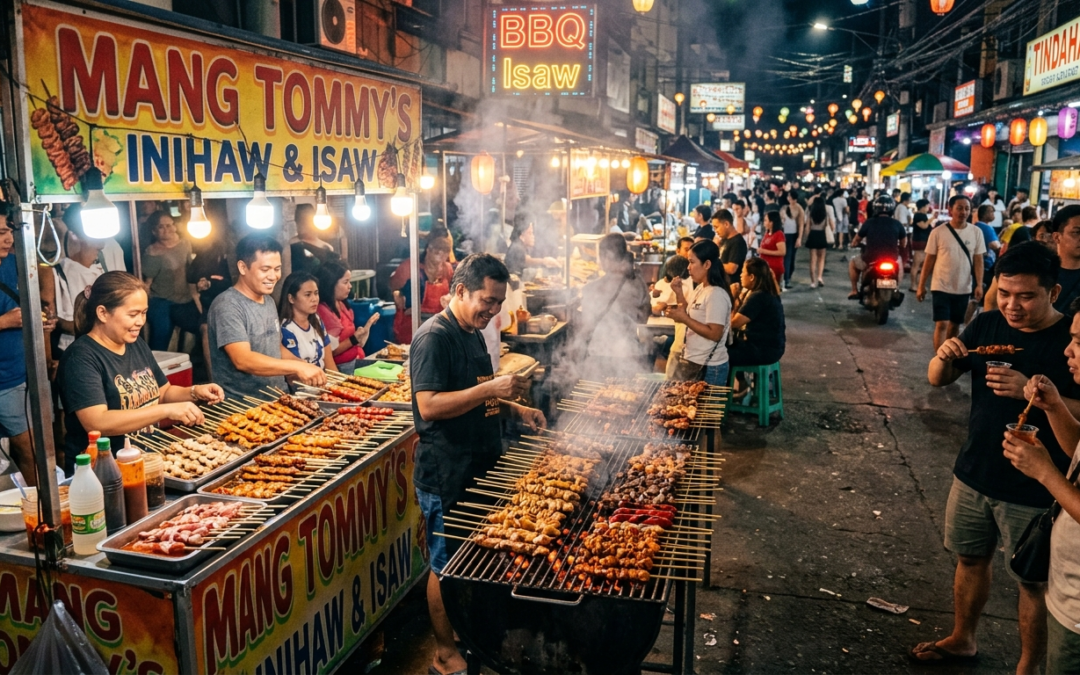
Street foods such as isaw (grilled chicken or pork intestines) and other barbecue skewers are popular in many Philippine communities. This article provides an educational overview of their nutritional content, food safety considerations, and consumer guidance. Readers will learn about safe consumption practices, handling, and how to assess street foods within regulatory standards, including the Department of Health (DOH) and Food and Drug Administration (FDA) guidelines.
Nutritional Overview
- Isaw and BBQ are primarily sources of protein and fat, depending on the type of meat and cooking method.
- Macronutrient content varies:
- Protein supports general body function and tissue repair.
- Fat provides energy, but high intake may contribute to excessive calorie consumption if not balanced with other foods.
- These foods are typically low in fiber and micronutrients unless paired with vegetables or side dishes.
Food Safety Considerations
- Proper cooking temperature: Meat should be thoroughly grilled to reduce the risk of bacterial contamination, such as Salmonella or E. coli.
- Clean preparation surfaces: Utensils, cutting boards, and skewers should be sanitized to avoid cross-contamination.
- Safe water use: Any sauces or marinades should use potable water to prevent foodborne illness.
- Vendor hygiene: Observing hand hygiene and clean equipment supports safer street food consumption.
Consumer Awareness
- Labeling and sourcing: For packaged or pre-marinated items, verify expiration dates and ingredient lists, as mandated by the FDA.
- Hypothetical portion considerations: Occasional consumption of street food can be part of a balanced diet when paired with fruits, vegetables, or whole grains in other meals.
- Avoiding foodborne risks: Consumers should avoid food left unrefrigerated for long periods or appearing undercooked.
Context
In nutrition science studies, grilled meats like isaw are recognized as protein sources but may contain higher fat and sodium depending on preparation. Under consumer protection and labeling standards, vendors are required to maintain food hygiene and follow DOH/FDA guidelines to ensure public safety. Dietary results vary individually, and licensed nutrition or medical professionals can provide guidance for personalized dietary decisions.
FAQs
What is isaw?
Isaw refers to cleaned and skewered chicken or pork intestines, typically grilled and served as street food in the Philippines.
Is BBQ considered healthy?
BBQ provides protein and energy, but nutrient composition varies. Balanced consumption alongside vegetables and grains is part of general nutrition guidance.
How can consumers assess street food safety?
Observing hygiene, proper cooking, clean utensils, and safe water use are key practices recommended under DOH and FDA standards.
Trusted Sources
- Department of Health Philippines – Food Safety Advisories
- FDA Philippines – Food Handling and Labeling Guidelines
- Peer-reviewed journals on protein-rich foods and street food safety
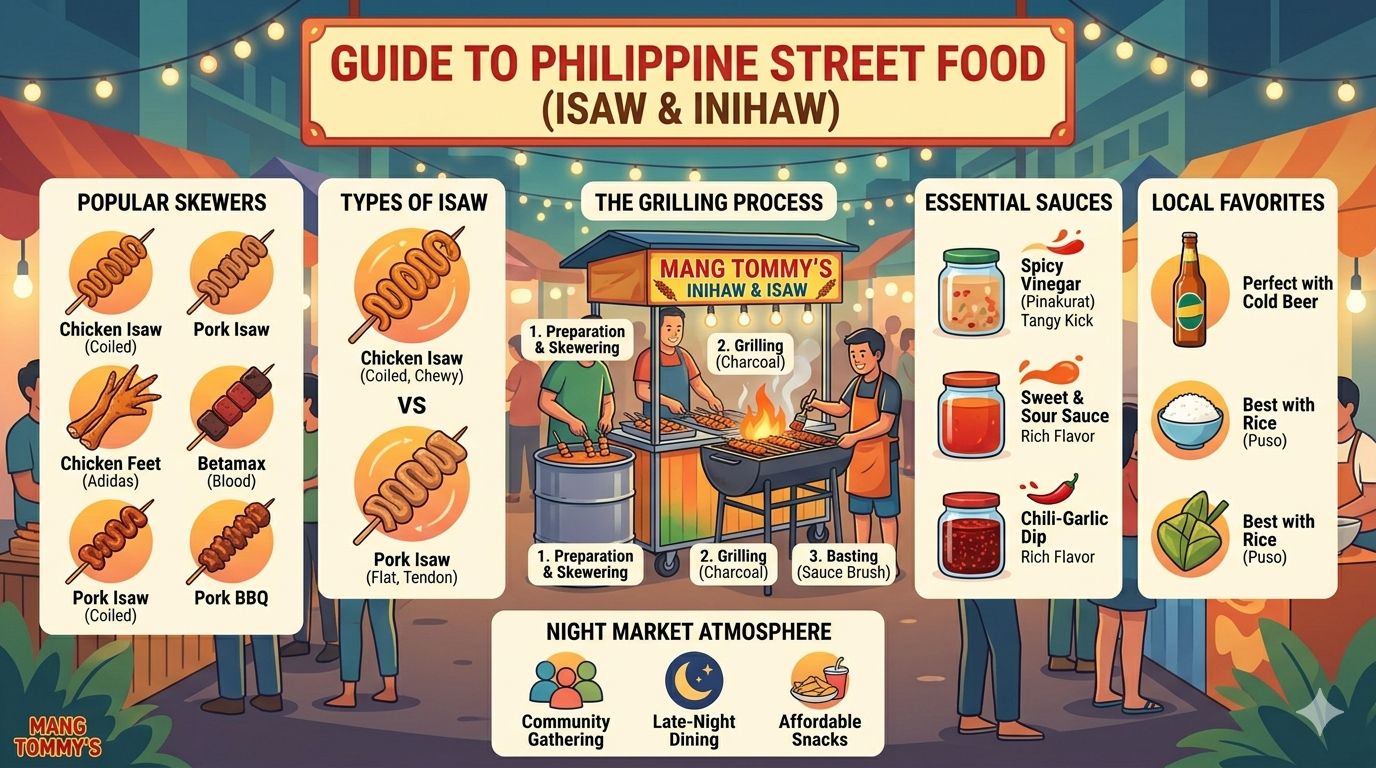
Descriptive infographic of typical preparation steps for Filipino street foods like isaw and BBQ.
Mandatory Disclaimer
This article is for general informational and educational purposes only. It does not constitute professional medical, nutrition, or dietary advice. References to foods or preparation methods do not imply endorsement or guarantee of health outcomes. Readers are encouraged to consult licensed nutritionists, dietitians, or medical professionals for personalized guidance.
by villarramil028 | Mar 29, 2026 | Filipino Cuisine, Food & Nutrition Education
Understanding Lugaw and Arroz Caldo: A Neutral Nutrition Overview
Exploring the nutritional composition, food preparation, and cultural context of rice porridge in the Philippines
Lugaw and arroz caldo are types of rice porridge commonly consumed in the Philippines. These dishes are traditionally made from rice cooked in water or broth until soft, often with additions such as chicken, garlic, ginger, or garnishes like spring onions and fried garlic. This article provides a neutral, educational overview of their nutritional content, typical ingredients, and considerations for balanced meal planning. References are made to general dietary guidelines promoted by the Department of Health (DOH) and the Food and Drug Administration (FDA Philippines).
Nutritional Principles of Lugaw and Arroz Caldo
Rice porridge primarily provides carbohydrates, the body’s main source of energy. Depending on preparation, it can also supply protein (from chicken or other protein sources), dietary fiber (from added vegetables), and micronutrients such as vitamin B-complex and minerals like iron and zinc.
Key considerations in evaluating nutritional value:
- Macronutrients: Rice porridge is high in carbohydrates, moderate in protein if meat or legumes are included, and low in fat unless added oils or toppings are used.
- Micronutrients: Ingredients like ginger and green onions contribute antioxidants and small amounts of vitamins. Chicken adds B-vitamins, phosphorus, and selenium.
- Hydration: As a dish with high water content, it can contribute to daily fluid intake.
Food Group and Portion Context
Under Philippine dietary guidelines, a balanced meal generally includes a combination of:
- Carbohydrate source: Rice (main ingredient)
- Protein source: Chicken, egg, or tofu (optional)
- Vegetables/herbs: Ginger, green onions, garlic (optional)
- Fats: Minimal, usually from cooking oil or toppings
Portion control can be applied in hypothetical meal planning. For example, a standard serving might include 1 cup of cooked rice porridge, 50–75 grams of chicken, and 1–2 tablespoons of vegetables. This provides a moderate energy intake without implying any specific health outcome.
Hypothetical Meal Planning Example
A neutral daily meal plan incorporating lugaw or arroz caldo:
| Meal |
Food |
Approx. Serving |
| Breakfast |
Lugaw with small chicken portion |
1 cup |
| Snack |
Fresh fruit (banana or papaya) |
1 medium piece |
| Lunch |
Grilled fish, mixed vegetables, ½ cup rice |
1 serving each |
| Snack |
Plain yogurt |
½ cup |
| Dinner |
Arroz caldo with lean chicken and spring onions |
1 cup |
Note: This example is for illustration only. Individual dietary needs vary.
Consumer Awareness and Safe Preparation
Under DOH and FDA Philippines guidelines:
- Ensure rice and chicken are cooked thoroughly to reduce foodborne illness risk.
- Avoid excessive salt to support heart health.
- Observe safe handling practices and hygiene when preparing porridge.
- Store leftovers in refrigeration and reheat to steaming temperature before consumption.
Context
In nutrition science studies, rice porridge is often recommended as a comfort food due to its digestibility and hydration properties. Under consumer protection and labeling standards, commercially prepared lugaw or arroz caldo should list ingredients, allergens, and expiration dates. Dietary outcomes vary individually, and this overview is for educational purposes only. Readers may consult licensed nutritionists for guidance on integrating porridge into personal meal plans.
FAQs
What is lugaw?
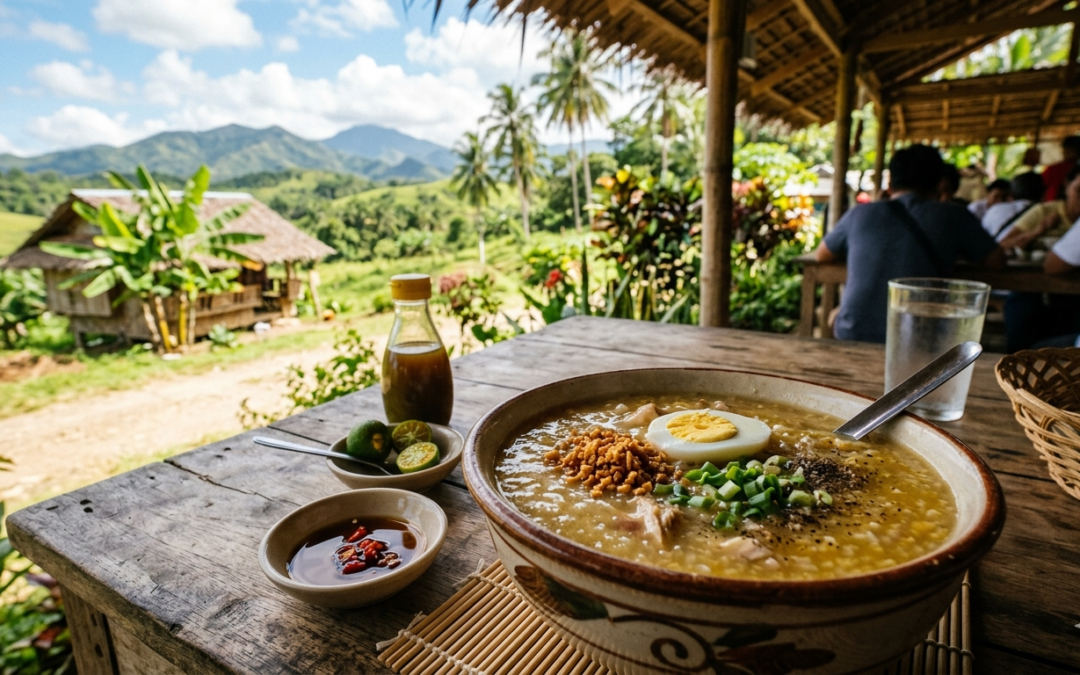
Lugaw is a Filipino rice porridge made by boiling rice in water until soft. It may include optional protein and garnishes.
What is arroz caldo?
Arroz caldo is a rice porridge similar to lugaw, often flavored with chicken, ginger, and garlic.
Can rice porridge be part of a balanced diet?
Rice porridge can contribute to carbohydrate and protein intake when paired with other food groups. Portion sizes and variety help maintain nutrient balance.
Trusted Sources
- Department of Health (DOH Philippines) Nutrition Advisory Materials
- Food and Drug Administration Philippines: Food Safety Guidelines
- Philippine Nutrition Foundation (PhilNutrition) educational resources
- Academic journals on macronutrients and dietary planning
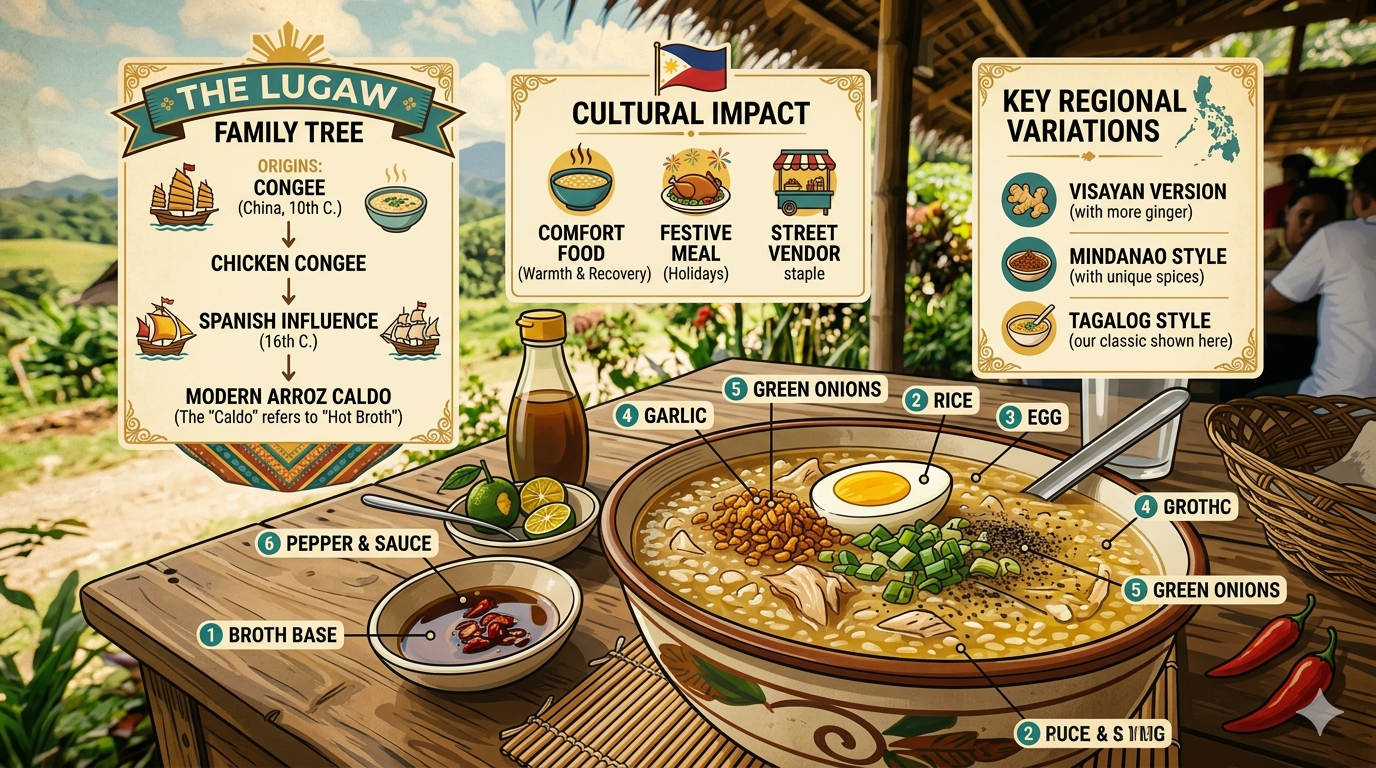
Illustration showing ingredients and cooking steps for lugaw and arroz caldo
Disclaimer
This article is for general informational and educational purposes only. It does not constitute professional medical, nutrition, or dietary advice. References to lugaw, arroz caldo, or other foods do not imply endorsement or guarantee of health outcomes. Readers are encouraged to consult licensed nutritionists, dietitians, or medical professionals for personalized guidance.
by villarramil028 | Mar 29, 2026 | Filipino Cuisine, Food & Nutrition Education
Understanding Pares: Nutritional and Culinary Overview
A neutral guide to the ingredients, nutrient content, and meal considerations of the Filipino dish Pares.
Pares is a traditional Filipino dish, typically consisting of braised beef, a sweet-savory sauce, and a side of garlic fried rice or noodles. This article provides an educational overview of its typical ingredients, macronutrient contributions, and ways it can be incorporated into a meal plan. Information aligns with Philippine food safety standards (DOH, FDA, DTI) and general nutrition principles.
Ingredients and Nutrient Overview
A standard Pares meal usually includes:
- Beef – Provides protein and micronutrients such as iron and zinc. The fat content varies depending on the cut used.
- Soy sauce and garlic – Primarily used for flavor; soy sauce contributes sodium.
- Sugar or sweeteners – Adds simple carbohydrates; sugar content can be moderated to reduce excess calorie intake.
- Rice or noodles – Main source of complex carbohydrates and energy.
Macronutrient Breakdown (Approximate, per serving)
| Component |
Typical Amount |
Notes |
| Protein (g) |
20–25 |
From beef; varies by cut |
| Carbohydrates (g) |
45–60 |
From rice/noodles and sugar |
| Fat (g) |
10–20 |
From beef and cooking oil |
| Sodium (mg) |
600–900 |
Mainly from soy sauce; can be adjusted |
Meal Planning Considerations
- Portion control: A standard serving of Pares can be adjusted to fit within balanced meal guidelines.
- Vegetable inclusion: Adding steamed or sautéed vegetables can increase fiber, vitamins, and minerals.
- Frequency: Pares can be part of a varied diet, but moderation of sodium and added sugar is recommended for general nutrition safety.
Context
In nutrition science studies, mixed meals like Pares contribute to daily energy and macronutrient intake. Under Philippine food safety regulations, beef should be sourced from licensed suppliers and cooked to safe temperatures to reduce risk of foodborne illness. Dietary results, including nutrient adequacy, vary individually based on overall eating patterns, activity level, and health status.
FAQs
What is Pares?
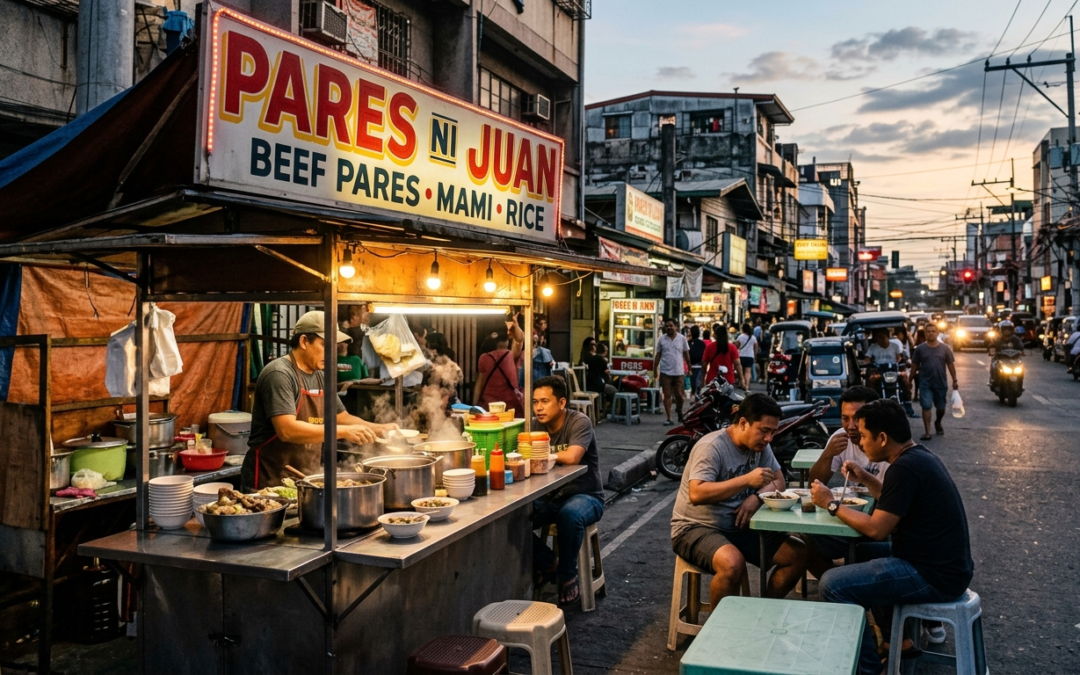
Pares is a Filipino dish consisting of braised beef in a sweet-savory sauce, typically served with rice or noodles.
What nutrients does Pares provide?
Pares contains protein from beef, carbohydrates from rice or noodles, and micronutrients such as iron and zinc. Sodium and fat content depend on preparation methods.
Can Pares be part of a balanced diet?
Paired with vegetables and controlled portions of rice or noodles, Pares can contribute to overall nutrient intake. Individual needs vary.
Trusted Sources
- Department of Health Philippines, “Nutrition Facts and Guidelines”
- Food and Drug Administration Philippines, “Food Safety Advisory”
- Academy of Nutrition and Dietetics, peer-reviewed nutrition journals
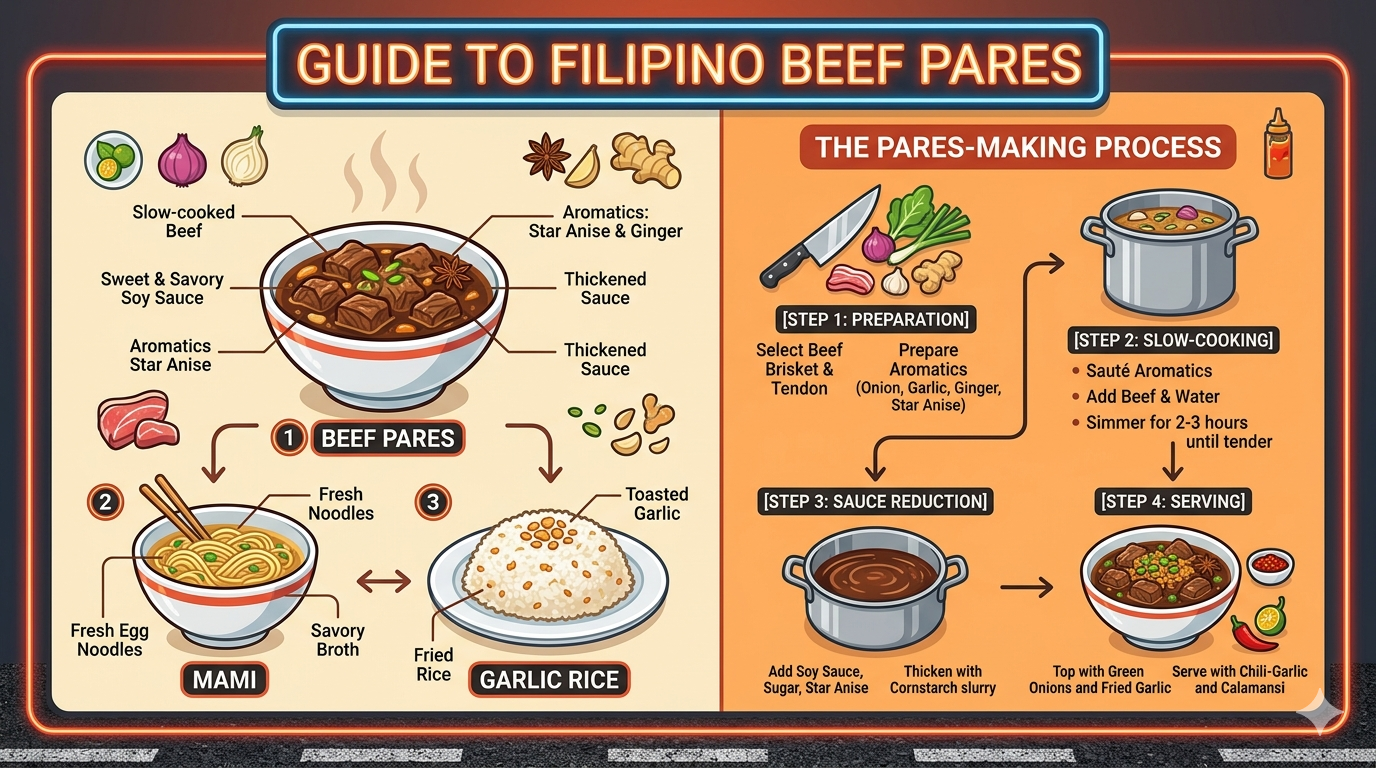
Descriptive infographic showing components and cooking steps of Pares.
Mandatory Disclaimer
This article is for general informational and educational purposes only. It does not constitute professional medical, nutrition, or dietary advice. References to foods or dishes do not imply endorsement or guarantee of health outcomes. Readers are encouraged to consult licensed nutritionists, dietitians, or medical professionals for personalized guidance.

by villarramil028 | Mar 29, 2026 | Filipino Cuisine, Food & Nutrition Education
Laing (Naga Style): Nutritional Overview and Culinary Insights
An educational guide to the traditional Bicolano dish, its ingredients, and nutrient considerations.
Laing, a traditional dish from the Bicol region, particularly Naga City, is prepared using dried taro leaves, coconut milk, and spices. This article provides an overview of its common ingredients, nutrient composition, and safe preparation practices under Philippine food safety standards. Readers will learn about its macronutrients, micronutrients, and considerations for inclusion in balanced meal planning.
Nutritional Components of Laing
Laing is typically prepared with the following main ingredients:
- Dried taro leaves – contain dietary fiber, vitamins A and C, and minerals such as calcium and iron.
- Coconut milk – a source of dietary fat, particularly medium-chain triglycerides (MCTs).
- Chili peppers – contribute vitamin C and antioxidants.
- Shrimp or dried fish (optional) – provide protein, B vitamins, and trace minerals.
- Spices (garlic, ginger, onion) – contribute flavor and bioactive compounds without significant caloric contribution.
Macronutrient Perspective (per typical serving, illustrative):
- Carbohydrates: ~5–8 g
- Protein: ~3–6 g (depending on added seafood or meat)
- Fat: ~10–15 g (from coconut milk)
- Fiber: ~2–4 g
Micronutrients of Interest:
- Vitamin A (from taro leaves)
- Vitamin C (from chili and taro leaves)
- Iron and calcium (from leaves and seafood)
Safe Preparation Practices
- Cooking – Taro leaves must be thoroughly cooked to reduce naturally occurring calcium oxalate, which may cause irritation if consumed raw.
- Storage – Prepared Laing should be refrigerated and consumed within 1–2 days to minimize microbial growth.
- Ingredient Awareness – Consumers should verify the source of dried taro leaves and seafood to ensure freshness and compliance with DOH/FDA standards.
Hypothetical Meal Example
A balanced meal including Laing could hypothetically include:
- 1 small bowl of Laing (100 g)
- ½ cup steamed brown rice
- 1 serving grilled fish or tofu
- Fresh vegetable salad (tomatoes, cucumbers)
This example illustrates nutrient variety and portion distribution. Individual nutritional needs vary depending on age, activity level, and health conditions.
Context
In nutrition science studies, leafy vegetables like taro are recognized for their fiber, vitamins, and minerals. Coconut milk is energy-dense due to fats, contributing to satiety but also caloric content. Under Philippine consumer protection and labeling standards, it is important to note ingredient sourcing, freshness, and safe cooking methods. Dietary results vary individually, and consultation with licensed nutrition professionals is recommended for personalized guidance.
FAQs
What is Laing?
Laing is a traditional Bicolano dish made from dried taro leaves cooked in coconut milk with spices. Variations may include shrimp, dried fish, or pork.
What nutrients are in Laing?
Laing contains dietary fiber, fat from coconut milk, protein (if seafood or meat is included), and micronutrients such as vitamin A, vitamin C, calcium, and iron.
Are there safety considerations when eating Laing?
Yes, taro leaves should always be fully cooked to reduce calcium oxalate content. Proper storage and handling of seafood or meat ingredients are recommended under DOH/FDA guidelines.
Trusted Sources
- Department of Health (DOH) Philippines: Nutrition and Food Safety Advisories
- Food and Drug Administration (FDA) Philippines: Food Labeling and Preparation Standards
- Philippine Food Composition Tables (Philippine Council for Agriculture, Forestry and Natural Resources Research and Development)
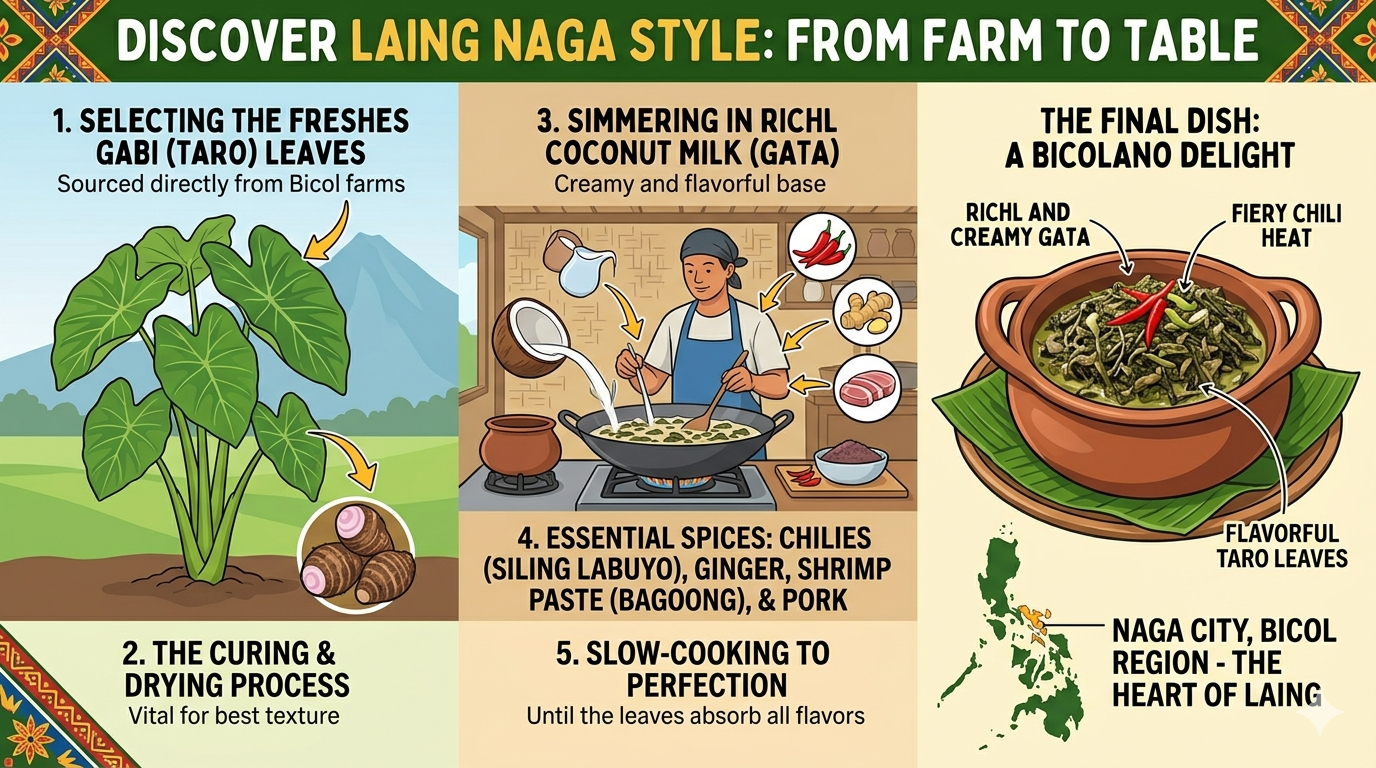
Illustration of Laing Naga style ingredients and preparation components.
Disclaimer
This article is for general informational and educational purposes only. It does not constitute professional medical, nutrition, or dietary advice. References to foods or ingredients do not imply endorsement or guarantee of health outcomes. Readers are encouraged to consult licensed nutritionists, dietitians, or medical professionals for personalized guidance.

