Understanding Pancit Molo: A Nutritional and Culinary Overview
A neutral guide to the ingredients, nutrient considerations, and safe consumption of Pancit Molo in the Philippines.
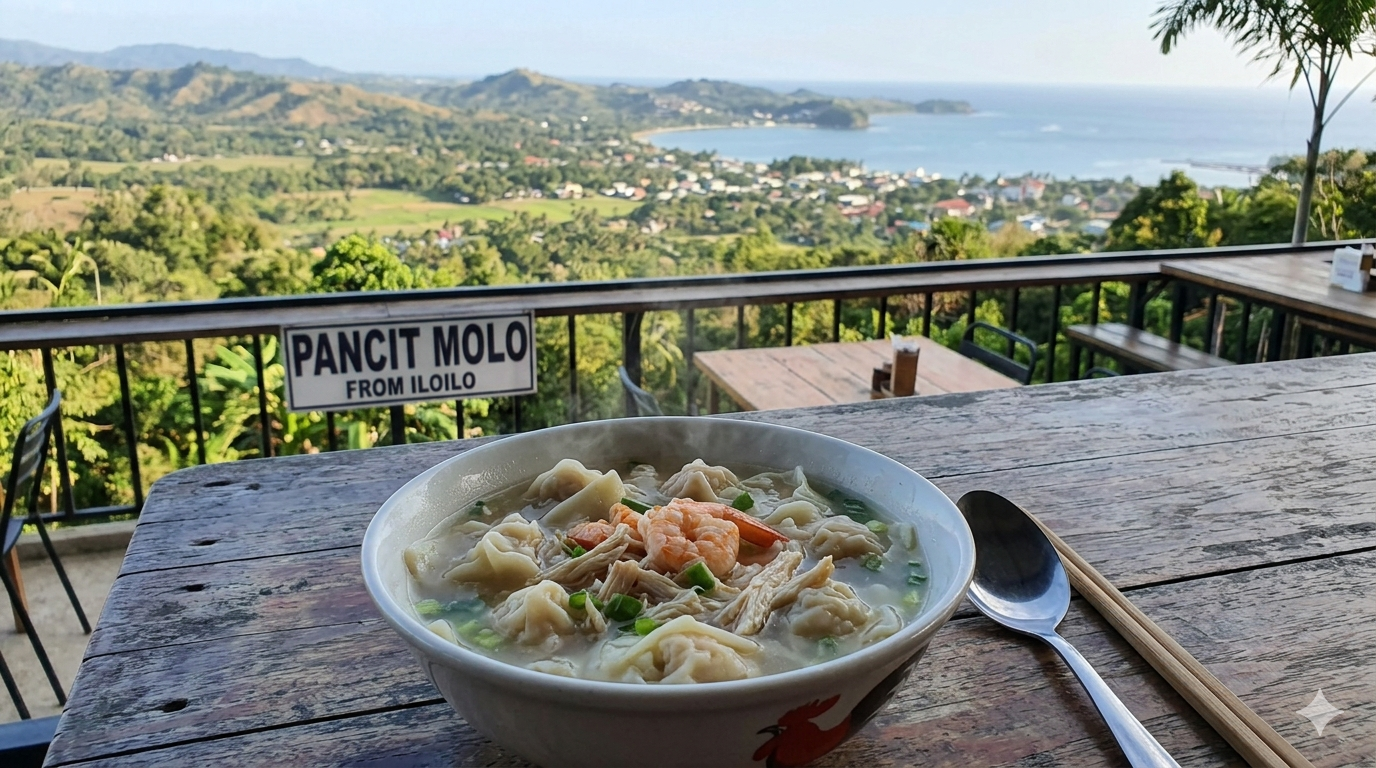
Pancit Molo is a traditional Filipino dish originating from the Visayan region, often described as a type of dumpling soup. This article provides an informational overview of Pancit Molo’s typical ingredients, macronutrient components, and food safety considerations. The discussion references nutrition and food safety principles aligned with Philippine Department of Health (DOH) and Food and Drug Administration (FDA Philippines) guidelines.
Ingredients and Nutritional Composition
Pancit Molo typically consists of:
- Wrapper: Thin dough made from flour and water.
- Filling: Ground pork, chicken, or seafood mixed with seasonings.
- Broth: Usually chicken-based, sometimes with added vegetables like carrots, onions, or cabbage.
From a nutritional standpoint:
- Macronutrients: The dish provides protein from meat, carbohydrates from wrappers, and a small amount of fat depending on the meat and broth preparation.
- Micronutrients: Vitamins such as vitamin A (from carrots) and vitamin C (from cabbage) may be present. Minerals such as iron and zinc can come from the meat filling.
- Fiber: Typically low unless vegetables are increased.
Hypothetical Nutrient Considerations
A neutral illustration of a single serving (approximately 1 cup of soup with 4–5 dumplings) could contain:
- Calories: ~250–300 kcal
- Protein: ~12–15 g
- Carbohydrates: ~25–30 g
- Fat: ~8–10 g
These values vary based on portion size, ingredients, and cooking methods.
Food Safety and Consumer Considerations
- Proper Cooking: Meat and seafood should reach safe internal temperatures to reduce the risk of foodborne illness.
- Hygienic Preparation: Wrappers and fillings should be handled with clean utensils and surfaces.
- Ingredient Selection: Using fresh vegetables and verified meat sources aligns with Philippine food safety standards.
Context
In nutrition science, dishes like Pancit Molo can contribute to daily protein and carbohydrate intake when consumed as part of a varied diet. Under Philippine consumer protection and labeling standards, homemade or commercially prepared dumpling soups should comply with safe food handling, accurate labeling, and hygienic preparation practices. Dietary results vary individually, and consumers should consider portion size and ingredient balance for overall nutrition.
FAQs
What is Pancit Molo?
Pancit Molo is a Filipino dumpling soup featuring meat-filled wrappers in a broth, commonly served in the Visayas region.
What macronutrients are in Pancit Molo?
It contains protein from the meat, carbohydrates from the wrapper, and fat from the meat and broth.
Are there safety considerations for consuming Pancit Molo?
Yes. Proper cooking, hygienic handling, and fresh ingredients are important to reduce foodborne risks.
Trusted Sources
- Department of Health (DOH) Philippines: Food Safety Guidelines
- FDA Philippines: Nutrition and Food Safety References
- Academic sources on Philippine culinary nutrition and macronutrient composition
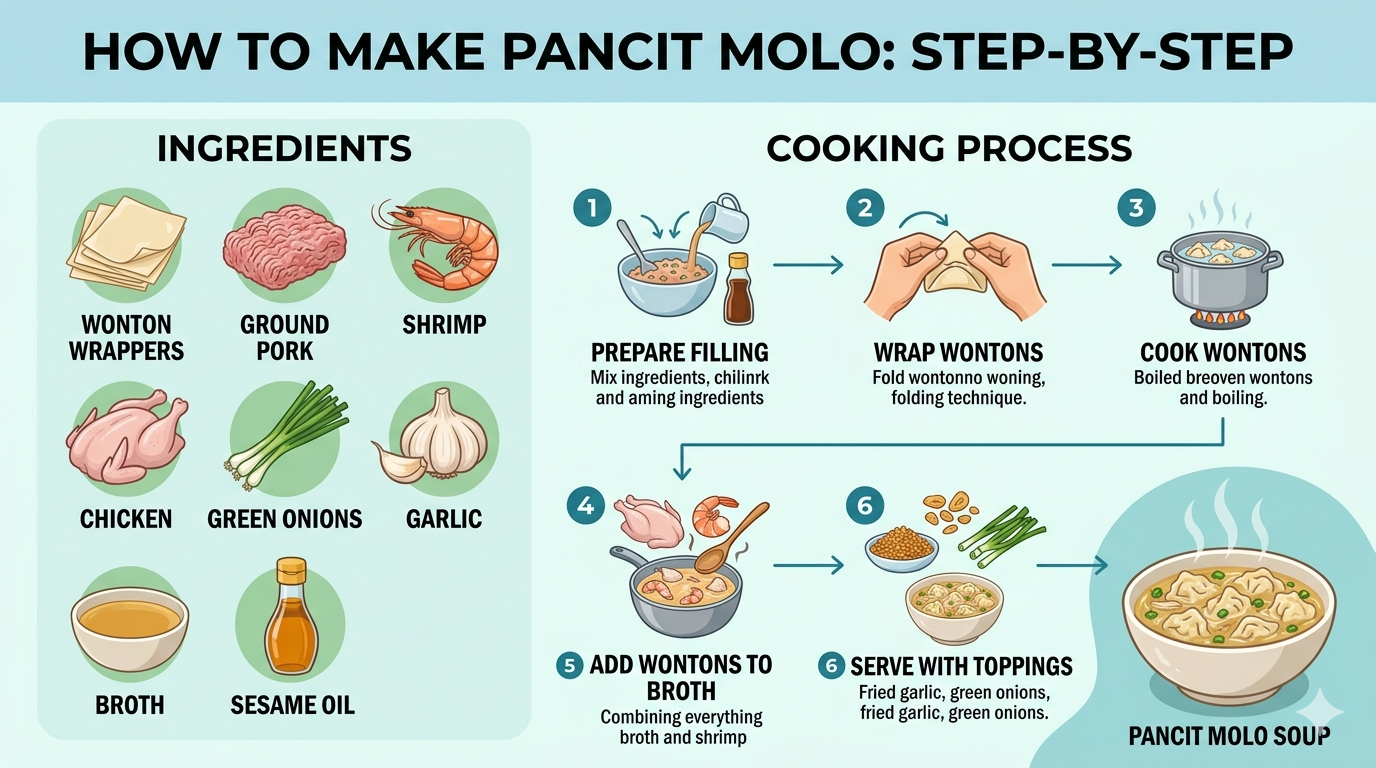
Diagram showing main Pancit Molo ingredients: wrappers, filling, and broth.
Disclaimer:
This article is for general informational and educational purposes only. It does not constitute professional medical, nutrition, or dietary advice. References to foods or dishes do not imply endorsement or guarantee of health outcomes. Readers are encouraged to consult licensed nutritionists, dietitians, or medical professionals for personalized guidance.