by villarramil028 | Apr 3, 2026 | Filipino Cuisine, Food & Nutrition Education
Binagol: A Neutral Overview of a Traditional Filipino Dessert
An educational look at Binagol, its ingredients, and nutritional considerations in the Philippine context.
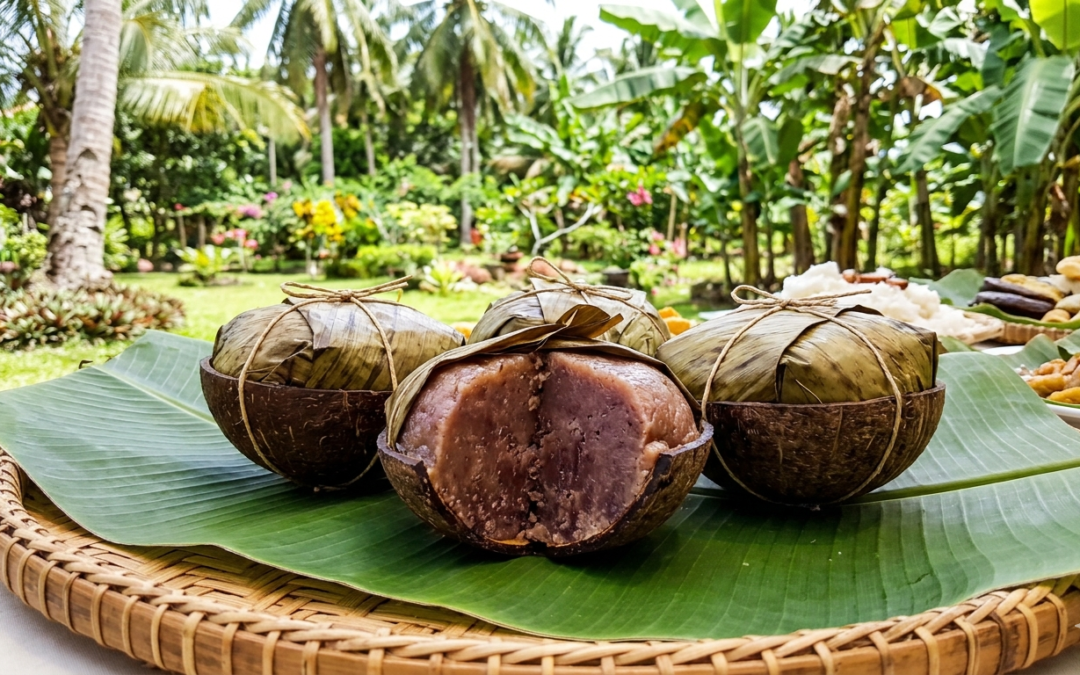
Binagol is a traditional Filipino dessert commonly found in the Eastern Visayas region. Prepared using taro (locally known as gabi), coconut milk, sugar, and sometimes egg yolks, it is steamed in a coconut shell or wrapped in a banana leaf. This article provides an informational overview of Binagol’s typical ingredients, macronutrient composition, and safe consumption considerations under Philippine food safety and labeling standards.
Ingredients and Nutritional Components
Binagol primarily consists of:
- Taro (Gabi): A starchy root vegetable, providing carbohydrates and dietary fiber.
- Coconut milk: Contains medium-chain triglycerides (MCTs), small amounts of protein, and saturated fats.
- Sugar: A source of simple carbohydrates that contributes to energy intake.
- Egg yolk (optional): Adds protein, fat, and micronutrients such as vitamin A and choline.
The dessert is typically steamed, which is a cooking method that does not require added oil and helps preserve the natural nutrients of the ingredients. Portion sizes and frequency of consumption may influence total calorie and macronutrient intake.
Food Safety Considerations
Under FDA Philippines guidelines, ingredients must be sourced and handled safely to prevent contamination. Coconut milk should be fresh or properly packaged, taro should be thoroughly washed and cooked to eliminate naturally occurring compounds that may cause irritation if raw, and sugar and egg components should follow proper storage practices.
Hypothetical Nutrient Overview (per 100 g serving, illustrative only)
- Carbohydrates: 20–30 g
- Protein: 1–3 g
- Fat: 5–8 g
- Fiber: 1–2 g
- Vitamins/Minerals: small amounts of vitamin C, potassium, and magnesium
These values are approximate and vary depending on preparation method and ingredient proportions.
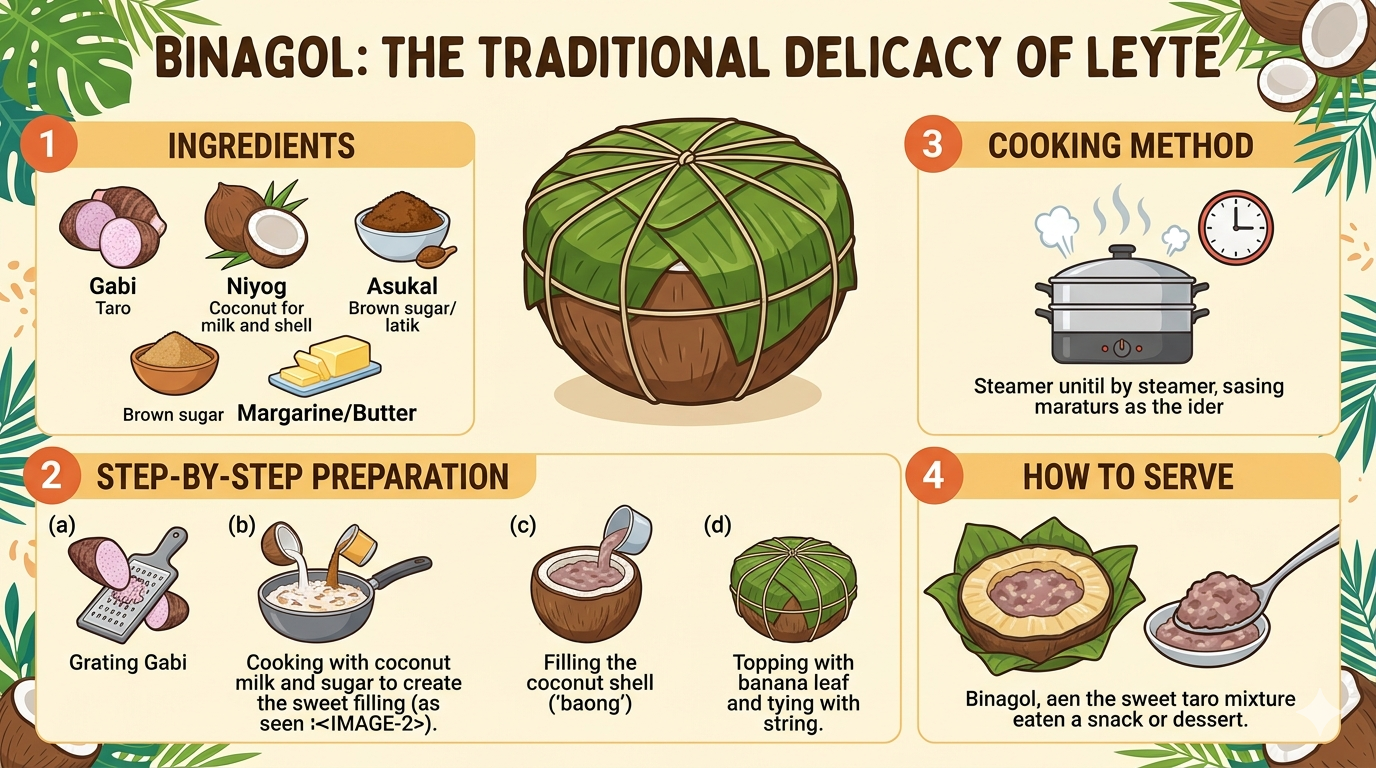
Infographic showing typical ingredients and traditional preparation method of Binagol.
Context
In nutrition science studies, starchy root-based desserts like Binagol contribute primarily to energy intake and may offer small amounts of fiber and micronutrients. Under Philippine consumer protection and food labeling standards, foods containing sugar and saturated fats should be clearly indicated to allow informed choices. Dietary results vary individually, and consumption should align with overall nutritional goals and energy needs.
FAQs
What is Binagol?
Binagol is a traditional Filipino dessert made from taro, coconut milk, sugar, and sometimes egg yolk, typically steamed in a coconut shell or banana leaf wrapper.
What nutrients are present in Binagol?
Binagol provides carbohydrates from taro and sugar, fat from coconut milk and egg yolk, small amounts of protein, and some dietary fiber and micronutrients.
Are there safety considerations when preparing Binagol?
Yes. Proper washing, cooking, and storage of ingredients are recommended to comply with food safety guidelines under the FDA Philippines.
Trusted Sources
- Department of Health (DOH) Philippines – Nutrition and food safety advisories
- FDA Philippines – Food labeling and preparation guidelines
- Philippine Food Composition Tables – Nutrient data for taro and coconut-based foods
Disclaimer
This article is for general informational and educational purposes only. It does not constitute professional medical, nutrition, or dietary advice. References to foods or recipes do not imply endorsement or guarantee of health outcomes. Readers are encouraged to consult licensed nutritionists, dietitians, or medical professionals for personalized guidance.
by villarramil028 | Apr 3, 2026 | Filipino Cuisine, Food & Nutrition Education
A Neutral Nutritional Perspective
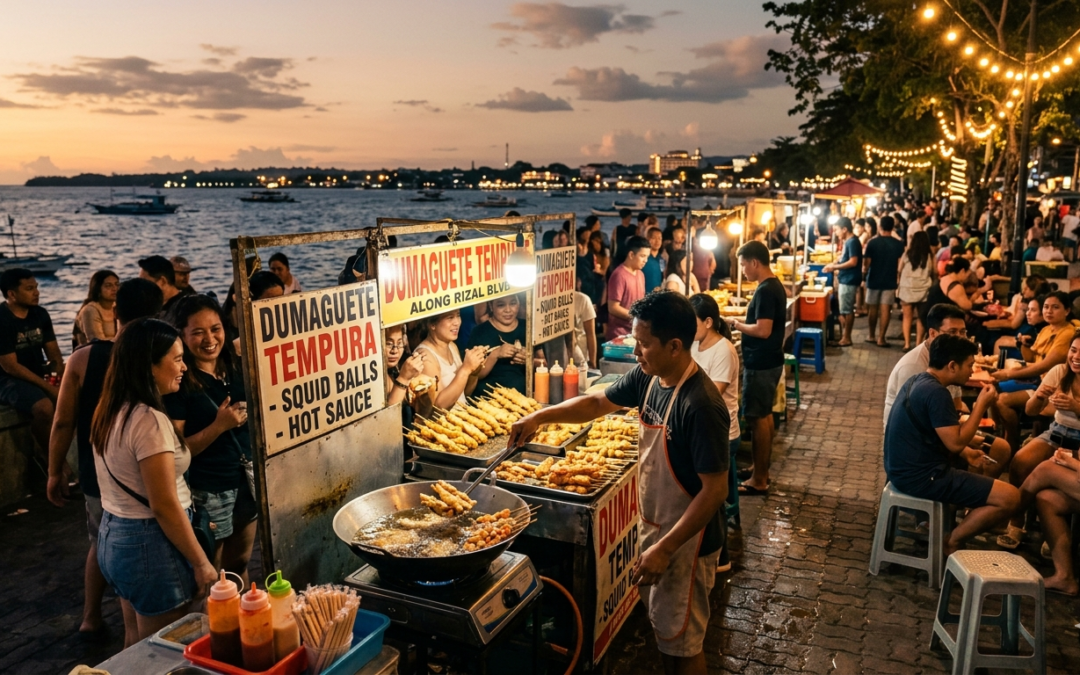
This brief educational article discusses tempura prepared as a street food option in places like Dumaguete, Philippines. It focuses on nutritional principles, common ingredients, and consumer‑awareness points without making health or weight claims. It is based on general food science and Philippine food safety contexts, including food handling and nutrition considerations.
What Is Tempura?
Tempura refers to bite‑sized pieces of seafood or vegetables coated in a light batter and deep‑fried. It is a style of cooking that originated in Japan and has been adapted in various informal and street food settings, including in many Philippine cities and municipalities where local vendors may sell battered fish, squid, vegetables, or other ingredients.
Nutritional Overview
Tempura’s nutritional characteristics are influenced by its ingredients and cooking method:
- Main Ingredients:
- Protein sources such as fish or squid
- Vegetables such as squash, sweet potato, or green beans
- Wheat‑based batter
- Oil for deep‑frying
- Caloric Contribution:
- Deep‑frying typically increases the energy density of foods because some oil is absorbed during cooking.
- Foods higher in fat provide more calories per gram compared with proteins or carbohydrates.
- Macronutrient Distribution (General):
- Carbohydrates: from the batter
- Proteins: from seafood or legumes/vegetables
- Fats: from cooking oil and any residual oil in the finished tempura
- Micronutrients:
- Vary with the choice of seafood and vegetables (e.g., vitamin A from squash; B‑vitamins and minerals from seafood).
Street Food & Food Safety Considerations (Philippines Context)
In informal and street food environments like markets or food stalls in Dumaguete City and elsewhere:
- Food Handling and Temperature:
Safe handling reduces risk of foodborne illness. Cooked foods should be kept at appropriate temperatures and protected from contamination. Under the Food Safety Act of the Philippines, vendors are encouraged to follow safe preparation standards.
- Oil Quality and Freshness:
Reused or overheated oil may degrade and contribute to off‑flavors and potentially undesirable compounds over time.
- Serving Size Awareness:
Portion sizes in street food settings vary. Understanding typical serving portions can help with general awareness of energy and nutrient intake.
- Hydration and Balanced Intake:
Pairing occasional fried foods with vegetables or fruit and water supports overall meal balance.
Consumer Awareness
When choosing street foods such as tempura:
- Look for vendors who follow clean food handling practices (use of gloves or utensils, covered foods, clean surfaces).
- Be aware that deep‑fried foods are higher in fat and energy than foods prepared by boiling, steaming, or grilling.
- Recognize that nutrient composition will vary widely based on ingredient choice and preparation method.
This section is for general informational awareness only and is not dietary guidance for specific health outcomes.
FAQs
What is deep‑fried food?
Deep‑fried food is cooked by immersion in hot oil, which changes food texture and increases its fat content due to oil absorption.
Does tempura contain nutrients?
Yes. Ingredients like seafood and vegetables contribute proteins, vitamins, and minerals, while the batter contributes carbohydrates.
Is street‑prepared food regulated?
In the Philippines, local government units (LGUs) implement food safety and handling standards under national laws like the Food Safety Act to protect consumers.
Trusted Sources & Educational Context
- Philippines Food Safety Act / FDA Philippines Guidelines — general food safety principles
- Department of Health (DOH Philippines) — consumer health advisories
- Nutrition science reference texts — macronutrient and deep‑fat cooking information
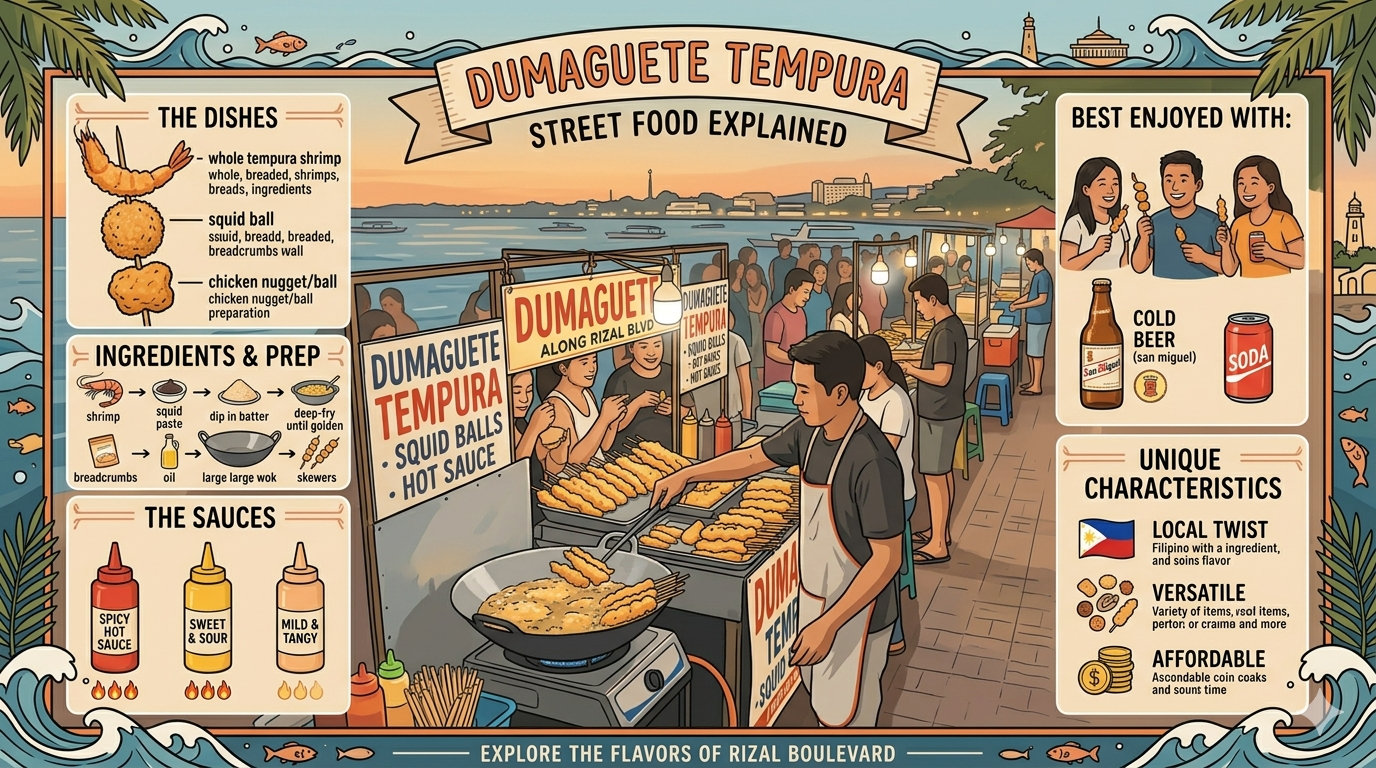
Infographic highlighting typical tempura components and display elements in a street food context
Disclaimer
This article is for general informational and educational purposes only. It does not constitute professional medical, nutrition, or dietary advice. References to foods or preparation methods do not imply endorsement or guaranteed health outcomes. For personalized dietary guidance, consult a licensed nutritionist, dietitian, or healthcare professional.
by villarramil028 | Apr 3, 2026 | Filipino Cuisine, Food & Nutrition Education
Understanding Bodbod (Sticky Rice): Nutritional Overview and Cultural Context
A neutral overview of sticky rice, its nutritional composition, and considerations for meal planning.
This article provides an educational look at bodbod, a traditional Filipino sticky rice preparation often enjoyed as a snack or dessert. Under Philippine food safety and labeling standards, understanding the nutritional composition of sticky rice and its preparation methods is important for informed dietary choices. Readers will learn about its macronutrient profile, safe consumption considerations, and neutral meal planning examples.
What is Bodbod?
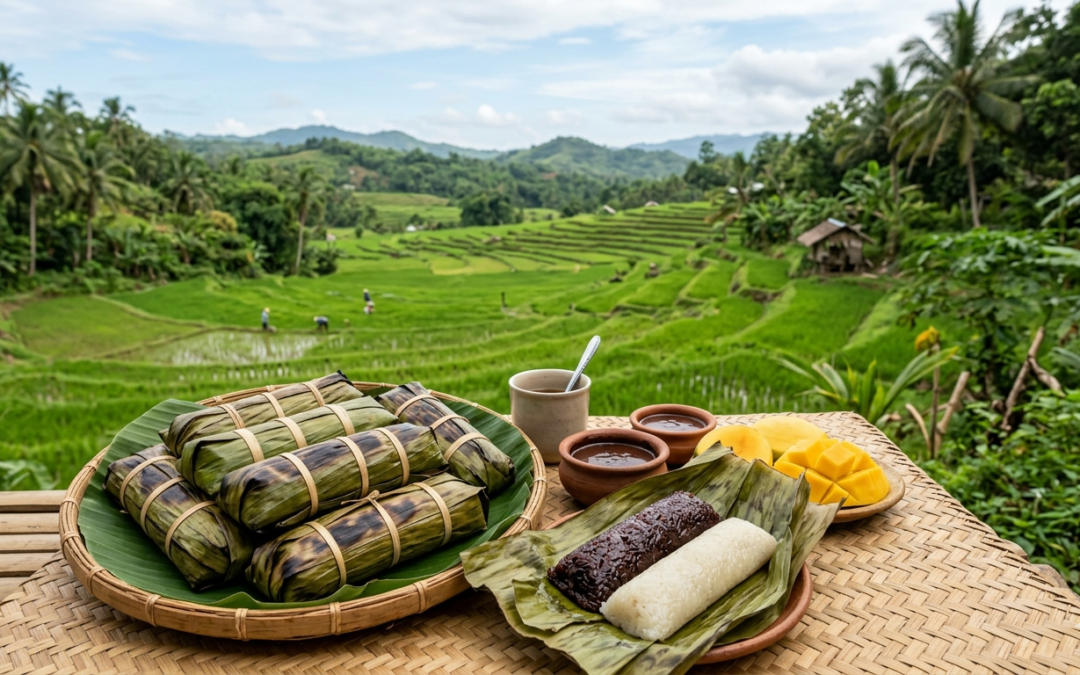
Bodbod is a traditional Filipino dish made from glutinous rice (sticky rice) usually steamed and sometimes wrapped in banana leaves. It can be prepared plain or with flavorings such as coconut milk or sugar. Variations may exist regionally across the Philippines.
Nutritional Composition (Informational Only)
Sticky rice primarily provides carbohydrates, which serve as a source of energy. Depending on preparation, it may also contain:
- Carbohydrates: The main macronutrient in glutinous rice; contributes to energy intake.
- Protein: Small amounts from rice, slightly higher if mixed with coconut or other ingredients.
- Fat: Typically low, unless coconut milk or oil is added.
- Micronutrients: B vitamins and trace minerals are present in small amounts; fortification or added ingredients may affect content.
- Fiber: Low in plain sticky rice; higher if whole grain versions or additional ingredients are used.
Hypothetical Meal Context
For neutral meal planning, bodbod can be part of a balanced meal. For example:
- Breakfast: Bodbod portion (50–100 g cooked) with a side of fruit and low-fat milk.
- Snack: Small piece of bodbod with herbal tea or water.
Consumer Considerations
- Portion control: Sticky rice is energy-dense; awareness of serving size can help manage overall carbohydrate intake.
- Preparation safety: Ensure rice is fully cooked and stored properly to prevent bacterial growth.
- Ingredient awareness: Check added sugars, coconut milk, or other flavorings for their nutritional contribution.
- Labeling & sourcing: If purchasing packaged bodbod, verify FDA registration and ingredient disclosure under Philippine regulations.
Context
In nutrition science studies, glutinous rice is classified as a carbohydrate-rich food that is generally low in fat and protein. Under consumer protection and labeling standards in the Philippines, food items like bodbod should clearly indicate ingredients and allergens. Diet planning typically involves balancing macronutrients and portion sizes, and individual nutritional needs vary. Licensed nutritionists or dietitians can provide personalized guidance.
FAQs
What is sticky rice (bodbod)?
Sticky rice, or glutinous rice, is a variety of rice with a high starch content that makes it sticky when cooked. Bodbod is a Filipino preparation of this rice.
What nutrients are in bodbod?
Bodbod mainly contains carbohydrates, with small amounts of protein and fat. Micronutrient content varies depending on preparation and added ingredients.
Can bodbod be included in meal planning?
It can be part of a neutral dietary plan when portion sizes are considered, alongside fruits, vegetables, and protein sources.
Trusted Sources
- Department of Health Philippines (DOH) — Nutrition and Food Safety Advisories
- Food and Drug Administration Philippines (FDA) — Labeling and Ingredient Guidelines
- Philippine Nutrition Foundation (PhilNutrition) — Academic nutrition resources
- Peer-reviewed journals on carbohydrate-rich foods and dietary planning
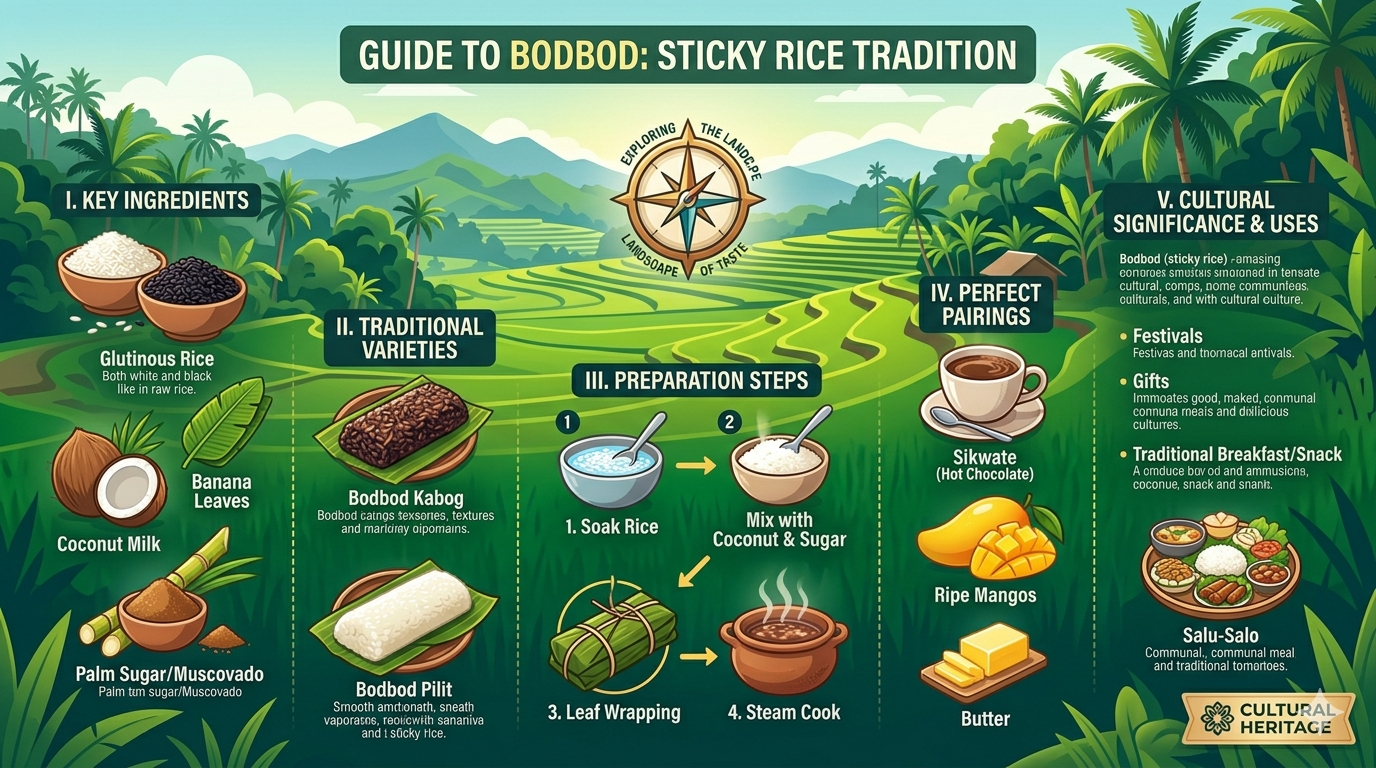
Illustrates bodbod ingredients and preparation steps
Disclaimer
This article is for general informational and educational purposes only. It does not constitute professional medical, nutrition, or dietary advice. References to foods or traditional dishes do not imply endorsement or guarantee of health outcomes. Readers are encouraged to consult licensed nutritionists, dietitians, or medical professionals for personalized guidance.
by villarramil028 | Apr 3, 2026 | Filipino Cuisine, Food & Nutrition Education
Understanding Sans Rival: Ingredients, Nutrition, and Consumption Insights
A neutral overview of the traditional Filipino dessert and its nutritional considerations
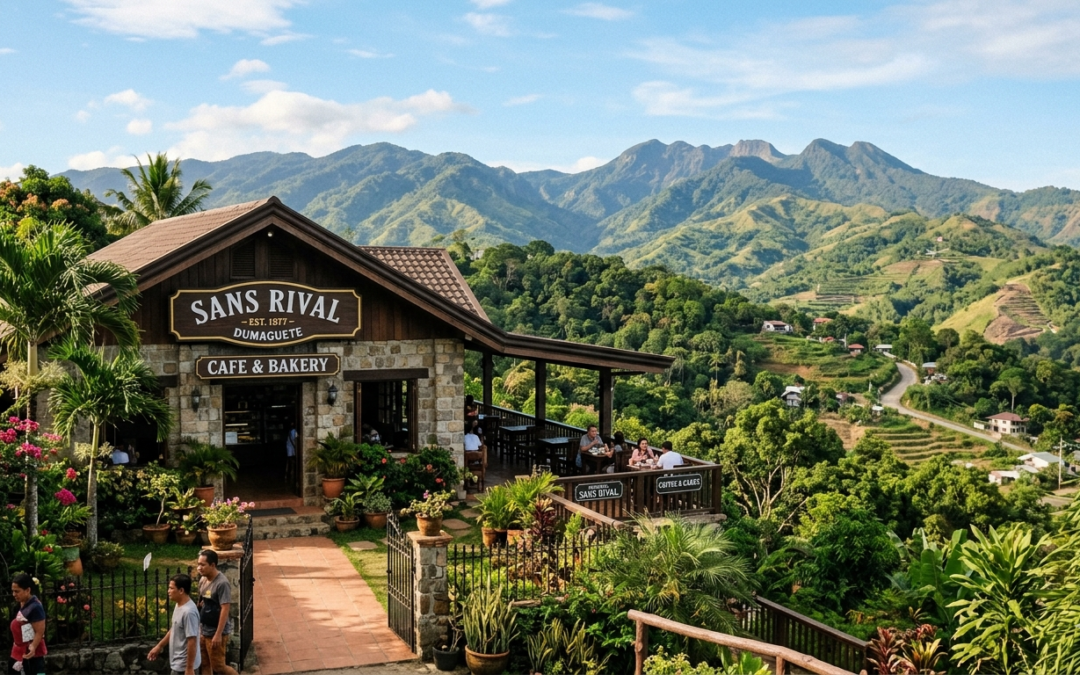
Sans Rival is a layered Filipino dessert traditionally made from buttercream, meringue, and chopped cashews. This article provides an educational overview of Sans Rival’s common ingredients, nutrient composition, and considerations for mindful consumption. Information aligns with guidance from the Department of Health (DOH) and the Food and Drug Administration (FDA Philippines). Readers will learn about macronutrient content, portion awareness, and safe consumer practices without implying health outcomes.
Ingredients and Nutritional Composition
Core Components of Sans Rival
- Egg whites – Typically used for the meringue layers; a source of protein.
- Sugar – Used in meringue and buttercream; provides carbohydrates.
- Butter or margarine – Primary fat source in the buttercream.
- Chopped cashews – Supply dietary fat, some protein, and micronutrients such as magnesium and copper.
- Optional flavorings – Vanilla or brandy may be added; typically used in small amounts.
Nutrient Highlights
Sans Rival is generally energy-dense, meaning it provides more calories per serving relative to volume. It contains a combination of macronutrients:
- Carbohydrates from sugar and egg whites
- Fat from butter and cashews
- Protein from egg whites and nuts
It also contributes trace amounts of micronutrients, such as:
- Vitamin E and magnesium from cashews
- Small amounts of B-vitamins from eggs
Portion size directly affects caloric intake; moderate servings are typically recommended for balanced dietary planning.
Consumer Awareness and Safe Consumption
Labeling and Ingredients
- When purchasing commercially prepared Sans Rival, check the ingredient list for added preservatives, stabilizers, or artificial flavorings.
- Verify product authenticity and manufacturing compliance with FDA Philippines standards.
Portion and Frequency Considerations
- Sans Rival is traditionally considered a dessert or celebratory food.
- Consuming it occasionally, as part of a varied diet, aligns with general nutritional principles of moderation.
Hypothetical Meal Context
A neutral example of including Sans Rival in a hypothetical meal scenario:
- Occasional dessert serving: One small slice (e.g., ~50–70g) alongside meals containing vegetables, protein, and complex carbohydrates, without implying weight or health outcomes.
Context
In nutrition science studies, energy-dense foods like desserts contribute calories and macronutrients but should be considered in overall dietary planning. Under consumer protection and labeling standards in the Philippines, food products must list ingredients and allergens clearly. Individual dietary responses vary, and inclusion of desserts like Sans Rival should be based on personal preference rather than health promises.
FAQs
Q: What are the main macronutrients in Sans Rival?
A: Sans Rival contains carbohydrates from sugar, fat from butter and cashews, and protein from egg whites and nuts.
Q: Does Sans Rival provide any vitamins or minerals?
A: It contributes trace amounts of magnesium, copper, and vitamin E primarily from cashews, and small amounts of B-vitamins from eggs.
Q: How should consumers approach eating desserts like Sans Rival?
A: Desserts can be enjoyed occasionally within a varied diet, considering portion sizes and overall dietary balance.
Trusted Sources
- Department of Health (DOH) – Philippines: Nutrition and Food Safety Advisories
- Food and Drug Administration (FDA Philippines) – Food Labeling Guidelines
- Philippine Nutrition Foundation – Nutrient Composition Resources
- Peer-reviewed journals: Food Science & Nutrition, International Journal of Food Sciences
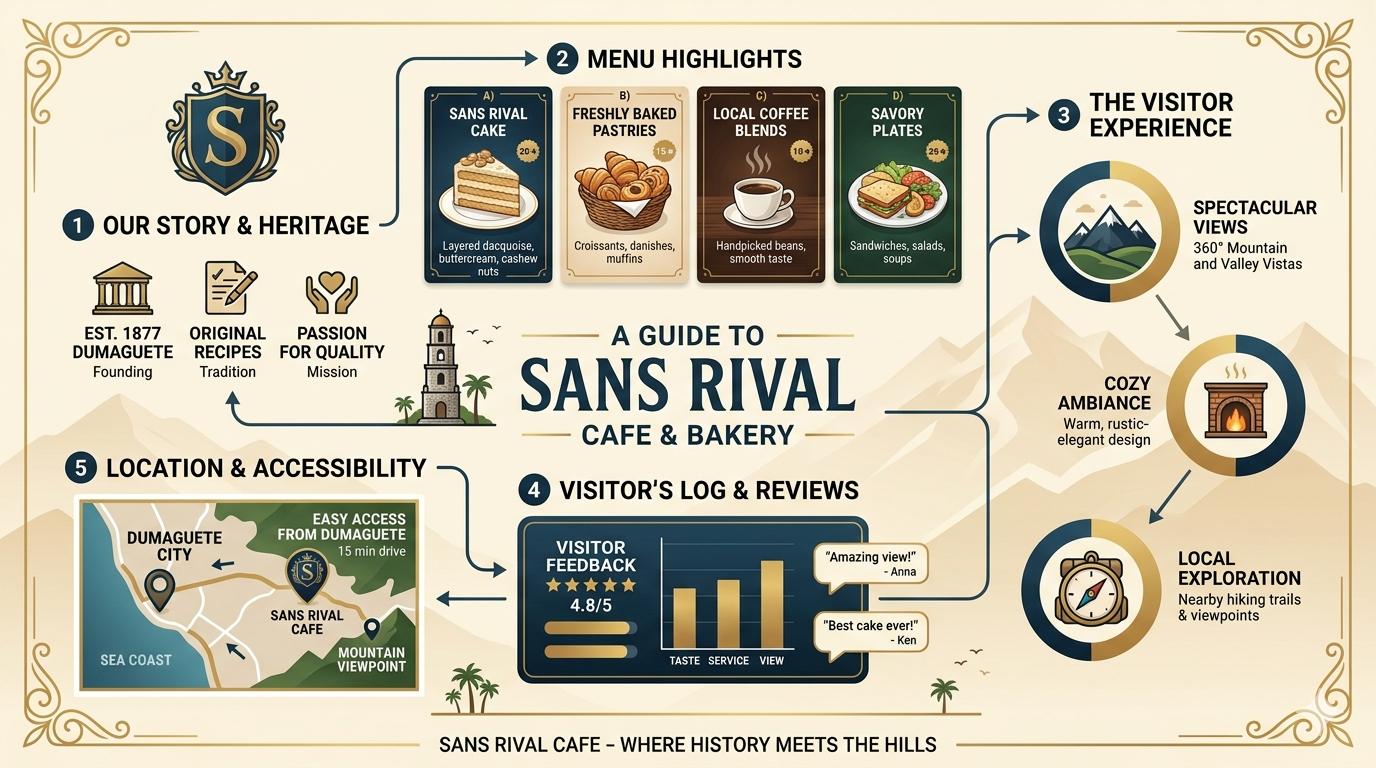
Infographic showing Sans Rival layers and typical macronutrient distribution.
Disclaimer
This article is for general informational and educational purposes only. It does not constitute professional medical, nutrition, or dietary advice. References to foods or desserts do not imply endorsement or guarantee of health outcomes. Readers are encouraged to consult licensed nutritionists, dietitians, or medical professionals for personalized guidance.
by villarramil028 | Apr 3, 2026 | Filipino Cuisine, Food & Nutrition Education
Understanding Silvanas: A Filipino Frozen Cookie Dessert
A neutral overview of the ingredients, preparation method, and nutritional considerations of a traditional Filipino dessert.
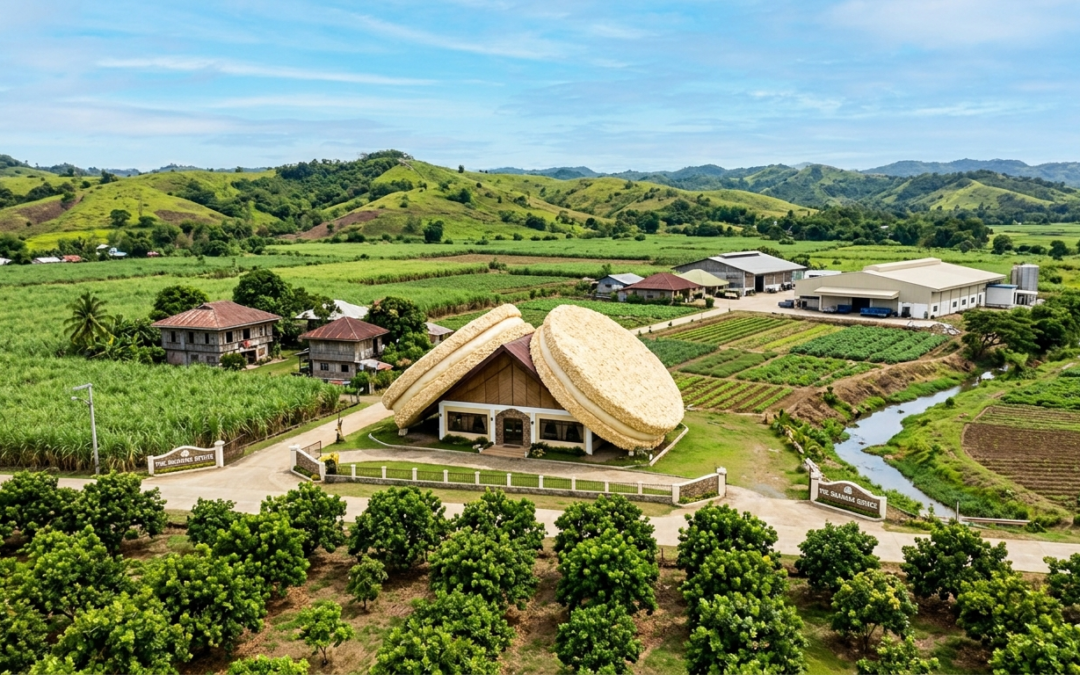
Silvanas are a well-known Filipino dessert commonly associated with the province of Negros Oriental. The confection consists of layers of meringue wafers and buttercream filling, coated in fine cookie crumbs and typically served chilled or frozen. This article explains the basic composition of silvanas, their common ingredients, and general nutrition considerations within the context of balanced dietary awareness.
What Are Silvanas?
Silvanas are frozen sandwich-style cookies traditionally made from two meringue wafers filled with buttercream and rolled in crushed cookie crumbs. They are often stored in freezers and served cold, giving the dessert a firm exterior and creamy interior texture.
Silvanas are widely recognized in Philippine dessert culture and are frequently sold in bakeries, cafés, and pastry shops. Their preparation and ingredient variations may differ depending on the bakery or recipe.
Typical Ingredients
Common ingredients used in silvanas include:
- Egg whites (used to prepare meringue wafers)
- Granulated sugar
- Ground nuts, often cashews
- Butter or butter-based frosting
- Cookie crumbs or crushed biscuits for coating
The meringue wafers are baked first. After cooling, a buttercream layer is added between two wafers, forming a sandwich. The assembled cookie is then coated in fine crumbs and chilled before serving.
Texture and Serving Style
Silvanas are generally stored in cold temperatures. Freezing helps maintain their structure and allows the buttercream filling to remain firm when eaten.
They are commonly served as a small dessert portion and may accompany beverages such as coffee or tea in some bakery settings.
Nutritional Considerations
Because silvanas contain sugar, butter, and nuts, they provide energy from carbohydrates and fats. Nuts may also contribute small amounts of protein and minerals.
Desserts like silvanas are typically categorized as energy-dense foods due to their sugar and fat content. Within general dietary guidance, such foods are often consumed in moderate portions as part of varied eating patterns that include fruits, vegetables, grains, and other nutrient-dense foods.
Portion sizes and ingredient composition can vary depending on the recipe or bakery preparation.
Context
In nutrition science, desserts are commonly described as occasional foods within broader dietary patterns. Balanced diet planning generally involves a variety of food groups to support nutrient intake.
Under Philippine consumer protection and food safety standards administered by the Department of Health (DOH) and Food and Drug Administration (FDA Philippines), packaged food products should provide ingredient lists and labeling information to help consumers understand what they are eating.
Dietary needs and responses to foods differ between individuals. For personalized dietary planning, consultation with licensed nutrition professionals is typically recommended.
FAQs
What type of dessert are silvanas?
Silvanas are frozen sandwich cookies made from meringue wafers, buttercream filling, and a crumb coating. They are commonly served chilled and are associated with Filipino pastry traditions.
What ingredients are commonly used in silvanas?
Typical ingredients include egg whites, sugar, butter or buttercream frosting, ground nuts such as cashews, and crushed cookies or biscuits used for coating.
How are silvanas usually stored?
They are usually kept refrigerated or frozen. Cold storage helps maintain the texture of the buttercream filling and the crispness of the meringue wafers.
Trusted Sources
- Department of Health (Philippines) — Nutrition and dietary guidance resources
- Food and Drug Administration Philippines — Food labeling and safety information
- Peer-reviewed nutrition and food science journals
- Academic references on Philippine culinary traditions and food science
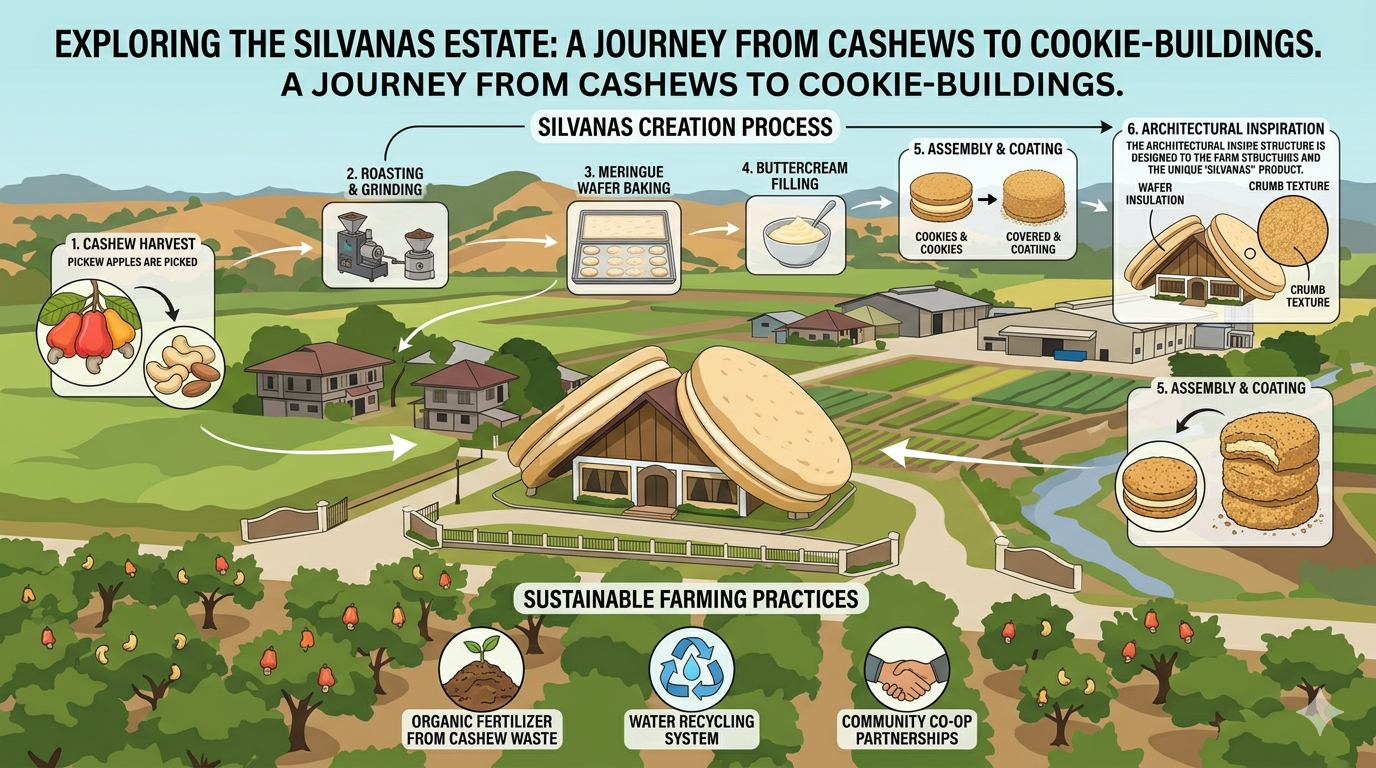
Illustrated layout presenting typical ingredients and layered structure of silvanas dessert.
Disclaimer
This article is for general informational and educational purposes only. It does not constitute professional medical, nutrition, or dietary advice. References to diets, foods, or supplements do not imply endorsement or guarantee of health outcomes. Readers are encouraged to consult licensed nutritionists, dietitians, or medical professionals for personalized guidance.
by villarramil028 | Apr 3, 2026 | Filipino Cuisine, Food & Nutrition Education
Understanding Sikwate: Traditional Filipino Hot Chocolate and Its Nutritional Context
A neutral overview of a traditional cacao-based beverage commonly prepared in parts of the Philippines.
Sikwate is a traditional hot chocolate beverage prepared using ground cacao tablets and hot water or milk. It is commonly associated with culinary traditions in regions such as Cebu and other parts of the Philippines. This article explains how the beverage is typically prepared, the basic ingredients used, and general nutrition considerations related to cacao-based drinks.
What Is Sikwate?
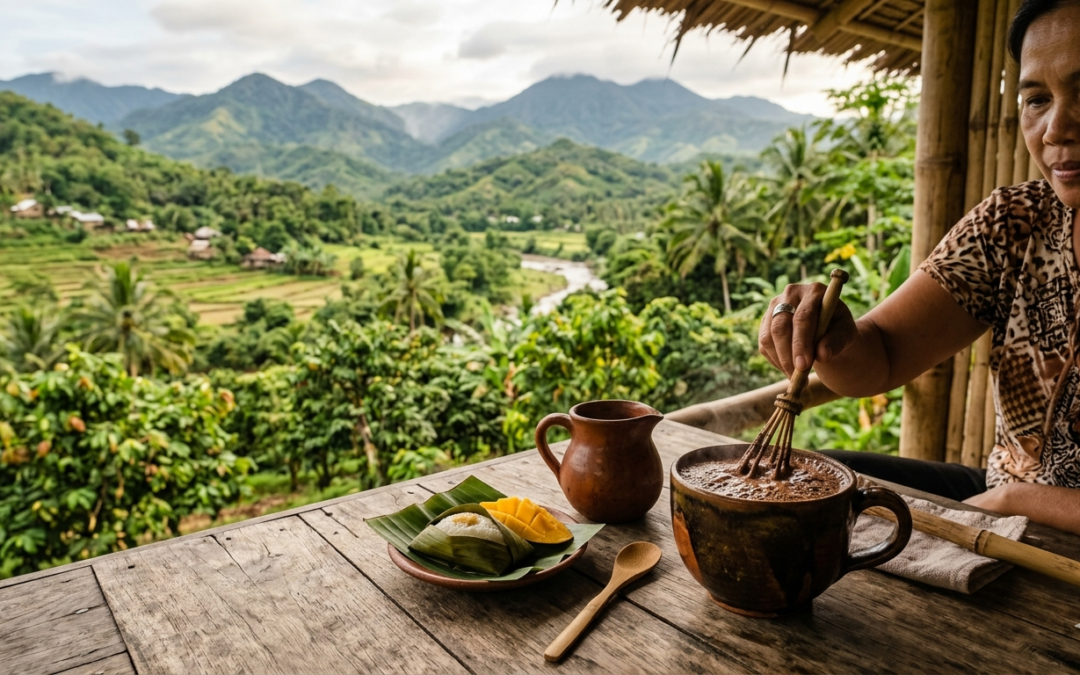
Sikwate is a beverage made by dissolving tablets of roasted and ground cacao beans—often called tablea—in hot water. The mixture is traditionally whisked using a wooden tool known as a batirol, which helps create a smooth and foamy texture.
Cacao beans used for tablea originate from the tropical cacao tree, scientifically known as Theobroma cacao. The preparation method focuses on minimal processing, which distinguishes traditional tablea from many commercial chocolate powders that may contain added sugar or flavoring.
Basic Ingredients
A typical preparation may include:
- Cacao tablea (pure cacao tablets)
- Hot water or milk
- Optional sweetener such as sugar, depending on taste preference
The beverage is sometimes served with local foods such as bread or rice-based snacks, although combinations vary by region and household practices.
General Nutrition Context
Cacao contains several naturally occurring nutrients and compounds. Depending on the preparation method and added ingredients, a serving of sikwate may contain:
- Carbohydrates (primarily from added sugar if included)
- Dietary fats naturally present in cacao
- Small amounts of minerals such as magnesium and iron
- Plant compounds often described in nutrition research as polyphenols
The exact nutrient content varies based on factors such as the amount of tablea used, whether milk is added, and the level of sweetening.
Traditional Preparation Method
In many households, sikwate is prepared through the following steps:
- Boil water in a pot.
- Add pieces of cacao tablea.
- Stir or whisk the mixture until the cacao dissolves.
- Use a wooden whisk (batirol) to aerate and blend the drink.
- Add optional sweetener if desired.
This method emphasizes dissolving the cacao rather than using pre-sweetened chocolate mixes.
Cacao and Food Label Awareness
Under food safety and labeling standards enforced by authorities such as the Food and Drug Administration (Philippines) and the Department of Health (Philippines), packaged cacao products may include ingredient lists and nutrition information. Consumers reviewing cacao-based beverages often examine:
- ingredient lists
- sugar content
- serving size information
- presence of added flavorings or dairy components
Traditional tablea products may vary in composition depending on processing methods used by producers.
FAQs
What is tablea?
Tablea refers to tablets made from roasted and ground cacao beans that are shaped into small discs or blocks. They are commonly used to prepare traditional Filipino hot chocolate beverages.
Is sikwate the same as commercial hot chocolate?
Sikwate typically uses cacao tablea with minimal processing, while many commercial hot chocolate mixes may contain sugar, milk powder, or flavoring agents.
How is sikwate usually served?
The beverage is often served hot and sometimes paired with local snacks such as bread or rice-based foods. Serving practices vary depending on regional traditions and household preferences.
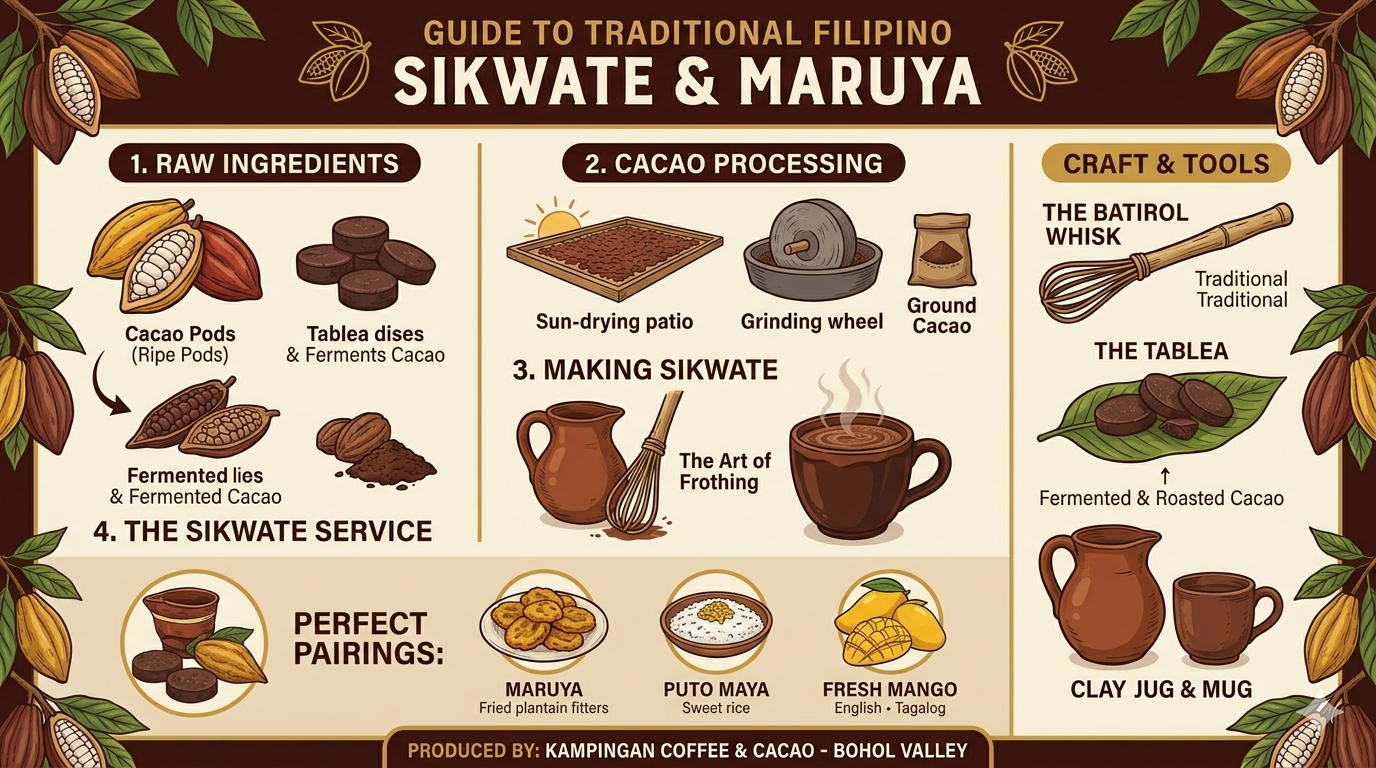
Diagram presenting cacao tablea tablets, whisking tools, and a cup of sikwate.
Trusted Sources
- Department of Health (Philippines) nutrition education materials
- Food and Drug Administration (Philippines) food labeling guidance
- Academic publications in food science and nutrition journals covering cacao composition and traditional foods
Disclaimer
This article is for general informational and educational purposes only. It does not constitute professional medical, nutrition, or dietary advice. References to diets, foods, or supplements do not imply endorsement or guarantee of health outcomes. Readers are encouraged to consult licensed nutritionists, dietitians, or medical professionals for personalized guidance.

