by villarramil028 | Apr 3, 2026 | Filipino Cuisine, Food & Nutrition Education
Understanding Ubi Kinampay: A Traditional Purple Yam Variety from the Philippines
A neutral overview of the characteristics, culinary uses, and nutritional context of a heritage purple yam variety.
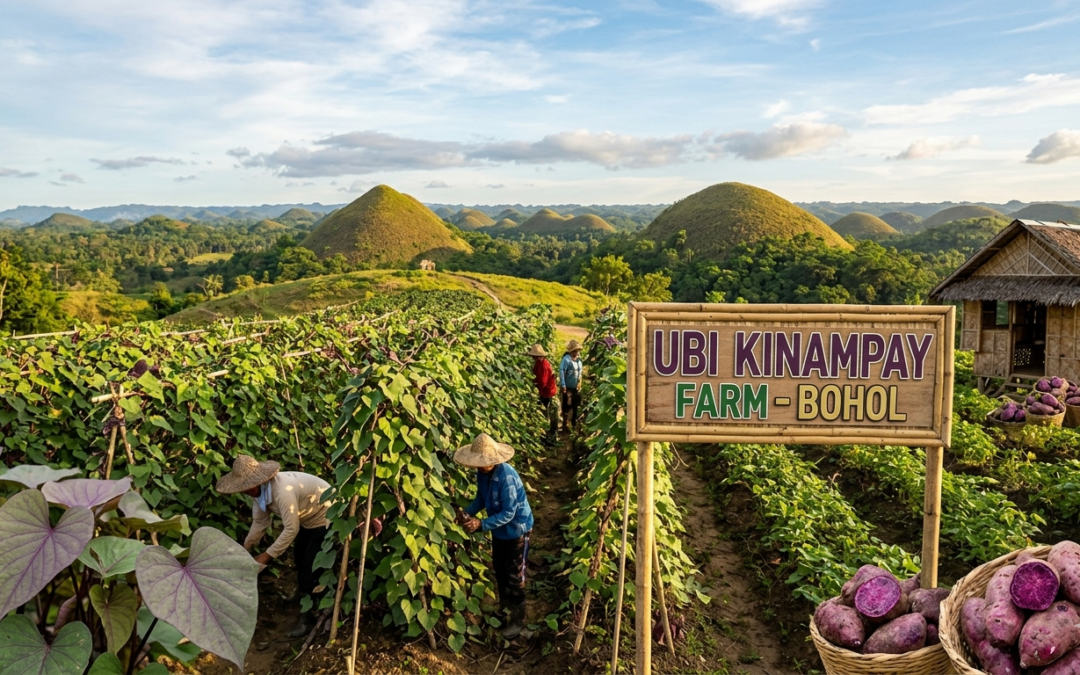
Ubi Kinampay is a traditional variety of purple yam grown in parts of the Philippines, particularly associated with agricultural communities in Bohol. The tuber is known for its naturally deep purple color and is commonly used in local dishes and desserts. This article provides an educational overview of the crop, including its botanical background, typical culinary uses, and basic nutritional context, within the framework of Philippine food and consumer safety standards.
Botanical Background
Ubi Kinampay belongs to the same species as Ube, scientifically known as Dioscorea alata. Yams in this species are root crops cultivated in tropical regions and are valued for their starch content.
Kinampay is often identified by several characteristics:
- deep violet to purple flesh
- dense texture when cooked
- distinct aroma commonly associated with traditional ube products
Agricultural production of purple yam varieties in the Philippines forms part of small-scale farming systems and local food traditions.
Culinary Uses
In Philippine cuisine, Ubi Kinampay may be used in both traditional and modern dishes. Examples include:
- mashed or sweetened yam preparations
- fillings for pastries and breads
- ingredients in desserts such as halaya or ice cream
- flavoring and coloring for baked goods
These applications primarily use the tuber after boiling, steaming, or baking to soften the starch-rich flesh.
Basic Nutritional Context
Purple yams, including Kinampay, contain macronutrients and micronutrients typically found in root crops. These may include:
- carbohydrates that contribute dietary energy
- small amounts of protein
- dietary fiber
- trace vitamins and minerals commonly present in plant foods
Like many purple plant foods, the tuber’s color is associated with naturally occurring plant pigments known as anthocyanins. Nutrition research often examines these pigments as part of broader food science studies.
Individual nutritional values vary depending on:
- growing conditions
- storage practices
- preparation methods
- portion size
Food composition data for root crops are typically compiled in national nutrition databases and agricultural research publications.
Food Handling and Consumer Awareness
Consumers purchasing root crops such as Ubi Kinampay may consider general food safety practices recommended by public health authorities:
- washing the outer skin before preparation
- cooking the tuber thoroughly before consumption
- storing raw yams in cool, dry environments
- purchasing food products from reputable food retailers
In the Philippines, packaged food products containing ube ingredients fall under labeling and safety guidance issued by agencies such as the Department of Health and the Food and Drug Administration Philippines.
Context
In nutrition science discussions, root crops like purple yam are typically examined as part of broader carbohydrate food groups within balanced dietary patterns. Nutritional planning often involves combining various food categories—such as grains, vegetables, fruits, and protein sources—to achieve nutrient balance.
Food labeling and product safety oversight in the Philippines are governed by consumer protection and food safety regulations, including guidance from government authorities responsible for food standards and public health.
Dietary needs and nutritional outcomes differ across individuals depending on age, health status, and lifestyle factors. For personalized dietary guidance, consultation with licensed nutrition or medical professionals is commonly recommended.
FAQs
What is Ubi Kinampay?
Ubi Kinampay is a variety of purple yam cultivated in the Philippines. It belongs to the species Dioscorea alata and is commonly used in traditional Filipino desserts and food preparations.
How is Ubi Kinampay different from regular ube?
The term “ube” refers broadly to purple yam varieties. Kinampay is one specific variety known for its deep purple flesh and strong aroma.
How is purple yam typically prepared?
Purple yams are usually boiled, steamed, or baked before being mashed or incorporated into desserts and other dishes.
Trusted Sources
- Department of Health (Philippines) – Nutrition and food guidance resources
- Food and Drug Administration Philippines – Food labeling and safety guidelines
- Food and Agriculture Organization (FAO) – Root crop and yam production references
- Philippine Department of Agriculture – Agricultural crop information
- Peer-reviewed food science and nutrition journals on Dioscorea alata
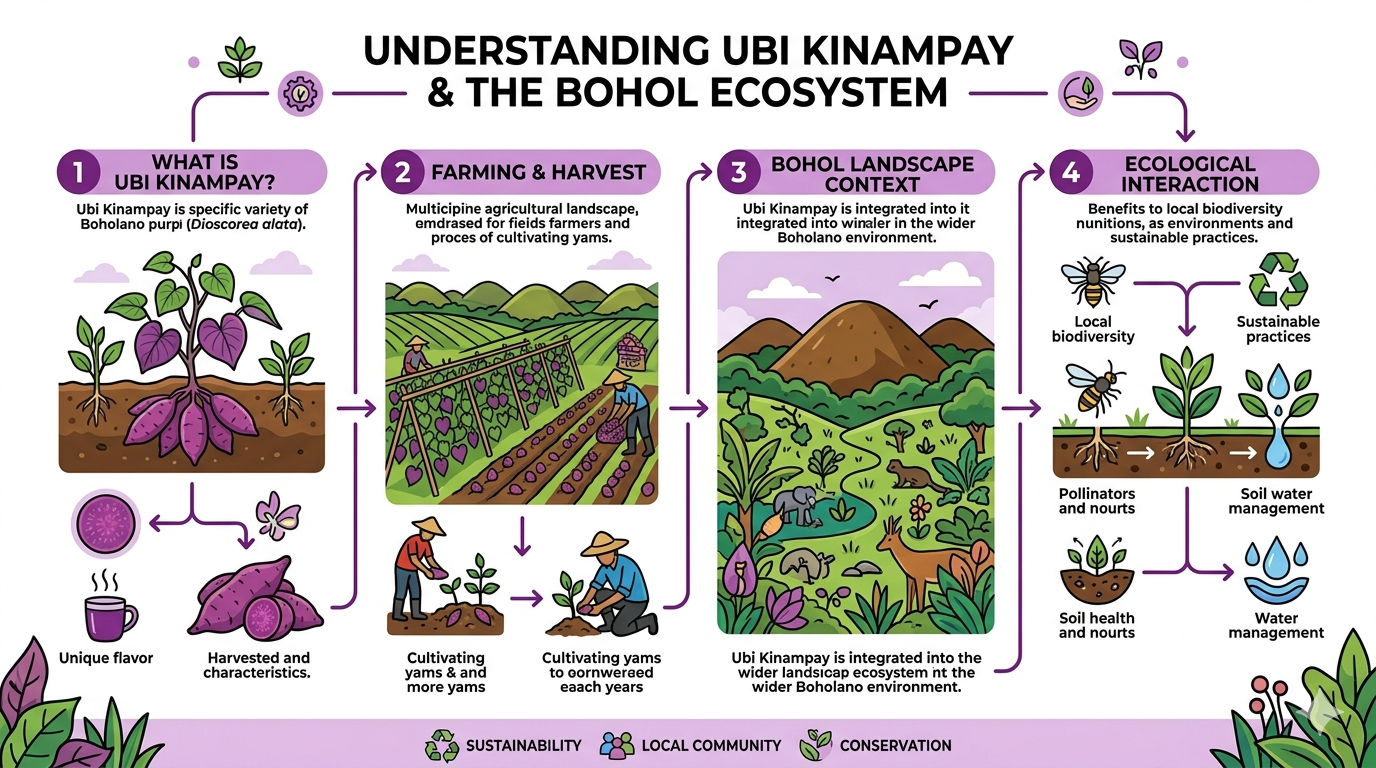
Visual summary of Ubi Kinampay features and uses
Disclaimer
This article is for general informational and educational purposes only. It does not constitute professional medical, nutrition, or dietary advice. References to diets, foods, or supplements do not imply endorsement or guarantee of health outcomes. Readers are encouraged to consult licensed nutritionists, dietitians, or medical professionals for personalized guidance.
by villarramil028 | Apr 2, 2026 | Filipino Cuisine, Food & Nutrition Education
Understanding Calamay: Traditional Filipino Sweet Rice Delicacy
A neutral overview of calamay, its ingredients, preparation, and nutritional considerations.
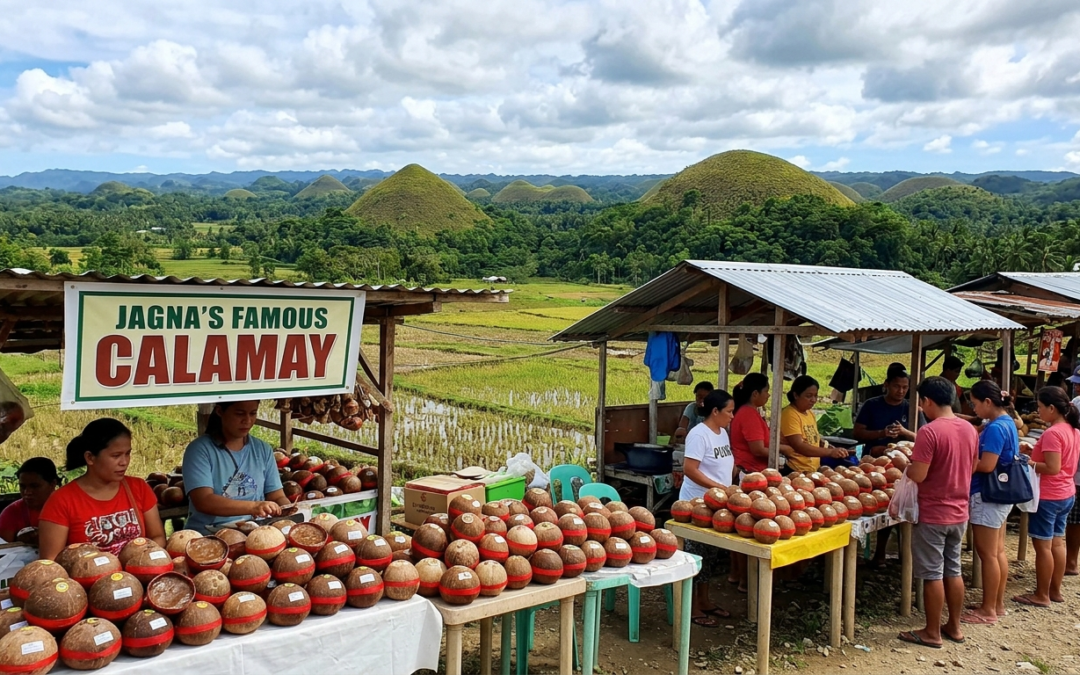
Calamay is a traditional Filipino sweet delicacy made primarily from glutinous rice, coconut milk, and sugar. This article provides an informational overview of calamay’s ingredients, preparation methods, and general nutritional aspects. Content aligns with guidance from the Philippine Department of Health (DOH), Food and Drug Administration (FDA Philippines), and consumer protection standards. Readers will gain an understanding of calamay without any health or weight claims.
Ingredients and Preparation
Calamay typically includes:
- Glutinous rice – provides carbohydrate content
- Coconut milk – contributes fat and moisture
- Sugar – source of simple carbohydrates
- Optional flavorings – such as ube, vanilla, or latik (cooked coconut curds)
Preparation involves washing and soaking glutinous rice, grinding it into a paste, cooking it with coconut milk and sugar until thick, and sometimes topping with latik for texture. Cooking practices may vary regionally.
Nutritional Considerations
Calamay is a carbohydrate-dense food with moderate fat content from coconut milk. Key points:
- Contains energy-dense ingredients, which provide calories for energy but may be consumed in moderation.
- Provides trace amounts of micronutrients from coconut milk, including potassium and magnesium.
- Generally low in protein and fiber unless paired with other foods.
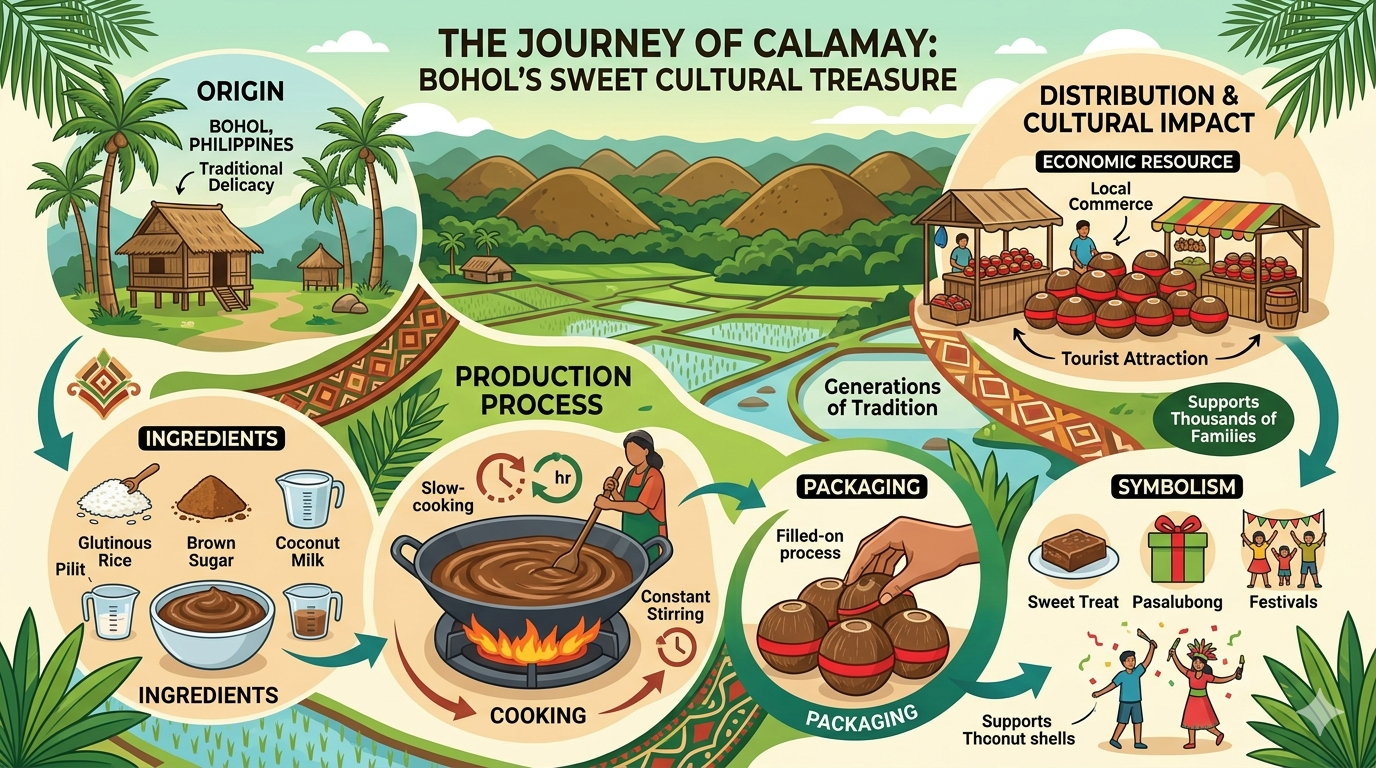
Infographic showing the components and preparation steps of calamay.
Safe Consumption and Storage
- Store calamay in airtight containers in a cool area to prevent spoilage.
- Follow FDA Philippines food handling guidelines for cooked rice products to reduce microbial risk.
- Individuals with dietary restrictions, such as diabetes, may monitor sugar intake when consuming sweet rice products.
Context
In nutrition science studies, traditional foods like calamay are considered occasional treats rather than staple sources of macronutrients. Under consumer protection and labeling standards, commercially sold calamay must clearly display ingredients and expiration dates. Dietary intake varies individually, and consultation with licensed nutrition or medical professionals is recommended for personalized guidance.
FAQs
What is calamay?
Calamay is a Filipino sweet delicacy made from glutinous rice, coconut milk, and sugar, often topped with latik.
What nutrients does calamay contain?
Primarily carbohydrates, small amounts of fat, and trace micronutrients from coconut milk. It is low in protein and fiber.
How should calamay be stored safely?
Store in airtight containers in a cool area and follow proper food handling standards to reduce spoilage risks.
Trusted Sources
- Department of Health Philippines – Food Safety Guidelines
- FDA Philippines – Consumer Food Labeling Guidance
- Academic journals on Philippine traditional foods and nutrition
Disclaimer
This article is for general informational and educational purposes only. It does not constitute professional medical, nutrition, or dietary advice. References to foods or ingredients do not imply endorsement or guarantee of health outcomes. Readers are encouraged to consult licensed nutritionists, dietitians, or medical professionals for personalized guidance.

by villarramil028 | Apr 2, 2026 | Filipino Cuisine, Food & Nutrition Education
Peanut Kisses: Educational Overview of a Peanut-Based Snack
A neutral look at ingredients, nutrition, and safe consumption practices.
Peanut Kisses are a type of confectionery snack typically made from peanuts and sugar, often shaped as small bite-sized treats. This article provides an educational overview of the nutritional aspects, common ingredients, and safe consumption considerations under Philippine food safety and labeling standards set by the Department of Health (DOH), Food and Drug Administration (FDA), and Department of Trade and Industry (DTI).
Nutritional Details
Peanut Kisses primarily contain:
- Peanuts – A source of protein, healthy fats, and micronutrients such as vitamin E, magnesium, and folate.
- Sugar – Provides energy but should be consumed in moderation according to dietary guidelines.
- Other Ingredients – Depending on the product, may include cocoa, chocolate coating, or flavorings. Always check the product label for allergen information and ingredient sources.
Nutrient Highlights (per 30g serving, approximate)
| Nutrient |
Typical Amount |
| Energy |
150–180 kcal |
| Protein |
4–6 g |
| Fat |
10–12 g (mostly unsaturated) |
| Carbohydrates |
12–15 g |
| Fiber |
1–2 g |
| Sugar |
8–10 g |
Food Safety & Consumer Considerations
- Allergen Awareness: Peanuts are a common allergen. Individuals with peanut allergies should avoid Peanut Kisses.
- Portion Awareness: These snacks are energy-dense. Consuming in moderation supports balanced nutrition.
- Label Checking: Under FDA regulations, the packaging must list ingredients, allergens, and expiry dates. Verify that the product is registered and labeled according to Philippine law.
- Storage: Keep in a cool, dry place to maintain quality and reduce risk of spoilage.
Hypothetical Snack Planning
A neutral example of incorporating Peanut Kisses into a daily diet:
- Morning snack: 1–2 Peanut Kisses with a serving of fruit for additional fiber and vitamins.
- Afternoon snack: 1 Peanut Kiss alongside a glass of milk for protein and calcium.
Context
In nutrition science, small peanut-based snacks like Peanut Kisses provide protein and healthy fats but also contain added sugars. Under consumer protection and labeling standards in the Philippines, food products must display accurate ingredient lists and allergen warnings. Dietary outcomes vary individually, and moderation is emphasized in balanced diets.
FAQs
What nutrients are in Peanut Kisses?
Peanut Kisses contain protein, fats (mostly unsaturated), carbohydrates, and small amounts of vitamins and minerals from peanuts. Sugar content varies by product.
Are Peanut Kisses suitable for children?
They can be consumed in small amounts, but caregivers should monitor for allergens and added sugar intake.
How can I read the label safely?
Check for ingredient listing, allergen information, and FDA registration details to ensure the product meets Philippine food safety standards.
Trusted Sources
- Department of Health (DOH), Philippines – Nutrition Guidelines
- FDA Philippines – Food Labeling and Safety Standards
- Philippine Food Composition Tables, Institute of Nutrition

Diagram showing ingredients and nutrient content of Peanut Kisses.
Disclaimer
This article is for general informational and educational purposes only. It does not constitute professional medical, nutrition, or dietary advice. References to foods or snacks do not imply endorsement or guarantee of health outcomes. Readers are encouraged to consult licensed nutritionists, dietitians, or medical professionals for personalized guidance.
by villarramil028 | Apr 2, 2026 | Filipino Cuisine, Food & Nutrition Education
Understanding Pungko-Pungko: A Neutral Look at Popular Philippine Street Food
An educational overview of pungko-pungko, its typical food components, and consumer safety considerations.
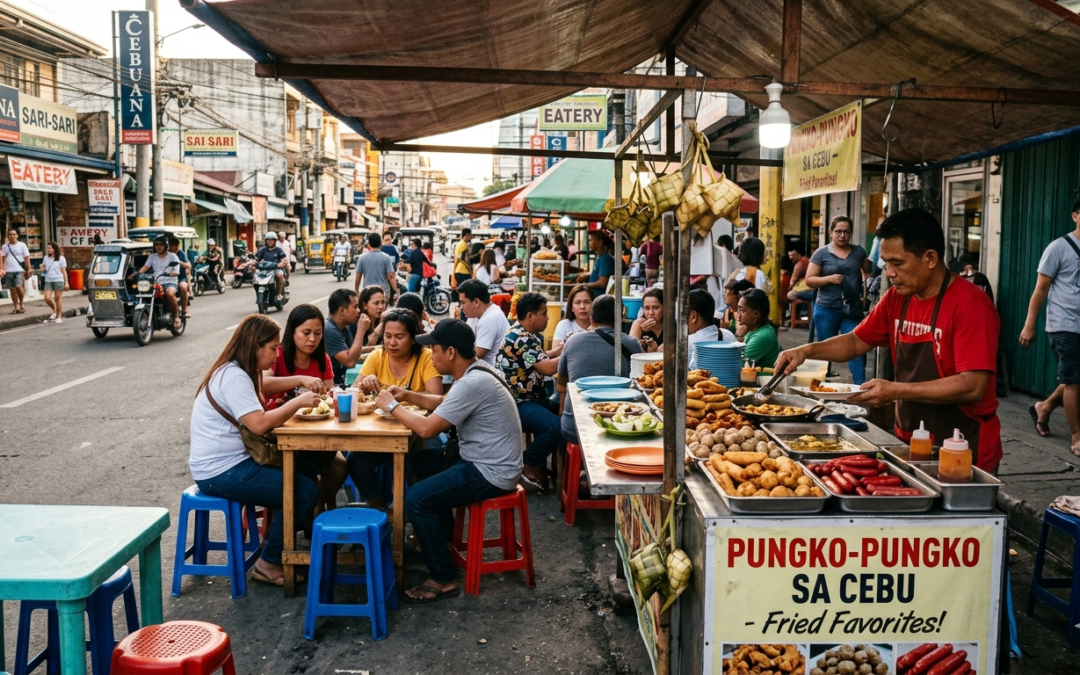
Pungko-pungko is a widely recognized type of street food in the Philippines, often served along sidewalks or small roadside stalls. This article provides a neutral, educational overview of pungko-pungko, its common ingredients, and food safety considerations. Readers will gain insight into its nutritional components, potential hygiene concerns, and label-awareness practices without any health or weight promises. The discussion aligns with Philippine DOH, FDA, and DTI guidelines on safe street food consumption.
What is Pungko-Pungko?
Pungko-pungko typically refers to a casual street food setup where diners sit on small stools (“pungko”) and eat freshly fried or boiled snacks. Common offerings include:
- Deep-fried items: such as lumpia, kikiam, and fish balls
- Boiled items: like kwek-kwek (quail eggs in batter) and tokneneng
- Condiments: vinegar, soy sauce, or sweet sauces
These foods are often high in carbohydrates and fats due to frying and battering. Protein content varies depending on whether the snack is egg- or meat-based.
Nutritional Overview
From a neutral, educational perspective:
- Macronutrients: Many fried pungko-pungko items provide carbohydrates from flour or breading, fats from cooking oil, and proteins from eggs, fish, or meat.
- Micronutrients: Egg-based snacks contribute vitamins such as B12 and minerals like iron, while fried vegetables offer some fiber and vitamins.
- Considerations: Frequent consumption of deep-fried snacks can lead to higher energy intake, which may be relevant for dietary planning.
Safe Consumption Practices
Under Philippine food safety regulations (DOH and FDA Philippines), consumers should consider:
- Vendor hygiene: Observe the cleanliness of cooking utensils, surfaces, and food handlers.
- Cooking temperature: Fried or boiled items should reach adequate temperatures to minimize microbial contamination.
- Storage and display: Avoid food left at ambient temperature for extended periods, as this increases the risk of bacterial growth.
Hypothetical Meal Planning Note
In hypothetical dietary planning, pungko-pungko items can be considered occasional snacks rather than main meals. For instance:
- A balanced snack plate might include one protein-rich item (e.g., tokneneng), a serving of vegetable-based item, and a modest portion of carbohydrate-rich fried dough.
- Portion control and frequency are key neutral concepts in dietary education.
Context
In nutrition science studies, fried snacks are categorized as energy-dense foods that may provide immediate calories but limited micronutrients compared to fresh vegetables or fruits. Under Philippine consumer protection and labeling standards, street food vendors are encouraged to maintain hygiene and ensure ingredient transparency when feasible.
Diet planning typically involves a mix of macronutrient and micronutrient balance, mindful portioning, and consideration of cooking methods. Results vary individually, and consumption should be adjusted based on personal nutritional needs. Licensed nutritionists or dietitians can provide personalized guidance.
FAQs
What is pungko-pungko?
Pungko-pungko refers to street food stalls where small fried or boiled snacks are served, often eaten while seated on low stools.
What are the main nutrients in pungko-pungko items?
Common nutrients include carbohydrates from batter or dough, protein from eggs or meat, and fats from frying oils. Micronutrient content varies by ingredient.
How can consumers assess street food safety?
Observing hygiene practices, ensuring proper cooking temperature, and checking for cleanliness of utensils and food surfaces are important considerations.
Trusted Sources
- Department of Health (DOH Philippines) — Food Safety Guidelines
- Food and Drug Administration (FDA Philippines) — Street Food Advisory
- Academic journals on street food hygiene and nutrition
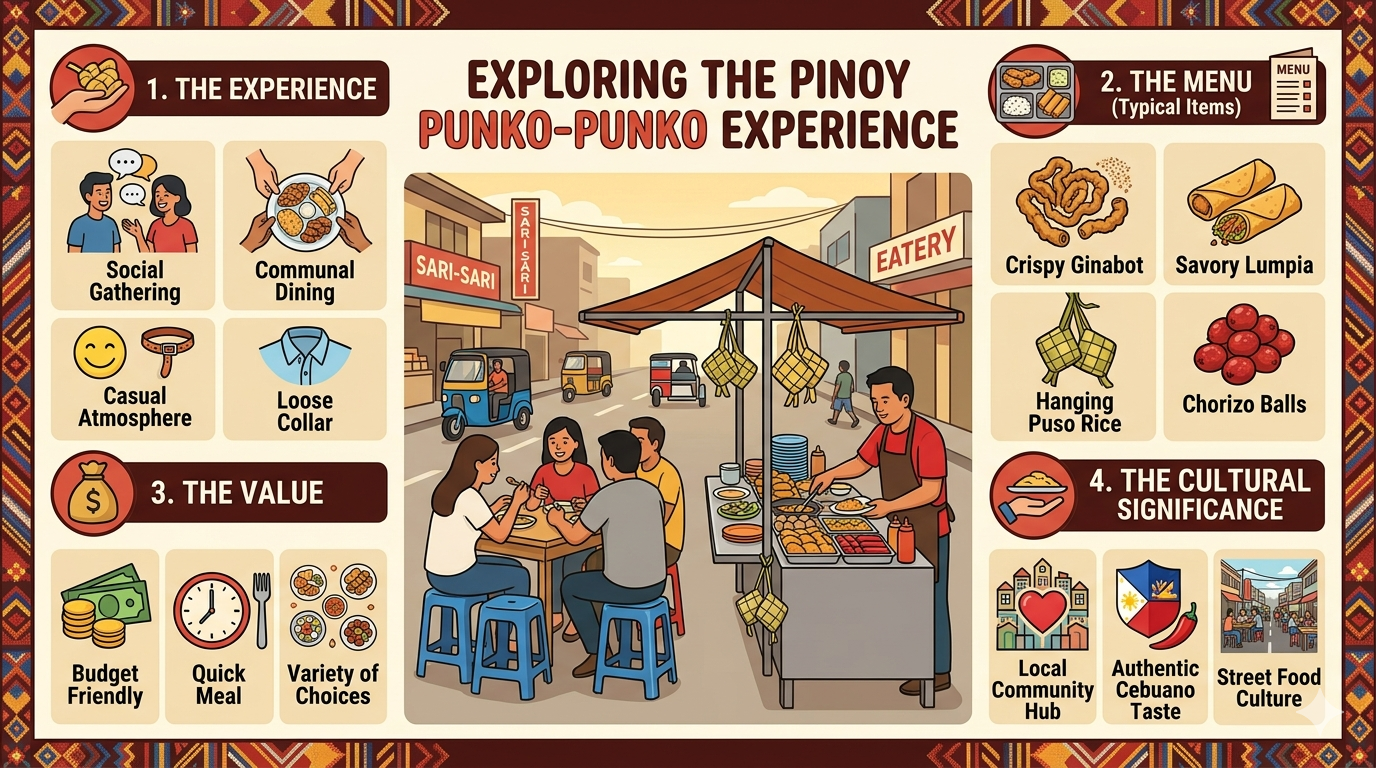
Infographic displaying typical pungko-pungko street food items and their main ingredients
Disclaimer
This article is for general informational and educational purposes only. It does not constitute professional medical, nutrition, or dietary advice. References to foods or snacks do not imply endorsement or guarantee of health outcomes. Readers are encouraged to consult licensed nutritionists, dietitians, or medical professionals for personalized guidance.
by villarramil028 | Apr 2, 2026 | Filipino Cuisine, Food & Nutrition Education
Tuslob Buwa: Understanding the Filipino Culinary Tradition
A neutral overview of Tuslob Buwa, its cultural roots, ingredients, and safe consumption practices.
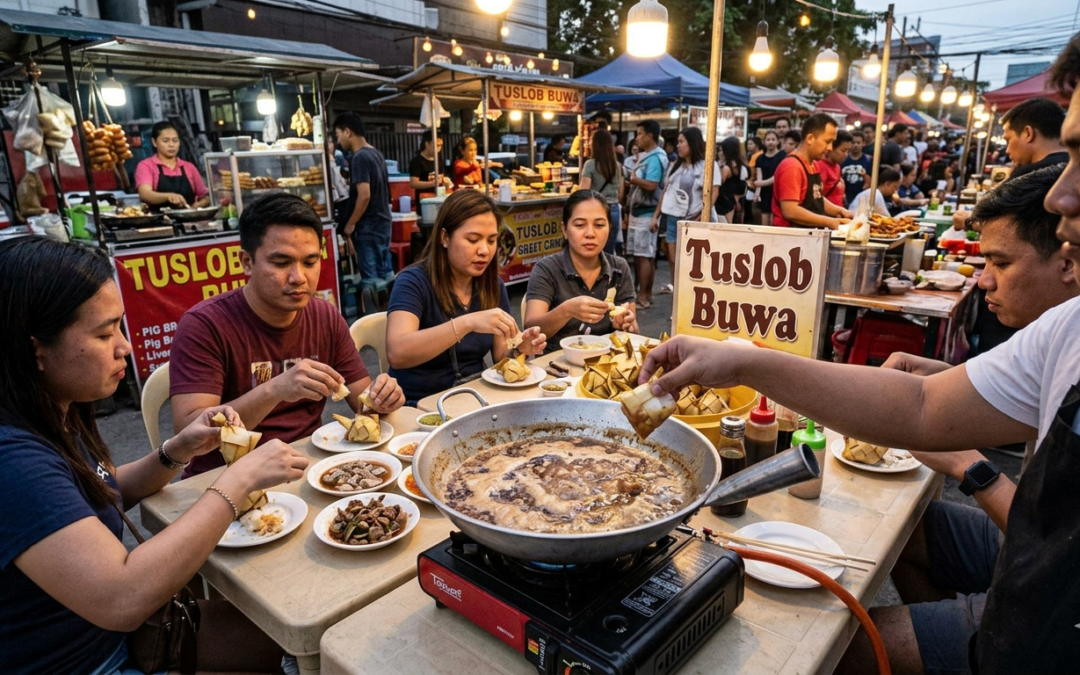
Tuslob Buwa is a traditional Filipino street food originating from Cebu. It involves dipping rice or other foods into a bubbling mixture made from pig brain, broth, and spices. In this article, readers will learn about the cultural significance of Tuslob Buwa, its common ingredients, and considerations for safe preparation and consumption under Philippine food safety standards.
Origins and Cultural Significance
Tuslob Buwa, which translates to “dip in bubbles,” has historical roots in Cebu, where it emerged as a communal snack during festive occasions. The dish is known for its interactive style, where diners dip steamed rice or bread into a frothy mixture cooked in a pan.
Common Ingredients
The traditional preparation of Tuslob Buwa typically includes:
- Pig brain or offal: Provides protein and fat.
- Broth or water: Used to create a bubbling texture.
- Onions, garlic, and spices: For flavor enhancement.
- Optional seasonings: Soy sauce or local vinegar.
Nutritional Considerations
From a nutrition perspective:
- Pig brain is rich in protein and fat, including cholesterol.
- Adding vegetables or broth-based ingredients can improve the nutrient density.
- Portion control is important due to the high-fat content.
Safe Consumption Practices
Under Philippine food safety guidelines:
- Ensure proper handling of offal to prevent contamination (DOH & FDA Philippines).
- Cook thoroughly to reduce bacterial risk, including Salmonella and E. coli.
- Maintain clean utensils and serving equipment, especially in street food settings.
- Avoid consuming if the product appears undercooked or stored at unsafe temperatures.
Hypothetical Meal Context
Tuslob Buwa can be considered part of an occasional meal rather than a staple. A neutral illustration of a meal including Tuslob Buwa:
- Steamed rice (1 cup)
- Tuslob Buwa mixture (2–3 tablespoons per serving)
- Side of fresh vegetables or fruit for nutrient balance
This is purely an example for educational purposes and does not imply dietary recommendation or guaranteed outcomes.
Context
In nutrition science studies, offal like pig brain provides essential amino acids and certain micronutrients but is also high in cholesterol and fat. Under consumer protection and labeling standards in the Philippines, street food vendors are encouraged to follow proper hygiene, cooking, and handling practices to reduce foodborne risks. Dietary effects vary individually, and licensed nutrition or medical professionals should be consulted for personal guidance.
FAQs
What is Tuslob Buwa?
Tuslob Buwa is a traditional Filipino dish where food items are dipped into a bubbling mixture made from pig brain and spices.
Is Tuslob Buwa nutritious?
It provides protein and fat from the pig brain, but its nutrient content varies depending on preparation.
How can it be safely consumed?
Proper cooking, hygiene, and portion moderation help reduce foodborne risks.
Trusted Sources
- Department of Health Philippines: Food Safety Advisories
- Food and Drug Administration Philippines: Street Food Guidelines
- Philippine Nutrition Facts and Dietary Guidelines
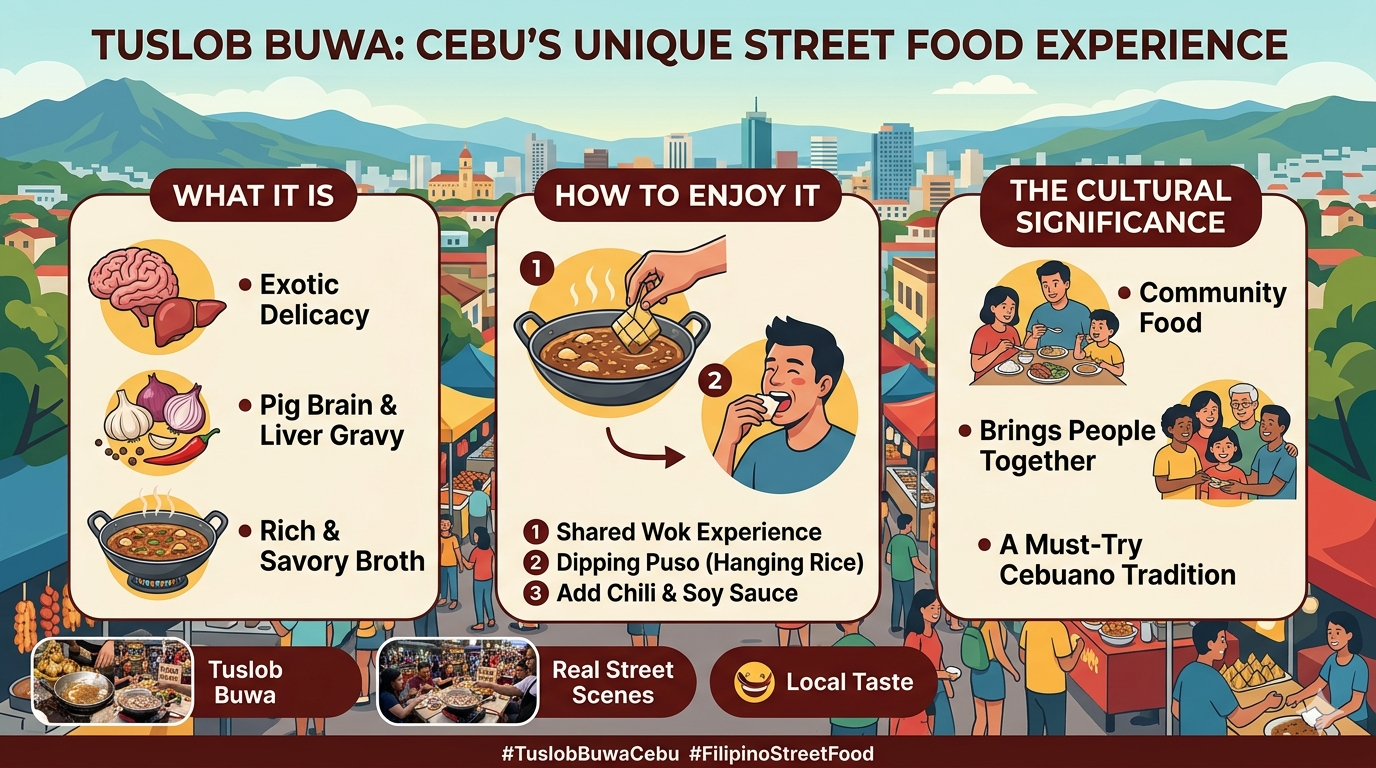
Visual breakdown of Tuslob Buwa ingredients and cooking sequence.
Disclaimer
This article is for general informational and educational purposes only. It does not constitute professional medical, nutrition, or dietary advice. References to Tuslob Buwa or related foods do not imply endorsement or guarantee of health outcomes. Readers are encouraged to consult licensed nutritionists, dietitians, or medical professionals for personalized guidance.
by villarramil028 | Apr 2, 2026 | Filipino Cuisine, Food & Nutrition Education
Understanding Ngohiong: Nutritional and Culinary Overview
An educational look at the ingredients, preparation, and nutritional considerations of ngohiong in the Philippine context.
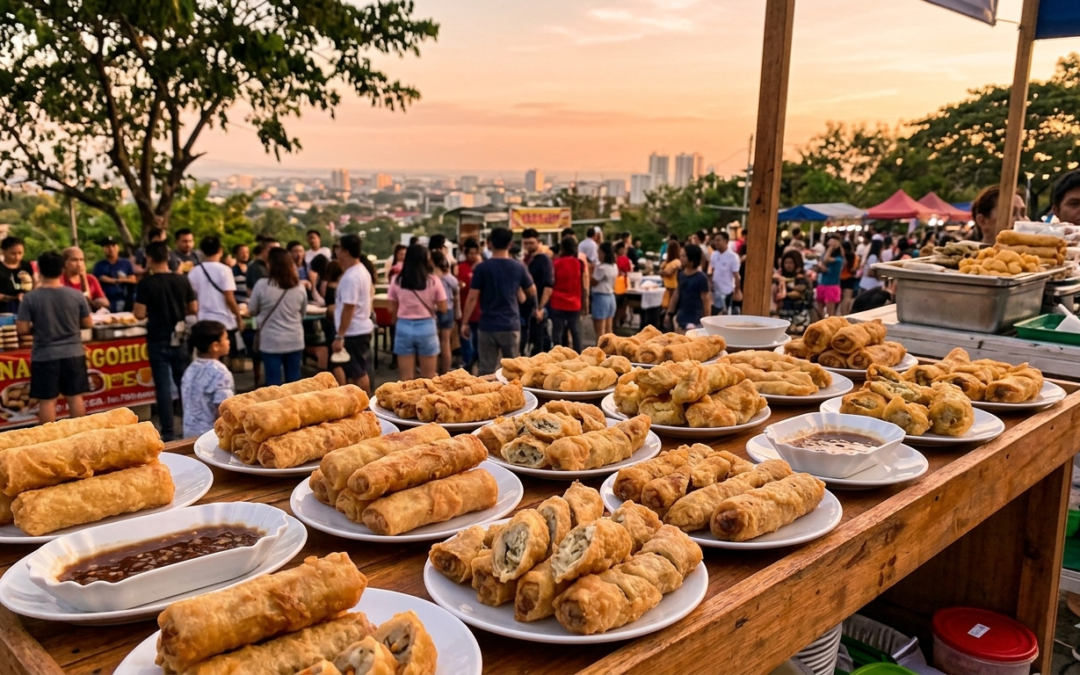
Ngohiong is a deep-fried Filipino snack influenced by Chinese spring rolls. It is commonly made with a mixture of ground pork, shrimp, vegetables, and spices, wrapped in a thin dough or bean-curd sheet. This article provides a neutral overview of its composition, potential nutritional contributions, and considerations for safe consumption.
Ingredients and Food Groups:
- Protein sources: ground pork, shrimp
- Vegetables: jicama, carrots, or other shredded vegetables
- Carbohydrates: wrapper made from flour or bean-curd sheets
- Fats: cooking oil used for deep-frying
Ngohiong can be part of a diet when consumed in moderation. Its preparation method, particularly deep-frying, contributes to higher energy (calorie) content and fat levels.
Nutritional Considerations:
- Macronutrients: Ngohiong provides protein from meat and seafood, carbohydrates from the wrapper, and fats from frying oil.
- Micronutrients: Vegetables contribute fiber, vitamin C, and potassium, though the frying process may reduce some heat-sensitive nutrients.
- Portion control: Because deep-fried foods are energy-dense, smaller portions can help maintain overall nutrient balance.
Consumer Awareness:
- Verify freshness of ingredients, especially seafood and meat, following FDA and LGU food safety standards.
- Proper cooking to safe internal temperatures reduces risk of foodborne illness.
- Commercial ngohiong products may include additives or preservatives; reading labels helps in understanding contents and verifying claims.
Context
In nutrition science studies, fried snacks are generally considered energy-dense foods, meaning they supply a high number of calories per serving. Under consumer protection and labeling standards, ingredient transparency and food safety practices are emphasized. Diet planning typically involves balancing nutrient intake across meals, while considering moderation of fried foods. Individual dietary results vary depending on age, activity level, and overall dietary patterns. For personalized guidance, consulting a licensed nutritionist or dietitian is recommended.
FAQs
What is ngohiong?
Ngohiong is a Filipino snack influenced by Chinese spring rolls, typically made with ground pork, shrimp, vegetables, and a thin wrapper, then deep-fried.
Is ngohiong a source of protein?
Yes, the meat and seafood ingredients provide protein, while the vegetables and wrapper contribute carbohydrates and fiber.
How can ngohiong be consumed safely?
Safe consumption involves moderate portion sizes, ensuring proper cooking, and verifying the freshness of ingredients according to food safety guidelines.
Trusted Sources
- Department of Health (DOH Philippines) – Food Safety Advisories
- FDA Philippines – Guidelines on Meat and Seafood Safety
- Philippine Nutrition Foundation (PhilNutri) – Food Composition Data
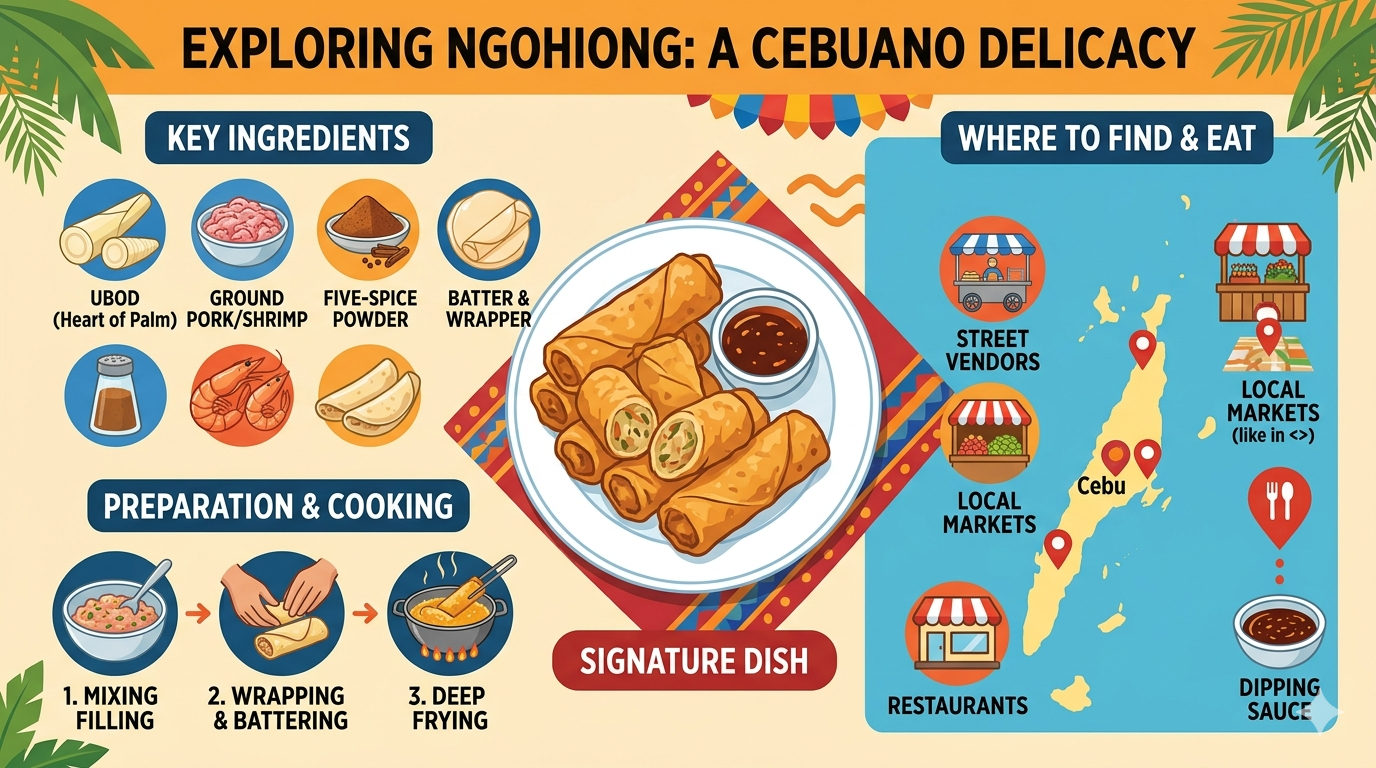
Infographic illustrating components and preparation steps of ngohiong.
Disclaimer
This article is for general informational and educational purposes only. It does not constitute professional medical, nutrition, or dietary advice. References to foods or cooking methods do not imply endorsement or guarantee of health outcomes. Readers are encouraged to consult licensed nutritionists, dietitians, or medical professionals for personalized guidance.

