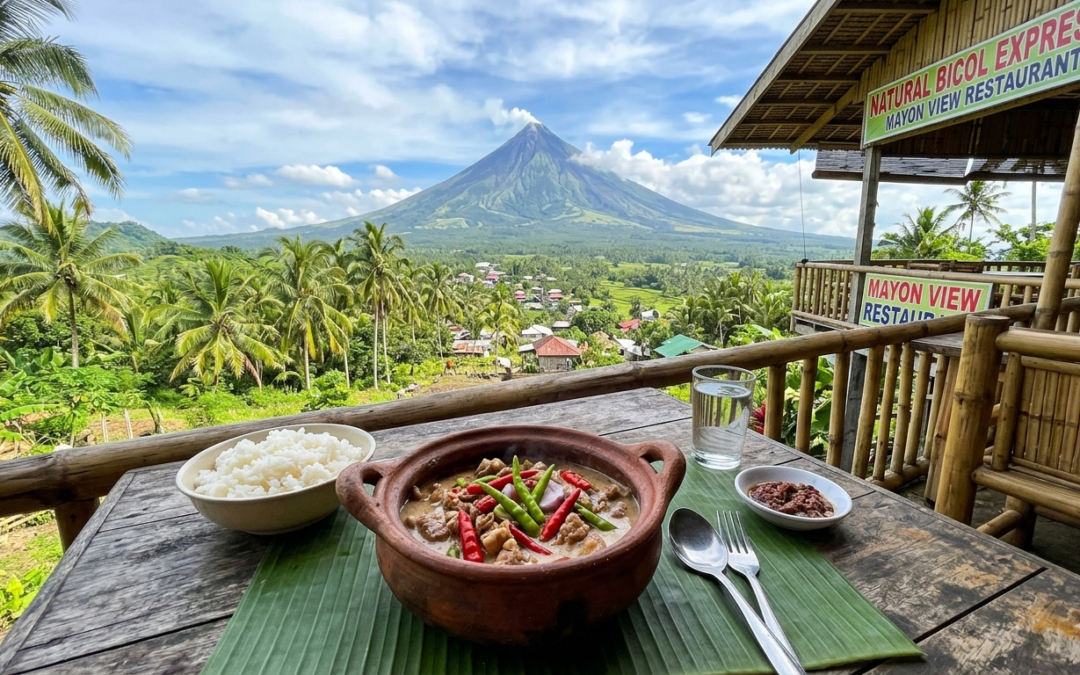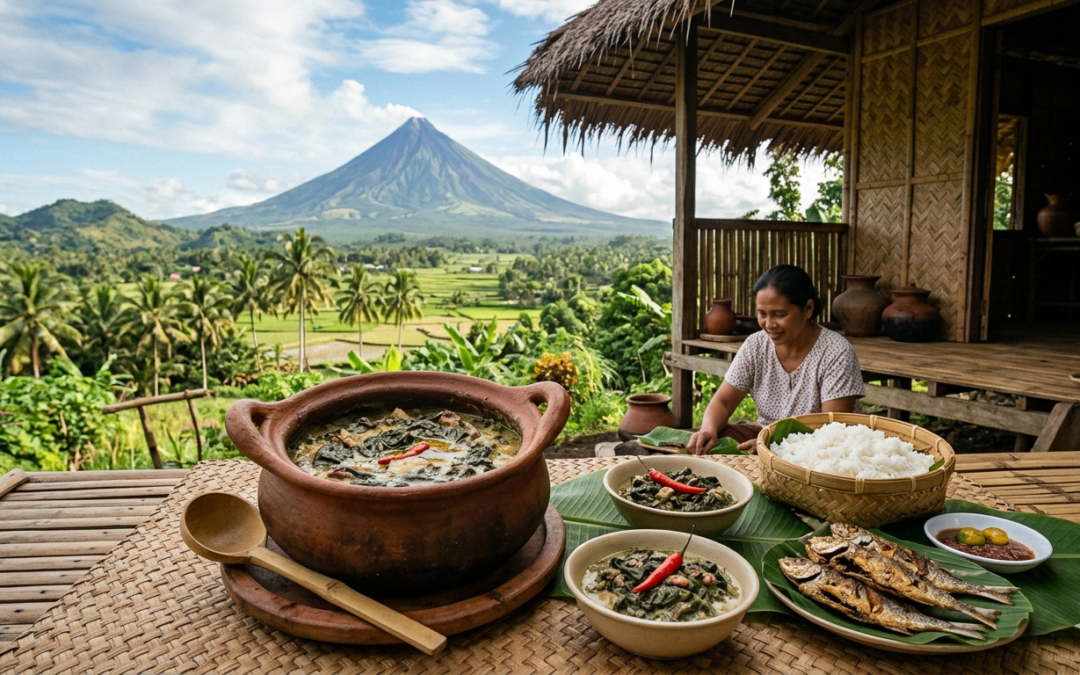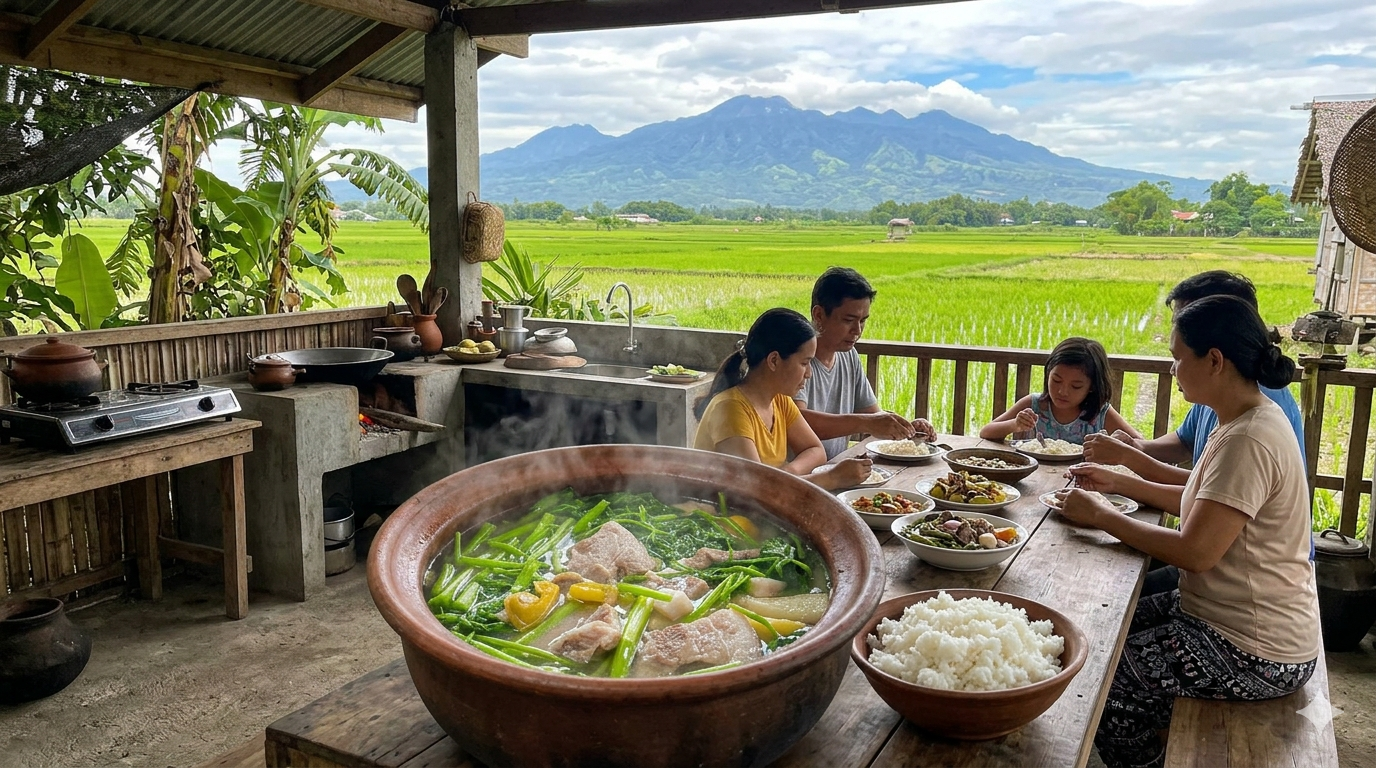
Bulanglang Kapampangan: An Educational Overview of a Traditional Vegetable Dish
A neutral look at ingredients, preparation, and nutritional components
This article provides an informational overview of Bulanglang Kapampangan, a traditional vegetable-based dish from Pampanga. It explains typical ingredients, preparation methods, and general nutritional components within the context of Philippine food practices. The discussion aligns with basic food and nutrition awareness principles recognized by institutions such as the Department of Health (DOH) and the Food and Drug Administration (FDA Philippines).
What Is Bulanglang Kapampangan?
Bulanglang Kapampangan is a vegetable soup dish commonly prepared using a variety of locally available vegetables. It is known for its light broth and simple cooking method, which typically involves boiling or simmering ingredients until tender.
The dish is often compared to other Filipino vegetable soups but may differ in ingredient combinations and regional preparation styles.
Common Ingredients
Ingredients may vary depending on availability, but commonly include:
- Leafy vegetables (e.g., malunggay leaves, spinach, or native greens)
- Fruiting vegetables (e.g., eggplant, squash, okra)
- Root crops (optional, depending on variation)
- Fish or fermented seafood (such as dried fish or shrimp paste in some versions)
- Water or light broth base
The combination reflects a mix of plant-based components with occasional protein sources.
Preparation Method (General Overview)
A typical preparation process may involve:
- Boiling water or broth
- Adding vegetables in stages based on cooking time
- Incorporating flavoring ingredients such as fish or fermented condiments
- Simmering until all components are cooked
Cooking methods are generally simple and use minimal oil.
Nutritional Components (General Information)
As a vegetable-based dish, Bulanglang Kapampangan may contain:
- Dietary fiber from vegetables
- Vitamins and minerals depending on ingredient variety
- Water content, contributing to hydration
If fish or seafood is included, the dish may also contain protein and certain micronutrients.
Nutrient content varies depending on portion size and specific ingredients used.
Role in Meal Planning (Illustrative Context)
In general dietary planning, vegetable soups like Bulanglang may be included as part of a meal to contribute to overall food variety. It is often served alongside staple foods such as rice in Filipino meals.
This example is illustrative and not prescriptive.
Context
In nutrition science discussions, vegetable-based dishes are often described as sources of micronutrients and dietary fiber, depending on preparation and ingredients. Under Philippine food safety and labeling standards, fresh and cooked foods should be handled and prepared following proper hygiene practices.
Dietary needs differ among individuals based on factors such as age, activity level, and health status. For personalized dietary planning, consultation with qualified nutrition professionals is recommended.
FAQs
What is Bulanglang Kapampangan?
It is a traditional vegetable soup dish from Pampanga made with a variety of local vegetables and sometimes fish or fermented ingredients.
What nutrients are found in vegetable soups?
Vegetable soups may contain vitamins, minerals, and dietary fiber, depending on the ingredients used.
How is Bulanglang typically prepared?
It is usually prepared by boiling vegetables in water or broth and adding flavoring ingredients before simmering until cooked.
Trusted Sources
- Department of Health (Philippines) – Nutrition guidelines and food safety advisories
- Food and Drug Administration (Philippines) – Food safety and labeling resources
- Food and Agriculture Organization (FAO) – Nutrition and traditional diets
- Peer-reviewed journals on food science and dietary patterns
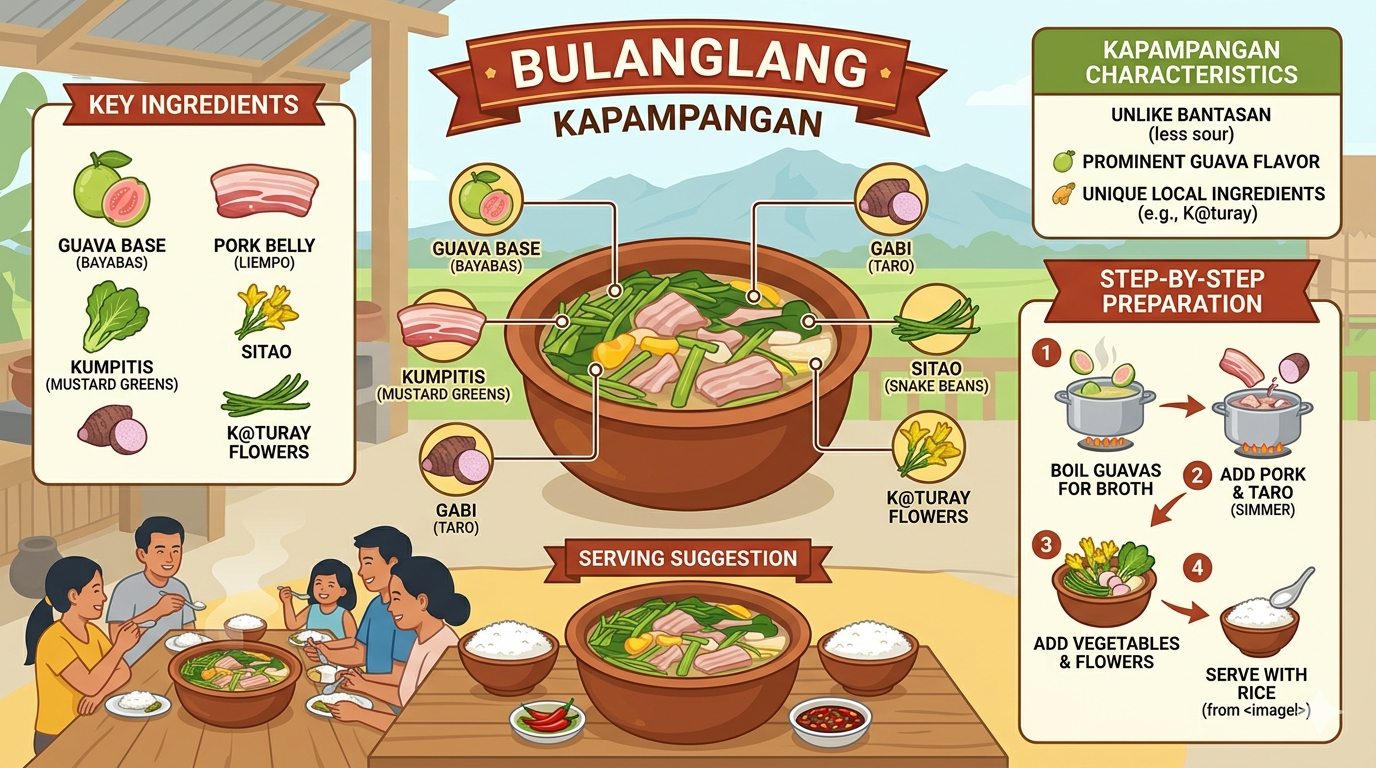
Ingredient and preparation layout for Bulanglang Kapampangan
Disclaimer
This article is for general informational and educational purposes only. It does not constitute professional medical, nutrition, or dietary advice. References to diets, foods, or supplements do not imply endorsement or guarantee of health outcomes. Readers are encouraged to consult licensed nutritionists, dietitians, or medical professionals for personalized guidance.