Bulalo: A Nutritional Overview of a Traditional Filipino Dish
An educational look at its ingredients, nutrient components, and role in meal planning.
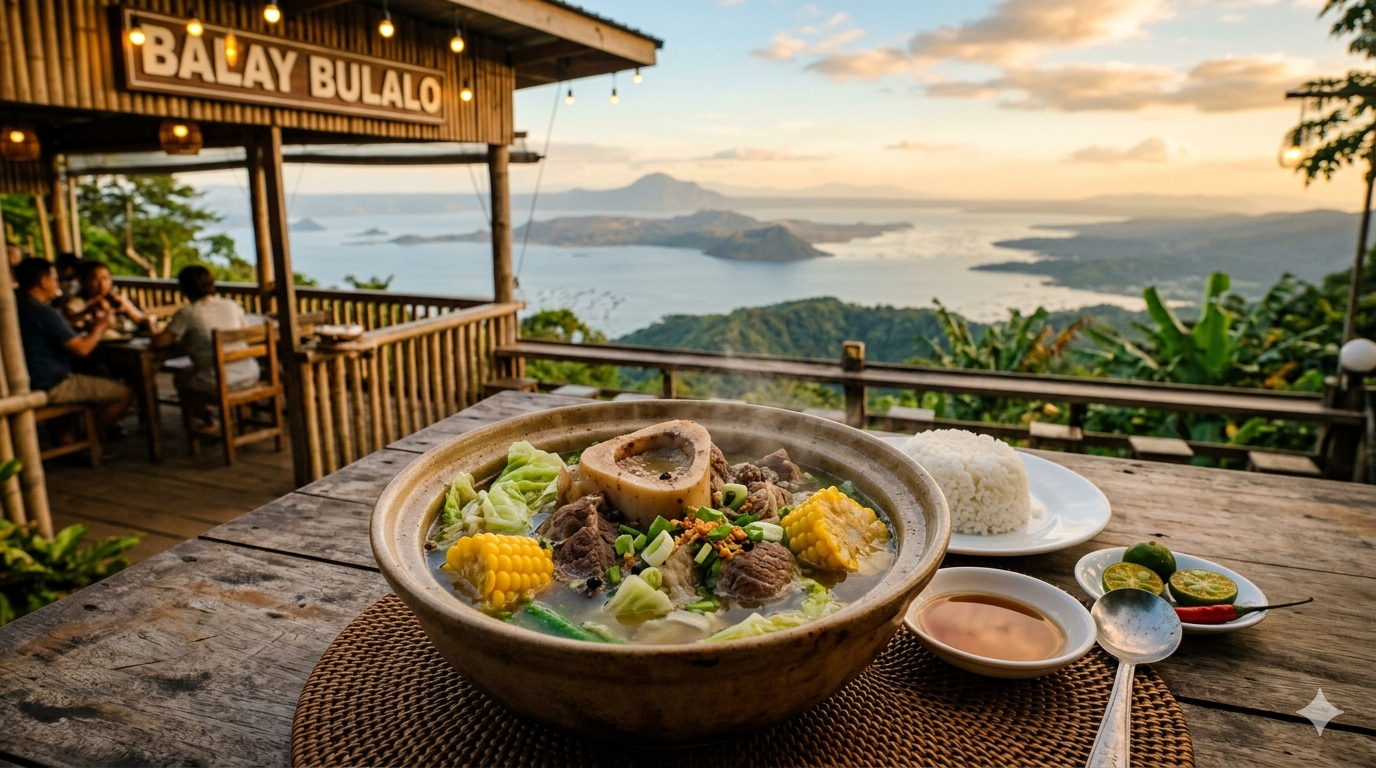
Bulalo is a traditional Filipino soup commonly prepared using beef shanks and bone marrow, simmered for an extended period to extract flavor. It is widely recognized in local cuisine and is often served as part of shared meals. This article provides a neutral, educational overview of bulalo’s nutritional components, typical ingredients, and considerations within a balanced diet, consistent with general guidance from Philippine food and nutrition authorities such as the Department of Health (DOH) and Food and Drug Administration (FDA).
Typical Ingredients of Bulalo
Bulalo recipes may vary by region and household, but commonly include:
- Beef shank with bone marrow
- Cabbage
- Corn
- Potatoes
- Green beans (optional)
- Onions and spices
The dish is usually cooked by slow simmering, which helps extract nutrients and flavor from the bones and meat.
Macronutrient Composition
Bulalo contains a mix of macronutrients:
- Protein: Derived from beef, contributing to tissue maintenance
- Fat: Includes fat from beef and bone marrow
- Carbohydrates: Present in vegetables such as corn and potatoes
The proportion of these nutrients depends on portion size and preparation method.
Micronutrients and Other Components
Bulalo may provide:
- Iron and zinc from beef
- Vitamin C and fiber from vegetables like cabbage
- Electrolytes from broth and added seasonings
Bone marrow contributes fats and small amounts of fat-soluble nutrients.
Sodium and Fat Considerations
Some preparations of bulalo may include added salt, fish sauce, or seasoning cubes, which can increase sodium content. The broth may also contain visible fat from marrow and meat.
General nutrition guidance often considers:
- Moderation in sodium intake
- Awareness of fat content in broths
Adjustments such as skimming excess fat or modifying seasoning may change the nutritional profile.
Role in Meal Planning
Bulalo can be part of a varied meal when combined with other food groups. A hypothetical serving context:
- Small portion of bulalo (meat, broth, vegetables)
- Steamed rice (grain source)
- Additional vegetables on the side
This illustrates food group inclusion without implying specific dietary outcomes.
Context
In nutrition science, mixed dishes like bulalo are evaluated based on their ingredient composition and preparation methods. Slow-cooked soups can provide a combination of macronutrients and micronutrients depending on included ingredients.
Under Philippine food safety and labeling standards, fresh dishes prepared at home or in restaurants are not required to carry nutrition labels. Therefore, awareness of ingredients and cooking methods becomes important for understanding nutrient intake.
Dietary responses vary among individuals. For personalized dietary planning, consultation with licensed nutrition or medical professionals may be appropriate.
FAQs
What type of dish is bulalo?
Bulalo is a Filipino beef soup made from shank cuts and bone marrow, typically simmered with vegetables.
Does bulalo contain protein?
Yes, the beef used in bulalo provides protein, along with fats and other nutrients.
Can bulalo be included in a balanced diet?
It may be included as part of a varied diet depending on portion size, preparation, and overall dietary pattern.
Trusted Sources
- Department of Health (DOH) Philippines
- Food and Drug Administration (FDA) Philippines
- Food and Nutrition Research Institute (FNRI-DOST)
- World Health Organization (WHO) Nutrition Resources
- Peer-reviewed nutrition and food science journals
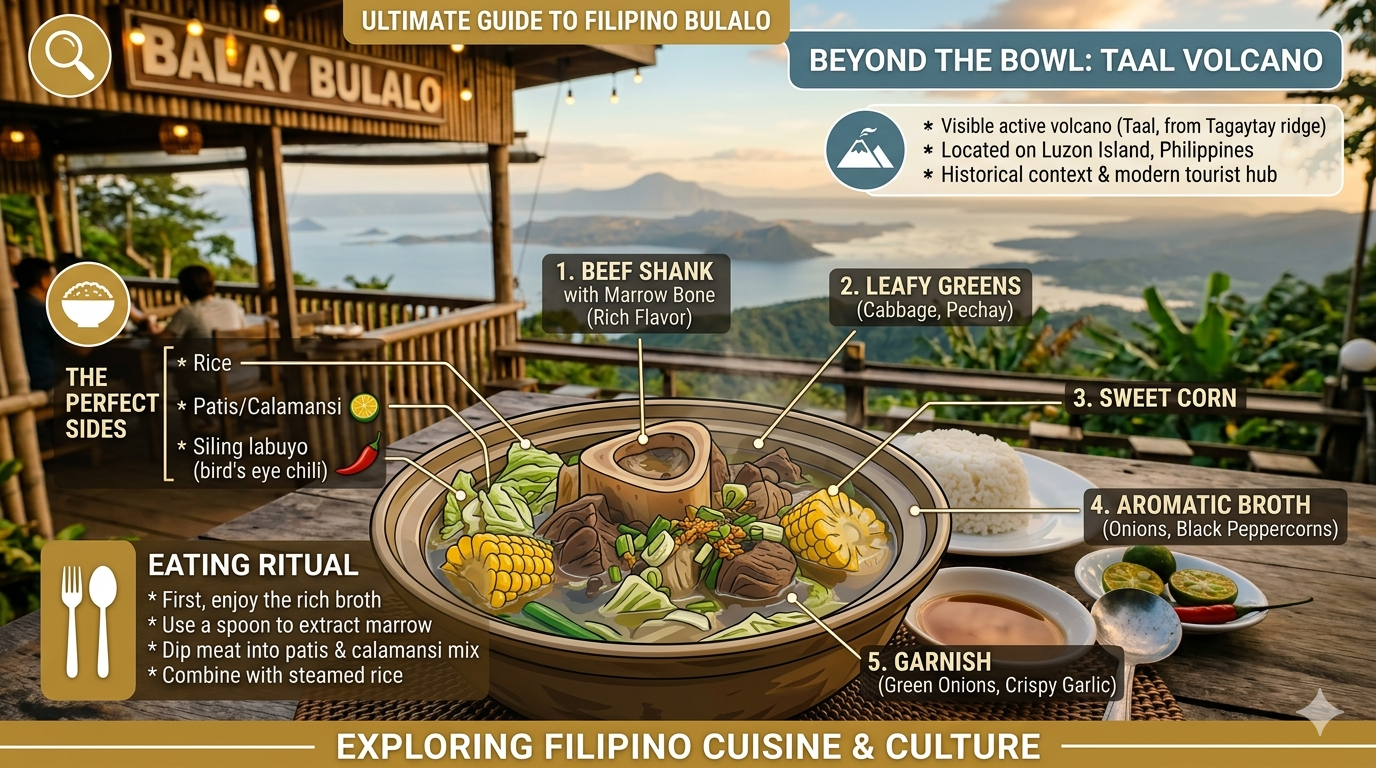
Visual layout of common ingredients found in bulalo
Disclaimer
This article is for general informational and educational purposes only. It does not constitute professional medical, nutrition, or dietary advice. References to foods or dietary practices do not imply endorsement or guarantee of health outcomes. Readers are encouraged to consult licensed nutritionists, dietitians, or medical professionals for personalized guidance.