Ikat (Local Kakanin): An Educational Overview of a Traditional Rice-Based Food
Understanding Its Ingredients, Preparation, and Nutritional Context
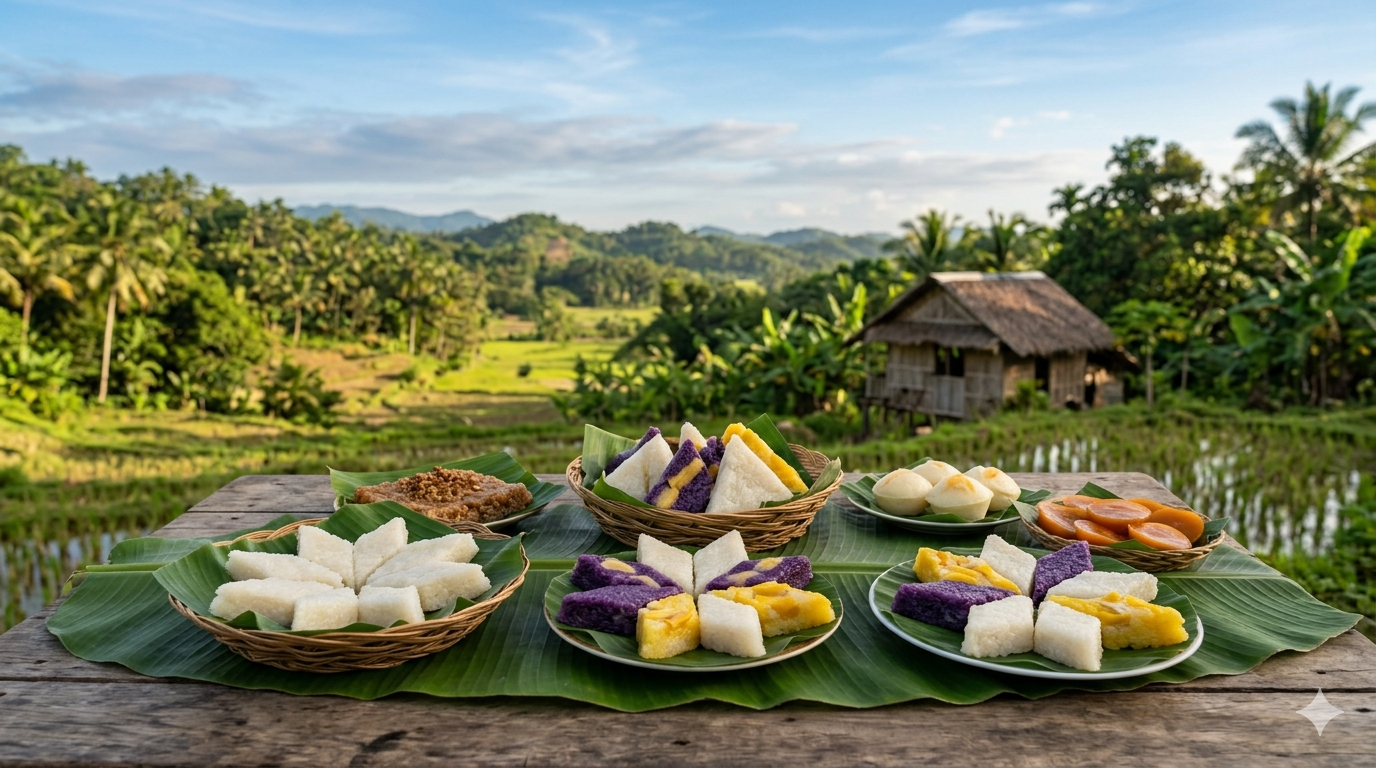
“Ikat” is a term that may be used in some local contexts to refer to a type of kakanin, or traditional Filipino rice-based food. Kakanin are commonly prepared using glutinous rice, coconut milk, and sweeteners. This article provides a neutral overview of ikat within the broader category of Filipino kakanin, focusing on ingredients, preparation methods, and general nutritional considerations.
What Is Ikat?
Ikat is associated with traditional Filipino rice delicacies often prepared for gatherings, local markets, or household consumption. Like many kakanin, it is typically made using:
- Glutinous rice or rice flour
- Coconut milk (gata)
- Sugar or other sweeteners
Preparation methods may vary depending on the region or household practice. Some versions are steamed, while others are cooked in coconut milk until thickened.
Ingredients and Food Composition
Core Components
- Glutinous Rice: Provides carbohydrates, which serve as a primary energy source in many diets
- Coconut Milk: Contains fats and contributes to texture and flavor
- Sugar: Adds sweetness and increases energy content
Optional Additions
- Grated coconut
- Banana leaves (used as wrapping or lining)
- Local flavorings depending on regional practices
Nutritional Context
As a rice-based food, ikat is generally considered an energy-dense item due to its carbohydrate and fat content. Its nutritional profile depends on ingredient proportions and preparation methods.
- Carbohydrates: Main contributor to total calories
- Fats: Derived from coconut milk
- Sugars: Vary depending on added sweeteners
Portion size and frequency of consumption are common considerations in dietary planning.
Food Safety and Preparation Considerations
Under Philippine food safety guidelines, including those supported by the Department of Health (DOH) and the Food and Drug Administration (FDA Philippines), safe preparation practices include:
- Using clean water and properly handled ingredients
- Cooking at appropriate temperatures
- Storing cooked food properly to reduce spoilage risk
When sold commercially, kakanin products are expected to follow local government and FDA food handling and labeling standards.
Traditional Foods and Dietary Balance
In nutrition science discussions, traditional foods such as kakanin are recognized as part of cultural dietary patterns. They are often consumed alongside other food groups to create variety in meals.
Balanced dietary planning typically involves combining staple foods, protein sources, fruits, and vegetables. The role of kakanin, including ikat, depends on individual dietary preferences and overall food intake patterns.
FAQs
What is kakanin?
Kakanin refers to a group of traditional Filipino foods primarily made from rice, coconut, and sugar. They are often prepared for everyday consumption or special occasions.
Is ikat the same across all regions?
No. Preparation methods and ingredients may vary depending on local traditions and available ingredients.
How is kakanin typically served?
Kakanin is usually served as a snack, dessert, or part of meals during gatherings or daily consumption.
Trusted Sources
- Department of Health (Philippines) – Food safety and nutrition guidelines
- Food and Drug Administration (Philippines) – Food handling and labeling standards
- Philippine Food Composition Tables (FNRI-DOST)
- Academic research on Filipino traditional foods and dietary patterns
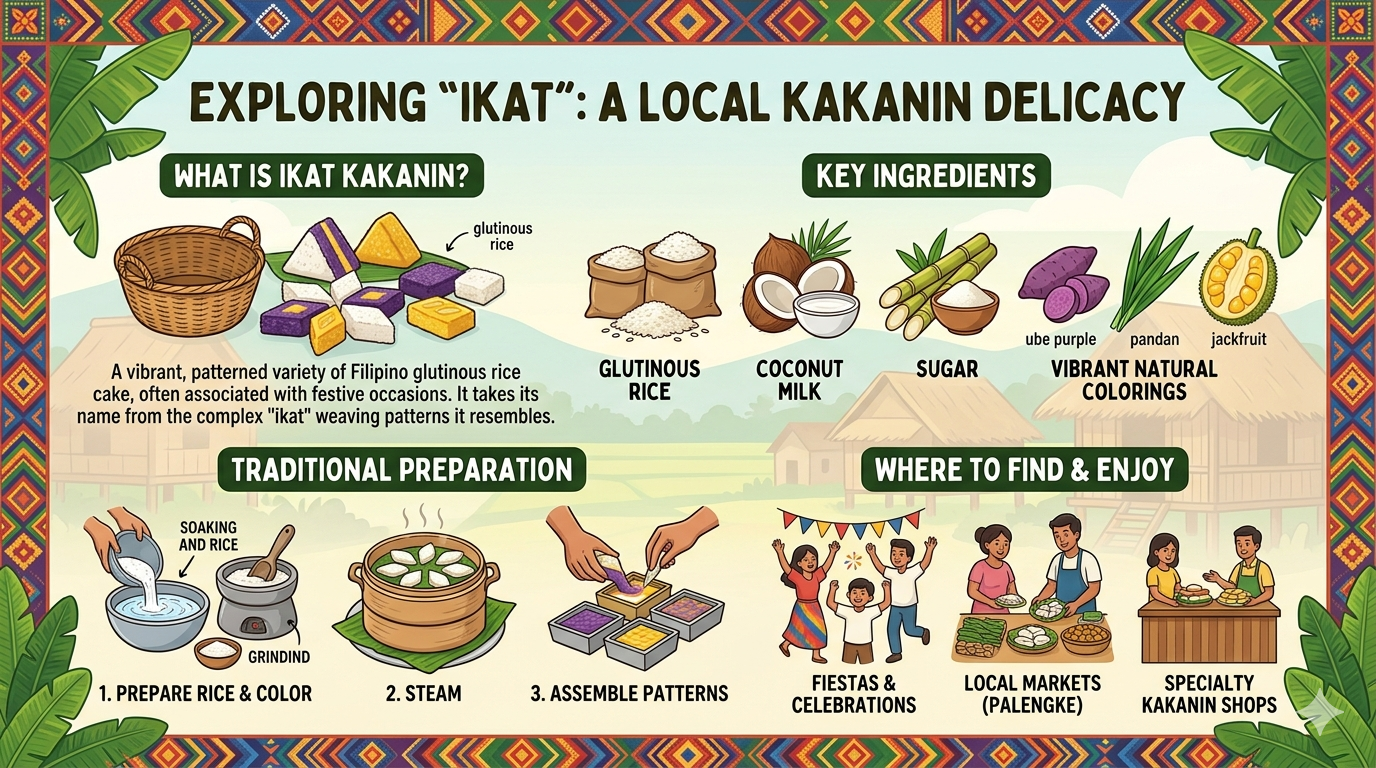
Visual layout of ingredients and preparation stages.
Disclaimer
This article is for general informational and educational purposes only. It does not constitute professional medical, nutrition, or dietary advice. References to foods or dietary practices do not imply endorsement or guarantee of health outcomes. Readers are encouraged to consult licensed nutritionists, dietitians, or medical professionals for personalized guidance.