Pancit Batil Patung: An Educational Overview of a Filipino Noodle Dish
A neutral look at its ingredients, nutritional components, and meal context
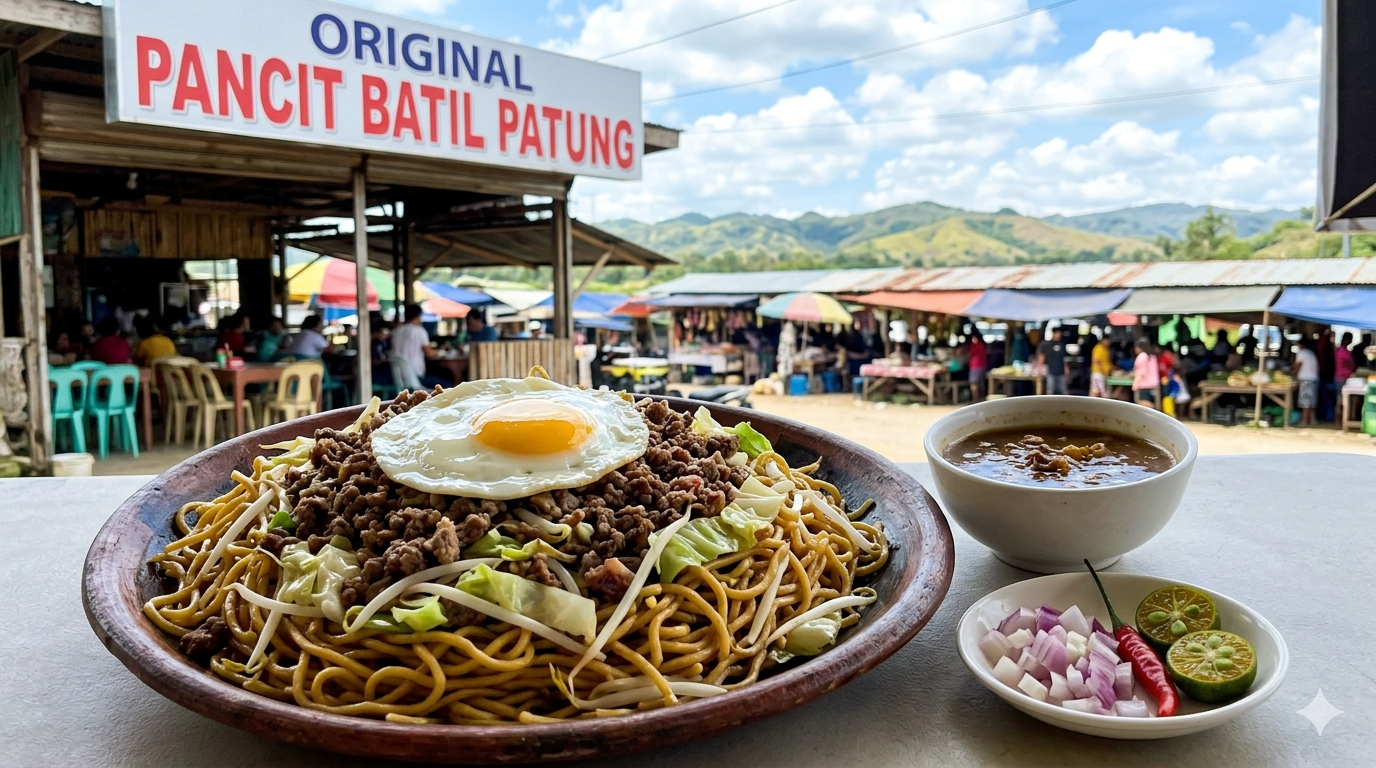
Pancit Batil Patung is a traditional noodle dish commonly associated with Tuguegarao City in the northern Philippines. It is known for its combination of egg noodles, meat toppings, and a distinctive sauce. This article provides an educational overview of its typical ingredients, nutritional components, and how it may fit into general dietary considerations, in line with guidance from the Department of Health Philippines and food labeling standards from the Food and Drug Administration Philippines.
Key Ingredients and Components
Pancit Batil Patung typically includes:
- Egg noodles: A source of carbohydrates
- Ground or shredded meat (commonly beef or carabao): Provides protein and fat
- Egg (often cooked as an omelet and placed on top): Adds protein and fat
- Vegetables (such as onions or bean sprouts): Contribute fiber and micronutrients
- Soy-based sauce or broth: Adds flavor and sodium
The term “batil patung” refers to the act of placing a beaten egg over the noodles.
Nutritional Components (General Overview)
This dish contains a mix of macronutrients:
- Carbohydrates from noodles, contributing to energy intake
- Protein from meat and eggs, associated with tissue maintenance
- Fats from cooking oil, meat, and eggs
- Sodium from sauces and seasonings
The exact nutritional values vary depending on preparation methods, portion sizes, and ingredient choices.
Role in a Balanced Diet
Traditional dishes like Pancit Batil Patung can be part of a varied eating pattern when considered alongside other food groups. In general dietary planning:
- Pairing with additional vegetables or fruits may increase fiber intake
- Portion size may influence overall nutrient intake
- Frequency of consumption can be adjusted based on individual dietary patterns
Balanced diets typically include a range of foods rather than relying on a single dish.
Food Safety and Consumer Awareness
Under Philippine food safety and consumer protection principles:
- Ingredients should be handled and cooked according to safe food preparation practices
- Packaged or commercially prepared versions should follow labeling standards regulated by the Department of Trade and Industry Philippines
- Consumers are encouraged to review ingredient information when available
Cultural and Dietary Considerations
In nutrition science and cultural studies, traditional foods are often valued for their cultural significance and culinary diversity. Dietary patterns vary widely among individuals, and no single dish defines overall nutrition quality.
For individualized dietary planning, licensed nutrition professionals may provide guidance based on specific needs and conditions.
FAQs
What is Pancit Batil Patung?
It is a Filipino noodle dish from Tuguegarao that typically includes egg noodles, meat, egg topping, and savory sauce.
What nutrients does it contain?
It generally provides carbohydrates, protein, fats, and varying amounts of sodium depending on preparation.
Can it be included in a balanced diet?
It may be included as part of a varied diet when combined with other food groups and appropriate portion considerations.
Trusted Sources
- Department of Health Philippines — General nutrition guidance
- Food and Drug Administration Philippines — Food safety and labeling
- Department of Trade and Industry Philippines — Consumer protection standards
- Academic and peer-reviewed nutrition and food science publications
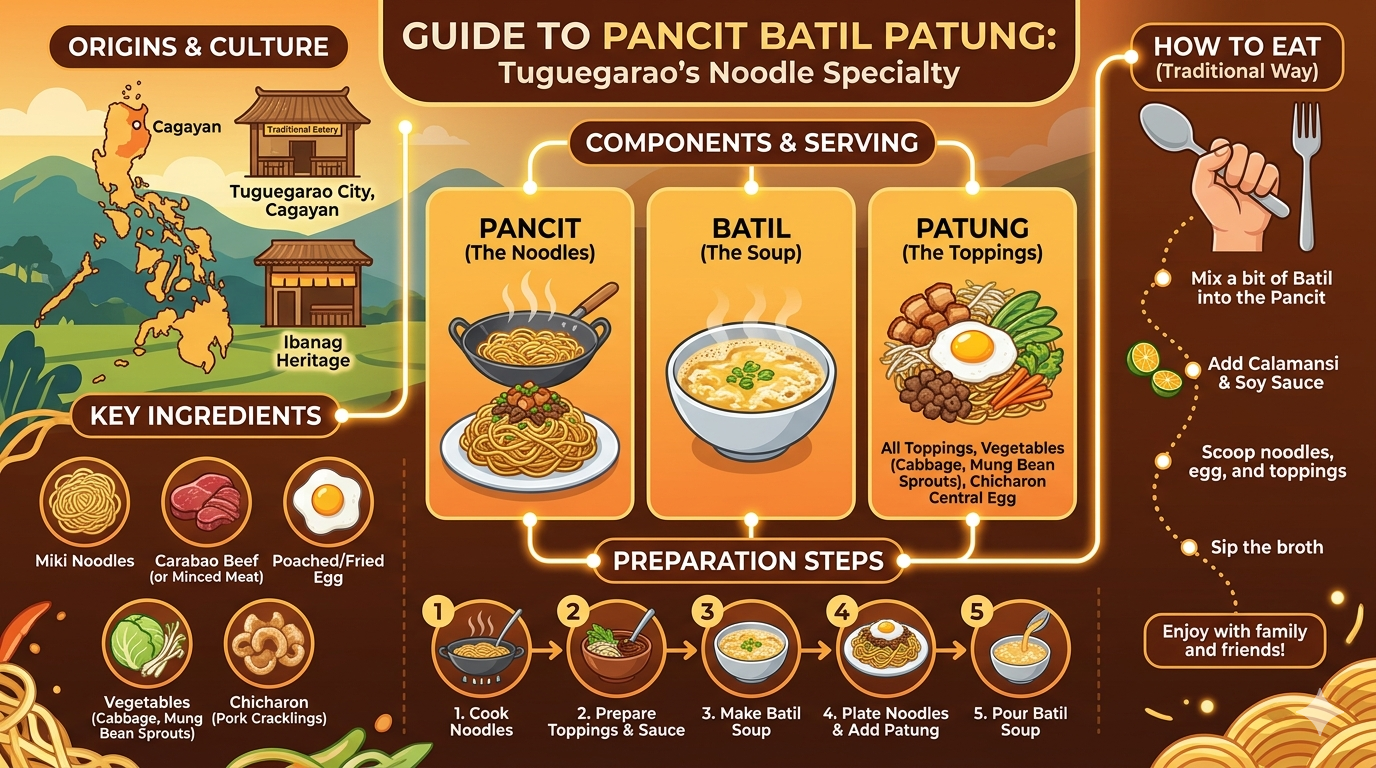
Visual breakdown of ingredients commonly found in Pancit Batil Patung.
Disclaimer
This article is for general informational and educational purposes only. It does not constitute professional medical, nutrition, or dietary advice. References to foods or dietary practices do not imply endorsement or guarantee of health outcomes. Readers are encouraged to consult licensed nutritionists, dietitians, or medical professionals for personalized guidance.