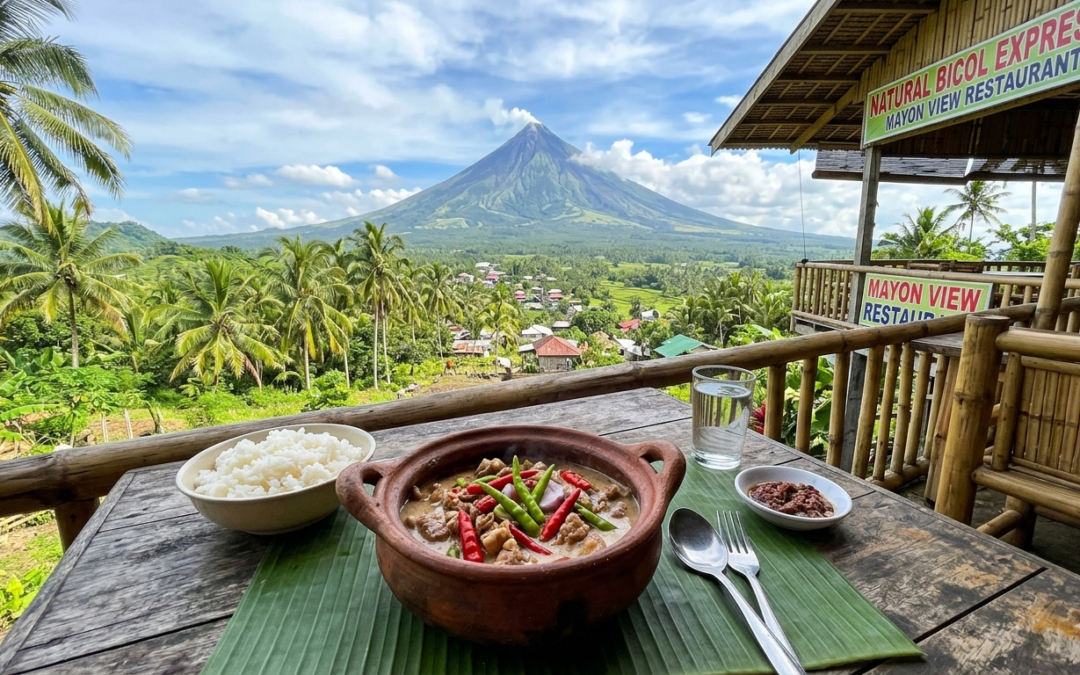
A neutral overview of nutritional properties, culinary uses, and safe consumption practices.
Wood Ear, also called Black Fungus, is an edible mushroom commonly used in Filipino and Asian cuisines. This article provides educational information on its general nutritional components, culinary applications, and safe handling practices, in line with Philippine food safety standards from the Department of Health (DOH) and Food and Drug Administration (FDA Philippines).
Scientific Name: Auricularia auricula-judae
Description
Wood Ear mushrooms have a dark, thin, and slightly rubbery texture with a mild, neutral flavor. They are often added to soups, stir-fries, and salads, primarily for texture rather than taste.
Nutritional Profile
- Dietary Fiber: Contains soluble fiber that may support digestive health.
- Minerals: Provides trace amounts of iron, potassium, and other micronutrients.
- Low Calorie: Low in calories and fat, making it a neutral addition to a balanced meal.
Culinary Uses
- Dried mushrooms are usually soaked in water before cooking to rehydrate.
- Can be added to soups, vegetable stir-fries, and salads.
- Typically cooked briefly to retain texture and ensure food safety.
Food Safety Considerations
- Purchase from reputable suppliers or wet markets.
- Rinse thoroughly and inspect for spoilage before cooking.
- Cook until fully softened; avoid consuming dried mushrooms raw.
- Store dried mushrooms in a cool, dry place; refrigerate fresh mushrooms and consume promptly.
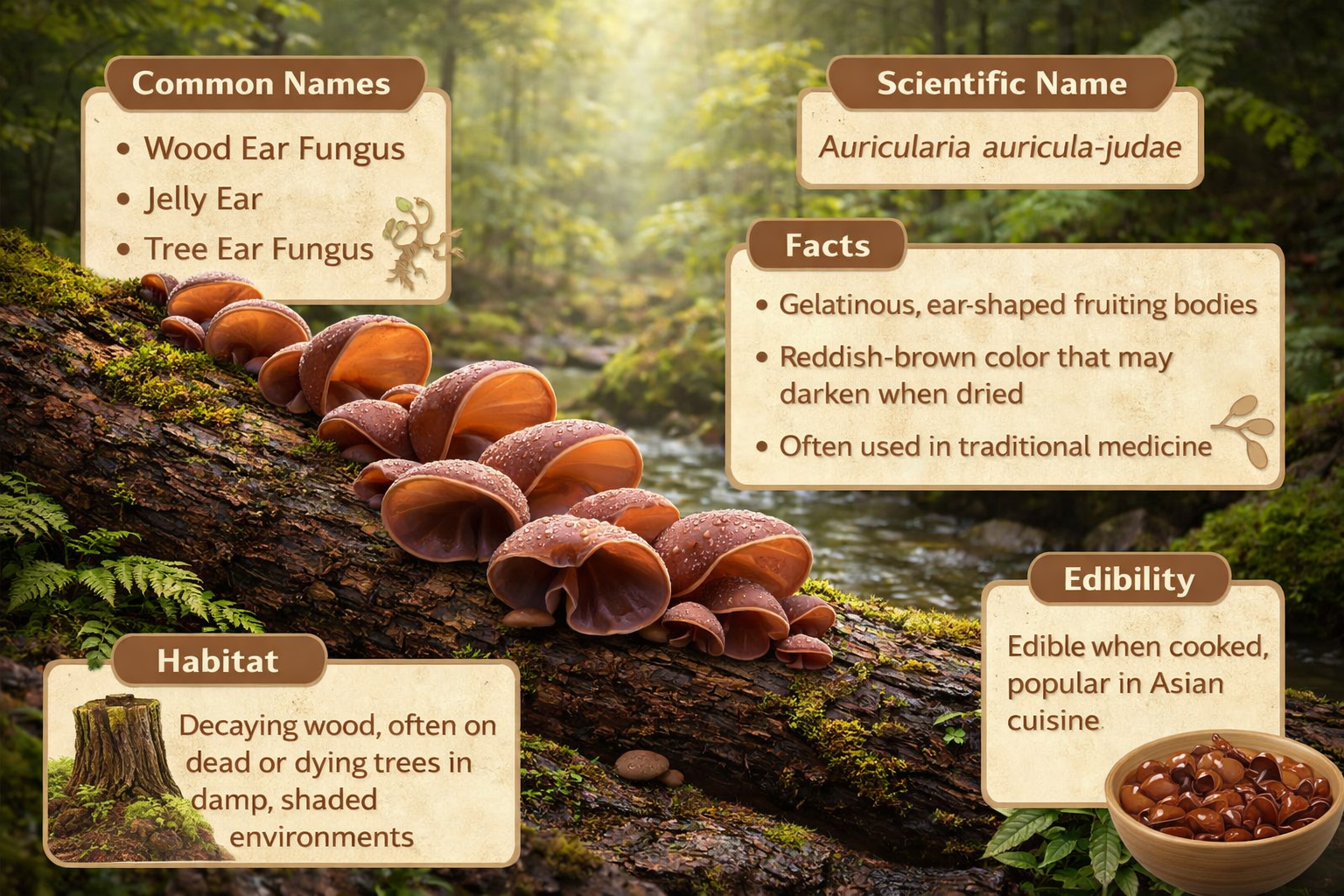
Visual guide to Wood Ear mushrooms and general characteristics.
Context
In nutrition science, mushrooms like Wood Ear are valued for fiber and trace minerals. They complement a balanced diet but are not a primary nutrient source. Dietary effects vary individually, and consultation with licensed nutritionists or dietitians is recommended for personalized guidance.
FAQs
What is Wood Ear / Black Fungus?
An edible mushroom with dark color and rubbery texture, commonly used in soups and stir-fries.
What nutrients does it provide?
Soluble fiber and trace minerals such as iron and potassium.
How should it be prepared safely?
Rinse thoroughly, soak if dried, cook until softened, and store properly.
Trusted Sources
- Department of Health (DOH) Philippines – Food Safety Guidelines
- FDA Philippines – Edible Mushroom References
- Academic journals on food science and nutrition
Disclaimer
This article is for general informational and educational purposes only. It does not constitute professional medical, nutrition, or dietary advice. References to mushrooms do not imply endorsement or guarantee of health outcomes. Readers are encouraged to consult licensed nutritionists, dietitians, or medical professionals for personalized guidance.