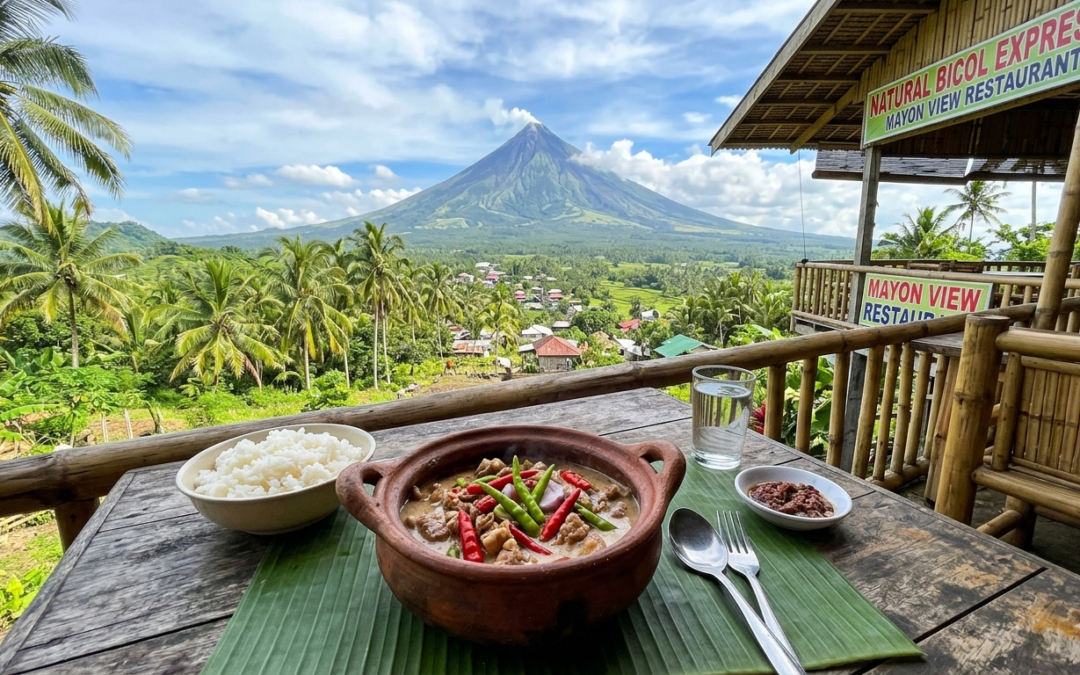
A neutral overview of nutrition, culinary uses, and availability in the Philippines.
Oyster mushrooms, scientifically known as Pleurotus ostreatus, are edible fungi recognized for their fan-shaped appearance and soft texture. They have a mild, slightly sweet taste and are commonly used in a variety of cooked dishes. In the Philippines, oyster mushrooms are widely cultivated and are available in both fresh and dried forms in local markets. This article provides educational information on their nutritional composition, culinary applications, and safe handling practices, in line with general guidance from the Department of Health (DOH) and the Food and Drug Administration (FDA Philippines).
Nutritional Profile
Oyster mushrooms are low in calories and contain a combination of macronutrients, including small amounts of protein and carbohydrates, along with dietary fiber. They also provide micronutrients such as B vitamins, potassium, and other trace minerals. These characteristics make them a commonly included ingredient in balanced meal planning for dietary variety.
Culinary Uses
Oyster mushrooms are used in a wide range of dishes due to their soft texture and adaptable flavor. Common uses include:
- Stir-frying with vegetables or plant-based dishes
- Adding to soups and broths
- Incorporating into sautéed or mixed dishes
They are typically cooked before consumption, which can enhance texture and flavor.
Food Safety Considerations
Based on general food safety practices under FDA and LGU guidance:
- Fresh oyster mushrooms should be cleaned gently to remove debris
- Dried mushrooms should be soaked and rinsed before cooking
- Proper cooking is commonly practiced prior to consumption
- Storage in cool, clean conditions helps maintain freshness and reduce spoilage risk
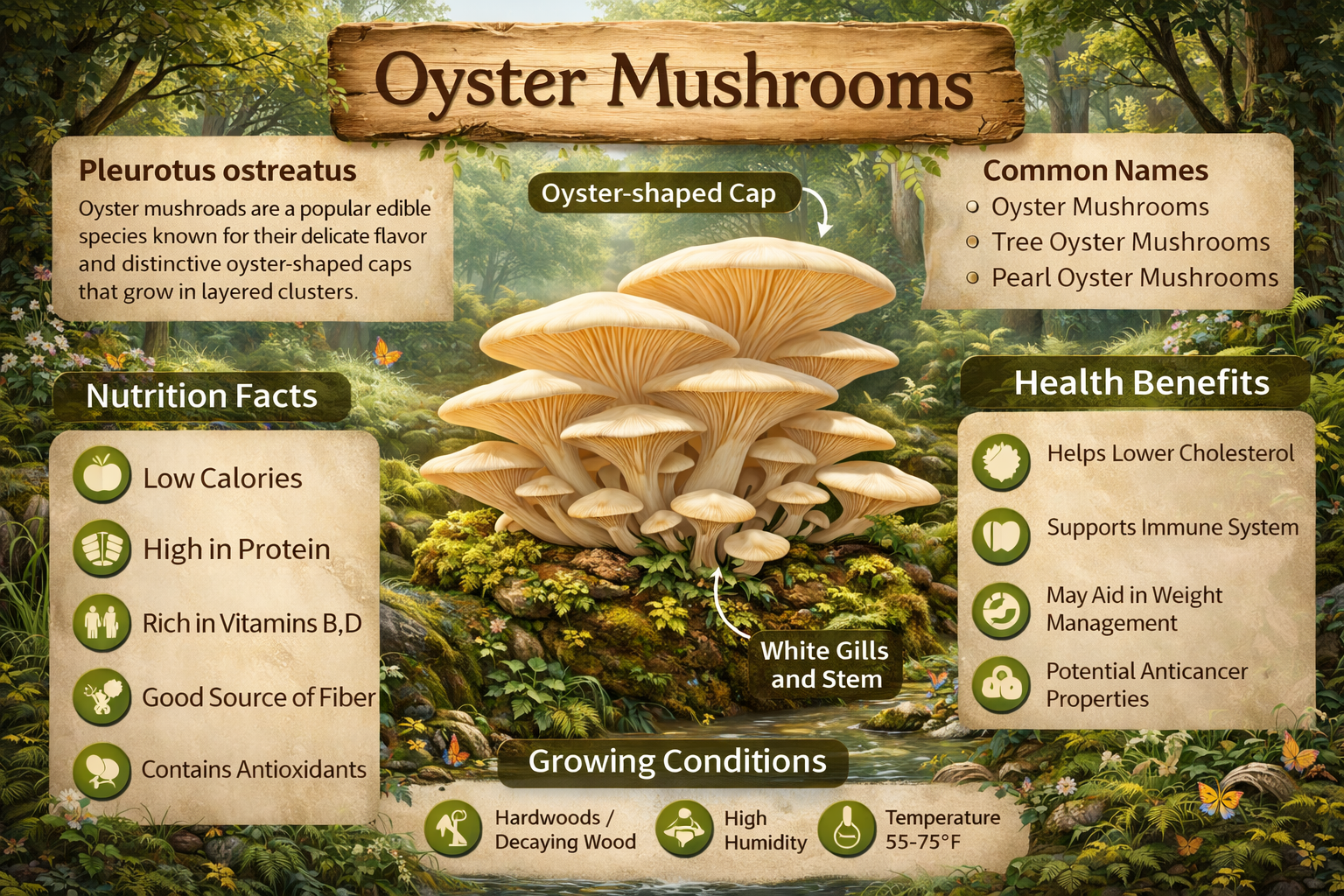
Visual guide to oyster mushroom varieties and characteristics.
Context
In nutrition science discussions, oyster mushrooms are described as nutrient-dense foods that can contribute to dietary diversity. Meal planning typically involves combining mushrooms with other food groups such as vegetables, grains, and protein sources to support balanced nutrient intake. Individual dietary needs and responses may vary, and consultation with licensed nutrition or medical professionals is recommended for personalized guidance.
FAQs
What nutrients are found in oyster mushrooms?
Oyster mushrooms contain dietary fiber, B vitamins, potassium, and small amounts of protein and carbohydrates.
How are oyster mushrooms commonly prepared?
They are typically cooked in stir-fries, soups, and sautéed dishes.
Are oyster mushrooms widely available in the Philippines?
Yes, they are widely farmed locally and sold fresh or dried in many markets.
Trusted Sources
- Department of Health (DOH) Philippines – General Food Safety Guidance
- FDA Philippines – Food Handling and Storage References
- Peer-reviewed food science and nutrition journals
Disclaimer
This article is for general informational and educational purposes only. It does not constitute professional medical, nutrition, or dietary advice. References to foods do not imply endorsement or guarantee of health outcomes. Readers are encouraged to consult licensed nutritionists, dietitians, or medical professionals for personalized guidance.