A neutral overview of nutrition, culinary uses, and availability in the Philippines.
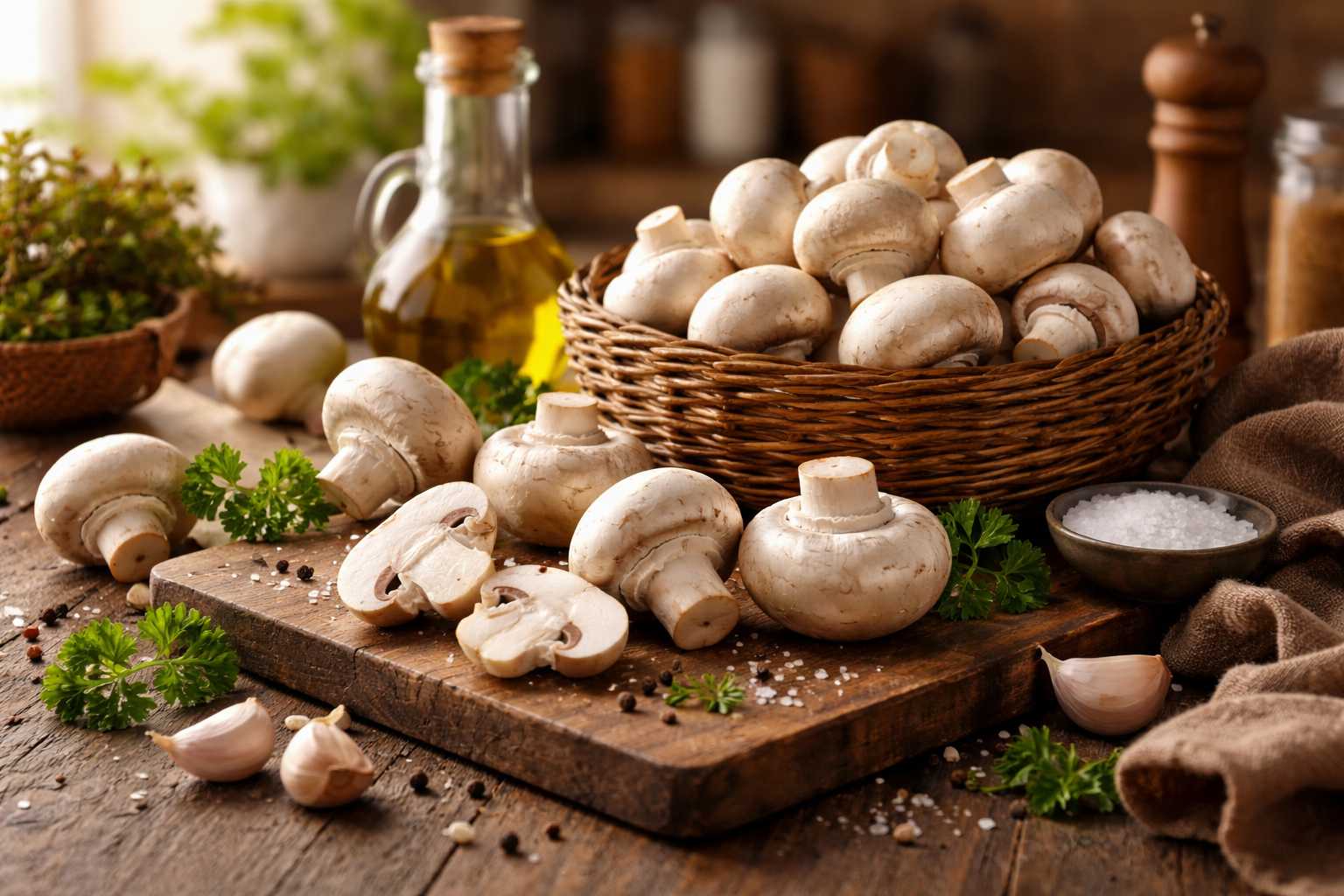
Button mushrooms, scientifically known as Agaricus bisporus, are small, white mushrooms with a mild flavor. They are commonly used in soups, stir-fries, and salads. These mushrooms are widely available in Philippine supermarkets and wet markets. This article provides educational information about their nutritional profile, culinary uses, and safe consumption considerations under local DOH and FDA guidelines.
Nutritional Profile
Button mushrooms are low in calories and provide a moderate source of protein and dietary fiber. They contain various vitamins and minerals, including B vitamins, selenium, and potassium, which contribute to overall dietary balance. While they contain small amounts of carbohydrates, they are generally considered nutrient-dense rather than energy-dense.
Culinary Uses
Button mushrooms are versatile and can be included in a variety of dishes. Common preparations include:
- Adding to soups or broths
- Stir-frying with vegetables
- Incorporating raw in salads
Food Safety Considerations
Under FDA and LGU food safety standards, mushrooms should be:
- Rinsed thoroughly before cooking or consumption
- Stored at appropriate refrigeration temperatures
- Cooked adequately when included in hot dishes to ensure food safety
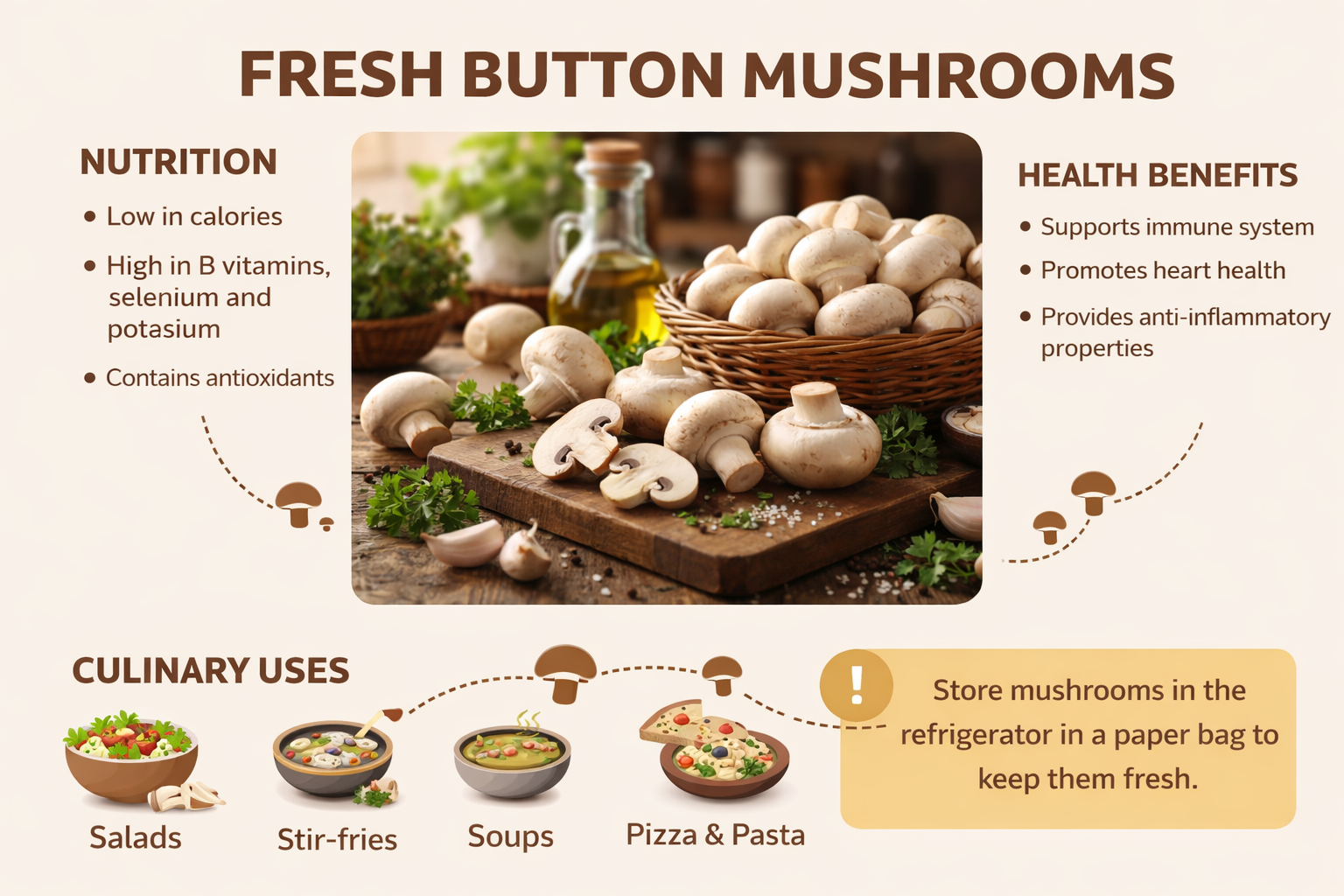
Visual guide to button mushroom types and uses.
Context
In nutrition science studies, mushrooms are recognized as a low-calorie food that can contribute to dietary variety and nutrient balance. Dietary planning with mushrooms typically involves considering portion sizes and integrating them with other vegetables and protein sources. Individual nutritional results may vary, and readers are encouraged to consult licensed nutritionists for personalized guidance.
FAQs
What are the main nutrients in button mushrooms?
Button mushrooms contain protein, dietary fiber, B vitamins, selenium, and potassium.
Can button mushrooms be eaten raw?
Yes, they can be consumed raw in salads, but should be washed thoroughly to remove contaminants.
How are button mushrooms commonly used in meals?
They are used in soups, stir-fries, and as toppings for salads and cooked dishes.
Trusted Sources
- Department of Health (DOH) Philippines – Food Safety Guidelines
- FDA Philippines – Mushroom Handling and Storage Advisories
- Academic journals on food science and nutrition
Disclaimer
This article is for general informational and educational purposes only. It does not constitute professional medical, nutrition, or dietary advice. References to foods do not imply endorsement or guarantee of health outcomes. Readers are encouraged to consult licensed nutritionists, dietitians, or medical professionals for personalized guidance.