Understanding Ubi Kinampay: A Traditional Purple Yam Variety from the Philippines
A neutral overview of the characteristics, culinary uses, and nutritional context of a heritage purple yam variety.
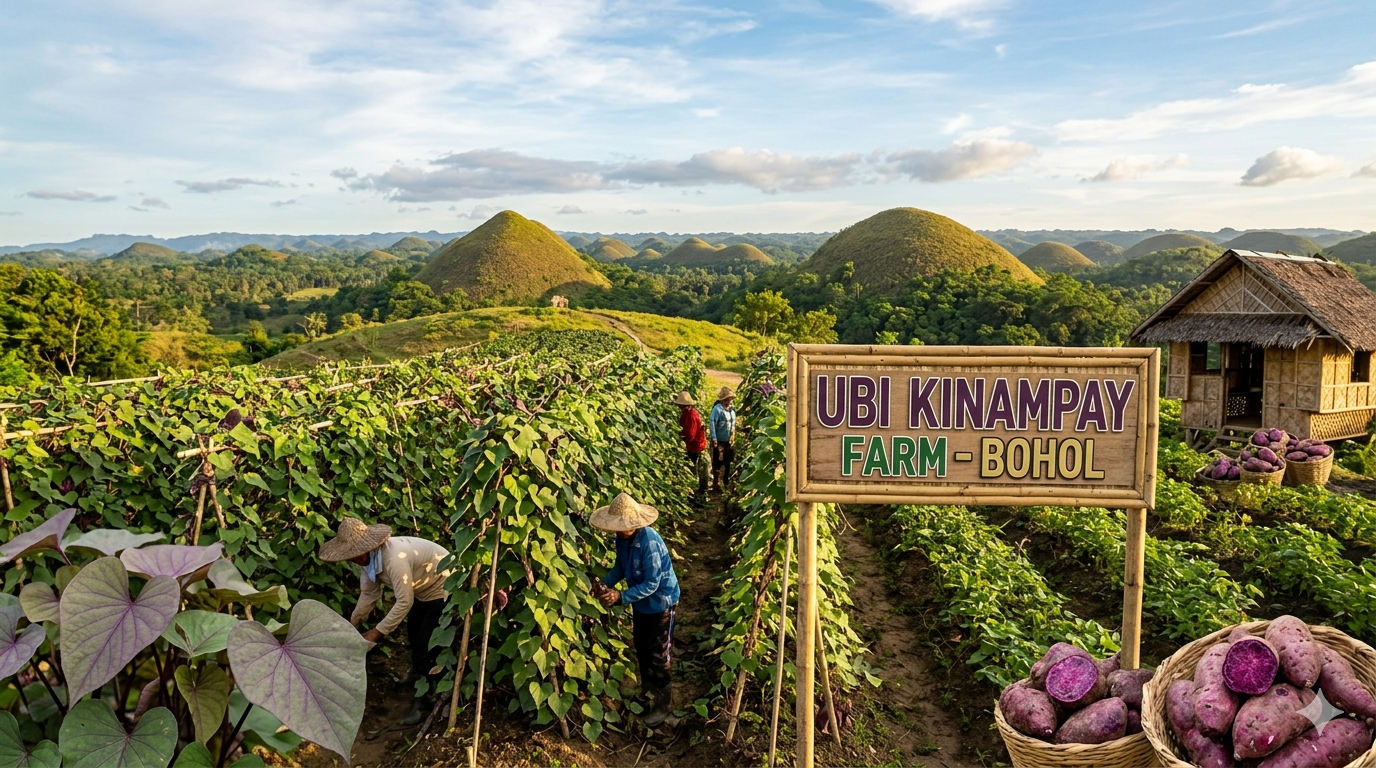
Ubi Kinampay is a traditional variety of purple yam grown in parts of the Philippines, particularly associated with agricultural communities in Bohol. The tuber is known for its naturally deep purple color and is commonly used in local dishes and desserts. This article provides an educational overview of the crop, including its botanical background, typical culinary uses, and basic nutritional context, within the framework of Philippine food and consumer safety standards.
Botanical Background
Ubi Kinampay belongs to the same species as Ube, scientifically known as Dioscorea alata. Yams in this species are root crops cultivated in tropical regions and are valued for their starch content.
Kinampay is often identified by several characteristics:
- deep violet to purple flesh
- dense texture when cooked
- distinct aroma commonly associated with traditional ube products
Agricultural production of purple yam varieties in the Philippines forms part of small-scale farming systems and local food traditions.
Culinary Uses
In Philippine cuisine, Ubi Kinampay may be used in both traditional and modern dishes. Examples include:
- mashed or sweetened yam preparations
- fillings for pastries and breads
- ingredients in desserts such as halaya or ice cream
- flavoring and coloring for baked goods
These applications primarily use the tuber after boiling, steaming, or baking to soften the starch-rich flesh.
Basic Nutritional Context
Purple yams, including Kinampay, contain macronutrients and micronutrients typically found in root crops. These may include:
- carbohydrates that contribute dietary energy
- small amounts of protein
- dietary fiber
- trace vitamins and minerals commonly present in plant foods
Like many purple plant foods, the tuber’s color is associated with naturally occurring plant pigments known as anthocyanins. Nutrition research often examines these pigments as part of broader food science studies.
Individual nutritional values vary depending on:
- growing conditions
- storage practices
- preparation methods
- portion size
Food composition data for root crops are typically compiled in national nutrition databases and agricultural research publications.
Food Handling and Consumer Awareness
Consumers purchasing root crops such as Ubi Kinampay may consider general food safety practices recommended by public health authorities:
- washing the outer skin before preparation
- cooking the tuber thoroughly before consumption
- storing raw yams in cool, dry environments
- purchasing food products from reputable food retailers
In the Philippines, packaged food products containing ube ingredients fall under labeling and safety guidance issued by agencies such as the Department of Health and the Food and Drug Administration Philippines.
Context
In nutrition science discussions, root crops like purple yam are typically examined as part of broader carbohydrate food groups within balanced dietary patterns. Nutritional planning often involves combining various food categories—such as grains, vegetables, fruits, and protein sources—to achieve nutrient balance.
Food labeling and product safety oversight in the Philippines are governed by consumer protection and food safety regulations, including guidance from government authorities responsible for food standards and public health.
Dietary needs and nutritional outcomes differ across individuals depending on age, health status, and lifestyle factors. For personalized dietary guidance, consultation with licensed nutrition or medical professionals is commonly recommended.
FAQs
What is Ubi Kinampay?
Ubi Kinampay is a variety of purple yam cultivated in the Philippines. It belongs to the species Dioscorea alata and is commonly used in traditional Filipino desserts and food preparations.
How is Ubi Kinampay different from regular ube?
The term “ube” refers broadly to purple yam varieties. Kinampay is one specific variety known for its deep purple flesh and strong aroma.
How is purple yam typically prepared?
Purple yams are usually boiled, steamed, or baked before being mashed or incorporated into desserts and other dishes.
Trusted Sources
- Department of Health (Philippines) – Nutrition and food guidance resources
- Food and Drug Administration Philippines – Food labeling and safety guidelines
- Food and Agriculture Organization (FAO) – Root crop and yam production references
- Philippine Department of Agriculture – Agricultural crop information
- Peer-reviewed food science and nutrition journals on Dioscorea alata
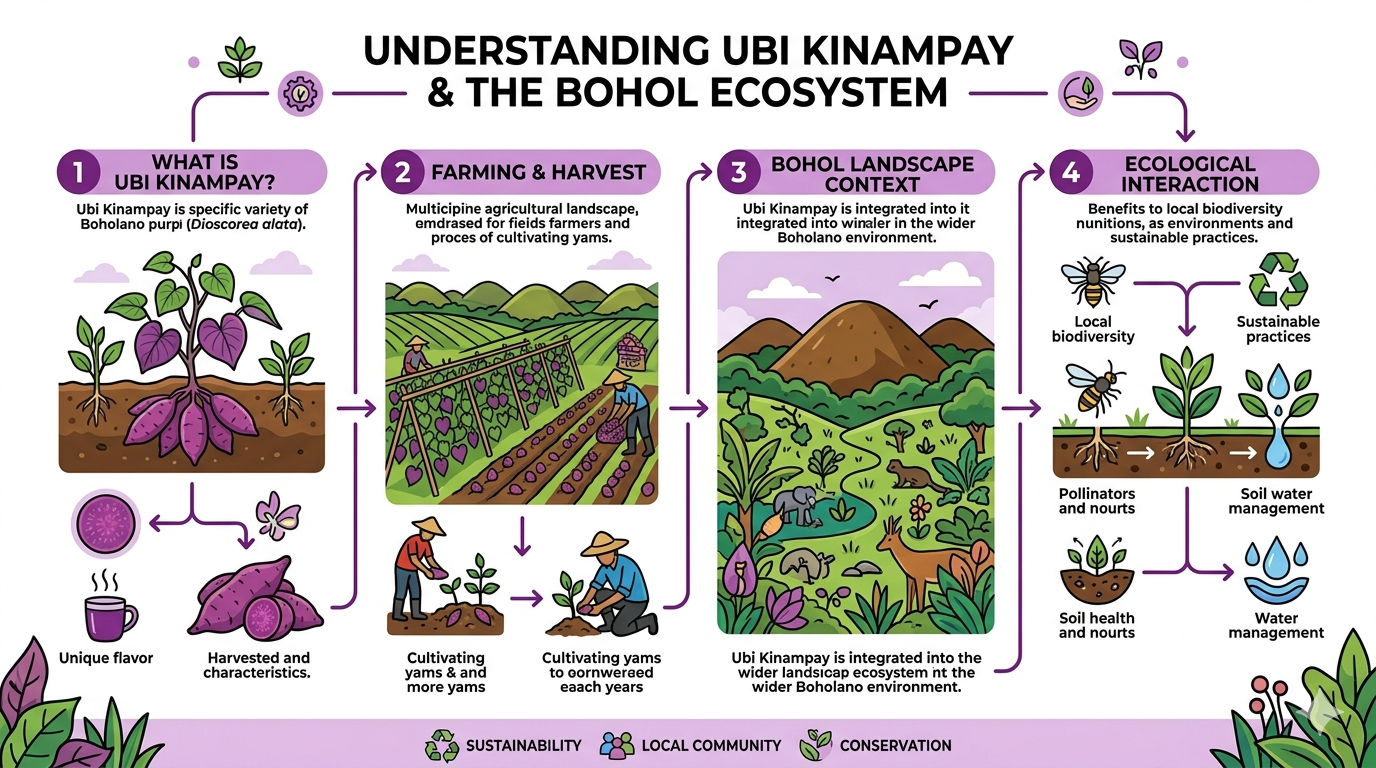
Visual summary of Ubi Kinampay features and uses
Disclaimer
This article is for general informational and educational purposes only. It does not constitute professional medical, nutrition, or dietary advice. References to diets, foods, or supplements do not imply endorsement or guarantee of health outcomes. Readers are encouraged to consult licensed nutritionists, dietitians, or medical professionals for personalized guidance.