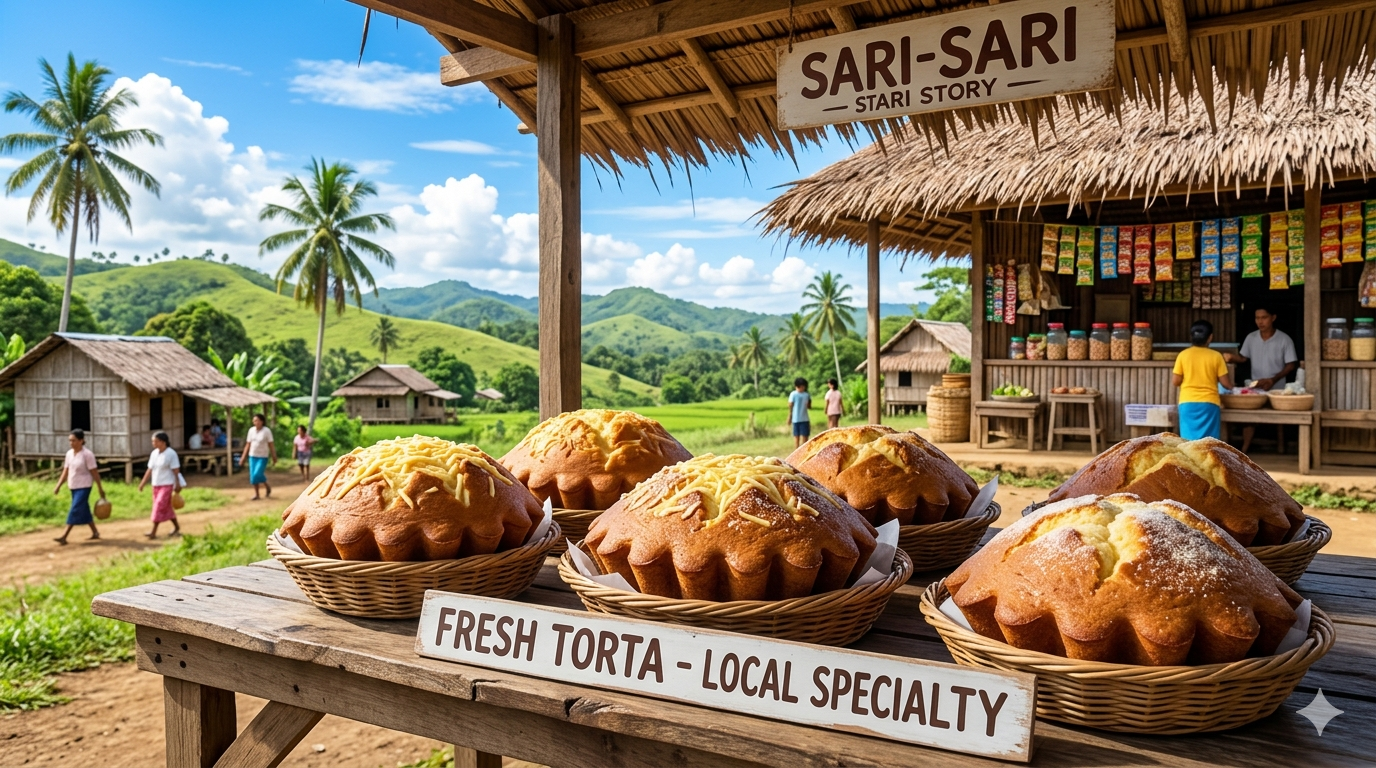
Understanding Torta: A Traditional Baked Food in Various Culinary Contexts
A neutral overview of torta as a baked food item, including general ingredients, preparation methods, and nutrition considerations.
Torta is a food item that appears in different culinary traditions and can refer to several types of baked or cooked dishes. In parts of the Philippines and in various international cuisines, the term may describe a small cake, a sweet bread, or an egg-based dish. This article provides a general educational overview of torta, including common ingredients, preparation styles, and basic nutrition considerations.
What Is Torta?
The term torta is used in several food traditions and may refer to different dishes depending on the region. In many Philippine communities, torta commonly refers to a small baked cake or sweet bread, often served during gatherings or as a snack. In other contexts, the same term can refer to egg-based dishes or flat baked cakes.
Philippine-style torta varieties are typically made using flour, eggs, sugar, and fat sources such as butter, margarine, or oil. Some recipes may include coconut products, grated root crops, or fermented batter depending on local traditions.
Common Ingredients
Although recipes vary, many torta preparations include the following basic components:
- Flour or starch source (such as wheat flour or rice flour)
- Eggs, which contribute structure and moisture
- Sugar, used in sweet versions
- Fat sources, such as butter, margarine, or oil
- Leavening agents, such as baking powder or yeast in some recipes
Additional ingredients may include milk, coconut milk, grated cheese, or flavoring extracts.
Preparation Methods
Traditional torta preparation generally involves mixing the ingredients into a batter or dough, placing it into small molds or baking pans, and baking in an oven until firm. Cooking time and temperature vary depending on the size and ingredients used.
Some versions may use individual molds, which can create small round cakes with slightly crisp edges and soft interiors.
Nutrition Considerations
The nutritional profile of torta depends on the specific recipe and portion size. Foods made with flour, eggs, and sugar typically provide:
- Carbohydrates, primarily from flour and sugar
- Protein, mainly from eggs
- Fat, from butter, margarine, oil, or dairy ingredients
Because recipes differ widely, the calorie and nutrient content can vary between preparations. Nutrition labels or standardized recipes are often used to estimate nutrient values in commercial products.
Context
In food science and nutrition discussions, baked goods such as torta are often described in terms of ingredient composition and portion size. Dietary planning typically considers how foods from different categories—grains, protein sources, and fats—fit within overall nutrient balance.
Under food safety and consumer protection frameworks monitored by authorities such as the Food and Drug Administration and the Department of Health, packaged baked goods are generally required to provide ingredient lists and nutrition labeling to help consumers make informed choices.
Individual dietary needs vary, and portion planning may differ depending on age, lifestyle, and health considerations. Licensed nutrition professionals can provide personalized guidance when needed.
FAQs
What is torta in Philippine cuisine?
In many Philippine regions, torta refers to a small baked cake or sweet bread. The exact recipe and ingredients vary by locality.
Is torta always sweet?
Not always. Some versions are sweet baked cakes, while others in different cuisines may be savory or egg-based dishes.
What nutrients are typically found in torta?
Depending on the recipe, torta commonly contains carbohydrates from flour, protein from eggs, and fats from butter, oil, or dairy ingredients.
Trusted Sources
- Department of Health – general nutrition education resources
- Food and Drug Administration – food labeling and safety guidelines
- Academic literature in food science and baking technology
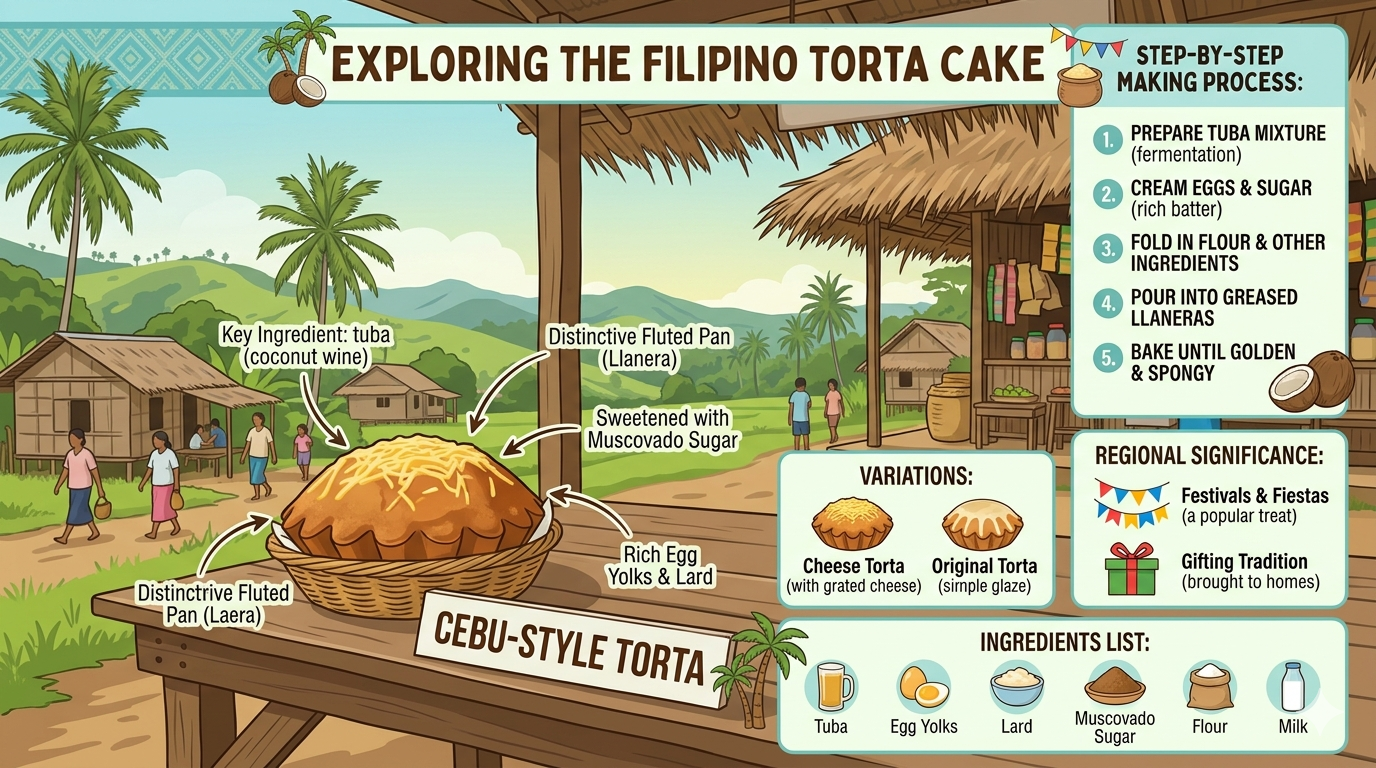
Visual layout presenting typical ingredients and general baking stages of torta.
Disclaimer
This article is for general informational and educational purposes only. It does not constitute professional medical, nutrition, or dietary advice. References to diets, foods, or supplements do not imply endorsement or guarantee of health outcomes. Readers are encouraged to consult licensed nutritionists, dietitians, or medical professionals for personalized guidance.