Understanding Puso (Hanging Rice): Traditional Filipino Rice Preparation
A neutral overview of puso, its preparation, and nutritional considerations.
Puso, commonly known as hanging rice, is a traditional Filipino method of cooking rice in woven coconut leaves. This article provides an educational look at puso, including how it is prepared, its nutritional aspects, and safe consumption practices, in line with Philippine food safety standards regulated by the Department of Health (DOH) and the Food and Drug Administration (FDA Philippines).
What Is Puso?
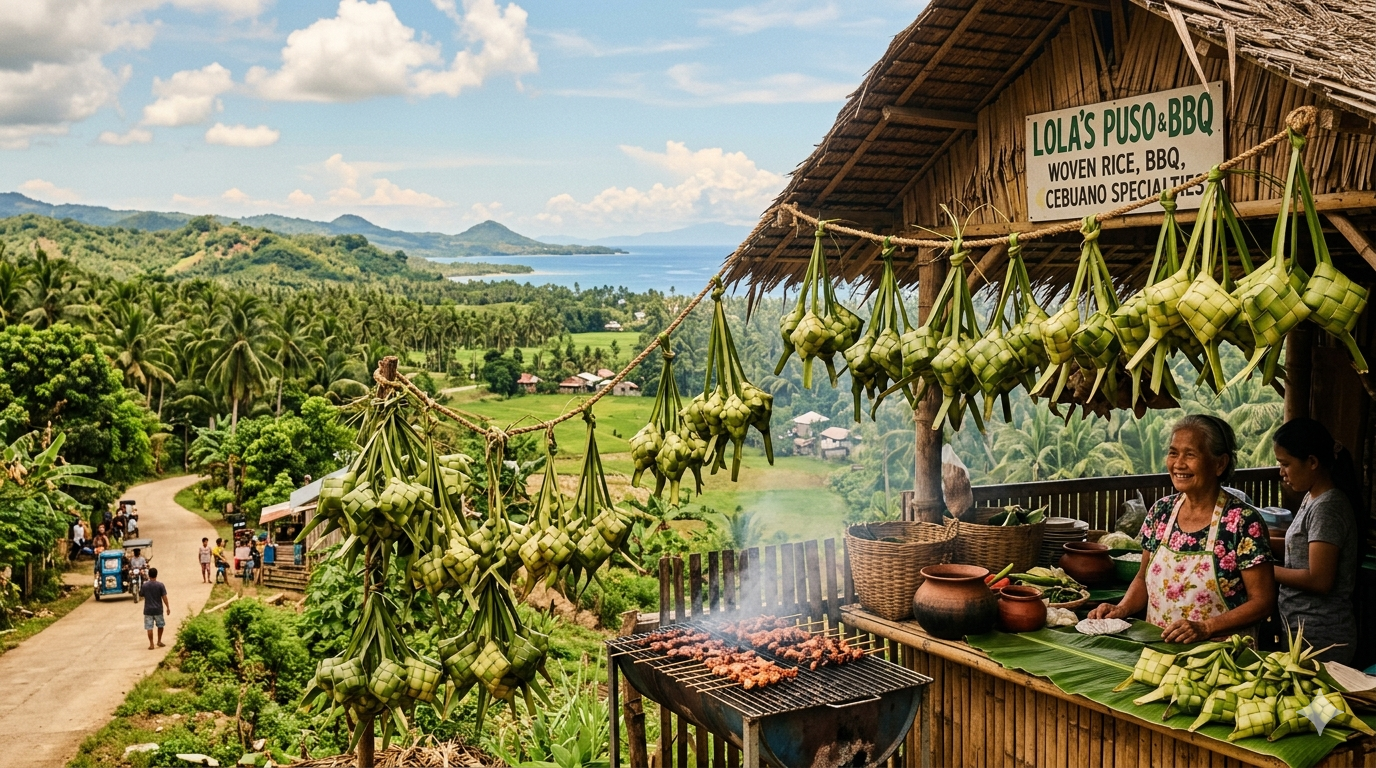
Puso is rice that is packed and steamed inside woven coconut or palm leaves. It is a common staple in regions such as Cebu and is often paired with local dishes like grilled meats and seafood. The weaving technique allows the rice to cook evenly while remaining portable.
Preparation Process
- Selection of Rice: Typically, long-grain or native rice varieties are used.
- Washing: Rice is washed to remove surface starch and debris.
- Packing: The rice is placed inside carefully woven coconut leaves.
- Cooking: The packed rice is boiled or steamed until fully cooked.
Safe preparation involves clean hands, properly washed leaves, and cooking rice thoroughly to avoid bacterial contamination.
Nutritional Considerations
- Macronutrients: A typical serving of plain rice (about 100 g cooked) contains approximately 28 g of carbohydrates, 2–3 g of protein, and minimal fat.
- Micronutrients: Rice provides small amounts of B vitamins, magnesium, and trace minerals.
- Dietary Fiber: White rice has low fiber content; using brown rice increases fiber.
Puso itself is a carbohydrate-rich food source. When paired with protein (e.g., fish, chicken, legumes) and vegetables, it can contribute to a balanced meal.
Safe Consumption and Storage
- Consume puso immediately after cooking to reduce the risk of bacterial growth.
- Store leftovers in a covered container and refrigerate promptly.
- Reheat thoroughly before consumption.
Context
In nutrition science studies, rice is classified as an energy-dense staple providing carbohydrates for daily caloric needs. Under consumer protection and food safety standards, methods of preparing rice, including traditional forms like puso, must ensure proper hygiene and cooking to reduce microbial risk. Dietary results vary individually depending on total meal composition and lifestyle factors. For personalized dietary guidance, consultation with licensed nutritionists or dietitians is recommended.
FAQs
What is puso?
Puso is rice cooked inside woven coconut leaves, commonly found in parts of the Philippines.
What nutrients are in puso?
Puso mainly provides carbohydrates, small amounts of protein, and trace minerals depending on the rice variety used.
Is puso safe to eat?
Yes, when prepared with clean leaves, properly washed rice, and fully cooked, puso is considered safe to consume.
Trusted Sources
- Department of Health (DOH Philippines) – Food Safety Guidelines
- Food and Drug Administration (FDA Philippines) – Food Handling and Preparation
- Philippine Journal of Nutrition – Traditional Food Preparation Studies
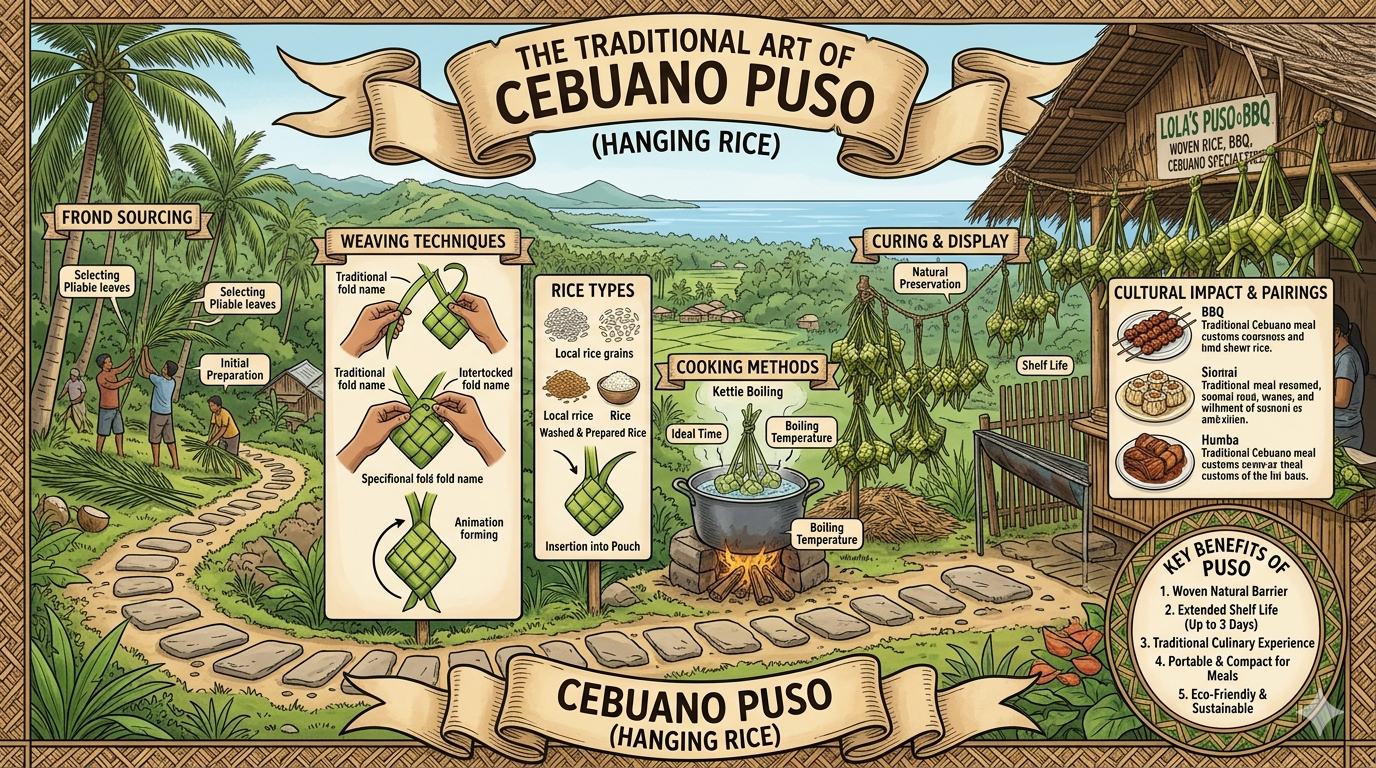
Infographic illustrating how puso is prepared and served.
Disclaimer
This article is for general informational and educational purposes only. It does not constitute professional medical, nutrition, or dietary advice. References to traditional foods like puso do not imply endorsement or guarantee of health outcomes. Readers are encouraged to consult licensed nutritionists, dietitians, or medical professionals for personalized guidance.