Understanding Pungko-Pungko: A Neutral Look at Popular Philippine Street Food
An educational overview of pungko-pungko, its typical food components, and consumer safety considerations.
Pungko-pungko is a widely recognized type of street food in the Philippines, often served along sidewalks or small roadside stalls. This article provides a neutral, educational overview of pungko-pungko, its common ingredients, and food safety considerations. Readers will gain insight into its nutritional components, potential hygiene concerns, and label-awareness practices without any health or weight promises. The discussion aligns with Philippine DOH, FDA, and DTI guidelines on safe street food consumption.
What is Pungko-Pungko?
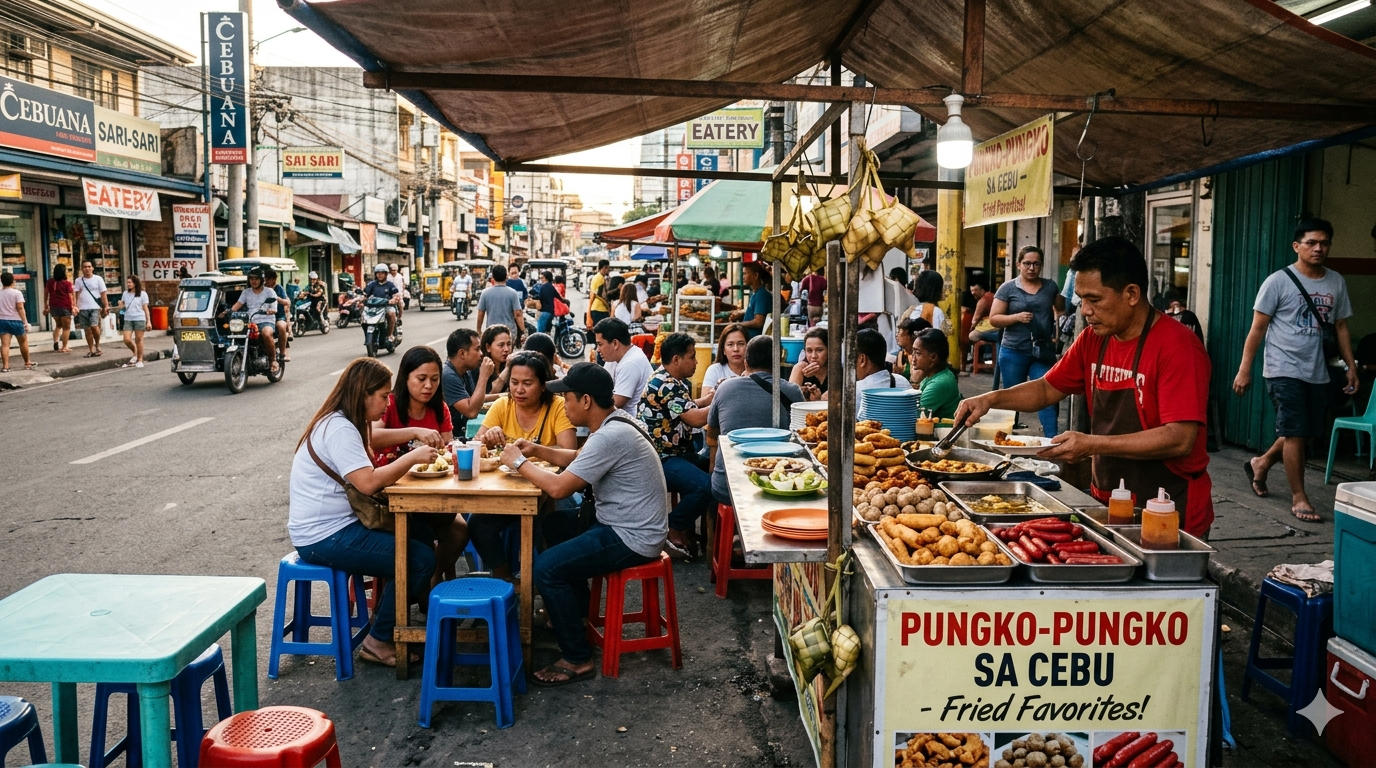
Pungko-pungko typically refers to a casual street food setup where diners sit on small stools (“pungko”) and eat freshly fried or boiled snacks. Common offerings include:
- Deep-fried items: such as lumpia, kikiam, and fish balls
- Boiled items: like kwek-kwek (quail eggs in batter) and tokneneng
- Condiments: vinegar, soy sauce, or sweet sauces
These foods are often high in carbohydrates and fats due to frying and battering. Protein content varies depending on whether the snack is egg- or meat-based.
Nutritional Overview
From a neutral, educational perspective:
- Macronutrients: Many fried pungko-pungko items provide carbohydrates from flour or breading, fats from cooking oil, and proteins from eggs, fish, or meat.
- Micronutrients: Egg-based snacks contribute vitamins such as B12 and minerals like iron, while fried vegetables offer some fiber and vitamins.
- Considerations: Frequent consumption of deep-fried snacks can lead to higher energy intake, which may be relevant for dietary planning.
Safe Consumption Practices
Under Philippine food safety regulations (DOH and FDA Philippines), consumers should consider:
- Vendor hygiene: Observe the cleanliness of cooking utensils, surfaces, and food handlers.
- Cooking temperature: Fried or boiled items should reach adequate temperatures to minimize microbial contamination.
- Storage and display: Avoid food left at ambient temperature for extended periods, as this increases the risk of bacterial growth.
Hypothetical Meal Planning Note
In hypothetical dietary planning, pungko-pungko items can be considered occasional snacks rather than main meals. For instance:
- A balanced snack plate might include one protein-rich item (e.g., tokneneng), a serving of vegetable-based item, and a modest portion of carbohydrate-rich fried dough.
- Portion control and frequency are key neutral concepts in dietary education.
Context
In nutrition science studies, fried snacks are categorized as energy-dense foods that may provide immediate calories but limited micronutrients compared to fresh vegetables or fruits. Under Philippine consumer protection and labeling standards, street food vendors are encouraged to maintain hygiene and ensure ingredient transparency when feasible.
Diet planning typically involves a mix of macronutrient and micronutrient balance, mindful portioning, and consideration of cooking methods. Results vary individually, and consumption should be adjusted based on personal nutritional needs. Licensed nutritionists or dietitians can provide personalized guidance.
FAQs
What is pungko-pungko?
Pungko-pungko refers to street food stalls where small fried or boiled snacks are served, often eaten while seated on low stools.
What are the main nutrients in pungko-pungko items?
Common nutrients include carbohydrates from batter or dough, protein from eggs or meat, and fats from frying oils. Micronutrient content varies by ingredient.
How can consumers assess street food safety?
Observing hygiene practices, ensuring proper cooking temperature, and checking for cleanliness of utensils and food surfaces are important considerations.
Trusted Sources
- Department of Health (DOH Philippines) — Food Safety Guidelines
- Food and Drug Administration (FDA Philippines) — Street Food Advisory
- Academic journals on street food hygiene and nutrition
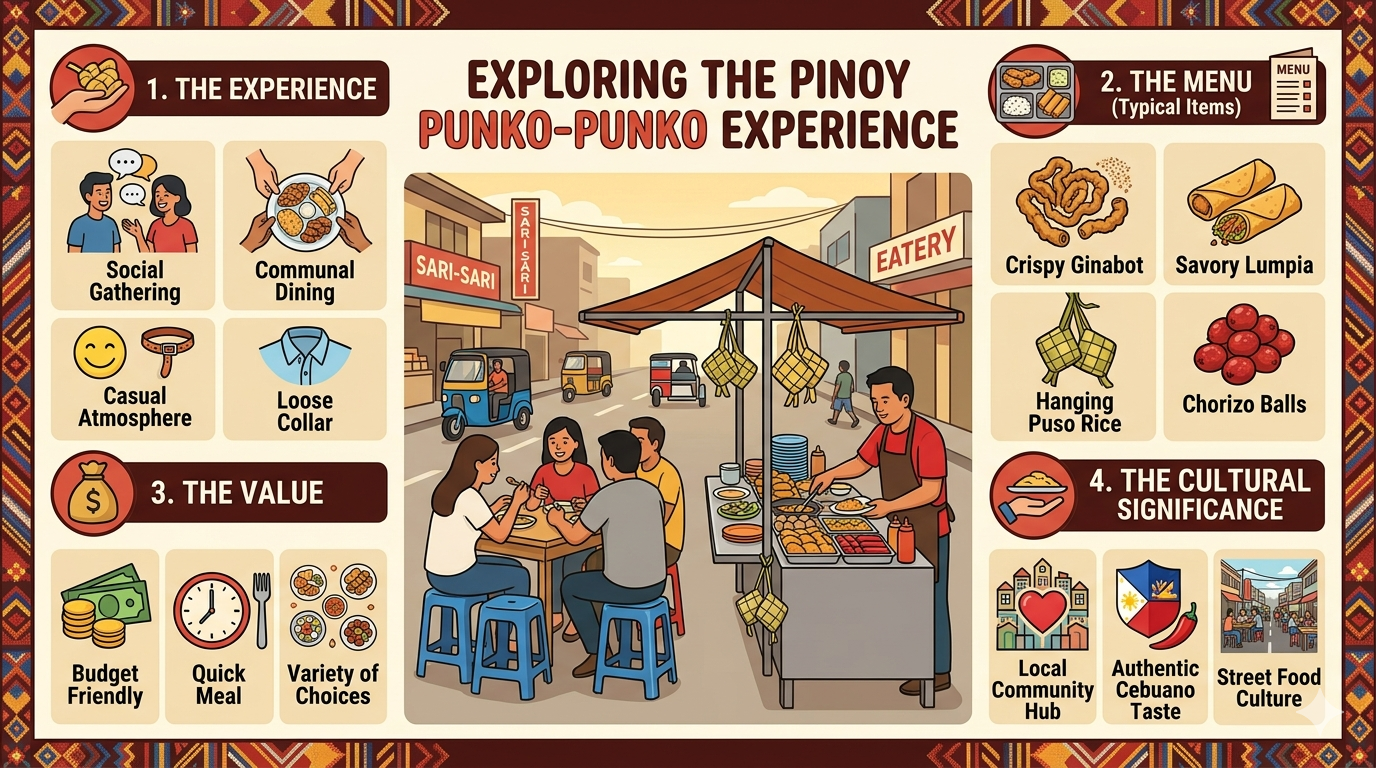
Infographic displaying typical pungko-pungko street food items and their main ingredients
Disclaimer
This article is for general informational and educational purposes only. It does not constitute professional medical, nutrition, or dietary advice. References to foods or snacks do not imply endorsement or guarantee of health outcomes. Readers are encouraged to consult licensed nutritionists, dietitians, or medical professionals for personalized guidance.