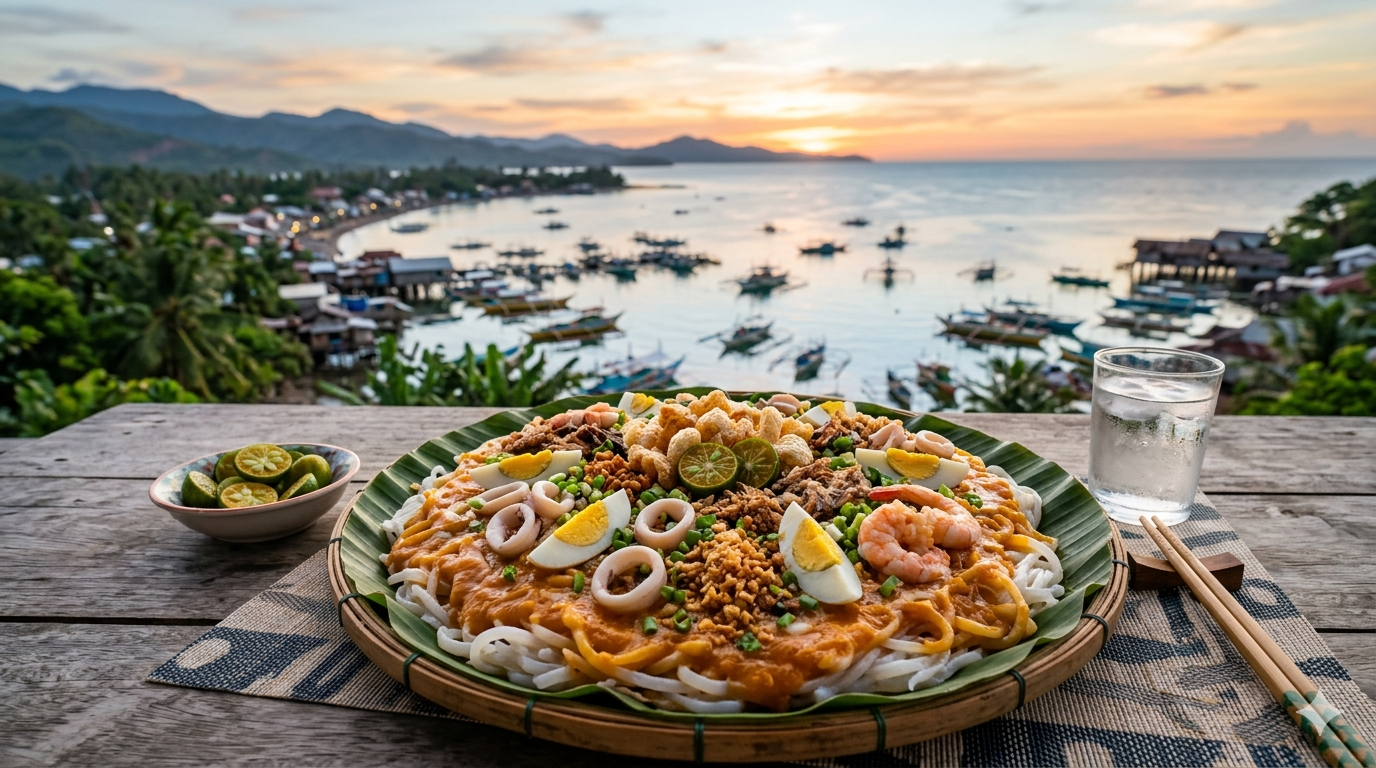
Pancit Malabon: Nutritional Overview and Food Context Guide
A neutral look at ingredients, food composition, and dietary considerations
This article provides an educational overview of Pancit Malabon, a traditional Filipino noodle dish. It explains common ingredients, general nutritional composition, and considerations for meal planning. The discussion follows food safety and labeling awareness principles aligned with guidance from Philippine authorities such as the Department of Health (DOH) and the Food and Drug Administration (FDA Philippines).
What Is Pancit Malabon?
Pancit Malabon is a noodle-based dish originating from Malabon City. It typically uses thick rice noodles and is known for its orange-colored sauce, which is often derived from annatto seeds. The dish commonly includes a mix of seafood and other toppings.
Typical ingredients may include:
- Rice noodles
- Shrimp or shrimp-based sauce
- Squid, fish, or shellfish
- Pork (in some variations)
- Hard-boiled eggs
- Chicharrón (crushed pork rind)
- Garlic and green onions
Ingredient combinations may vary depending on preparation style and region.
Nutritional Components
As a mixed dish, Pancit Malabon contains several macronutrients:
- Carbohydrates: Primarily from rice noodles, serving as a source of energy
- Protein: From seafood, eggs, and optional meat ingredients
- Fats: May come from cooking oils, pork components, or toppings like chicharrón
It may also contain micronutrients such as:
- Iron from seafood and meat
- Calcium from certain shellfish
- Vitamin A depending on added vegetables or coloring agents
The exact nutrient content depends on portion size and preparation methods.
Food Group Representation
Pancit Malabon can be viewed as a combination meal that includes:
- Grain group (rice noodles)
- Protein sources (seafood, eggs, meat)
- Limited vegetable components depending on recipe
In meal planning contexts, additional vegetables or fruits may be included separately to increase dietary variety.
Portion and Meal Context
This dish is often served during gatherings or as a shared meal. In general dietary planning:
- Portion sizes may vary widely
- It is typically consumed alongside other dishes or beverages
- It can be part of a broader meal that includes vegetables and hydration
No specific portion recommendation applies universally, as dietary needs differ.
Food Safety and Label Awareness
When purchasing ready-made or packaged versions:
- Check ingredient lists for allergens such as shellfish
- Review nutrition labels where available
- Ensure the product complies with FDA Philippines labeling standards
For freshly prepared versions, proper food handling and storage are important to reduce food safety risks.
Context
In nutrition science discussions, mixed dishes like Pancit Malabon illustrate how multiple food groups can be combined into a single meal. Dietary planning typically considers how such dishes contribute to overall nutrient intake across the day.
Under Philippine food safety and consumer protection standards, accurate labeling and safe preparation practices are emphasized. Individual dietary responses and preferences may vary, and cultural dishes are often adapted based on availability and personal choice.
Consultation with licensed nutrition professionals may provide more personalized guidance.
FAQs
What type of food is Pancit Malabon?
Pancit Malabon is a Filipino noodle dish made with thick rice noodles and a seafood-based sauce. It is commonly served with various toppings such as eggs and seafood.
Does Pancit Malabon contain protein?
Yes, it typically contains protein from ingredients like shrimp, eggs, and sometimes pork or fish.
Is Pancit Malabon considered a complete meal?
It can include multiple food groups, but the overall balance depends on portion sizes and accompanying dishes.
Trusted Sources
- Department of Health (DOH) Philippines – Nutrition and Food Safety Guidelines
- Food and Drug Administration (FDA Philippines) – Food Labeling and Safety Standards
- Food and Nutrition Research Institute (FNRI-DOST) – Philippine Food Composition Tables
- World Health Organization (WHO) – Healthy Diet Resources
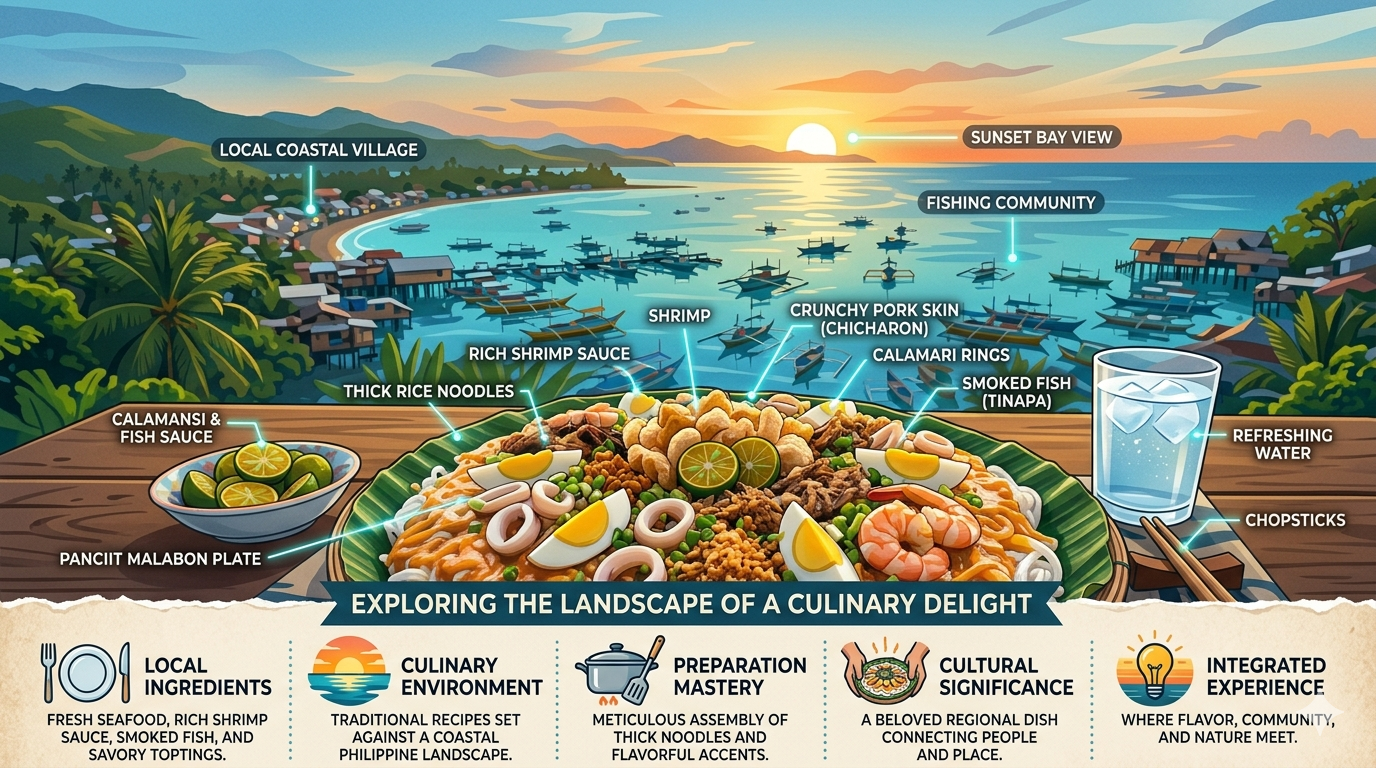
Visual breakdown of Pancit Malabon ingredients
Disclaimer
This article is for general informational and educational purposes only. It does not constitute professional medical, nutrition, or dietary advice. References to diets, foods, or supplements do not imply endorsement or guarantee of health outcomes. Readers are encouraged to consult licensed nutritionists, dietitians, or medical professionals for personalized guidance.