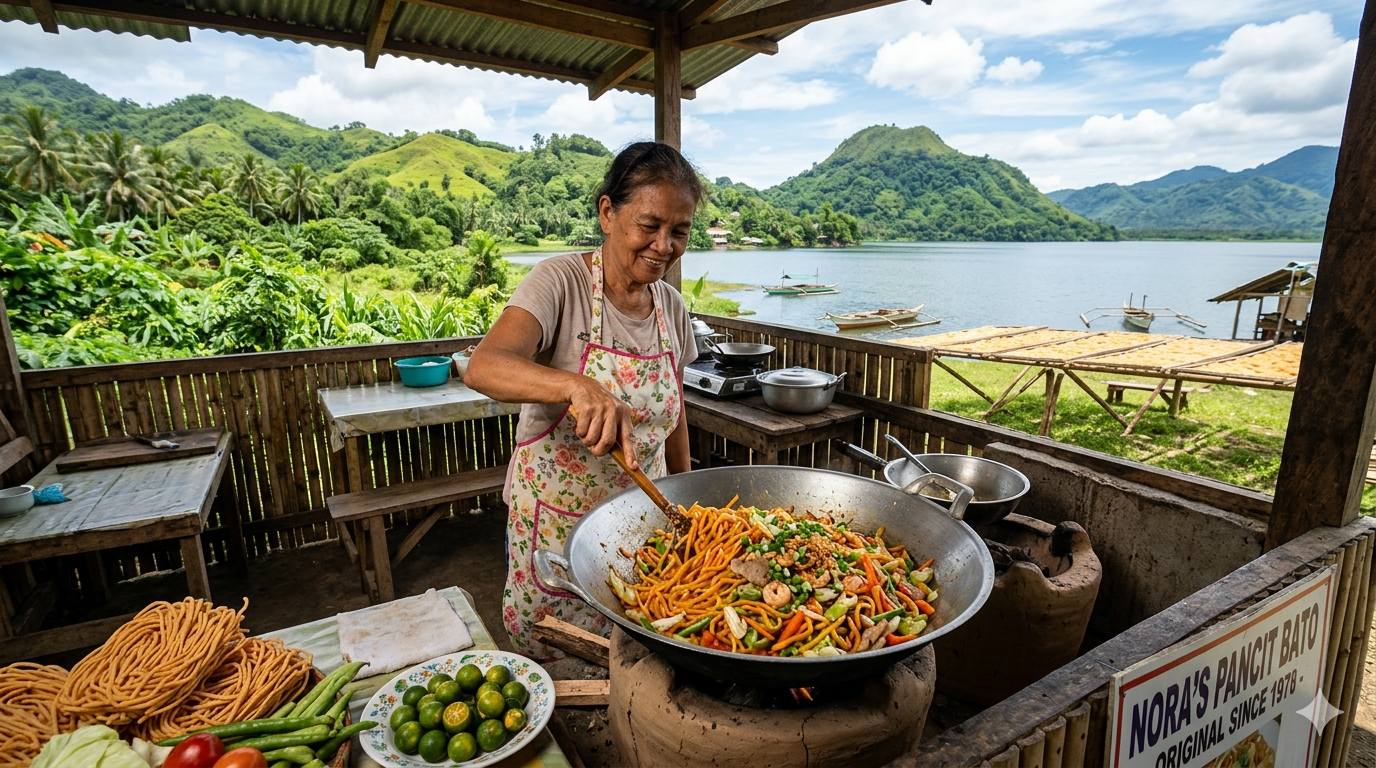
Pancit Bato: A Regional Noodle Dish from Camarines Sur
An overview of its ingredients, preparation, and nutritional considerations
Pancit Bato is a traditional Filipino noodle dish originating from the municipality of Bato in the province of Camarines Sur. It is recognized for its distinct preparation method and firm-textured noodles. This article provides an educational overview of Pancit Bato, including its composition, preparation, and general nutrition-related considerations within the context of Philippine food culture and safety standards.
What Is Pancit Bato?
Pancit Bato refers both to the dish and the noodles used to prepare it. The noodles are typically made from wheat flour and are sun-dried, giving them a slightly coarse texture compared to other pancit varieties.
The dish is commonly prepared in two styles:
- Guisado (sautéed): Cooked with oil, garlic, onion, vegetables, and protein sources
- Soup-based: Served with broth, similar to noodle soup dishes
Common Ingredients
Pancit Bato recipes may vary, but typical components include:
- Noodles: Dried wheat noodles (Pancit Bato)
- Protein sources: Chicken, pork, shrimp, or tofu
- Vegetables: Cabbage, carrots, green beans
- Seasonings: Soy sauce, garlic, onion
- Optional additions: Fish sauce, citrus (such as calamansi)
Ingredient selection often depends on availability, household preferences, and local practices.
Nutritional Overview (General Information)
As a mixed dish, Pancit Bato contains a combination of macronutrients:
- Carbohydrates: Primarily from the noodles
- Protein: From meat, seafood, or plant-based sources
- Fats: From cooking oil and certain ingredients
Micronutrients may be contributed by vegetables and added ingredients. The overall nutritional profile varies depending on portion size, preparation method, and ingredient choices.
Hypothetical Serving Example
An illustrative serving of Pancit Bato (guisado style) may include:
- A portion of noodles
- Mixed vegetables (e.g., cabbage and carrots)
- A serving of protein (e.g., chicken or tofu)
This type of dish is often shared and served during gatherings or regular meals.
Food Safety and Preparation Considerations
Under Philippine food safety guidelines from the Department of Health (DOH) and the Food and Drug Administration (FDA Philippines):
- Dried noodles should be stored in a cool, dry place
- Raw meat and seafood should be handled separately from vegetables
- Proper cooking temperatures are important for food safety
- Leftovers should be stored appropriately and consumed within recommended timeframes
Cultural and Dietary Perspective
In Filipino cuisine, pancit dishes are often associated with gatherings and everyday meals. Pancit Bato reflects regional food traditions and local food production methods.
From a nutrition science perspective, mixed dishes like Pancit Bato can contribute to dietary variety when combined with other food groups across the day. Dietary needs and intake levels vary by individual, and no single dish defines overall dietary patterns.
FAQs
What makes Pancit Bato different from other pancit dishes?
Pancit Bato uses sun-dried noodles with a firmer texture. It can be prepared either sautéed or as a soup-based dish.
Is Pancit Bato always served with meat?
No. Some versions include plant-based protein sources such as tofu or additional vegetables instead of meat.
How is Pancit Bato typically cooked?
It is usually sautéed with garlic, onion, vegetables, and protein, or cooked in broth depending on the preferred style.
Trusted Sources
- Department of Health (Philippines) – Food Safety and Nutrition Guidance
- Food and Drug Administration (Philippines) – Food Handling and Labeling Standards
- Philippine culinary and food culture references
- Academic resources on Southeast Asian food traditions
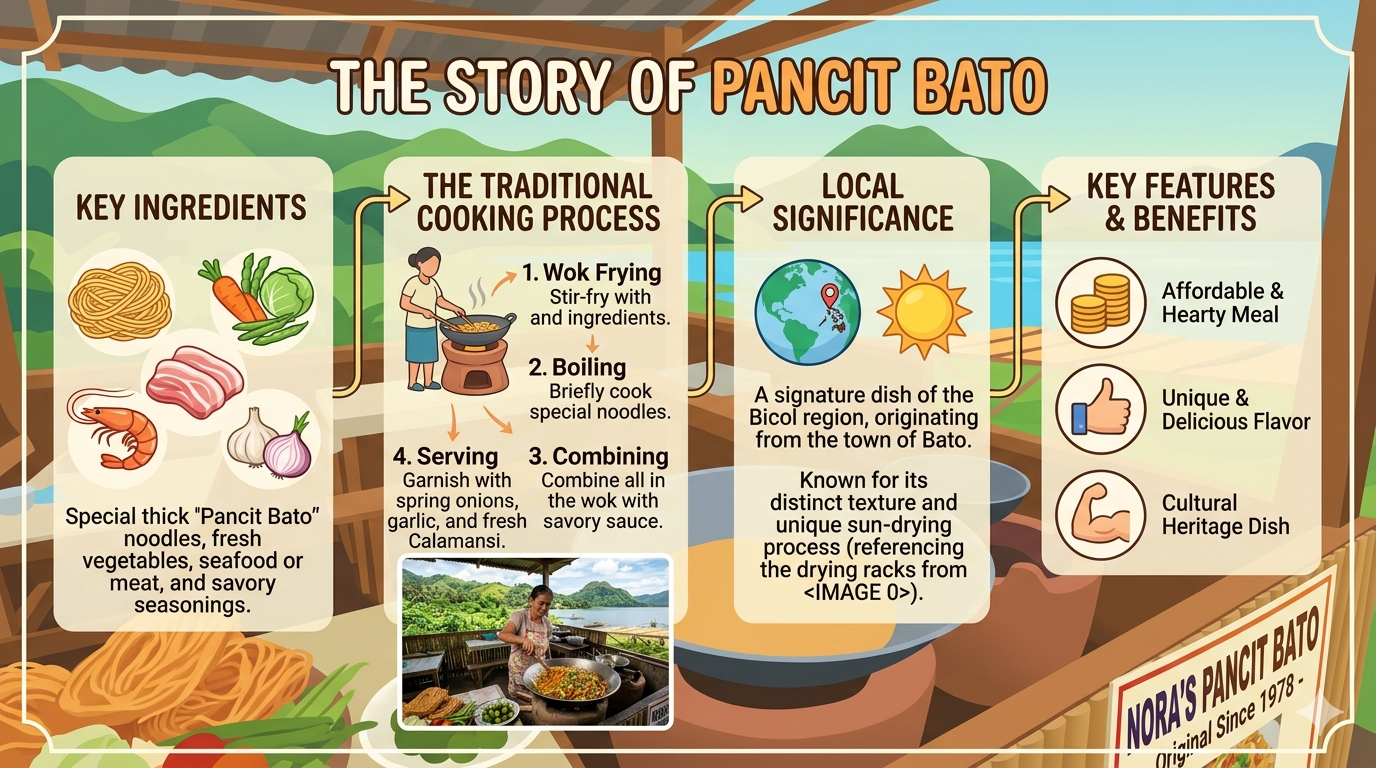
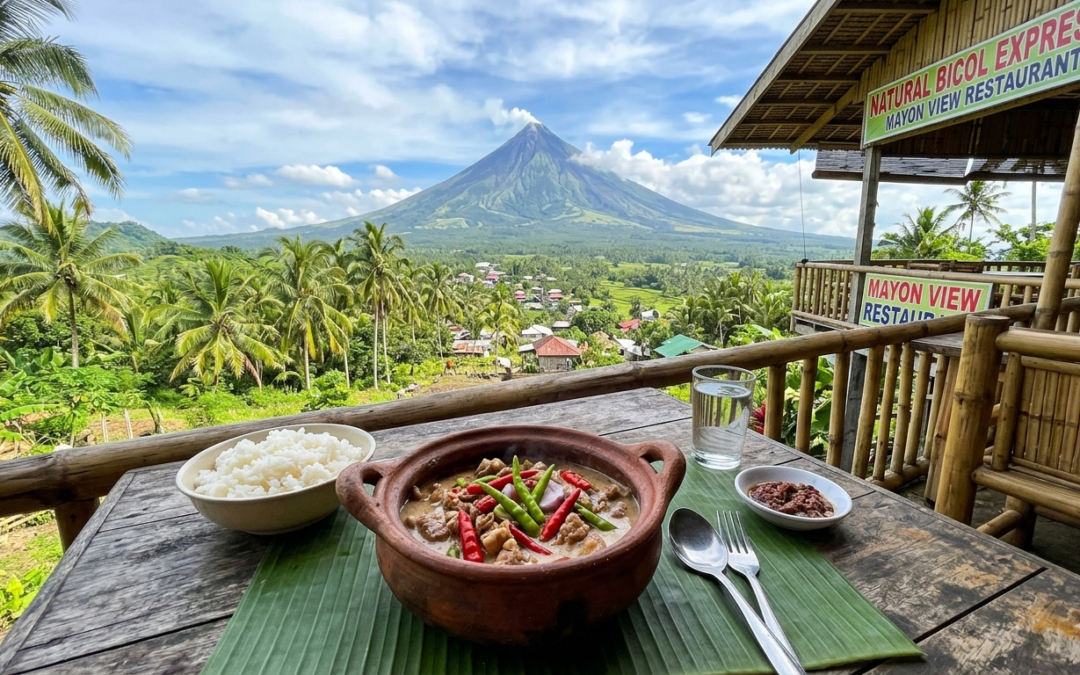
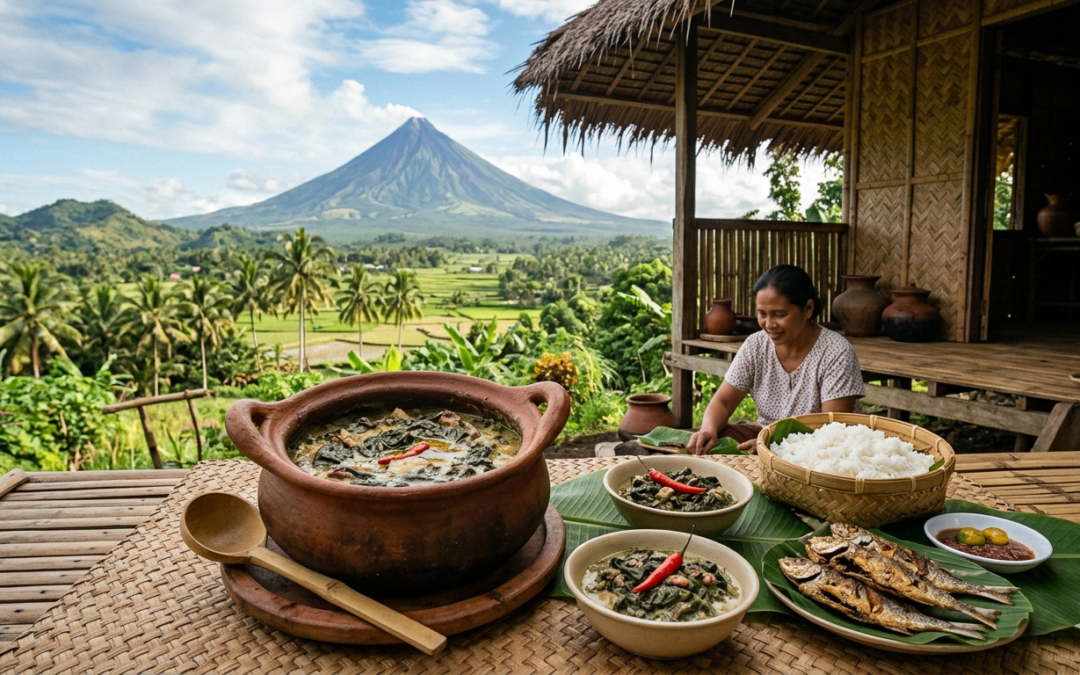
Visual representation of Pancit Bato ingredients and preparation steps
Disclaimer
This article is for general informational and educational purposes only. It does not constitute professional medical, nutrition, or dietary advice. References to diets, foods, or supplements do not imply endorsement or guarantee of health outcomes. Readers are encouraged to consult licensed nutritionists, dietitians, or medical professionals for personalized guidance.