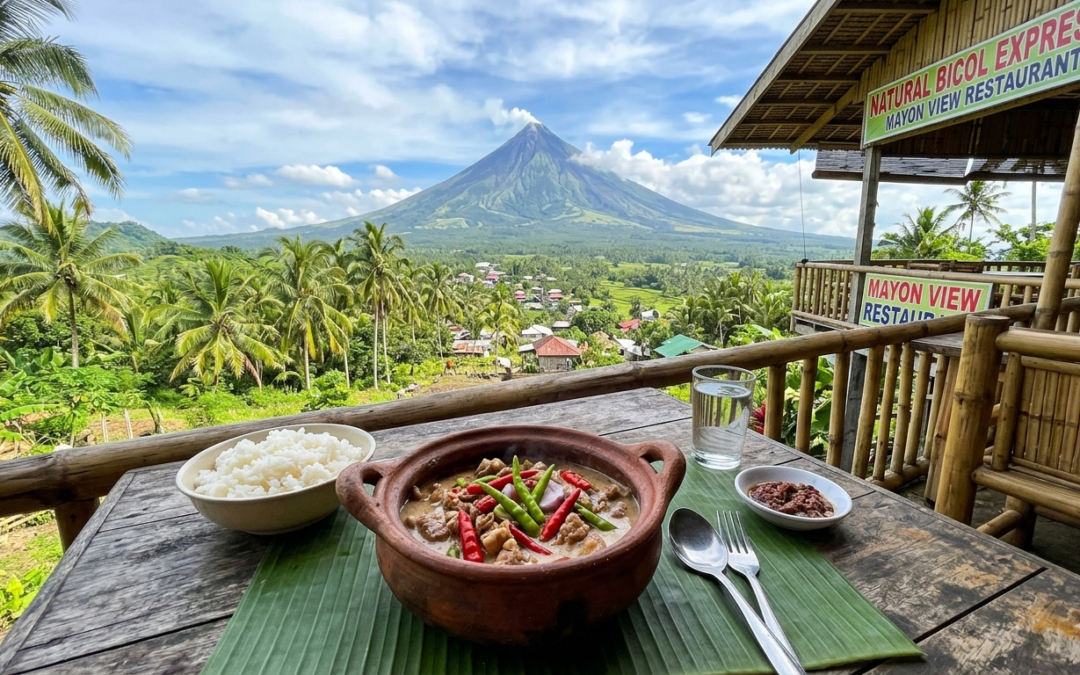
Laing (Naga Style): Nutritional Overview and Culinary Insights
An educational guide to the traditional Bicolano dish, its ingredients, and nutrient considerations.
Laing, a traditional dish from the Bicol region, particularly Naga City, is prepared using dried taro leaves, coconut milk, and spices. This article provides an overview of its common ingredients, nutrient composition, and safe preparation practices under Philippine food safety standards. Readers will learn about its macronutrients, micronutrients, and considerations for inclusion in balanced meal planning.
Nutritional Components of Laing
Laing is typically prepared with the following main ingredients:
- Dried taro leaves – contain dietary fiber, vitamins A and C, and minerals such as calcium and iron.
- Coconut milk – a source of dietary fat, particularly medium-chain triglycerides (MCTs).
- Chili peppers – contribute vitamin C and antioxidants.
- Shrimp or dried fish (optional) – provide protein, B vitamins, and trace minerals.
- Spices (garlic, ginger, onion) – contribute flavor and bioactive compounds without significant caloric contribution.
Macronutrient Perspective (per typical serving, illustrative):
- Carbohydrates: ~5–8 g
- Protein: ~3–6 g (depending on added seafood or meat)
- Fat: ~10–15 g (from coconut milk)
- Fiber: ~2–4 g
Micronutrients of Interest:
- Vitamin A (from taro leaves)
- Vitamin C (from chili and taro leaves)
- Iron and calcium (from leaves and seafood)
Safe Preparation Practices
- Cooking – Taro leaves must be thoroughly cooked to reduce naturally occurring calcium oxalate, which may cause irritation if consumed raw.
- Storage – Prepared Laing should be refrigerated and consumed within 1–2 days to minimize microbial growth.
- Ingredient Awareness – Consumers should verify the source of dried taro leaves and seafood to ensure freshness and compliance with DOH/FDA standards.
Hypothetical Meal Example
A balanced meal including Laing could hypothetically include:
- 1 small bowl of Laing (100 g)
- ½ cup steamed brown rice
- 1 serving grilled fish or tofu
- Fresh vegetable salad (tomatoes, cucumbers)
This example illustrates nutrient variety and portion distribution. Individual nutritional needs vary depending on age, activity level, and health conditions.
Context
In nutrition science studies, leafy vegetables like taro are recognized for their fiber, vitamins, and minerals. Coconut milk is energy-dense due to fats, contributing to satiety but also caloric content. Under Philippine consumer protection and labeling standards, it is important to note ingredient sourcing, freshness, and safe cooking methods. Dietary results vary individually, and consultation with licensed nutrition professionals is recommended for personalized guidance.
FAQs
What is Laing?
Laing is a traditional Bicolano dish made from dried taro leaves cooked in coconut milk with spices. Variations may include shrimp, dried fish, or pork.
What nutrients are in Laing?
Laing contains dietary fiber, fat from coconut milk, protein (if seafood or meat is included), and micronutrients such as vitamin A, vitamin C, calcium, and iron.
Are there safety considerations when eating Laing?
Yes, taro leaves should always be fully cooked to reduce calcium oxalate content. Proper storage and handling of seafood or meat ingredients are recommended under DOH/FDA guidelines.
Trusted Sources
- Department of Health (DOH) Philippines: Nutrition and Food Safety Advisories
- Food and Drug Administration (FDA) Philippines: Food Labeling and Preparation Standards
- Philippine Food Composition Tables (Philippine Council for Agriculture, Forestry and Natural Resources Research and Development)
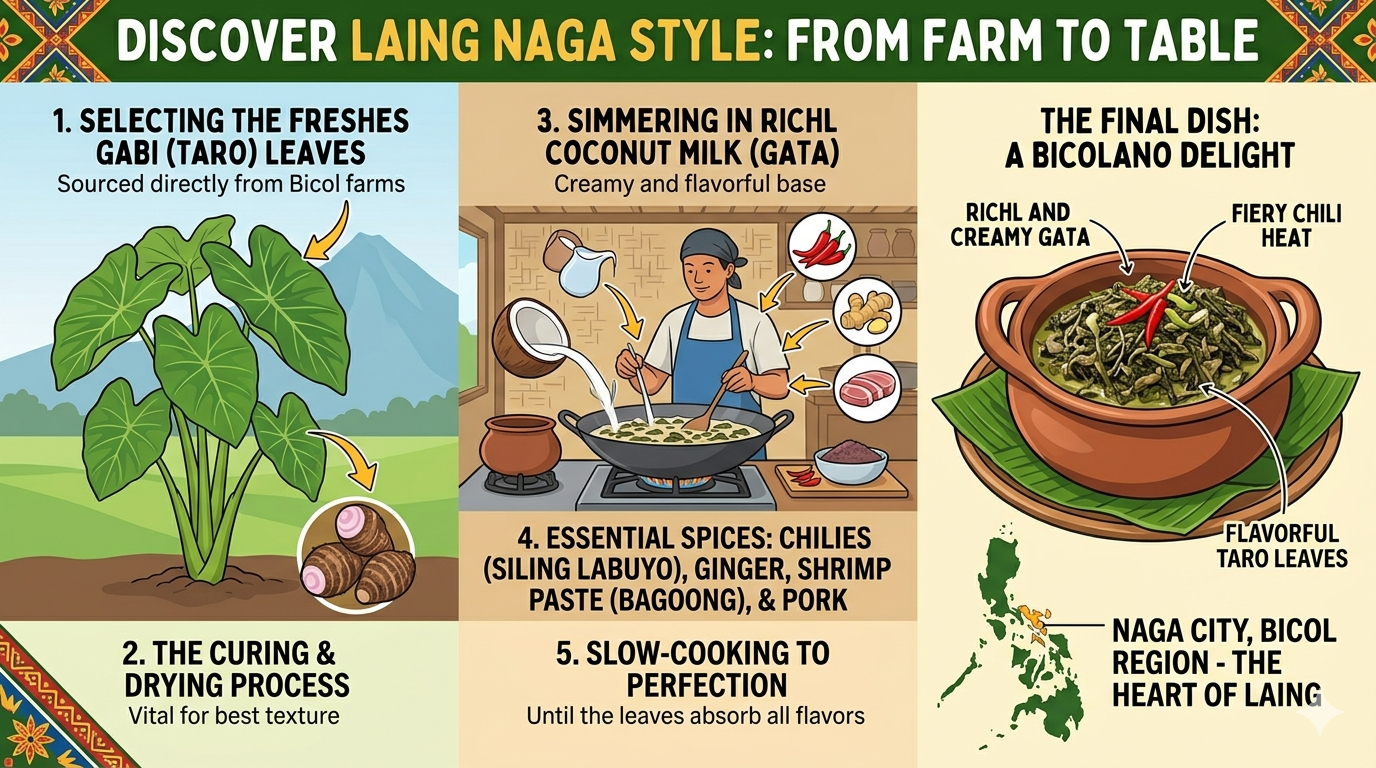
Illustration of Laing Naga style ingredients and preparation components.
Disclaimer
This article is for general informational and educational purposes only. It does not constitute professional medical, nutrition, or dietary advice. References to foods or ingredients do not imply endorsement or guarantee of health outcomes. Readers are encouraged to consult licensed nutritionists, dietitians, or medical professionals for personalized guidance.