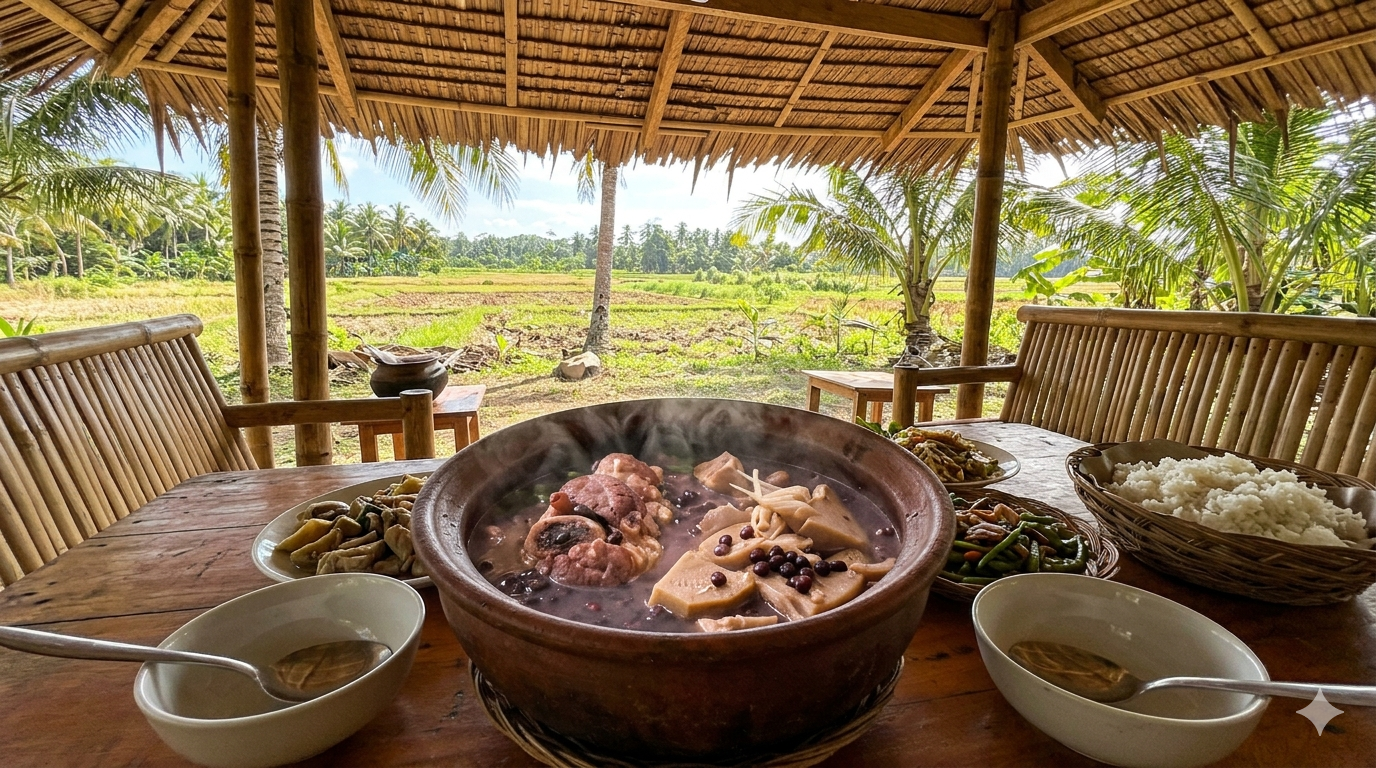
Understanding KBL (Kadios, Baboy, Langka): Nutritional Insights and Food Science
A neutral overview of KBL ingredients, nutrient contributions, and dietary considerations
KBL, short for Kadios, Baboy, Langka, is a traditional Filipino stew commonly found in Bicol and other regions. This article provides an educational overview of the nutritional components of KBL, typical ingredients, and hypothetical ways it can fit into balanced dietary planning. Content aligns with DOH, FDA Philippines, and DTI guidelines and focuses on neutral, factual information about macronutrients, micronutrients, and food composition.
Key Ingredients and Nutrient Profiles
- Kadios (Pigeon Pea / Cajanus cajan)
Kadios are legumes rich in plant-based protein, dietary fiber, and complex carbohydrates. They also contain micronutrients such as iron, magnesium, and folate. Legumes are nutrient-dense and provide sustained energy. - Baboy (Pork)
Pork contributes animal protein and essential amino acids, as well as micronutrients including zinc, B vitamins, and iron. Lean cuts reduce saturated fat content, while fattier cuts increase energy density. - Langka (Jackfruit, unripe)
Young jackfruit is high in dietary fiber and complex carbohydrates, with small amounts of vitamin C, potassium, and other minerals. It is low in fat and adds bulk to meals, supporting neutral informational context. - Additional Components
Ingredients like coconut milk, onions, garlic, and chili are common. Coconut milk provides saturated fats and calories, while aromatics contribute flavor without significant macronutrients.
Hypothetical Nutrient Balance in a Serving
| Ingredient | Approx. Weight (g) | Protein (g) | Carbs (g) | Fat (g) | Fiber (g) |
|---|---|---|---|---|---|
| Kadios | 100 | 8 | 20 | 1 | 7 |
| Baboy | 75 | 14 | 0 | 8 | 0 |
| Langka | 100 | 2 | 20 | 0 | 3 |
| Coconut milk | 50 | 0 | 2 | 10 | 0 |
Note: Nutrient values are illustrative averages. Actual values vary depending on cut, cooking method, and recipe.
Dietary Planning Considerations (Neutral)
- Portion Control: Combining legumes, meat, and vegetables in KBL provides a mix of macronutrients; portion sizes determine overall energy content.
- Protein Variety: Kadios plus Baboy supplies both plant and animal protein sources.
- Micronutrient Diversity: Including langka and aromatics increases fiber and phytonutrient content.
- Cooking Methods: Boiling or simmering maintains nutrient retention; frying or excessive oil may increase fat content.
Context
In nutrition science studies, stews combining legumes, protein, and vegetables are considered balanced meals when portioned appropriately. Under consumer protection and labeling standards, recipes like KBL can be evaluated based on ingredient composition and nutrient content. Dietary outcomes vary individually depending on overall eating patterns, activity levels, and health conditions. For personalized guidance, consultation with a licensed nutritionist or dietitian is recommended.
FAQs
What is KBL?
KBL stands for Kadios (pigeon peas), Baboy (pork), and Langka (young jackfruit), a traditional Filipino stew with macronutrient and micronutrient variety.
What nutrients are in KBL?
KBL contains protein, complex carbohydrates, dietary fiber, and micronutrients such as iron, magnesium, B vitamins, and potassium.
How can KBL fit into a meal plan?
Hypothetical meal planning may include KBL as part of a nutrient-diverse lunch or dinner, combined with rice or vegetables to maintain macronutrient variety.
Trusted Sources
- DOH Philippines – Nutritional Guidelines and Health Advisories
- FDA Philippines – Food Safety and Labeling Guidelines
- Peer-reviewed journals on Filipino cuisine and nutrient composition
- Philippine Dietary Reference Intakes (DRIs)
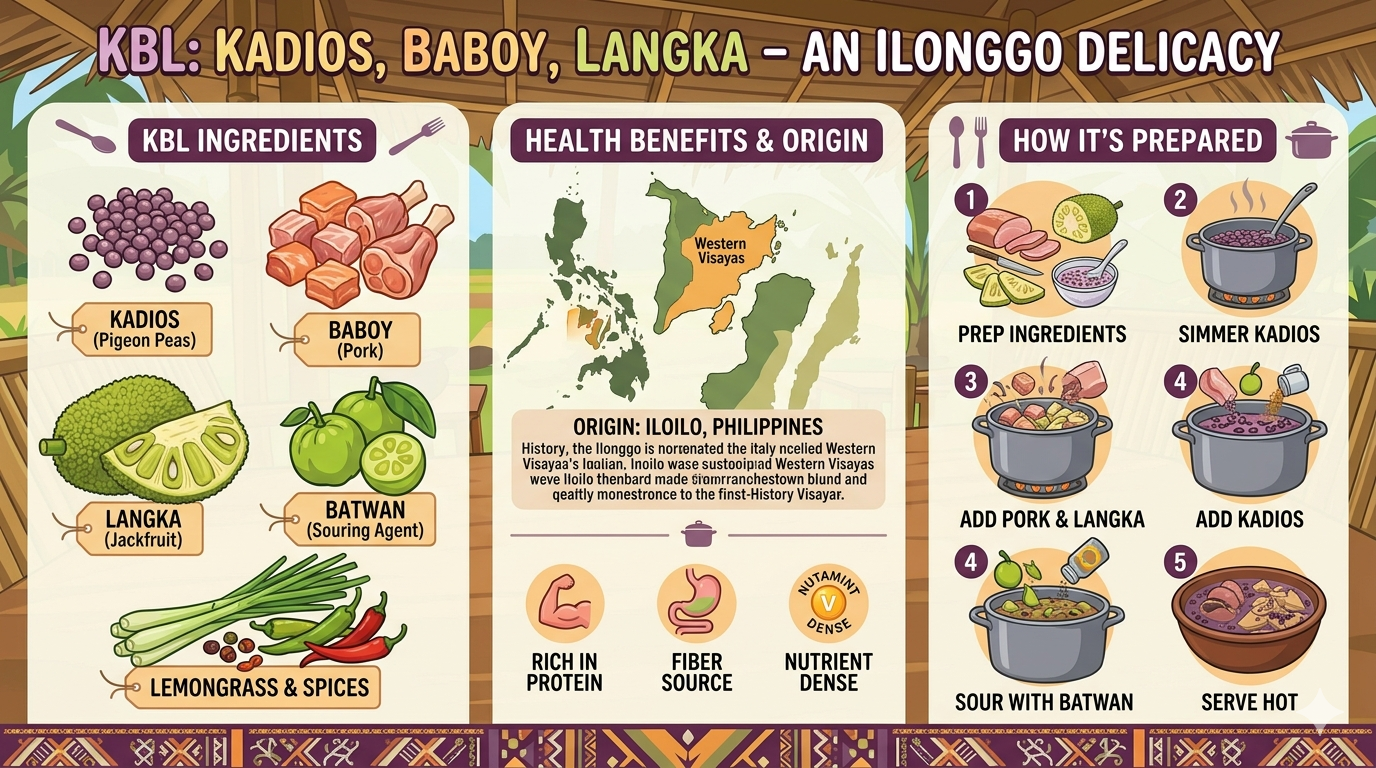
Infographic showing kadios, baboy, langka, and their macronutrient categories.
Disclaimer
This article is for general informational and educational purposes only. It does not constitute professional medical, nutrition, or dietary advice. References to recipes, foods, or ingredients do not imply endorsement or guarantee of outcomes. Readers are encouraged to consult licensed nutritionists, dietitians, or medical professionals for personalized guidance.