Understanding Street Food Safety: Isaw and BBQ in the Philippines
A neutral overview of nutritional considerations, food handling, and consumer awareness for popular street foods like isaw and BBQ.
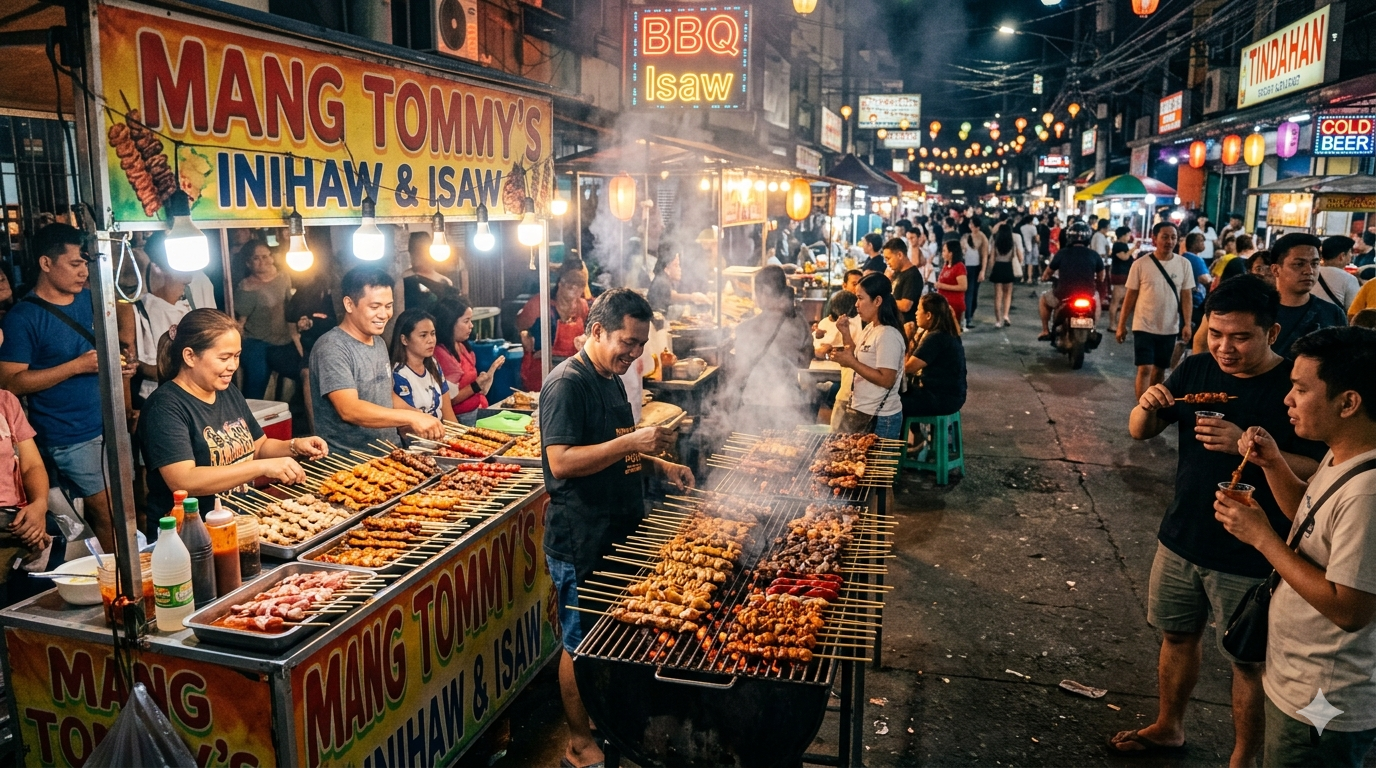
Street foods such as isaw (grilled chicken or pork intestines) and other barbecue skewers are popular in many Philippine communities. This article provides an educational overview of their nutritional content, food safety considerations, and consumer guidance. Readers will learn about safe consumption practices, handling, and how to assess street foods within regulatory standards, including the Department of Health (DOH) and Food and Drug Administration (FDA) guidelines.
Nutritional Overview
- Isaw and BBQ are primarily sources of protein and fat, depending on the type of meat and cooking method.
- Macronutrient content varies:
- Protein supports general body function and tissue repair.
- Fat provides energy, but high intake may contribute to excessive calorie consumption if not balanced with other foods.
- These foods are typically low in fiber and micronutrients unless paired with vegetables or side dishes.
Food Safety Considerations
- Proper cooking temperature: Meat should be thoroughly grilled to reduce the risk of bacterial contamination, such as Salmonella or E. coli.
- Clean preparation surfaces: Utensils, cutting boards, and skewers should be sanitized to avoid cross-contamination.
- Safe water use: Any sauces or marinades should use potable water to prevent foodborne illness.
- Vendor hygiene: Observing hand hygiene and clean equipment supports safer street food consumption.
Consumer Awareness
- Labeling and sourcing: For packaged or pre-marinated items, verify expiration dates and ingredient lists, as mandated by the FDA.
- Hypothetical portion considerations: Occasional consumption of street food can be part of a balanced diet when paired with fruits, vegetables, or whole grains in other meals.
- Avoiding foodborne risks: Consumers should avoid food left unrefrigerated for long periods or appearing undercooked.
Context
In nutrition science studies, grilled meats like isaw are recognized as protein sources but may contain higher fat and sodium depending on preparation. Under consumer protection and labeling standards, vendors are required to maintain food hygiene and follow DOH/FDA guidelines to ensure public safety. Dietary results vary individually, and licensed nutrition or medical professionals can provide guidance for personalized dietary decisions.
FAQs
What is isaw?
Isaw refers to cleaned and skewered chicken or pork intestines, typically grilled and served as street food in the Philippines.
Is BBQ considered healthy?
BBQ provides protein and energy, but nutrient composition varies. Balanced consumption alongside vegetables and grains is part of general nutrition guidance.
How can consumers assess street food safety?
Observing hygiene, proper cooking, clean utensils, and safe water use are key practices recommended under DOH and FDA standards.
Trusted Sources
- Department of Health Philippines – Food Safety Advisories
- FDA Philippines – Food Handling and Labeling Guidelines
- Peer-reviewed journals on protein-rich foods and street food safety
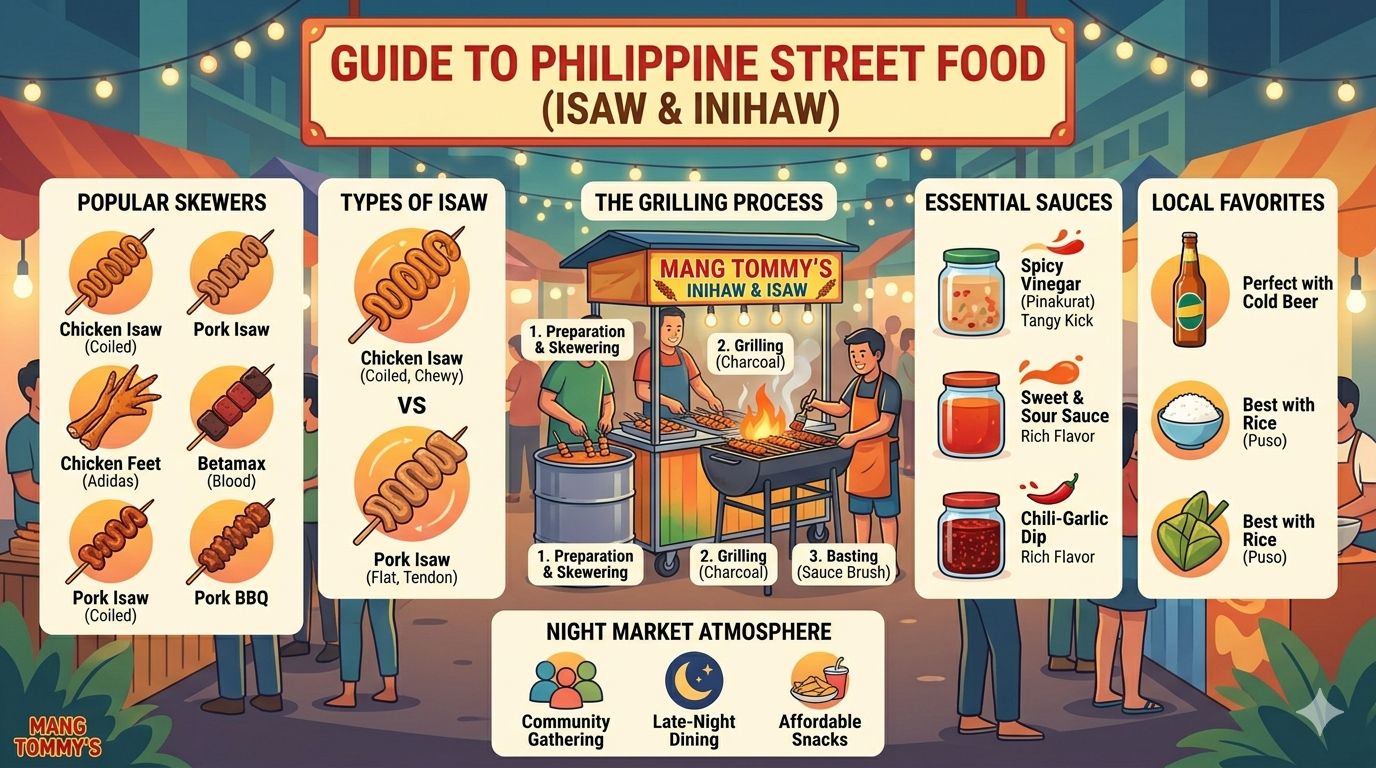
Descriptive infographic of typical preparation steps for Filipino street foods like isaw and BBQ.
Mandatory Disclaimer
This article is for general informational and educational purposes only. It does not constitute professional medical, nutrition, or dietary advice. References to foods or preparation methods do not imply endorsement or guarantee of health outcomes. Readers are encouraged to consult licensed nutritionists, dietitians, or medical professionals for personalized guidance.