Understanding Danggit: Nutritional Insights and Safe Consumption
A neutral overview of nutritional content, dietary considerations, and safe handling practices of danggit.
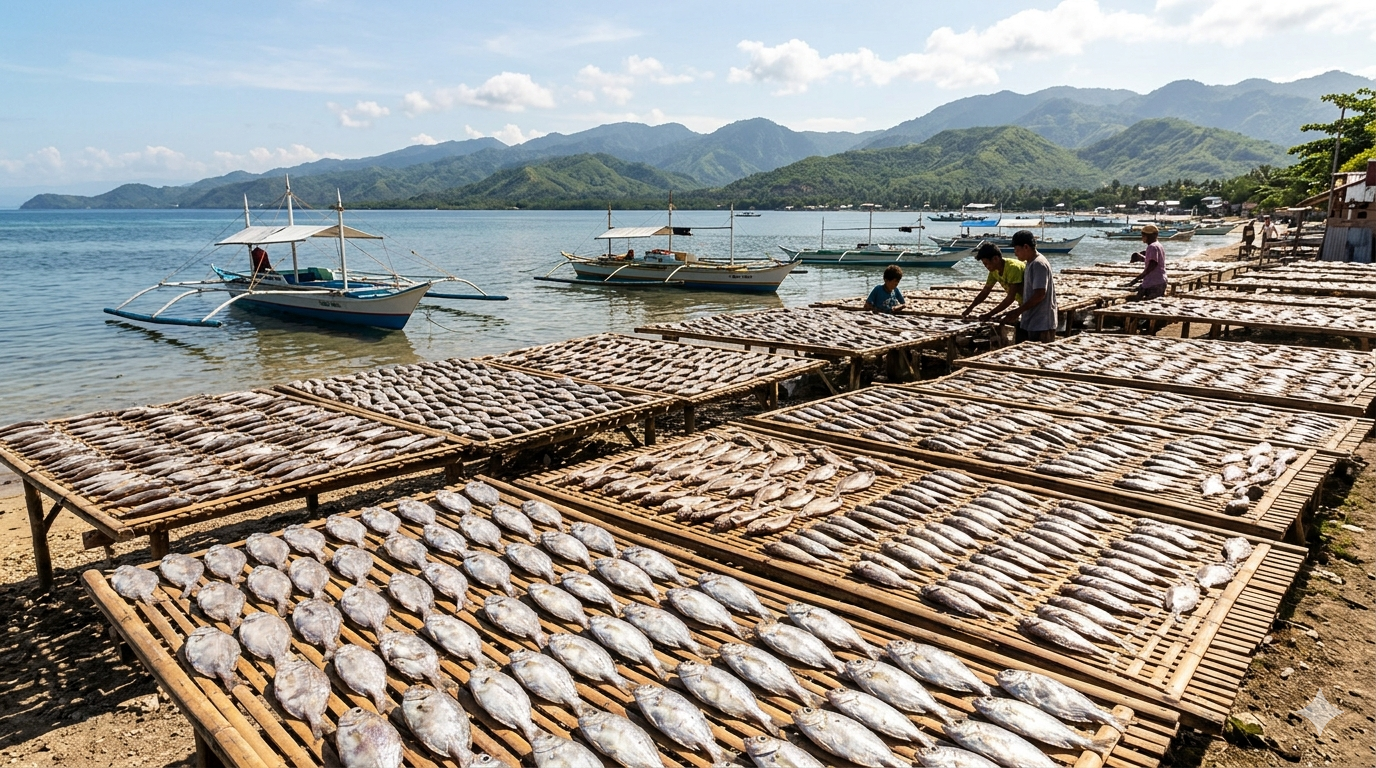
Danggit, a type of salted and dried rabbitfish commonly consumed in the Philippines, is a traditional protein source often enjoyed at breakfast or in snacks. This article provides an educational overview of danggit’s nutritional composition, considerations for meal planning, and safe handling practices. Information aligns with Department of Health (DOH) and Food and Drug Administration (FDA Philippines) guidance.
Nutritional Profile
Danggit is primarily a source of protein and provides essential micronutrients such as calcium, phosphorus, and selenium. Its sodium content is naturally higher due to the salting process. Like other dried fish, it is also a source of omega-3 fatty acids, which are polyunsaturated fats studied for their role in general nutrition.
Dietary Considerations
- Portion awareness: Due to its high sodium content, consuming danggit in moderation may be considered in a balanced meal plan.
- Complementary foods: Pairing danggit with carbohydrate sources (e.g., rice) and vegetables can contribute to meal variety and nutrient balance.
- Cooking and preparation: Frying, grilling, or lightly sautéing are common practices. Proper cooking ensures microbial safety.
Safe Consumption Practices
- Check for signs of spoilage such as unusual odor or discoloration.
- Store in dry, cool environments to prevent mold growth.
- Wash hands and utensils after handling to reduce contamination risk.
Hypothetical Meal Example (Illustrative)
- Breakfast: 50g fried danggit, 1 cup steamed rice, 1/2 cup sautéed vegetables.
- Lunch: Danggit added to vegetable stir-fry with tofu and brown rice.
- Snack: Danggit flakes on a salad or with crackers.
Note: Portions are illustrative and do not imply specific health outcomes.
Context
In nutrition science studies, dried fish like danggit are recognized for protein density and micronutrient content but also for higher sodium levels. Under Philippine consumer protection and labeling standards, food products must indicate ingredients, expiration, and storage instructions. Individual dietary results vary depending on overall intake, activity level, and health status. Licensed nutritionists or medical professionals can provide personalized guidance.
FAQs
What is danggit?
Danggit is a dried, salted fish, typically rabbitfish, consumed in the Philippines as a protein source.
What nutrients are in danggit?
Danggit contains protein, minerals such as calcium and phosphorus, and polyunsaturated fats, including omega-3 fatty acids. It also has naturally high sodium content.
How can danggit be safely included in meals?
Danggit can be incorporated into meals in moderation, paired with vegetables and grains, and handled according to food safety practices.
Trusted Sources
- Department of Health (DOH) Philippines, Nutrition and Food Safety Guidelines
- Food and Drug Administration (FDA Philippines), Food Labeling Regulations
- Philippine Journal of Nutrition, “Nutritional Analysis of Dried Fish Products”
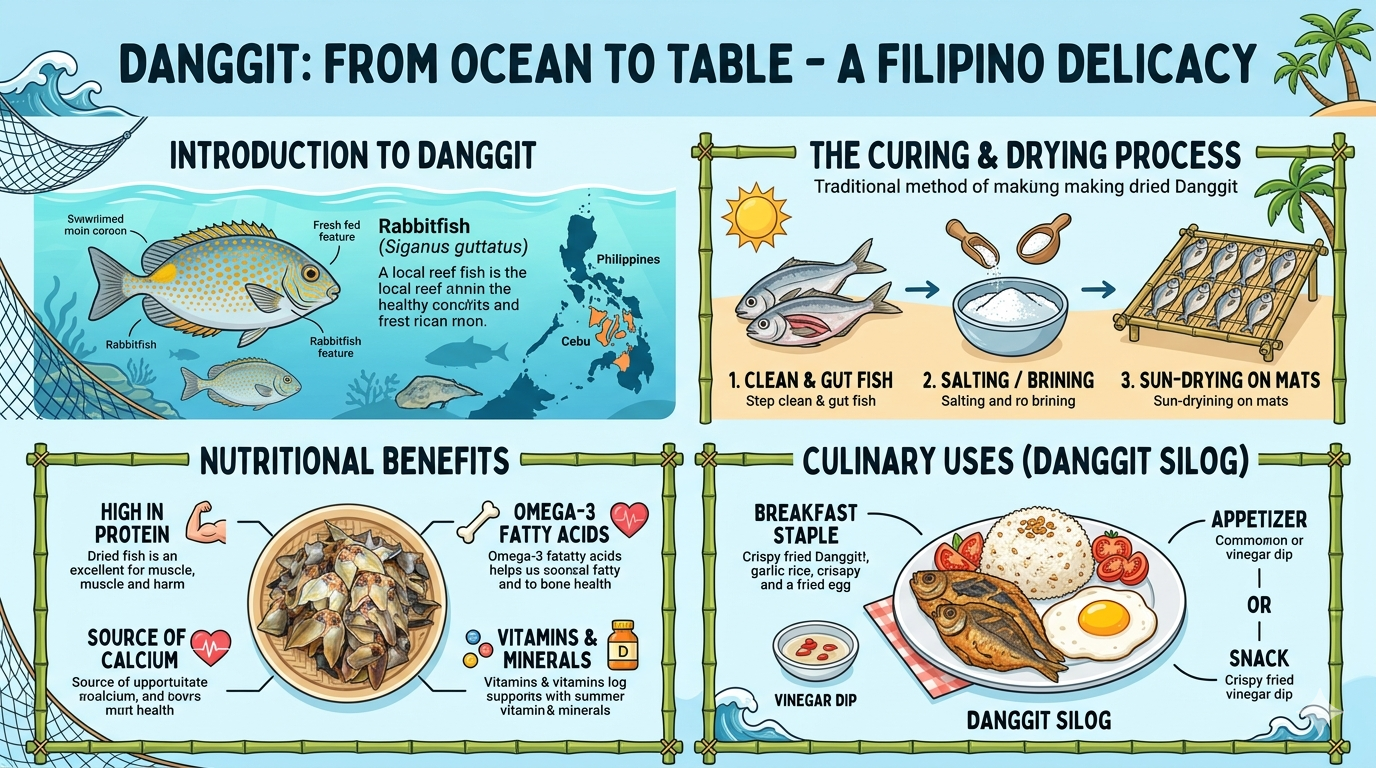
Visual representation of key nutrients in danggit and their relative proportions.
Mandatory Disclaimer
This article is for general informational and educational purposes only. It does not constitute professional medical, nutrition, or dietary advice. References to foods like danggit do not imply endorsement or guarantee of health outcomes. Readers are encouraged to consult licensed nutritionists, dietitians, or medical professionals for personalized guidance.