
Curacha (Spanner Crab): Nutritional Overview and Culinary Context
A neutral educational look at the characteristics, food uses, and basic nutrient profile of curacha.
Spanner crab, commonly called curacha in parts of the Philippines, is a marine crustacean known for its distinctive shell shape and firm meat. In culinary contexts, it is often associated with seafood dishes from southern Philippine regions. This article provides a neutral overview of curacha, including its biological classification, culinary uses, and general nutritional characteristics.
Biological Characteristics
Curacha refers to the species Ranina ranina, a crab with a flattened, reddish-brown shell and spanner-like front claws. Unlike many other crabs that move sideways, this species typically burrows in sandy seabeds and may move forward when emerging.
The species is found in tropical and subtropical waters across the Indo-Pacific region, including coastal areas of the Philippines.
Culinary Context in the Philippines
In Philippine cuisine, curacha is often prepared using regional cooking methods that emphasize seafood freshness. Dishes may include sauces or preparations based on coconut milk, tomatoes, spices, or chili. These preparations vary by locality and household tradition.
Food preparation practices typically involve cleaning, boiling, steaming, or sautéing the crab before combining it with sauces or seasonings.
General Nutritional Profile
Like many edible crabs, curacha meat contains several nutrients commonly found in seafood.
Typical nutritional components of crab meat may include:
- Protein: contributes to the body’s structural and metabolic functions
- Minerals: such as zinc, phosphorus, and selenium
- Vitamin B12: involved in red blood cell formation and nervous system function
- Omega-3 fatty acids: naturally present in some marine foods
Actual nutrient values can vary depending on factors such as the crab’s size, diet, habitat, and cooking method.
Food Safety Considerations
When handling seafood such as curacha, standard food safety practices are generally recommended. These include:
- purchasing seafood from reputable vendors
- maintaining proper refrigeration before cooking
- cooking seafood thoroughly to safe temperatures
- avoiding cross-contamination with raw foods
In the Philippines, seafood safety and food labeling are overseen by agencies such as the Food and Drug Administration and the Department of Health under national food safety regulations.
Context
In nutrition science, seafood is often studied for its protein content and micronutrients. Dietary planning approaches typically consider seafood as one possible source of protein among many food groups, including plant-based options, poultry, meat, legumes, and dairy.
Individual nutritional needs can vary depending on age, health status, dietary preferences, and cultural practices. Consumers are encouraged to consider food safety guidelines and consult qualified nutrition or medical professionals for personalized dietary guidance.
FAQs
What is curacha?
Curacha is the Philippine common name for the spanner crab (Ranina ranina), a marine crustacean found in tropical waters of the Indo-Pacific region.
Is crab meat considered a source of protein?
Crab meat generally contains protein and several micronutrients commonly found in seafood, though nutrient levels can vary depending on species and preparation.
How is curacha typically cooked?
Curacha may be prepared by boiling, steaming, or sautéing before being combined with sauces or seasonings used in regional seafood dishes.
Trusted Sources
- Department of Health
- Food and Drug Administration
- Food and Agriculture Organization
- Peer-reviewed seafood nutrition and marine biology journals
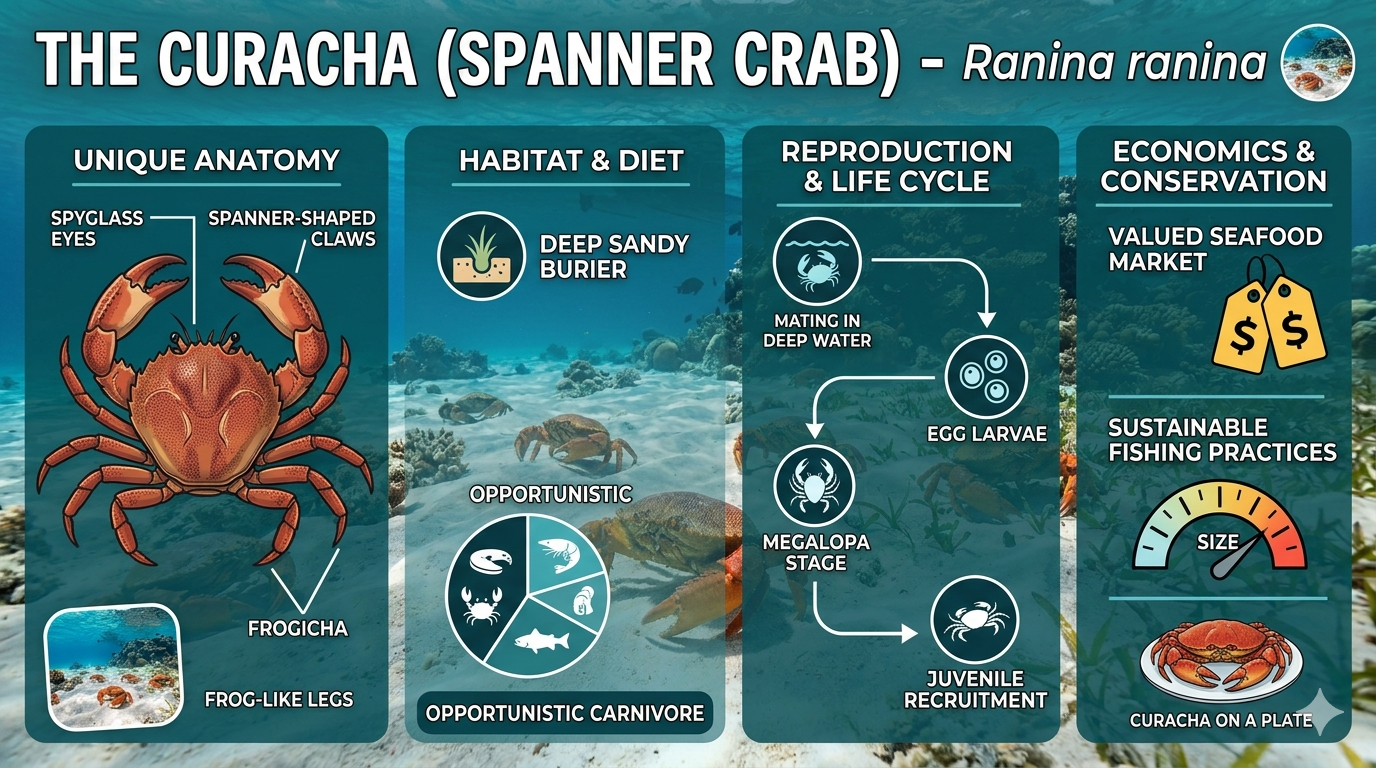
Infographic presenting visual elements related to curacha spanner crab identification and culinary context.
Disclaimer
This article is for general informational and educational purposes only. It does not constitute professional medical, nutrition, or dietary advice. References to diets, foods, or supplements do not imply endorsement or guarantee of health outcomes. Readers are encouraged to consult licensed nutritionists, dietitians, or medical professionals for personalized guidance.