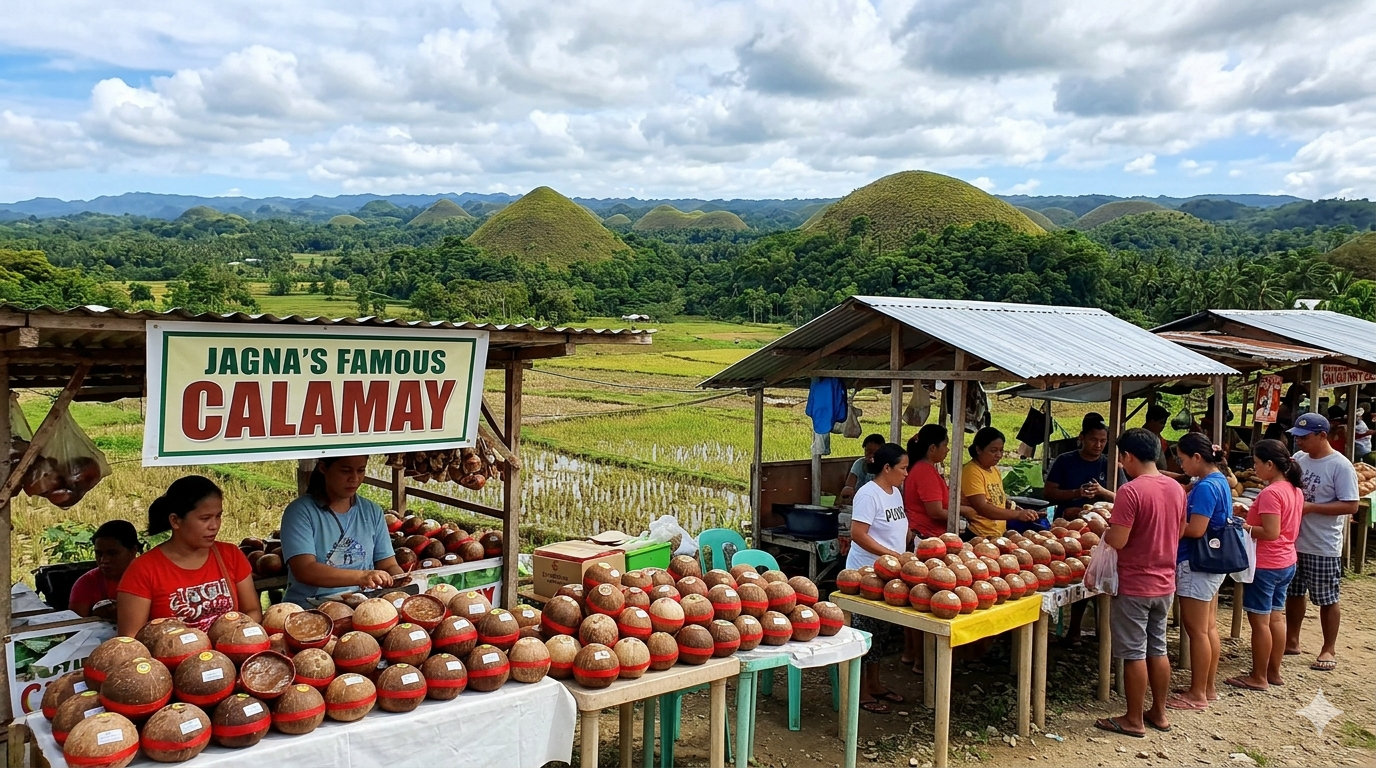
Understanding Calamay: Traditional Filipino Sweet Rice Delicacy
A neutral overview of calamay, its ingredients, preparation, and nutritional considerations.
Calamay is a traditional Filipino sweet delicacy made primarily from glutinous rice, coconut milk, and sugar. This article provides an informational overview of calamay’s ingredients, preparation methods, and general nutritional aspects. Content aligns with guidance from the Philippine Department of Health (DOH), Food and Drug Administration (FDA Philippines), and consumer protection standards. Readers will gain an understanding of calamay without any health or weight claims.
Ingredients and Preparation
Calamay typically includes:
- Glutinous rice – provides carbohydrate content
- Coconut milk – contributes fat and moisture
- Sugar – source of simple carbohydrates
- Optional flavorings – such as ube, vanilla, or latik (cooked coconut curds)
Preparation involves washing and soaking glutinous rice, grinding it into a paste, cooking it with coconut milk and sugar until thick, and sometimes topping with latik for texture. Cooking practices may vary regionally.
Nutritional Considerations
Calamay is a carbohydrate-dense food with moderate fat content from coconut milk. Key points:
- Contains energy-dense ingredients, which provide calories for energy but may be consumed in moderation.
- Provides trace amounts of micronutrients from coconut milk, including potassium and magnesium.
- Generally low in protein and fiber unless paired with other foods.
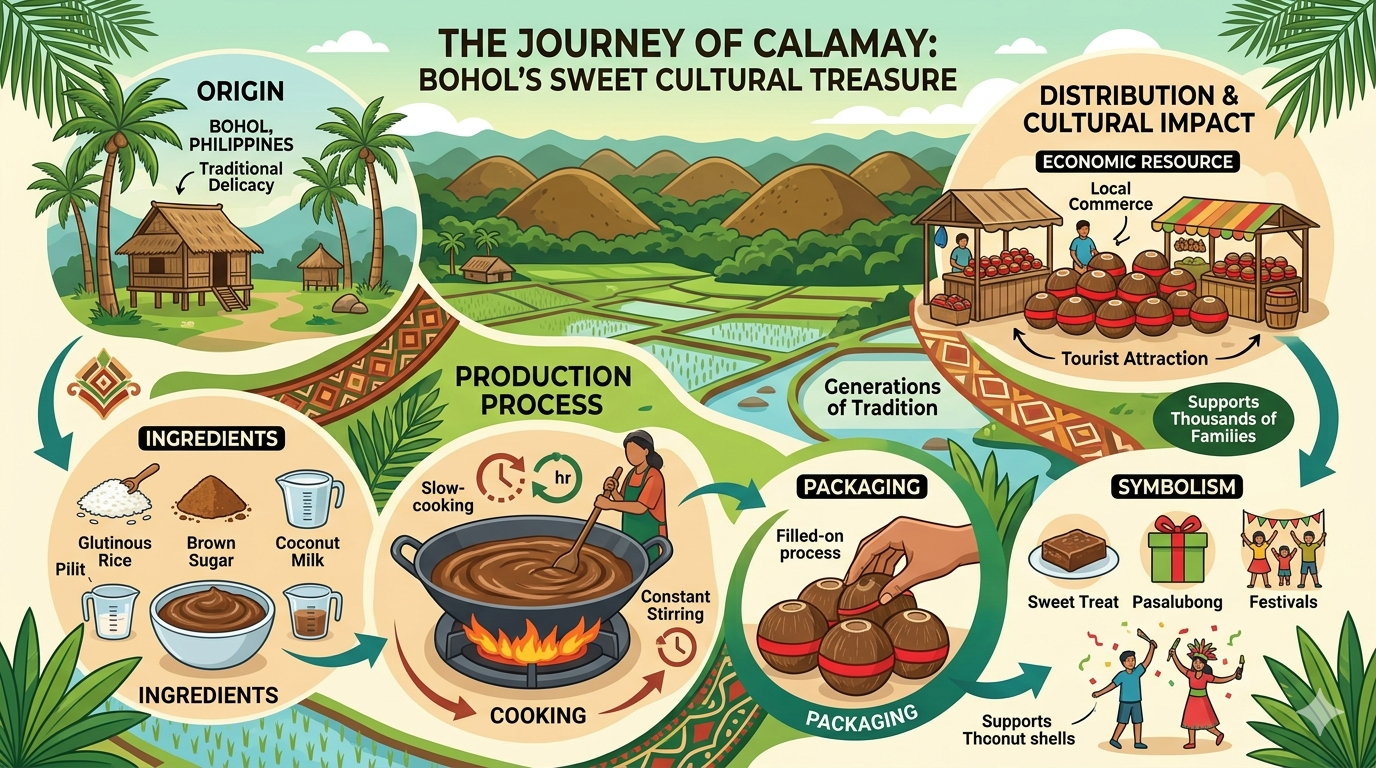
Infographic showing the components and preparation steps of calamay.
Safe Consumption and Storage
- Store calamay in airtight containers in a cool area to prevent spoilage.
- Follow FDA Philippines food handling guidelines for cooked rice products to reduce microbial risk.
- Individuals with dietary restrictions, such as diabetes, may monitor sugar intake when consuming sweet rice products.
Context
In nutrition science studies, traditional foods like calamay are considered occasional treats rather than staple sources of macronutrients. Under consumer protection and labeling standards, commercially sold calamay must clearly display ingredients and expiration dates. Dietary intake varies individually, and consultation with licensed nutrition or medical professionals is recommended for personalized guidance.
FAQs
What is calamay?
Calamay is a Filipino sweet delicacy made from glutinous rice, coconut milk, and sugar, often topped with latik.
What nutrients does calamay contain?
Primarily carbohydrates, small amounts of fat, and trace micronutrients from coconut milk. It is low in protein and fiber.
How should calamay be stored safely?
Store in airtight containers in a cool area and follow proper food handling standards to reduce spoilage risks.
Trusted Sources
- Department of Health Philippines – Food Safety Guidelines
- FDA Philippines – Consumer Food Labeling Guidance
- Academic journals on Philippine traditional foods and nutrition
Disclaimer
This article is for general informational and educational purposes only. It does not constitute professional medical, nutrition, or dietary advice. References to foods or ingredients do not imply endorsement or guarantee of health outcomes. Readers are encouraged to consult licensed nutritionists, dietitians, or medical professionals for personalized guidance.