Understanding Bulalo: Nutritional Overview and Considerations
A neutral guide to the traditional Filipino beef marrow soup, its nutrient composition, and consumer awareness.
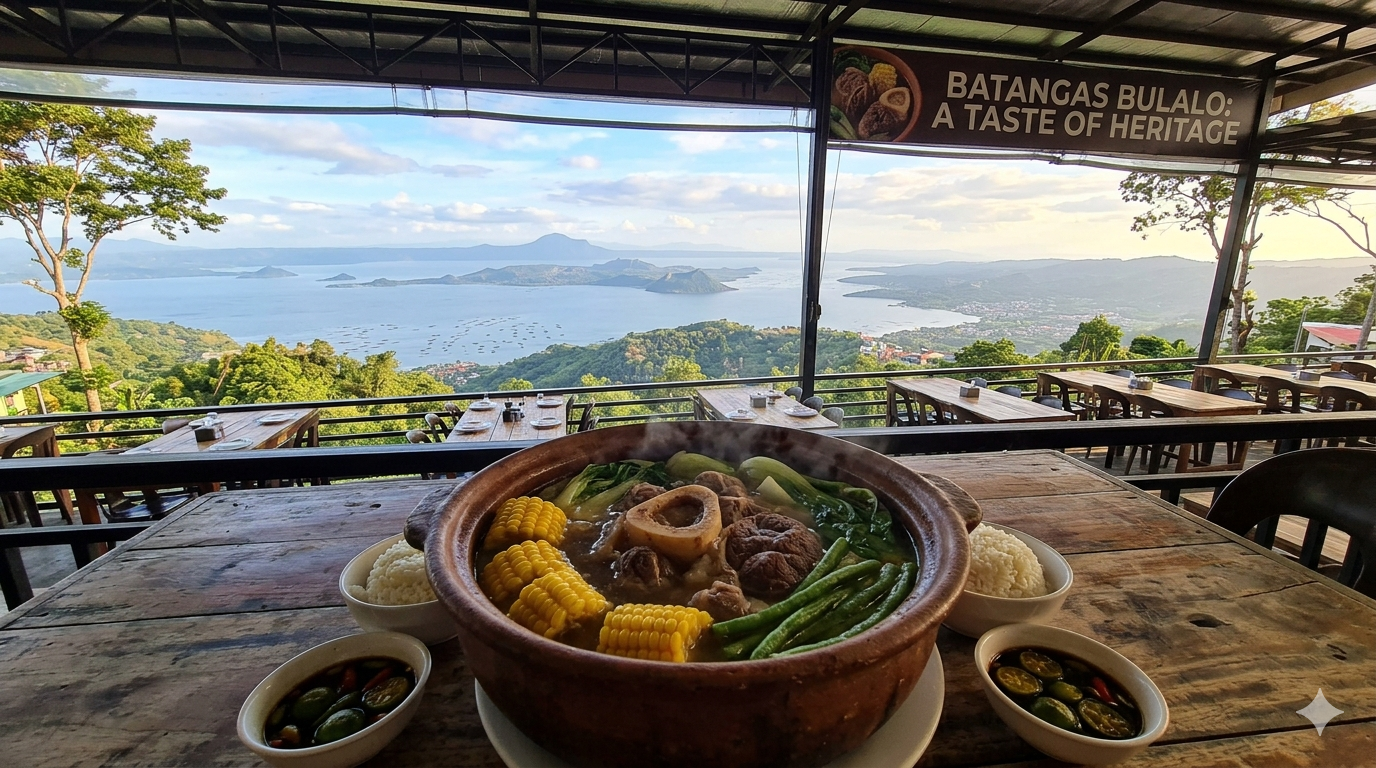
Bulalo is a traditional Filipino dish commonly prepared with beef shank and bone marrow, simmered with vegetables like corn, cabbage, and green beans. This article provides a factual overview of Bulalo’s typical ingredients, macronutrient composition, and considerations for meal planning. The discussion aligns with Philippine food safety and labeling standards monitored by the Department of Health (DOH) and the Food and Drug Administration (FDA).
Nutritional Composition
- Protein: Beef shank is a source of high-quality protein, supporting general dietary needs.
- Fat: Bone marrow contributes fats, primarily unsaturated and some saturated fats. Fat content may vary depending on cut and preparation method.
- Carbohydrates: Vegetables and corn provide dietary fiber and complex carbohydrates.
- Micronutrients:
- Iron and zinc from beef
- Vitamin C and folate from vegetables
- Calcium from simmered bones (trace amounts)
Dietary Principles and Considerations
- Bulalo is nutrient-dense but can be energy-dense depending on the amount of marrow and fatty cuts used.
- Portion control and pairing with other foods can help balance overall meal nutrition.
- Sodium content may increase if commercial broth or seasoning mixes are used; consumers should check ingredient labels for added sodium in packaged products.
Hypothetical Meal Planning Example (Informational)
- Lunch portion: 100–120 g of beef shank, 1 cup broth, ½ cup corn, 1 cup leafy vegetables
- Balanced pairing: Serve with brown rice or steamed root vegetables for additional fiber and carbohydrates.
- Hydration: Broth contributes to fluid intake but should not replace plain water consumption.
Consumer Awareness
- When purchasing pre-packaged or ready-to-eat Bulalo, review labeling for nutrition facts, ingredients, and expiration dates.
- Verify authenticity and freshness of beef from trusted sources, in line with FDA and LGU meat handling guidelines.
- Be mindful of portion sizes and frequency; individual nutritional needs vary.
Context
In nutrition science studies, dishes like Bulalo can contribute protein, minerals, and vitamins when consumed as part of a balanced diet. Under consumer protection and labeling standards, awareness of ingredients, sodium levels, and fat content helps maintain safe dietary practices. Dietary outcomes differ among individuals depending on overall intake, activity level, and health conditions. Licensed nutritionists or dietitians can provide personalized guidance if needed.
FAQs
Q: What nutrients are in Bulalo?
A: Bulalo contains protein from beef, fats from marrow, complex carbohydrates and fiber from vegetables, and minerals such as iron and zinc.
Q: Is Bulalo high in sodium?
A: Sodium content depends on seasoning or broth used. Commercial seasonings can increase sodium levels.
Q: How can Bulalo fit into meal planning?
A: It can be included as part of a balanced meal alongside vegetables and whole grains. Portion sizes should reflect individual energy needs.
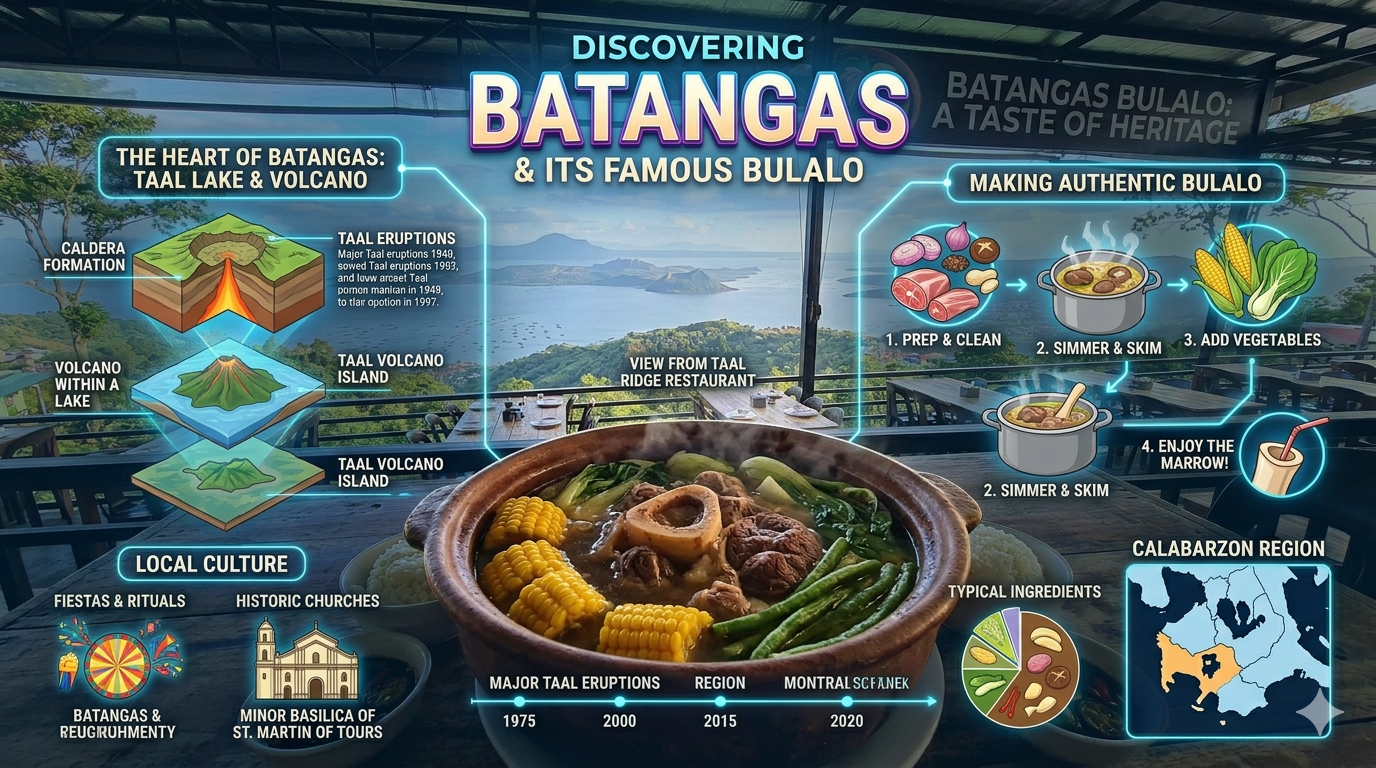
Infographic depicting main ingredients of Batangas-style Bulalo
Trusted Sources
- Department of Health Philippines – Nutrition Facts and Guidelines
- Food and Drug Administration Philippines – Food Safety & Labeling
- Philippine Journal of Nutrition – Peer-reviewed studies on traditional Filipino dishes
Disclaimer
This article is for general informational and educational purposes only. It does not constitute professional medical, nutrition, or dietary advice. References to foods or dishes do not imply endorsement or guarantee of health outcomes. Readers are encouraged to consult licensed nutritionists, dietitians, or medical professionals for personalized guidance.