Understanding Bodbod (Sticky Rice): Nutritional Overview and Cultural Context
A neutral overview of sticky rice, its nutritional composition, and considerations for meal planning.
This article provides an educational look at bodbod, a traditional Filipino sticky rice preparation often enjoyed as a snack or dessert. Under Philippine food safety and labeling standards, understanding the nutritional composition of sticky rice and its preparation methods is important for informed dietary choices. Readers will learn about its macronutrient profile, safe consumption considerations, and neutral meal planning examples.
What is Bodbod?
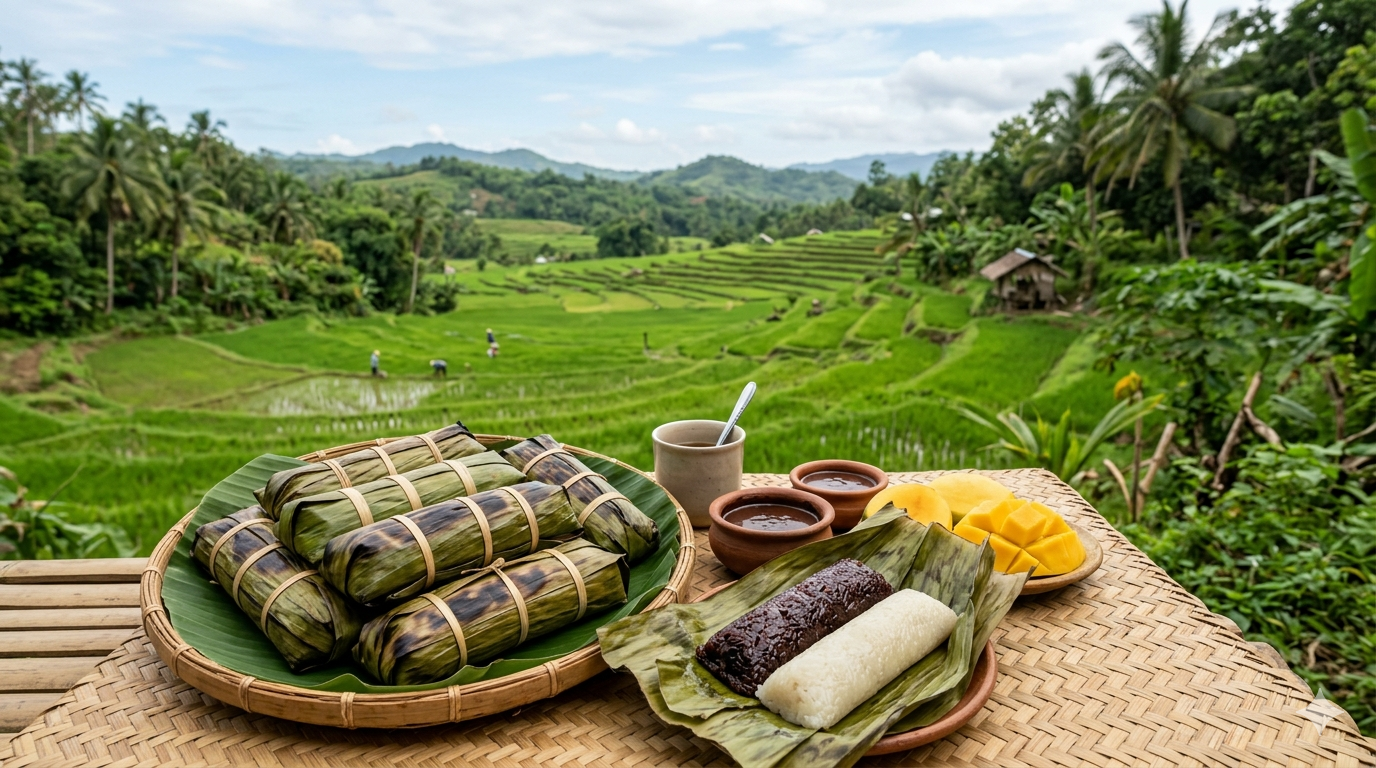
Bodbod is a traditional Filipino dish made from glutinous rice (sticky rice) usually steamed and sometimes wrapped in banana leaves. It can be prepared plain or with flavorings such as coconut milk or sugar. Variations may exist regionally across the Philippines.
Nutritional Composition (Informational Only)
Sticky rice primarily provides carbohydrates, which serve as a source of energy. Depending on preparation, it may also contain:
- Carbohydrates: The main macronutrient in glutinous rice; contributes to energy intake.
- Protein: Small amounts from rice, slightly higher if mixed with coconut or other ingredients.
- Fat: Typically low, unless coconut milk or oil is added.
- Micronutrients: B vitamins and trace minerals are present in small amounts; fortification or added ingredients may affect content.
- Fiber: Low in plain sticky rice; higher if whole grain versions or additional ingredients are used.
Hypothetical Meal Context
For neutral meal planning, bodbod can be part of a balanced meal. For example:
- Breakfast: Bodbod portion (50–100 g cooked) with a side of fruit and low-fat milk.
- Snack: Small piece of bodbod with herbal tea or water.
Consumer Considerations
- Portion control: Sticky rice is energy-dense; awareness of serving size can help manage overall carbohydrate intake.
- Preparation safety: Ensure rice is fully cooked and stored properly to prevent bacterial growth.
- Ingredient awareness: Check added sugars, coconut milk, or other flavorings for their nutritional contribution.
- Labeling & sourcing: If purchasing packaged bodbod, verify FDA registration and ingredient disclosure under Philippine regulations.
Context
In nutrition science studies, glutinous rice is classified as a carbohydrate-rich food that is generally low in fat and protein. Under consumer protection and labeling standards in the Philippines, food items like bodbod should clearly indicate ingredients and allergens. Diet planning typically involves balancing macronutrients and portion sizes, and individual nutritional needs vary. Licensed nutritionists or dietitians can provide personalized guidance.
FAQs
What is sticky rice (bodbod)?
Sticky rice, or glutinous rice, is a variety of rice with a high starch content that makes it sticky when cooked. Bodbod is a Filipino preparation of this rice.
What nutrients are in bodbod?
Bodbod mainly contains carbohydrates, with small amounts of protein and fat. Micronutrient content varies depending on preparation and added ingredients.
Can bodbod be included in meal planning?
It can be part of a neutral dietary plan when portion sizes are considered, alongside fruits, vegetables, and protein sources.
Trusted Sources
- Department of Health Philippines (DOH) — Nutrition and Food Safety Advisories
- Food and Drug Administration Philippines (FDA) — Labeling and Ingredient Guidelines
- Philippine Nutrition Foundation (PhilNutrition) — Academic nutrition resources
- Peer-reviewed journals on carbohydrate-rich foods and dietary planning
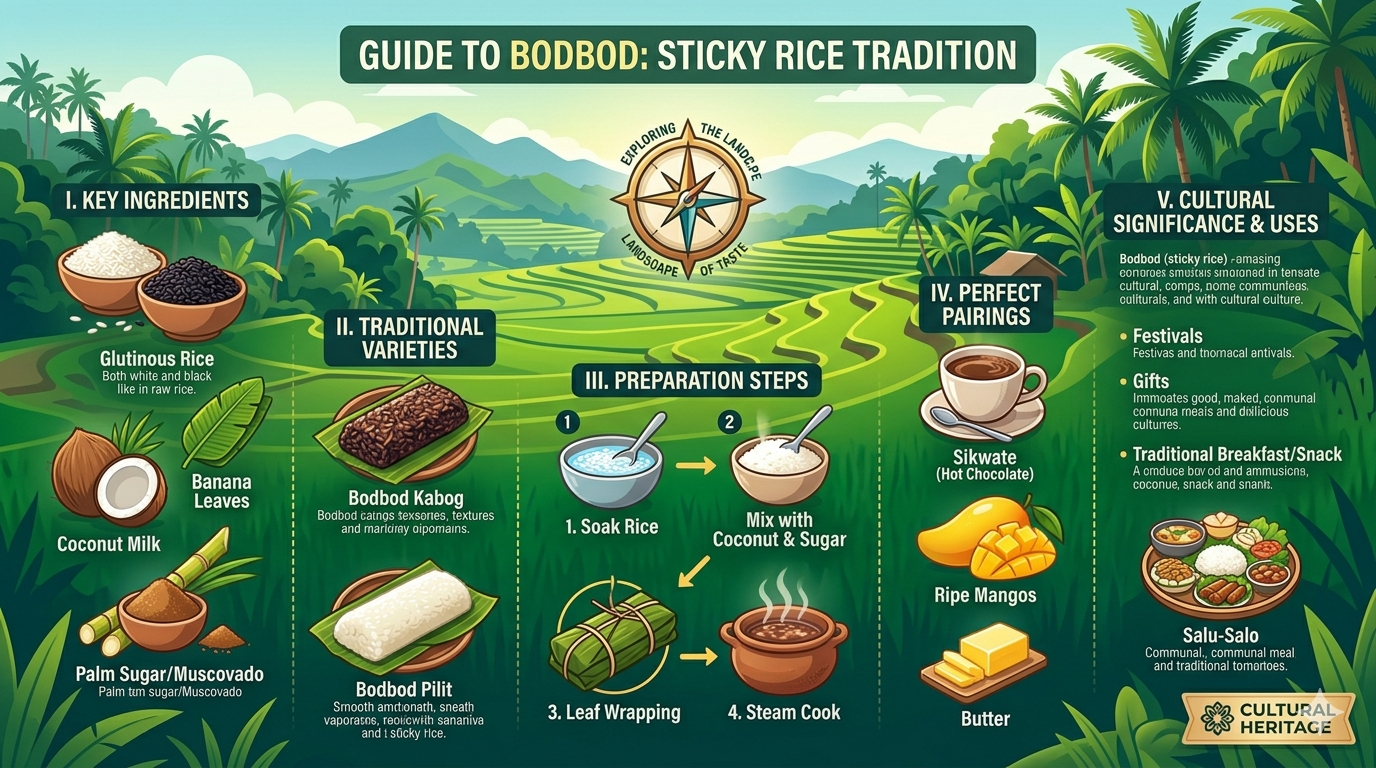
Illustrates bodbod ingredients and preparation steps
Disclaimer
This article is for general informational and educational purposes only. It does not constitute professional medical, nutrition, or dietary advice. References to foods or traditional dishes do not imply endorsement or guarantee of health outcomes. Readers are encouraged to consult licensed nutritionists, dietitians, or medical professionals for personalized guidance.