Understanding Silvanas: A Filipino Frozen Cookie Dessert
A neutral overview of the ingredients, preparation method, and nutritional considerations of a traditional Filipino dessert.
Silvanas are a well-known Filipino dessert commonly associated with the province of Negros Oriental. The confection consists of layers of meringue wafers and buttercream filling, coated in fine cookie crumbs and typically served chilled or frozen. This article explains the basic composition of silvanas, their common ingredients, and general nutrition considerations within the context of balanced dietary awareness.
What Are Silvanas?
Silvanas are frozen sandwich-style cookies traditionally made from two meringue wafers filled with buttercream and rolled in crushed cookie crumbs. They are often stored in freezers and served cold, giving the dessert a firm exterior and creamy interior texture.
Silvanas are widely recognized in Philippine dessert culture and are frequently sold in bakeries, cafés, and pastry shops. Their preparation and ingredient variations may differ depending on the bakery or recipe.
Typical Ingredients
Common ingredients used in silvanas include:
- Egg whites (used to prepare meringue wafers)
- Granulated sugar
- Ground nuts, often cashews
- Butter or butter-based frosting
- Cookie crumbs or crushed biscuits for coating
The meringue wafers are baked first. After cooling, a buttercream layer is added between two wafers, forming a sandwich. The assembled cookie is then coated in fine crumbs and chilled before serving.
Texture and Serving Style
Silvanas are generally stored in cold temperatures. Freezing helps maintain their structure and allows the buttercream filling to remain firm when eaten.
They are commonly served as a small dessert portion and may accompany beverages such as coffee or tea in some bakery settings.
Nutritional Considerations
Because silvanas contain sugar, butter, and nuts, they provide energy from carbohydrates and fats. Nuts may also contribute small amounts of protein and minerals.
Desserts like silvanas are typically categorized as energy-dense foods due to their sugar and fat content. Within general dietary guidance, such foods are often consumed in moderate portions as part of varied eating patterns that include fruits, vegetables, grains, and other nutrient-dense foods.
Portion sizes and ingredient composition can vary depending on the recipe or bakery preparation.
Context
In nutrition science, desserts are commonly described as occasional foods within broader dietary patterns. Balanced diet planning generally involves a variety of food groups to support nutrient intake.
Under Philippine consumer protection and food safety standards administered by the Department of Health (DOH) and Food and Drug Administration (FDA Philippines), packaged food products should provide ingredient lists and labeling information to help consumers understand what they are eating.
Dietary needs and responses to foods differ between individuals. For personalized dietary planning, consultation with licensed nutrition professionals is typically recommended.
FAQs
What type of dessert are silvanas?
Silvanas are frozen sandwich cookies made from meringue wafers, buttercream filling, and a crumb coating. They are commonly served chilled and are associated with Filipino pastry traditions.
What ingredients are commonly used in silvanas?
Typical ingredients include egg whites, sugar, butter or buttercream frosting, ground nuts such as cashews, and crushed cookies or biscuits used for coating.
How are silvanas usually stored?
They are usually kept refrigerated or frozen. Cold storage helps maintain the texture of the buttercream filling and the crispness of the meringue wafers.
Trusted Sources
- Department of Health (Philippines) — Nutrition and dietary guidance resources
- Food and Drug Administration Philippines — Food labeling and safety information
- Peer-reviewed nutrition and food science journals
- Academic references on Philippine culinary traditions and food science
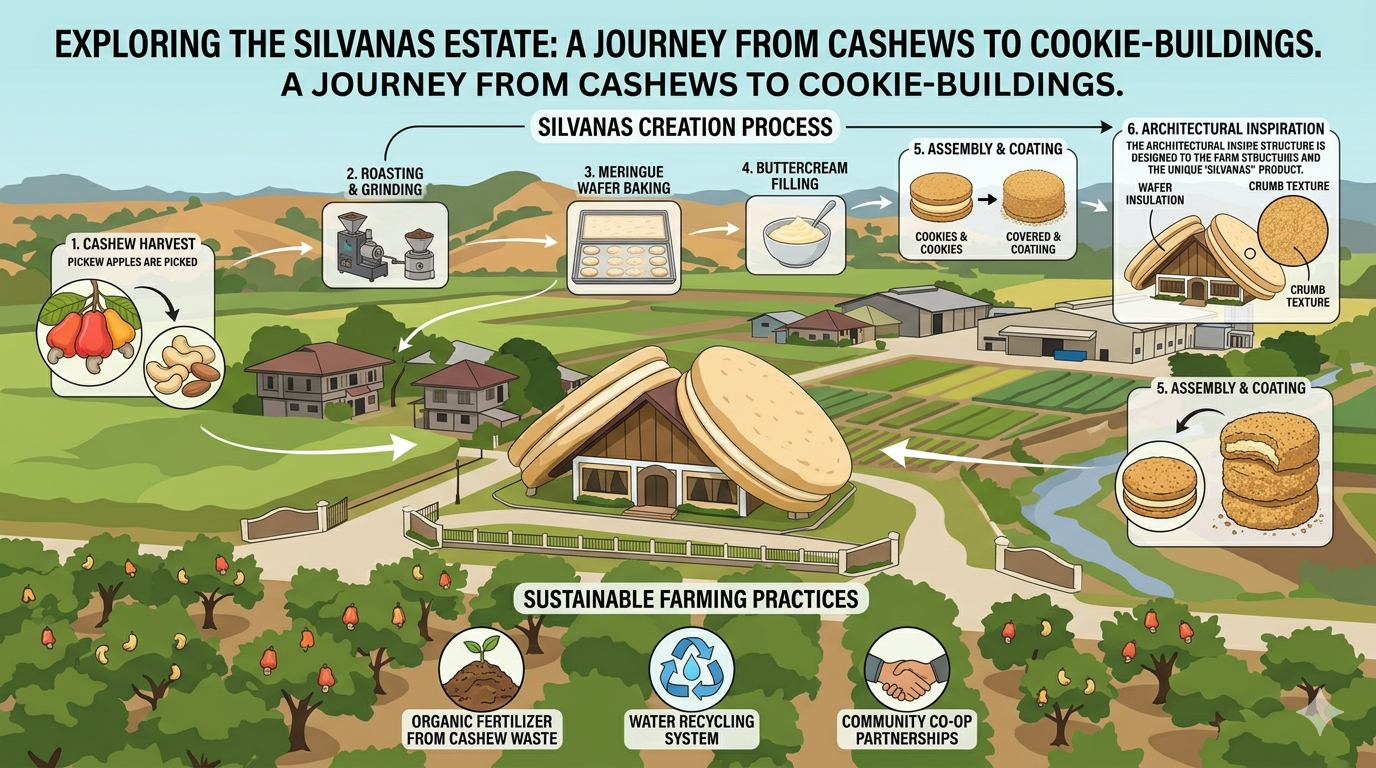
Illustrated layout presenting typical ingredients and layered structure of silvanas dessert.
Disclaimer
This article is for general informational and educational purposes only. It does not constitute professional medical, nutrition, or dietary advice. References to diets, foods, or supplements do not imply endorsement or guarantee of health outcomes. Readers are encouraged to consult licensed nutritionists, dietitians, or medical professionals for personalized guidance.