Understanding Lugaw and Arroz Caldo: A Neutral Nutrition Overview
Exploring the nutritional composition, food preparation, and cultural context of rice porridge in the Philippines
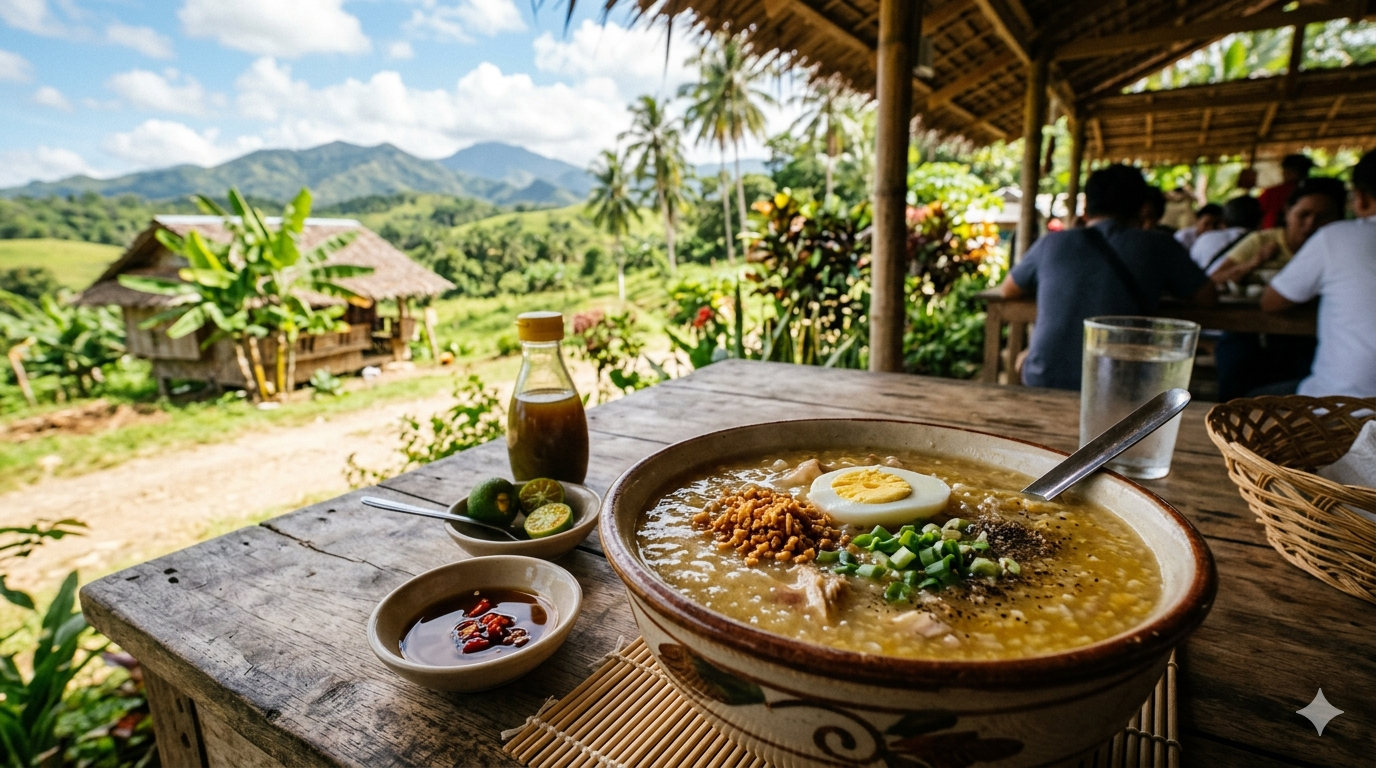
Lugaw and arroz caldo are types of rice porridge commonly consumed in the Philippines. These dishes are traditionally made from rice cooked in water or broth until soft, often with additions such as chicken, garlic, ginger, or garnishes like spring onions and fried garlic. This article provides a neutral, educational overview of their nutritional content, typical ingredients, and considerations for balanced meal planning. References are made to general dietary guidelines promoted by the Department of Health (DOH) and the Food and Drug Administration (FDA Philippines).
Nutritional Principles of Lugaw and Arroz Caldo
Rice porridge primarily provides carbohydrates, the body’s main source of energy. Depending on preparation, it can also supply protein (from chicken or other protein sources), dietary fiber (from added vegetables), and micronutrients such as vitamin B-complex and minerals like iron and zinc.
Key considerations in evaluating nutritional value:
- Macronutrients: Rice porridge is high in carbohydrates, moderate in protein if meat or legumes are included, and low in fat unless added oils or toppings are used.
- Micronutrients: Ingredients like ginger and green onions contribute antioxidants and small amounts of vitamins. Chicken adds B-vitamins, phosphorus, and selenium.
- Hydration: As a dish with high water content, it can contribute to daily fluid intake.
Food Group and Portion Context
Under Philippine dietary guidelines, a balanced meal generally includes a combination of:
- Carbohydrate source: Rice (main ingredient)
- Protein source: Chicken, egg, or tofu (optional)
- Vegetables/herbs: Ginger, green onions, garlic (optional)
- Fats: Minimal, usually from cooking oil or toppings
Portion control can be applied in hypothetical meal planning. For example, a standard serving might include 1 cup of cooked rice porridge, 50–75 grams of chicken, and 1–2 tablespoons of vegetables. This provides a moderate energy intake without implying any specific health outcome.
Hypothetical Meal Planning Example
A neutral daily meal plan incorporating lugaw or arroz caldo:
| Meal | Food | Approx. Serving |
|---|---|---|
| Breakfast | Lugaw with small chicken portion | 1 cup |
| Snack | Fresh fruit (banana or papaya) | 1 medium piece |
| Lunch | Grilled fish, mixed vegetables, ½ cup rice | 1 serving each |
| Snack | Plain yogurt | ½ cup |
| Dinner | Arroz caldo with lean chicken and spring onions | 1 cup |
Note: This example is for illustration only. Individual dietary needs vary.
Consumer Awareness and Safe Preparation
Under DOH and FDA Philippines guidelines:
- Ensure rice and chicken are cooked thoroughly to reduce foodborne illness risk.
- Avoid excessive salt to support heart health.
- Observe safe handling practices and hygiene when preparing porridge.
- Store leftovers in refrigeration and reheat to steaming temperature before consumption.
Context
In nutrition science studies, rice porridge is often recommended as a comfort food due to its digestibility and hydration properties. Under consumer protection and labeling standards, commercially prepared lugaw or arroz caldo should list ingredients, allergens, and expiration dates. Dietary outcomes vary individually, and this overview is for educational purposes only. Readers may consult licensed nutritionists for guidance on integrating porridge into personal meal plans.
FAQs
What is lugaw?
Lugaw is a Filipino rice porridge made by boiling rice in water until soft. It may include optional protein and garnishes.
What is arroz caldo?
Arroz caldo is a rice porridge similar to lugaw, often flavored with chicken, ginger, and garlic.
Can rice porridge be part of a balanced diet?
Rice porridge can contribute to carbohydrate and protein intake when paired with other food groups. Portion sizes and variety help maintain nutrient balance.
Trusted Sources
- Department of Health (DOH Philippines) Nutrition Advisory Materials
- Food and Drug Administration Philippines: Food Safety Guidelines
- Philippine Nutrition Foundation (PhilNutrition) educational resources
- Academic journals on macronutrients and dietary planning
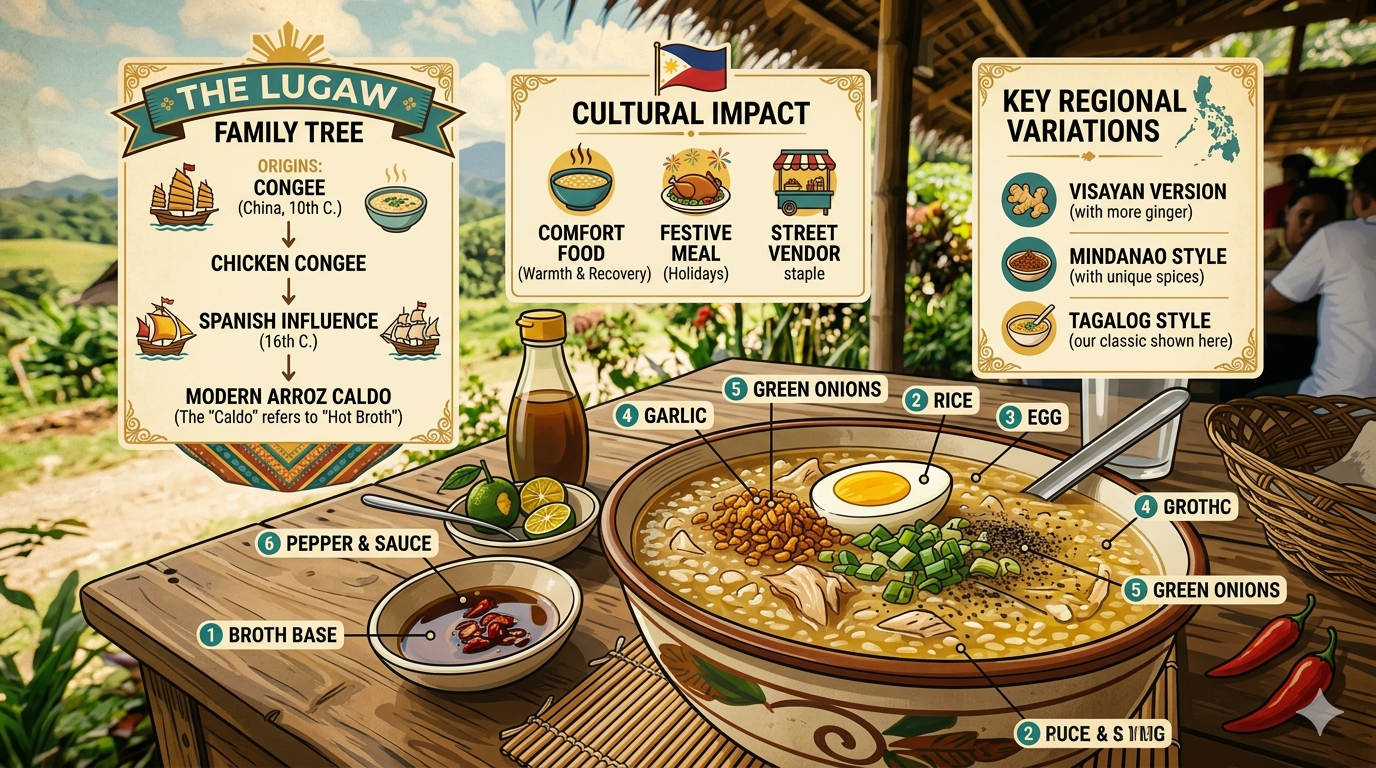
Illustration showing ingredients and cooking steps for lugaw and arroz caldo
Disclaimer
This article is for general informational and educational purposes only. It does not constitute professional medical, nutrition, or dietary advice. References to lugaw, arroz caldo, or other foods do not imply endorsement or guarantee of health outcomes. Readers are encouraged to consult licensed nutritionists, dietitians, or medical professionals for personalized guidance.