Tinutong na Kanin: Nutritional Overview and Culinary Context
A neutral guide on the preparation, nutritional aspects, and safe consumption of tinutong na kanin.
Tinutong na kanin is a traditional Filipino preparation of rice in which the bottom layer becomes lightly toasted or browned during cooking. This article explores its nutritional characteristics, culinary preparation, and consumer considerations. Under Philippine food safety and labeling standards, understanding cooking methods and nutrient content is part of safe dietary awareness.
Culinary Preparation
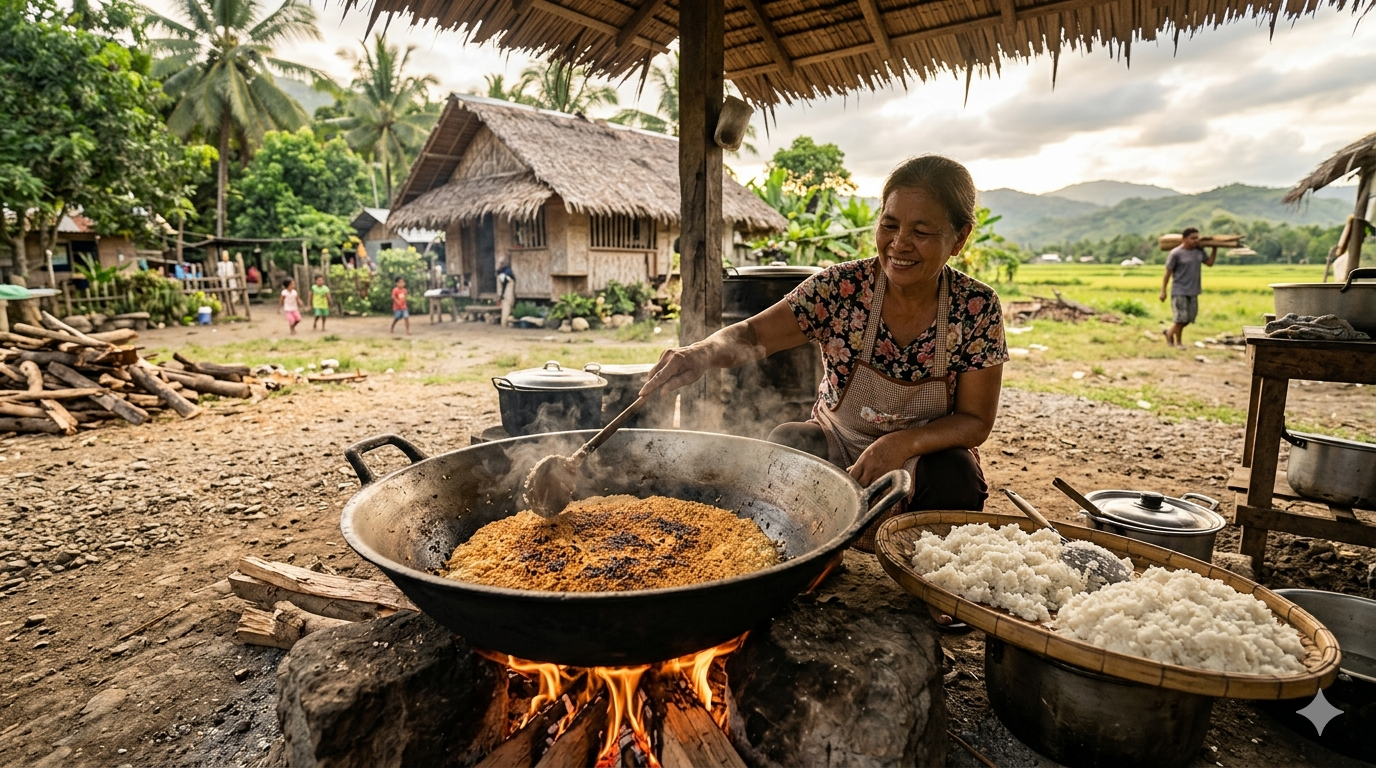
Tinutong na kanin forms naturally when rice is cooked in a pot or clay vessel and the bottom layer develops a toasted texture due to Maillard reactions. It is often served as part of meals or used as an ingredient in traditional snacks.
Nutritional Principles
- Macronutrients: Rice primarily provides carbohydrates, with small amounts of protein and negligible fat. Tinutong na kanin has a slightly altered carbohydrate profile due to minor browning.
- Micronutrients: Trace minerals present in rice, such as magnesium and phosphorus, are largely retained after toasting.
- Energy Consideration: Toasting may slightly reduce moisture content, concentrating the caloric density per gram.
Safe Consumption Practices
- Avoid excessive browning to reduce formation of potentially harmful compounds such as acrylamide.
- Ensure rice is stored and reheated safely to minimize bacterial growth.
- Portion intake as part of balanced meals including vegetables, protein sources, and other nutrient-dense foods.
Hypothetical Meal Example
Breakfast Scenario:
- ½ cup cooked tinutong na kanin
- 1 boiled egg
- ½ cup sautéed vegetables
- 1 cup water
Nutrient breakdown (illustrative, approximate):
- Carbohydrates: 25–30g
- Protein: 6–8g
- Fat: 2–3g
- Fiber: 2–3g
Context
In nutrition science studies, variations in cooking methods can affect minor nutrient content and food safety. Under consumer protection and labeling standards in the Philippines, traditional foods like tinutong na kanin are considered safe when prepared and stored properly. Dietary results vary individually, and consumers should consider overall meal balance rather than focusing on a single food item.
FAQs
What is tinutong na kanin?
It is rice that has been lightly toasted or browned at the bottom during cooking.
Does toasting rice change its nutrients?
Minor nutrient changes may occur, mostly affecting moisture and slightly concentrating calories.
Is tinutong na kanin safe to eat?
Yes, when cooked properly and consumed as part of a balanced diet. Avoid excessive burning and ensure safe storage.
Trusted Sources
- Department of Health (DOH Philippines) – Food Safety Guidelines
- Food and Drug Administration (FDA Philippines) – Rice and Staple Foods Reference
- Philippine Rice Research Institute (PhilRice) – Nutritional Composition of Rice
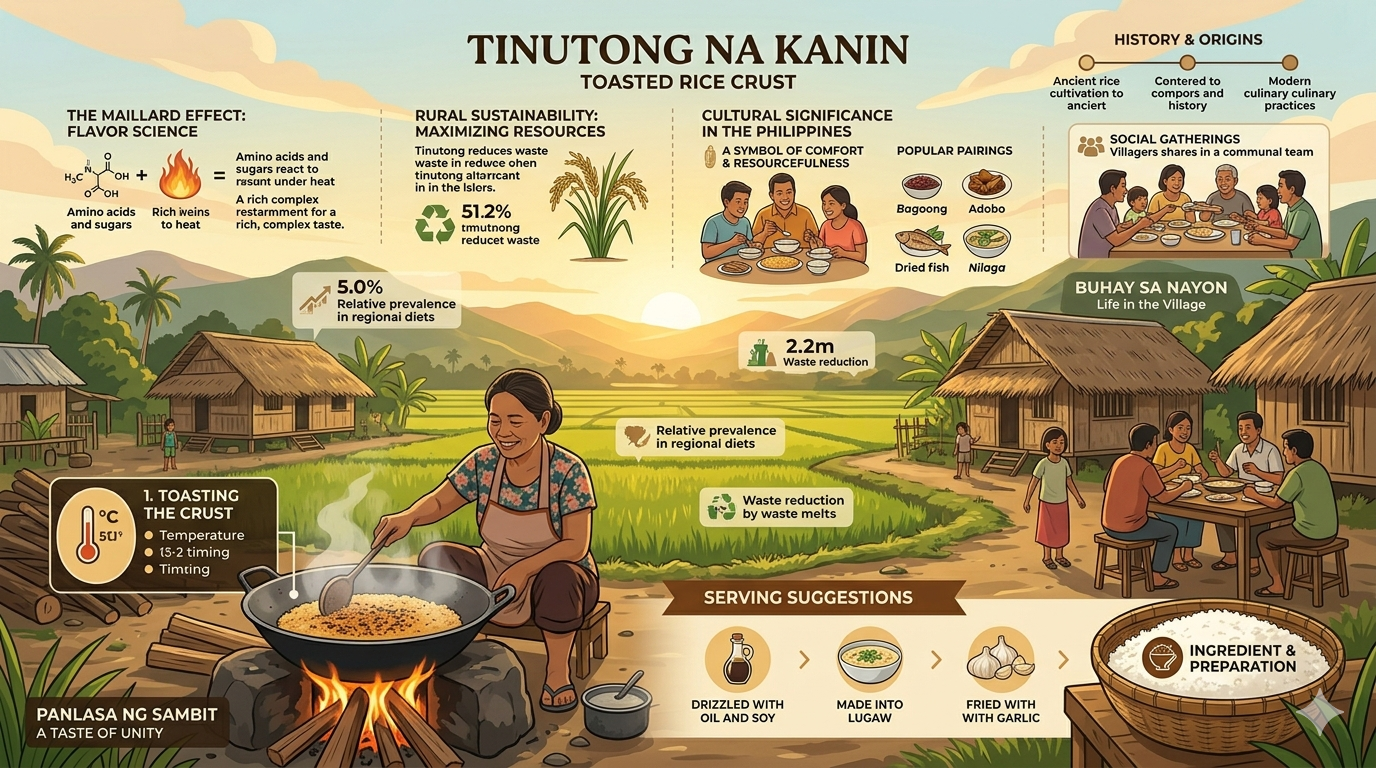
Infographic showing rice layers and cooking overview without guidance or outcomes.
Disclaimer
This article is for general informational and educational purposes only. It does not constitute professional medical, nutrition, or dietary advice. References to foods or preparation methods do not imply endorsement or guarantee of health outcomes. Readers are encouraged to consult licensed nutritionists, dietitians, or medical professionals for personalized guidance.