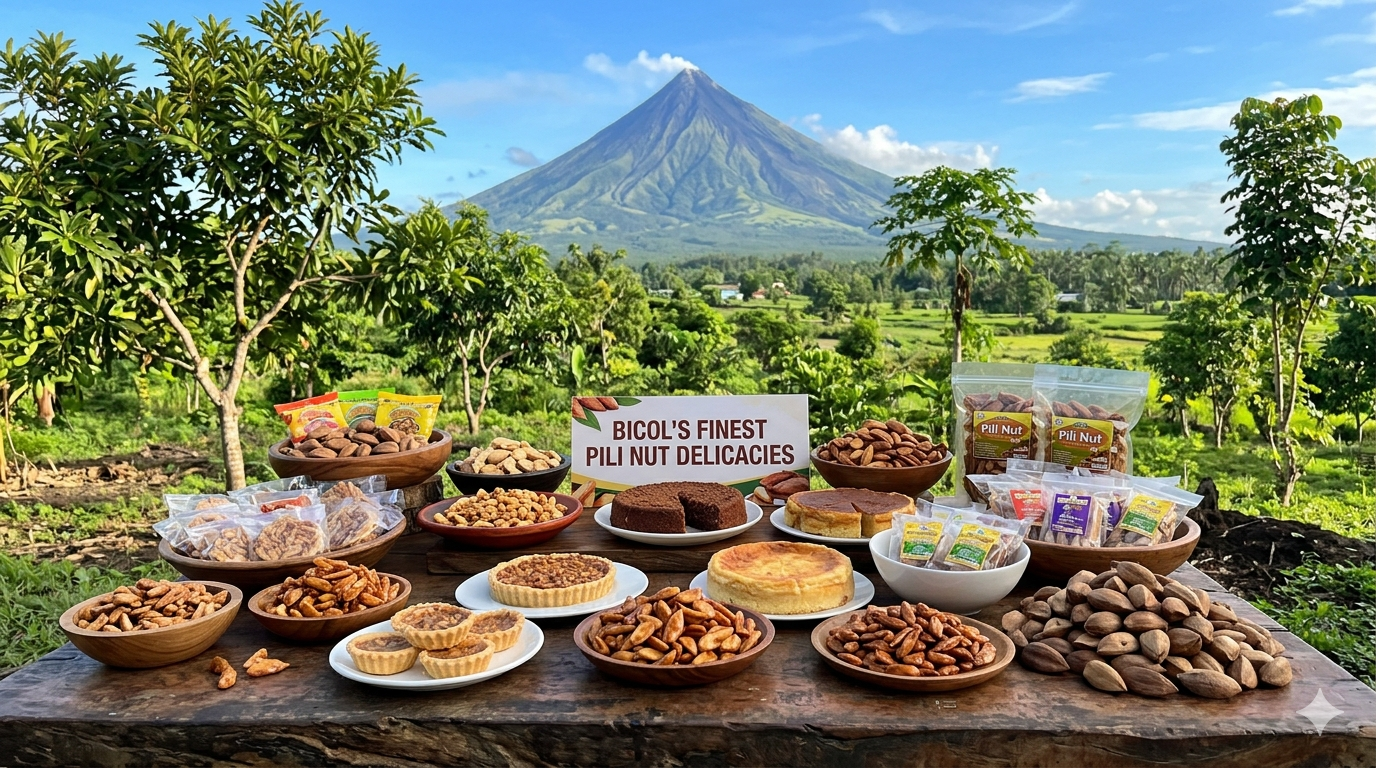
Pili Nut Delicacies: An Educational Overview of Nutritional Use
A neutral review of pili nuts, their nutritional profile, and common ways they are used in Philippine foods.
Pili nuts (from Canarium ovatum) are native to the Philippines and are commonly used in snacks, pastries, and confectionery. This article provides an educational overview of pili nuts, their nutrient content, and how they are incorporated into various delicacies. The discussion aligns with Department of Health (DOH) and Food and Drug Administration (FDA) standards for safe food consumption and labeling. Readers will learn about the macronutrient and micronutrient aspects of pili nuts and neutral considerations for including them in hypothetical meal planning.
Nutritional Profile of Pili Nuts
Pili nuts are naturally rich in:
- Monounsaturated fats – a source of dietary energy and essential fatty acids
- Protein – contributes to daily protein intake when included in meals
- Dietary fiber – supports digestion
- Micronutrients – including magnesium, phosphorus, and vitamin E
Because they are calorie-dense, portions are typically moderate in balanced meal planning. Pili nuts can be roasted, blended into spreads, or incorporated into baked goods.
Common Pili Nut Delicacies
- Pili Nut Candies and Brittle – Roasted nuts coated in sugar or caramel; consumed as snacks in small portions.
- Pili Nut Chocolate – Mixed with chocolate in confectionery items; provides additional flavor and fat content.
- Baked Goods – Cookies, pastries, and cakes sometimes use ground or chopped pili nuts for texture and nutrient contribution.
- Nut Butter – Creamy spreads made from roasted pili nuts; can be used as an ingredient in sandwiches or desserts.
These delicacies are primarily appreciated for their flavor and texture, and nutritional content can vary depending on preparation methods, such as added sugar or fat.
Safe Consumption Considerations
- Pili nuts are generally safe for consumption by the general population, except in cases of tree nut allergies.
- Moderation is recommended due to high caloric content.
- When purchasing packaged pili nut products, checking FDA labeling for ingredient lists, expiration dates, and product authenticity is advised.
Context
In nutrition science studies, nuts are recognized as energy-dense foods that contribute healthy fats and micronutrients to the diet. Under Philippine consumer protection and labeling standards, packaged nuts must list all ingredients and allergens clearly. Dietary planning involving pili nuts typically focuses on portion control and balance with other macronutrients. Nutritional outcomes vary individually, and personalized guidance should be sought from licensed dietitians or medical professionals if needed.
FAQs
What are pili nuts?
Pili nuts are edible seeds from the Canarium ovatum tree, native to the Philippines. They are used in snacks, pastries, and confectionery.
What nutrients do pili nuts provide?
They contain protein, dietary fiber, monounsaturated fats, magnesium, phosphorus, and vitamin E.
Are pili nut delicacies safe for everyone?
Generally yes, except for individuals with tree nut allergies. Consumption should be moderate due to high caloric density.
Trusted Sources
- Department of Health (DOH) Philippines — Nutrition and Food Safety Advisories
- Food and Drug Administration (FDA) Philippines — Food Labeling Guidelines
- Philippine Journal of Nutrition — Peer-reviewed studies on nut consumption
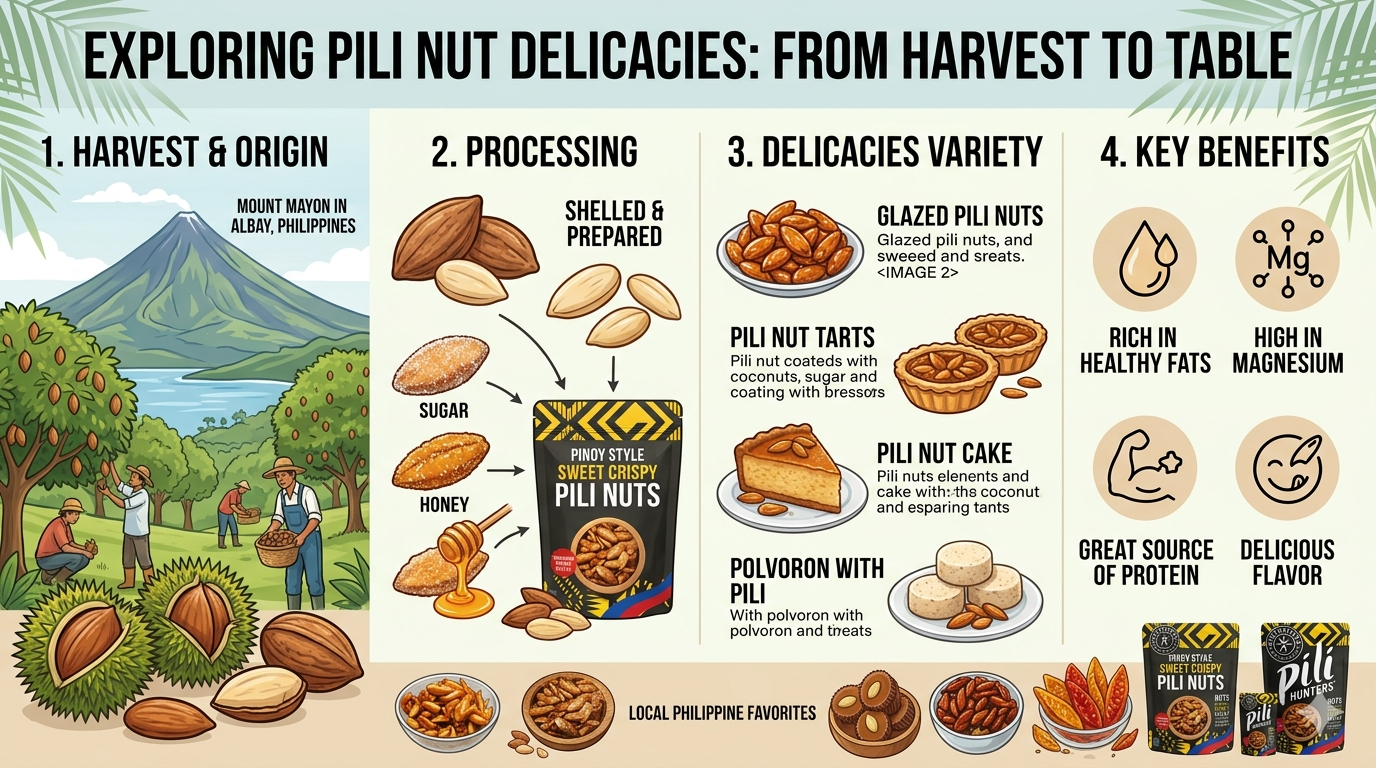
Illustration of pili nut types and usage in Philippine snacks and desserts
Disclaimer
This article is for general informational and educational purposes only. It does not constitute professional medical, nutrition, or dietary advice. References to foods or preparations do not imply endorsement or guarantee of health outcomes. Readers are encouraged to consult licensed nutritionists, dietitians, or medical professionals for personalized guidance.