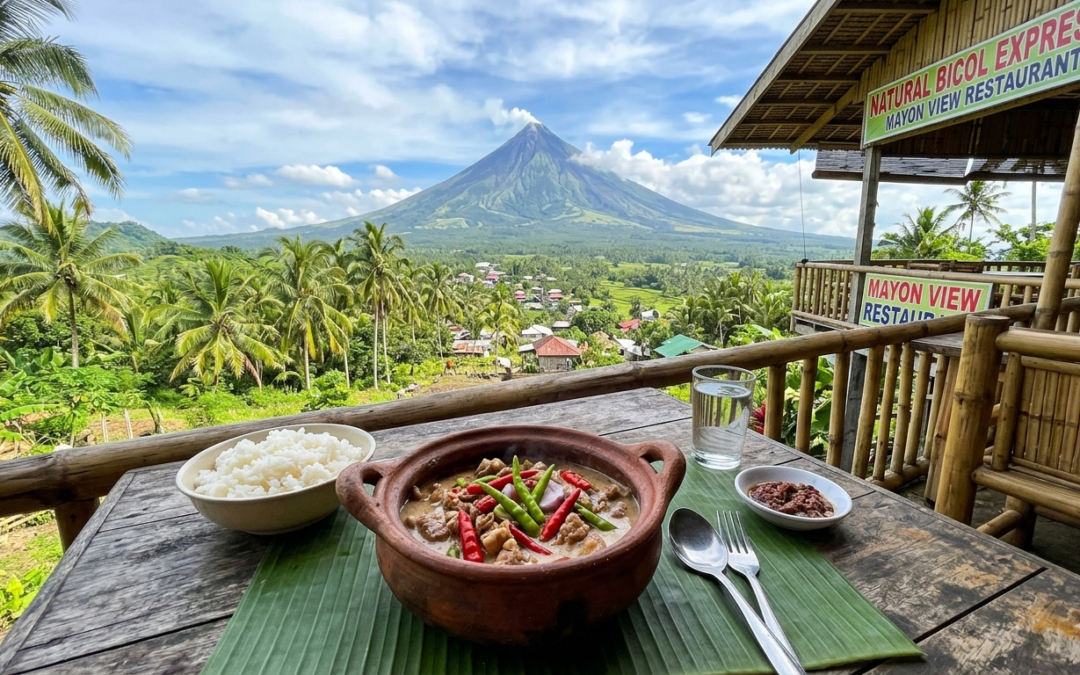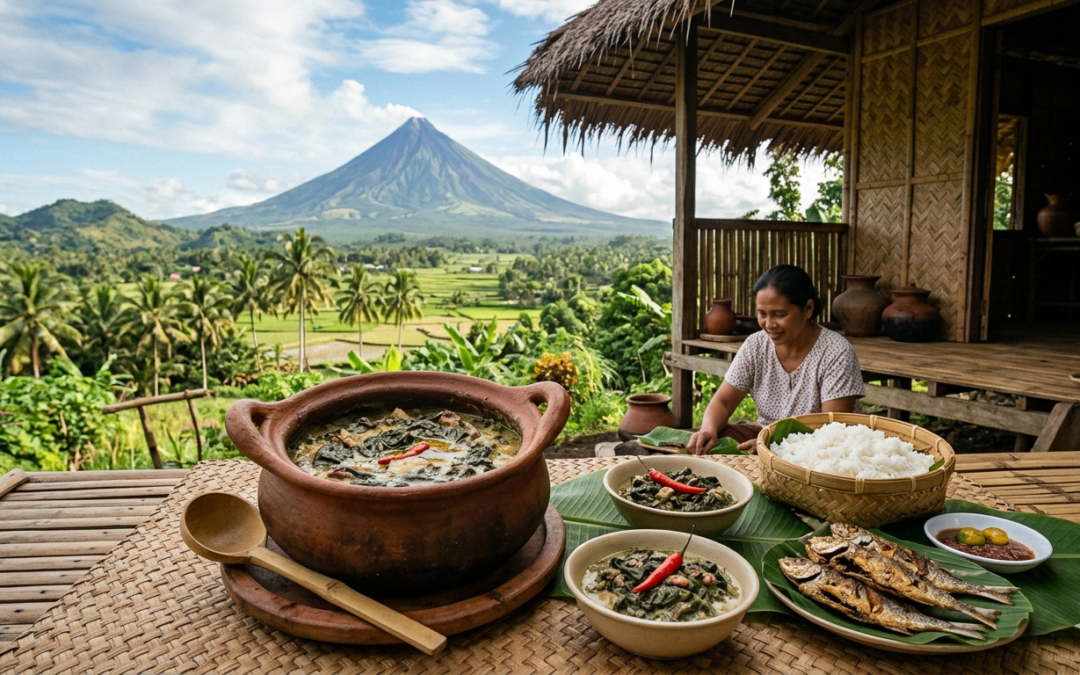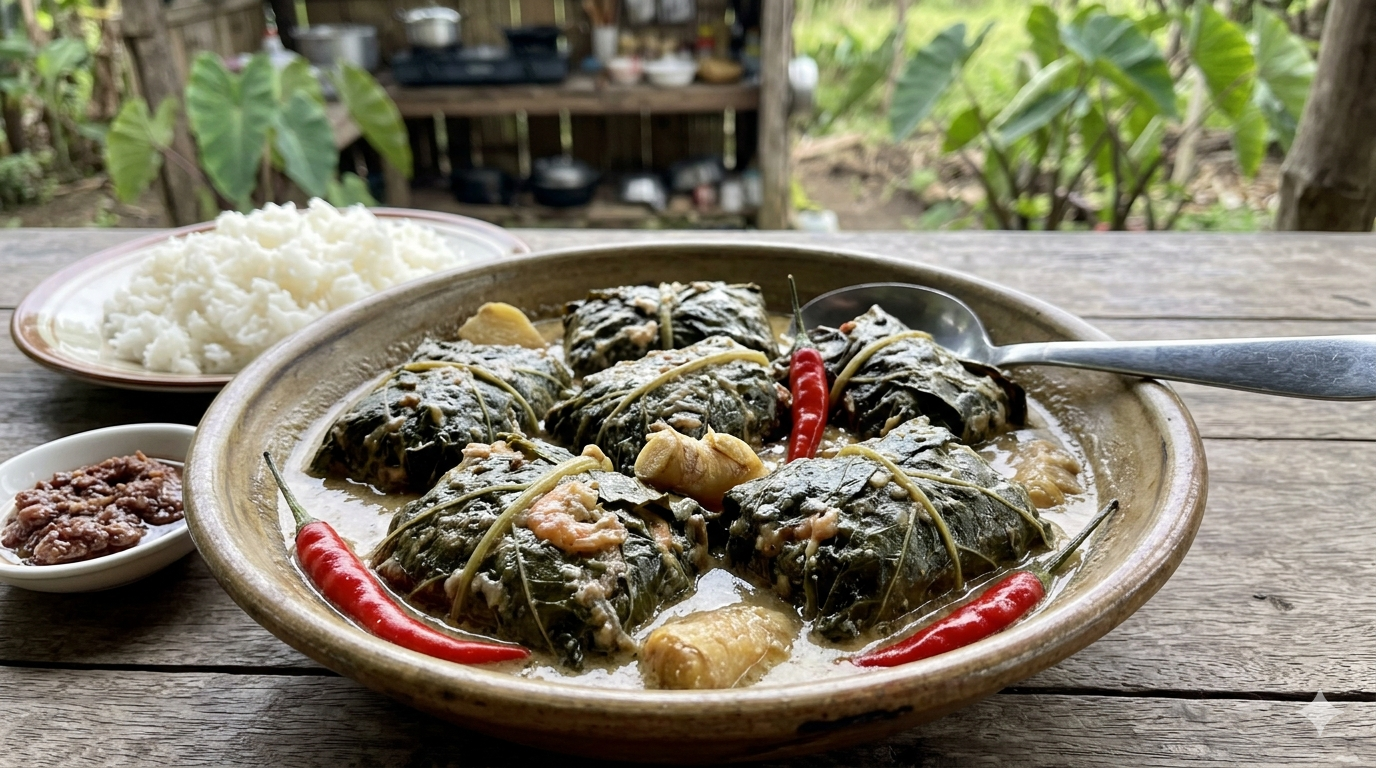
Pinangat: A Traditional Filipino Dish in a Balanced Diet Context
An educational overview of ingredients, preparation, and nutritional components
Pinangat is a traditional Filipino dish commonly prepared using leafy vegetables, coconut milk, and protein sources such as fish or shrimp. This article explains the basic composition of pinangat, its place among food groups, and general nutrition considerations based on commonly used ingredients. The discussion follows general dietary guidance aligned with Philippine food and nutrition standards.
What Is Pinangat?
Pinangat refers to a method of cooking where ingredients are simmered, often in coconut milk (gata) and sometimes with souring agents such as tamarind or kamias. Variations exist across regions in the Philippines.
Common ingredients may include:
- leafy greens (such as taro leaves or spinach)
- coconut milk
- fish, shrimp, or other protein sources
- aromatics (garlic, onion, ginger)
- optional chili peppers
Food Groups Represented in Pinangat
Pinangat typically includes multiple food groups:
- Vegetables: leafy greens contribute fiber, vitamins, and minerals
- Protein sources: fish or seafood provide protein and certain micronutrients
- Fats: coconut milk contains fats, including saturated fat
- Flavoring ingredients: herbs and spices add taste without significant macronutrient contribution
Because of this combination, pinangat can be part of a varied meal when paired with staple foods such as rice.
Basic Preparation Overview
Preparation methods may vary, but commonly involve:
- Cleaning and preparing the leafy vegetables
- Combining ingredients in a pot
- Simmering in coconut milk until cooked
- Adjusting seasoning based on preference
Cooking methods should follow safe food handling practices as recommended by food safety authorities.
Nutrition Considerations
The nutritional composition of pinangat depends on ingredient choice and portion size:
- Coconut milk contributes energy due to its fat content
- Leafy greens provide dietary fiber and micronutrients
- Fish or shrimp contribute protein
Individuals reviewing dietary intake may consider these components when incorporating dishes like pinangat into meal planning.
Context
In nutrition science, mixed dishes such as pinangat are often evaluated based on their combined nutrient profile rather than a single ingredient. Dietary planning typically considers portion sizes and overall daily intake across meals.
Under Philippine food safety and labeling standards, awareness of ingredients and preparation methods supports informed food choices. Nutritional needs vary among individuals, and personalized guidance may be obtained from licensed nutrition professionals.
FAQs
What type of dish is pinangat?
Pinangat is a Filipino dish that usually combines leafy vegetables, coconut milk, and protein sources, cooked through simmering.
Does pinangat include multiple food groups?
Yes, it typically includes vegetables, protein sources, and fats, depending on the ingredients used.
Can pinangat be included in meal planning?
It may be included as part of a varied diet, depending on portion size and overall nutrient balance across meals.
Trusted Sources
- Department of Health (Philippines) — Nutrition and dietary guidance
- Food and Drug Administration (Philippines) — Food safety and labeling information
- Food and Nutrition Research Institute (FNRI-DOST) — Philippine dietary references
- Academic journals on nutrition and food science
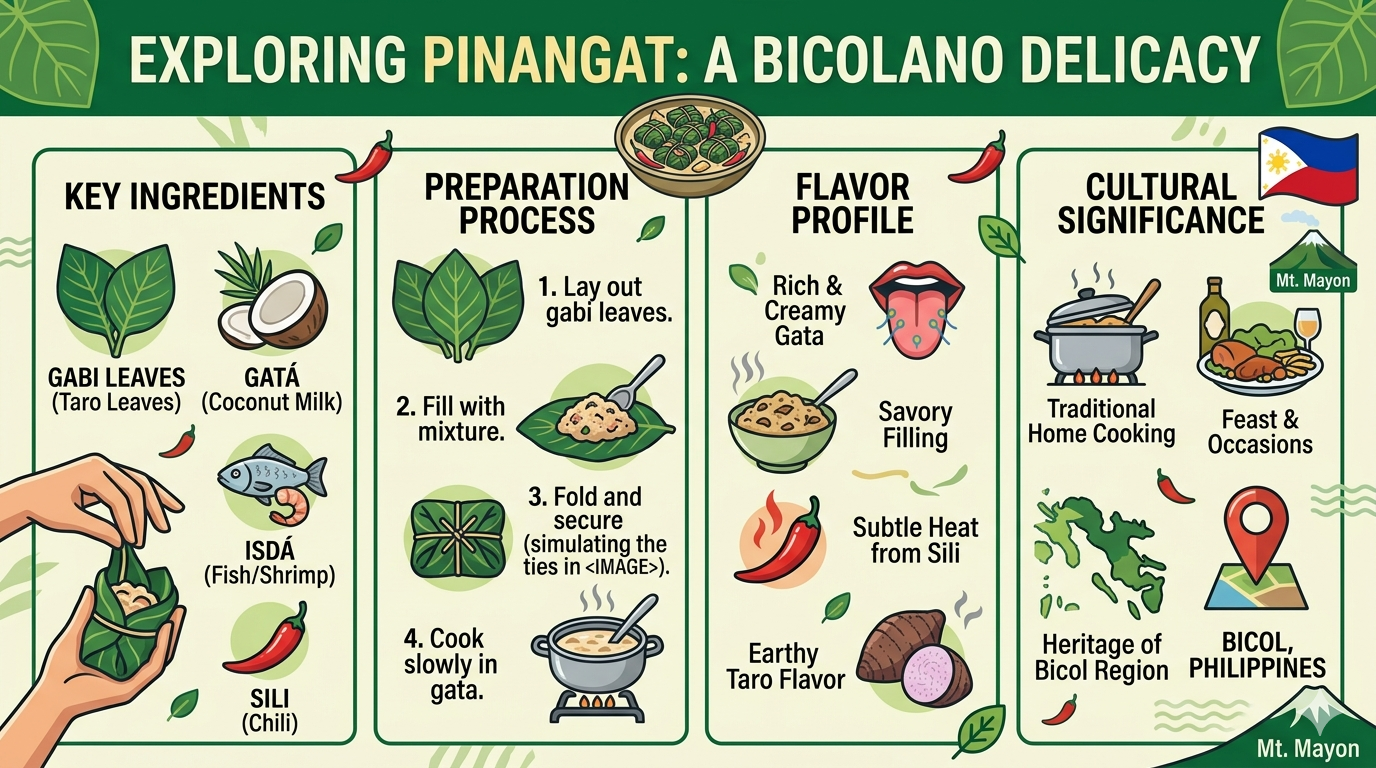
Visual layout of typical ingredients used in pinangat preparation
Disclaimer
This article is for general informational and educational purposes only. It does not constitute professional medical, nutrition, or dietary advice. References to diets, foods, or supplements do not imply endorsement or guarantee of health outcomes. Readers are encouraged to consult licensed nutritionists, dietitians, or medical professionals for personalized guidance.