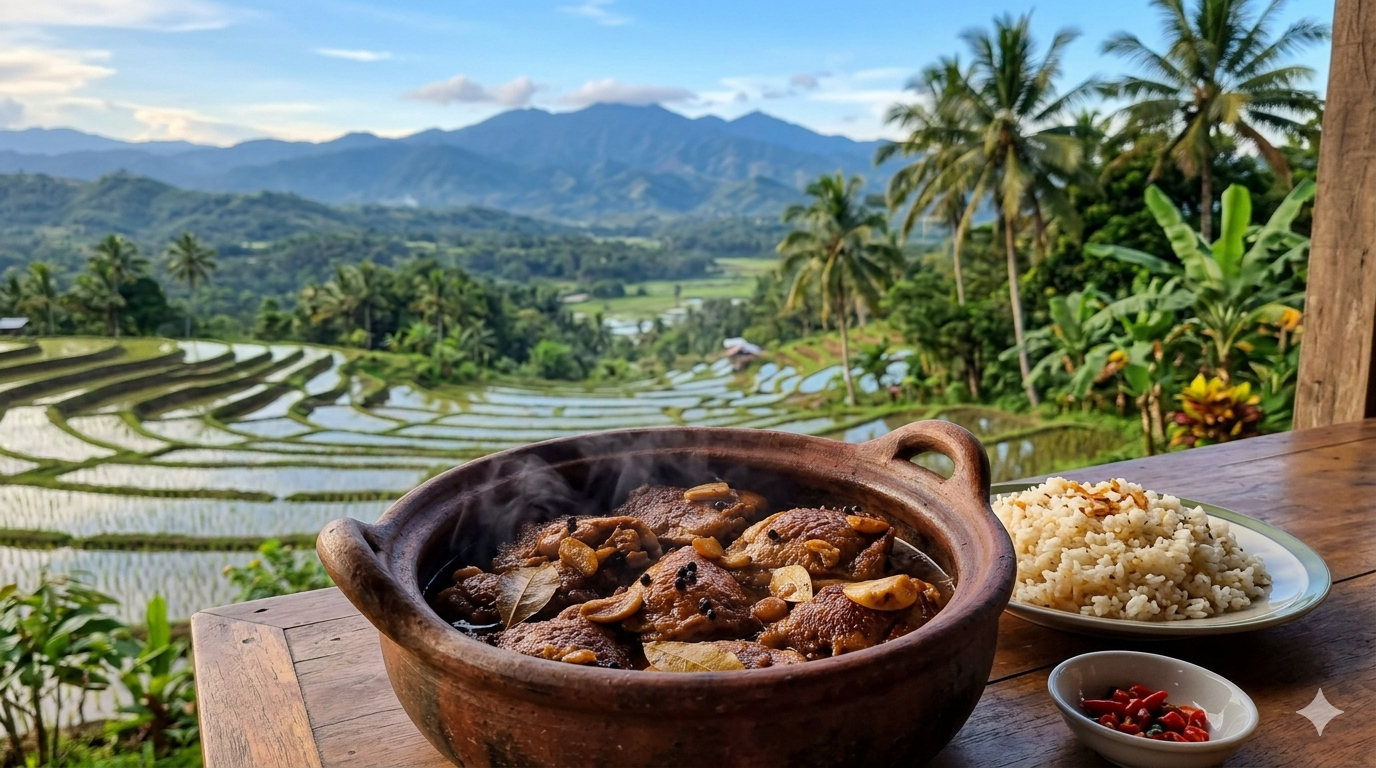
Understanding Filipino Adobo: Nutritional Overview
A neutral look at adobo as a traditional Filipino dish, its ingredients, and nutritional considerations.
Adobo is a widely recognized traditional Filipino dish commonly prepared with meat (such as chicken or pork), vinegar, soy sauce, garlic, and spices. This article provides a neutral overview of adobo’s typical ingredients, macronutrient composition, and consumer considerations, in line with Philippine food safety and labeling standards from DOH and FDA Philippines.
Ingredients and Nutritional Components
- Protein sources: Chicken, pork, or tofu provide essential amino acids.
- Carbohydrates: Minimal in traditional adobo; mainly from added sugar or served rice.
- Fats: Present in the meat and cooking oil; contribute to energy intake.
- Sodium: Soy sauce and other seasonings increase sodium content; moderation is advised for overall dietary balance.
- Other nutrients: Garlic, bay leaves, and vinegar contribute flavor and contain small amounts of micronutrients.
Cooking Considerations
- Portion control: A typical serving of adobo can be part of a balanced meal when combined with vegetables and whole grains.
- Food safety: Meat should be cooked to appropriate internal temperatures to prevent foodborne illness.
- Dietary balance: Including a variety of food groups alongside adobo supports overall nutrient intake.
Hypothetical Meal Example
A neutral illustrative plate might include:
- 1 cup cooked brown rice
- 100–120 g chicken adobo
- Steamed vegetables (e.g., carrots, green beans)
This combination demonstrates a mix of protein, carbohydrates, and fiber without implying health outcomes or weight effects.
Context
In nutrition science studies, traditional dishes like adobo are analyzed for their nutrient composition and energy contribution. Under consumer protection and labeling standards, understanding ingredients, sodium levels, and portion sizes is part of safe dietary practice. Dietary results vary individually, and consulting licensed nutrition professionals is recommended for personalized guidance.
FAQs
What is adobo?
Adobo is a Filipino dish typically made with meat, vinegar, soy sauce, garlic, and spices, often served with rice.
What nutrients are in adobo?
It contains protein, fat, minimal carbohydrates (depending on preparation), and micronutrients from ingredients such as garlic and bay leaves.
Is adobo safe to eat daily?
Adobo can be included in a balanced diet, considering portion sizes, sodium content, and overall nutrient variety.
Trusted Sources
- Department of Health (DOH) Philippines — Food Safety Advisories
- Food and Drug Administration (FDA Philippines) — Nutrition and Labeling Guidelines
- Philippine Dietary Reference Intakes (PDRI)
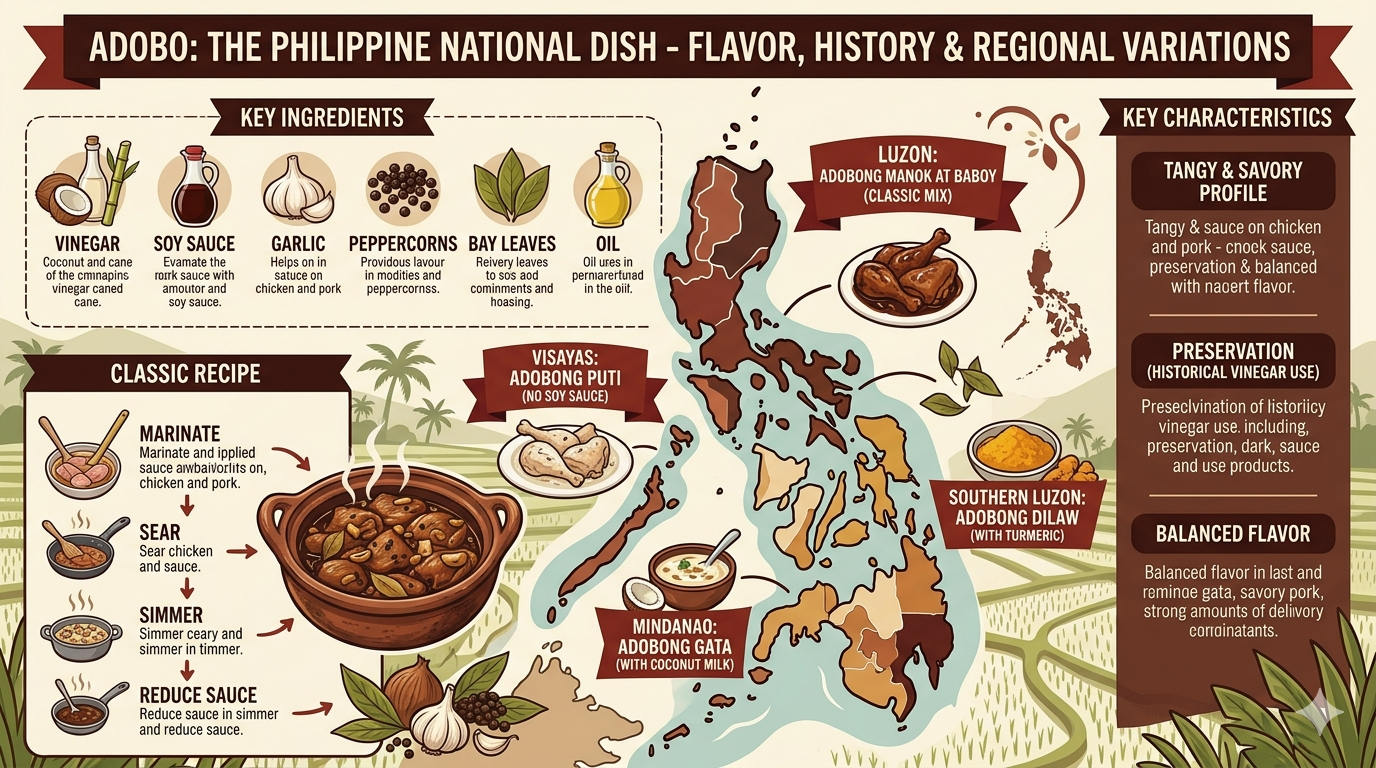
Diagram of typical adobo ingredients and cooking steps
Disclaimer
This article is for general informational and educational purposes only. It does not constitute professional medical, nutrition, or dietary advice. References to foods or traditional dishes do not imply endorsement or guarantee of health outcomes. Readers are encouraged to consult licensed nutritionists, dietitians, or medical professionals for personalized guidance.